InfoFi遇冷:规则升级、收益缩水与平台转型困局

marsbit2025-09-08 tarihinde yayınlandı2025-09-09 tarihinde güncellendi

如果我们已迎来 InfoFi 时代的终结,或是正一步步逼近这个节点,我并不会感到意外。

自 InfoFi 兴起以来,许多人借此赚取了可观的收益,有人累计赚了 5 位数,有人甚至赚到了 6 位数。但如今,一些信号值得我们高度警惕。

门槛规则变更

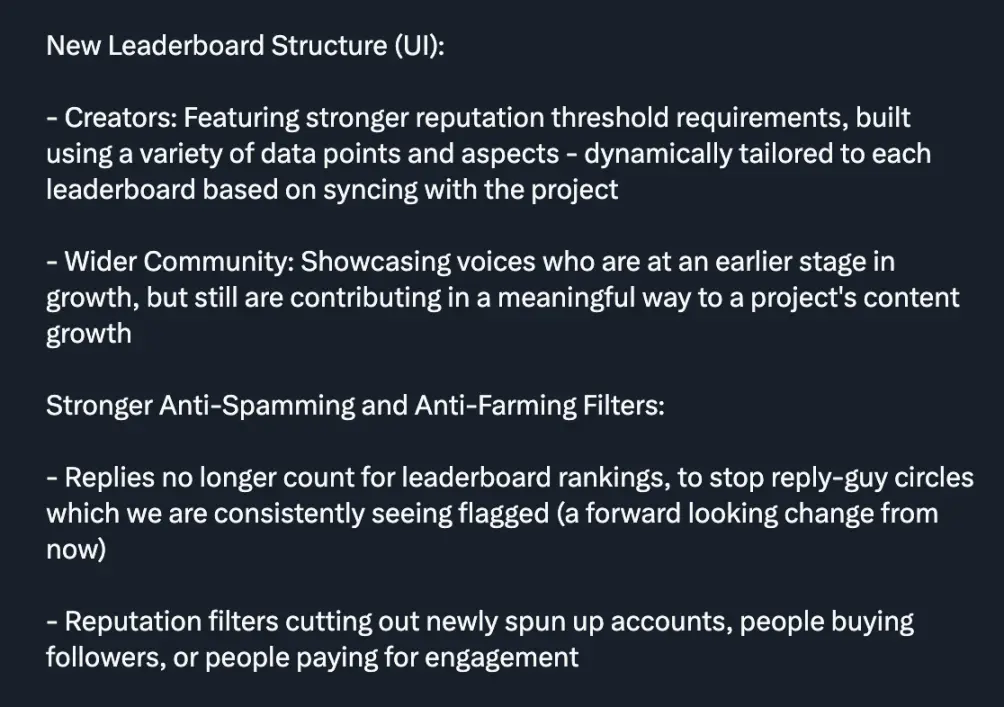
严格来说,我并不认为 Kaito 这次升级完全是件坏事,它或许能有效杜绝大量账号用 AI 生成劣质内容 「刷量」 的行为,同时提升内容质量。

但升级后,不仅小号受到冲击,许多大号也未能幸免。这导致大量依赖 Kaito 的用户选择离开,因为升级后,他们几乎没有机会再通过平台赚到钱。
Capital Launchpad

对此,一些项目方选择取消门槛,以吸引小号入驻。这恰恰说明:在大多数情况下,小号群体是至关重要的。

我的看法是:Kaito 似乎对这次升级的方向感到困惑,而且很多项目方显然不喜欢这种 「门槛限制」。不过不可否认的是,在过去几个月里,Kaito 的表现一直相当出色。


代币分配方案拉胯

对于内容创作者(yappers)而言,如今常规的 0.5%-1% 代币分配比例已远远不够,因为这些代币上线时的估值往往很低。

早期,有些账号通过 1-2 个月的推广活动就能赚到 4-5 位数收益;而现在,即便是参与 3-6 个月的活动,也只能赚 3-4 位数,这让很多人感到心灰意冷。

甚至连头部账号,即便产出了优质内容,也很难赚到可观的 4 位数收益。

这对依赖 InfoFi 的创作者来说为何是坏消息?在 InfoFi 兴起之前,许多创作者作为品牌大使或 KOL 推广内容,就能获得不错的收入。而现在 Kaito 上的项目方给出的报酬,根本无法与外部合作相提并论 。鉴于这一事实,越来越多创作者选择离开 InfoFi 平台,也就不足为奇了。


「Capital Launchpad」 主导地位凸显

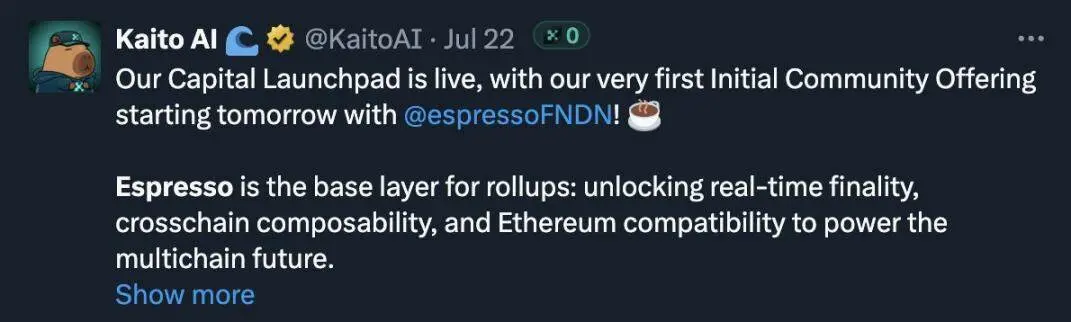
7 月 22 日,Kaito 的 「Capital Launchpad」正式上线,首个上线项目是 Espresso,随后有更多项目陆续入驻。
Capital Launchpad

对 Kaito 而言,这无疑是个不错的产品,但我也有几点担忧:

  • 通过 Kaito 首次代币发行的项目,至今没有一个在公开市场上线;
  • 这些项目均未公布上线日期;
  • 大多数项目的估值过高,且代币解锁方案对投资者不友好。

我的补充观点:Kaito 最初是专为 InfoFi 打造的平台,后来才决定增加额外的平台功能(如 Launchpad),这本身是很棒的尝试。但最近,越来越多项目选择入驻 「Capital Launchpad」,而非参与 「创作者排行榜」。对于一个 InfoFi 平台来说,这种趋势显然不太乐观。

不过,这只是我观察到的明显现象,似乎没多少人对此提出质疑。


项目方更倾向于与 KOL 直接合作,而非通过 Kaito 平台

这一点很明显:项目方已不再那么热衷于参与 InfoFi 合作了。

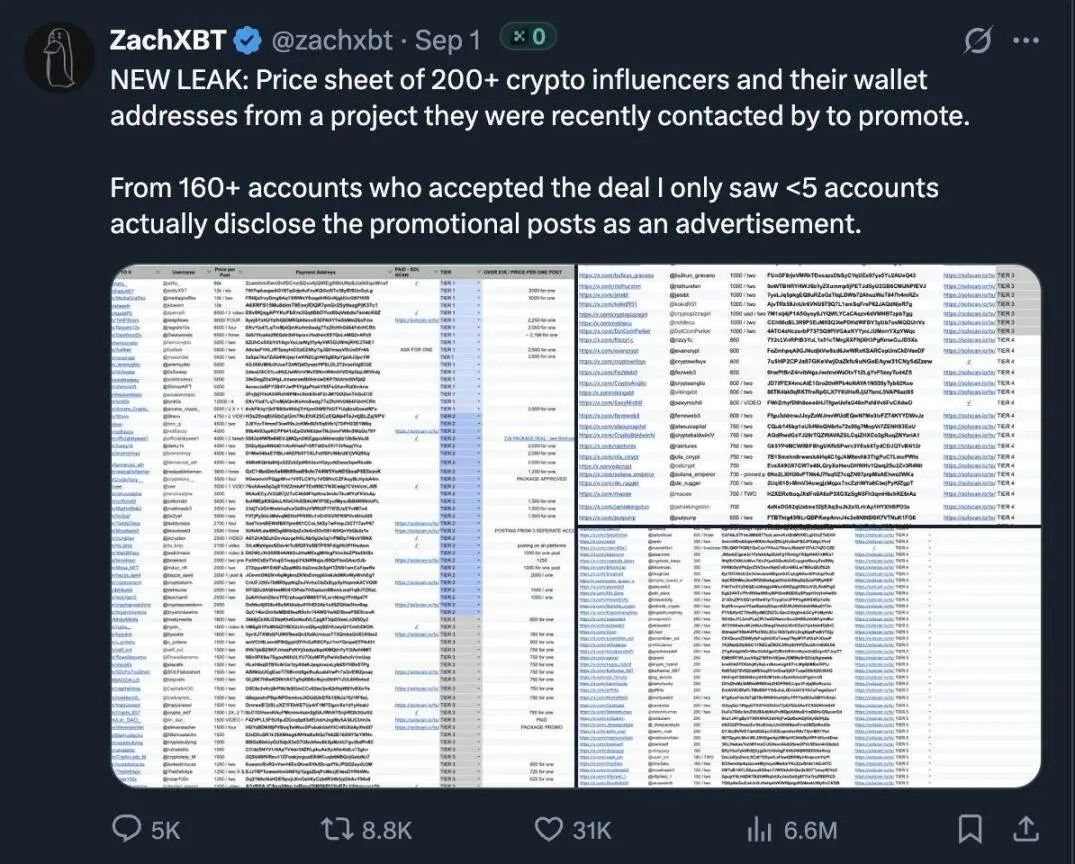
最近,Zachxbt 发布了一个谷歌表格,列出了一批从某项目方获得报酬的账号。我提及此事并非因为惊讶,而是因为这些报酬金额相当可观,尤其是与 Kaito 「创作者排行榜」 上的项目相比。
Capital Launchpad

我相信,这已经让不少人意识到:除了 InfoFi,还有很多赚钱的方式。而人性的现实是 「想尽办法多赚钱」,因此我认为这对 Kaito 构成了直接竞争。

İlgili Okumalar

"AI Burning Books" Is Actually a Misunderstanding

"AI Book-Burning" Is Actually a Misunderstanding Recent reports about AI companies purchasing used books, scanning them, and then destroying the physical copies have sparked widespread outrage. Terms like "AI is devouring human knowledge" have become common, fueled by dramatic visuals of books being cut and shredded. However, the actual facts reveal a more nuanced story. While companies like Anthropic have indeed spent millions to buy and "destructively scan" several million books for AI training, this volume is a small fraction of the global second-hand book market. The core act—digitizing content and then discarding the physical object—is the opposite of historical book-burning, which aimed to erase knowledge. A key point of contention is the purchase of rare or out-of-print books. Yet, if these books were legally for sale on the open market, the buyer (whether an AI firm or an individual) has the right to do with them as they wish. The real question is whether society has adequate systems to protect books of genuine cultural heritage *before* they are sold. Expecting profit-driven companies to self-regulate on this is unreliable; the solution lies in establishing public rules, such as protected lists for rare editions or granting libraries priority purchase rights. Much of the intense public reaction stems not from the scale of actual harm, but from the powerful symbolism. The image of books being fed into machines taps into deeper anxieties about AI: fears of job displacement, mistrust of tech giants, and the unsettling feeling that humanity is feeding its own cultural past to the systems that might replace it. The outrage over "AI book-burning" is thus less about the physical books and more a proxy for broader societal tensions surrounding artificial intelligence.

marsbit7 dk önce

"AI Burning Books" Is Actually a Misunderstanding

marsbit7 dk önce

Robinhood CEO named three benefits of tokenized stocks for American investors

Robinhood CEO Vlad Tenev advocates for the U.S. to allow trading of tokenized stocks domestically. He argues this model could modernize the financial system through three key benefits: **faster, near real-time settlements** reducing counterparty risk and broker capital requirements; **24/7 trading** enabling reaction to market events anytime; and **greater asset portability**, allowing tokens to be moved between platforms and held in self-custody wallets, increasing competition among services. Tenev emphasized tokenization is about rebuilding asset ownership infrastructure for freer movement, similar to information online. He highlighted potential integration with DeFi, where tokenized stocks could be used for lending or as collateral. Currently, Robinhood's stock tokens are not direct ownership of the underlying securities but are backed by them and provide access to economic value like dividends; their structure may evolve with future regulations. Tenev identified outdated securities laws and market infrastructure, developed over a century, as the main U.S. obstacle, urging regulators to adapt rules for blockchain while preserving investor protections. He warned it would be strange if the rest of the world could build the future of ownership around U.S. assets while Americans are left behind, suggesting tokenization could later expand to private company shares and other illiquid assets.

cryptonews.ru28 dk önce

Robinhood CEO named three benefits of tokenized stocks for American investors

cryptonews.ru28 dk önce

İşlemler

Spot
活动图片