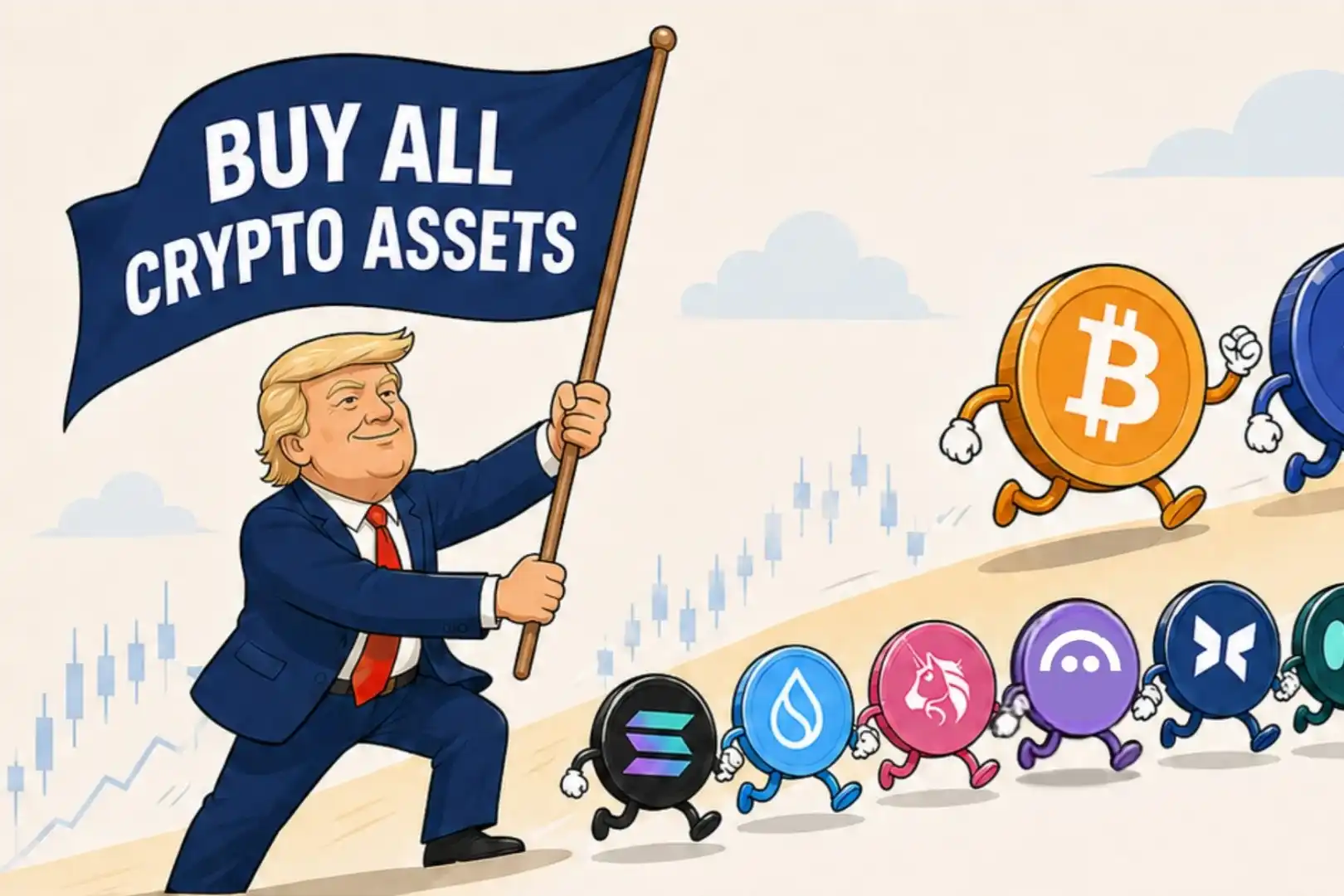
富人在加密货币中如何越来越富?

深潮2025-07-29 tarihinde yayınlandı2025-07-30 tarihinde güncellendi

没有运气,没有赌博,只有经过验证的策略来在加密货币中积累持久的财富。

撰文:Crypto Unfiltered

编译:Block unicorn

前言

你不需要中彩票或挑选下一个奇迹币来在加密货币中积累财富。的确,有些人很幸运,比如以 3 美元买入比特币并提早退休的人,但依赖运气是一个糟糕的策略。

那么,富人如何在加密货币中持续、稳定地变得更富有,而不靠赌博式的模因币?

无聊的真相:买入并持有

最简单、最有效的方法也最不刺激:购买比特币、以太坊或其他顶级加密货币,并长期持有。自 2012 年以来,比特币的平均年回报率约为 150%,几乎超过所有其他资产类别,包括股票,在同一时期与比特币相比下跌近 100%。

持有听起来可能很无趣,但问问自己:你是想追逐最新热门代币的 100 倍回报(然后很可能全赔),还是随时间稳步增加财富?

避免重大错误

加密货币市场充满诱惑和轻松赚钱的承诺。大多数投资者都犯了同样的错误:

  • 过度杠杆:借钱投资超过自己能承受的损失。这从来不会有好结果。

  • 追逐高收益:去中心化金融(DeFi)中的高收益诱人,但往往伴随着隐藏的风险。问问那些在 Luna 崩盘中亏钱的人。

  • 投资集中:过度押注单一币种或炒作概念,当热潮消退时可能导致巨大损失。

富人通过避免这些陷阱保持富有。他们分散投资组合,谨慎管理风险,并明白亏钱比赚钱的痛苦更大。

如何管理你的投资组合

从简单开始:

  • 金本位成本平均法(DCA):定期投资固定金额,不论价格波动如何。这种方法能平滑波动,消除情绪化决策。

  • 明智地分散投资:将大部分资金投入比特币和以太坊等经过验证的资产,少量分配给有潜力的其他币种。

  • 保持警惕:安全至关重要。使用硬件钱包,不要点击可疑链接,始终审慎选择存储加密货币的地方。

长远规划与耐心

在加密货币中最难的不是选对币种,而是在市场剧烈波动时保持耐心和情绪上的超然。真正的加密财富不是一夜之间创造的;它在市场周期中逐渐累积。早期购买比特币的人没有在第一次 100% 涨幅时套现。他们懂得耐心的力量。

加密货币的超能力:行为激励

与股票或债券不同,加密资产带有内置激励机制(代币奖励、社区治理等),保持用户参与和忠诚。这种独特属性确保了长期用户增长和网络效应,最终推高价值。

享受生活,保持积极

积累财富不应意味着牺牲幸福或生活质量。加密货币市场可能充满压力,时刻监控价格波动会让你精疲力尽。享受你的爱好,与家人朋友共度美好时光,拥抱金融之外的体验。

通过专注于你能控制的事情保持积极:你的行动、你的学习和你的成长。培养耐心,记住真正的、重要的成功需要时间。活在当下,庆祝你的进步,不要让市场波动主宰你的幸福。

最后一点思考

如果你只记住一件事,那就是:加密货币仍处于早期阶段。目前整个加密市场估值约为 4 万亿美元,未来十年可能增长到 50-100 万亿美元。

在加密货币中积累财富不需要运气或内幕消息。你只需要一个明智的方法、耐心和坚持的纪律。

或许,还要抵制卖房去买下一个模因币的冲动。

İlgili Okumalar

Galaxy Research: Can SEC's New Regulations Usher in a New Era for Token Financing?

**SEC Proposes New Framework for Token Offerings, Potentially Unlocking Legal Paths for U.S. Crypto Fundraising** On August 18, the U.S. Securities and Exchange Commission (SEC) proposed new rules, dubbed "Reg Crypto," specifically tailored for crypto asset offerings. This framework marks a departure from applying traditional securities rules designed for stocks to tokens. It creates a potential legal pathway for token sales to the U.S. public, including non-accredited investors, without full registration. The proposed rules apply to crypto assets that are not themselves securities but were sold as part of an investment contract where the issuer promised to build a product, network, or ecosystem. It establishes a four-phase lifecycle: Raise, Disclose, Build, and Exit. The "Raise" phase includes two new fundraising exemptions: a startup exemption allowing up to $5 million over four years and a larger, Regulation A-based exemption for up to $20 million or $75 million over 12 months. The "Disclose" phase requires specific token-related disclosures like supply schedules, governance, and development progress. After the issuer completes its promised development work and files a transition report, the "Exit" phase allows the associated investment contract to terminate, even if the token continues to trade. The analysis highlights that the framework's most immediate impact may be providing a formal "exit" path for existing tokens with unclear legal status, rather than immediately sparking a new wave of U.S.-based token offerings. It offers advantages over traditional private placements by allowing public sales and immediate token transferability but imposes ongoing disclosure and reporting obligations. A key hurdle is that the larger exemption requires a substantial U.S. operational presence, which may deter projects with offshore structures. Overall, the proposal is seen as a constructive step toward regulatory clarity, acknowledging that token offerings differ from equity offerings and require tailored investor disclosures. However, it remains a proposal subject to a 60-day public comment period, and its long-term stability may ultimately depend on congressional action.

marsbit1 saat önce

Galaxy Research: Can SEC's New Regulations Usher in a New Era for Token Financing?

marsbit1 saat önce

Bitcoin and Ethereum Soar Together! Eight Altcoins Worth Watching in the Later Market

Bitcoin and Ethereum Surge, Fueling Altcoin Speculation. Bitcoin Eyes $77,000, Ethereum Gains 20% in a Single Day. Market anticipates capital rotation from major cryptos to high-beta altcoins, but a selective rise is expected, favoring projects with genuine users, protocol revenue, and healthy tokenomics. Analysts highlight eight altcoins across key sectors: **High-Performance Blockchains:** * **SOL (Solana):** Market cap ~$51.88B. A dominant player with a strong ecosystem. Considered a relatively safe bet for potential catch-up growth. * **SUI (Sui):** Market cap ~$3.03B. High volatility potential but faces risks from its low circulating supply and future token unlocks. **DeFi Lending:** * **UNI (Uniswap):** Market cap ~$2.38B. Transitioning to a revenue-capturing asset post-fee switch implementation. * **AAVE (Aave):** Market cap ~$1.53B. Features balanced tokenomics and revenue but has seen significant recent gains. * **MORPHO:** Market cap ~$1.50B. Rapid protocol growth but weaker token value capture and opaque supply data. **Perpetual DEX:** * **HYPE (Hyperliquid):** Market cap ~$16.41B. The clear sector leader with strong revenue but high valuation and a large portion of tokens still locked, warranting caution. **RWA & On-Chain Finance Infrastructure:** * **LINK (Chainlink):** Market cap ~$8.09B. A key oracle provider positioned to benefit from multiple trends like RWA and institutional adoption, offering strong fundamentals. * **ONDO (Ondo Finance):** Market cap ~$1.77B. Shows strong business growth but carries high risks due to concentrated token holdings and a massive unlock scheduled for 2027. **Conclusion:** The altcoin rally is expected to be selective. Recommendations include a medium position in SOL, small allocations to SUI and UNI/AAVE for DeFi exposure, and caution with HYPE and ONDO due to their specific risks. LINK is suggested as a core holding for the RWA thematic.

marsbit3 saat önce

Bitcoin and Ethereum Soar Together! Eight Altcoins Worth Watching in the Later Market

marsbit3 saat önce

Shanghai's $10 Billion Unicorn Is About to Go Public

Shanghai-based automotive-grade millimeter-wave radar chip unicorn Calterah Microelectronics Technology (Shanghai) Co., Ltd. has filed for an IPO on Shanghai's STAR Market, aiming to raise 3.49 billion yuan. Founded in 2014 by Chen Jiashu, a UC Berkeley PhD graduate, and his professor Ali Niknejad, Calterah pioneered CMOS technology for 77GHz radar chips, breaking the decades-long monopoly of international giants like Texas Instruments. Its low-cost, highly integrated solutions enabled millimeter-wave radar to move from luxury to mass-market vehicles. By 2025, Calterah captured a 31.1% share in China's automotive millimeter-wave radar chip market (second domestically, fourth globally), with cumulative shipments exceeding 30 million units. Its client list includes BYD, Geely, Nio, and Volvo. The company has undergone 11 funding rounds, attracting high-profile investors such as the National Integrated Circuit Industry Investment Fund Phase II, China Capital Management, and GD Capital. Its valuation has reached tens of billions of yuan, with a projected post-IPO valuation of approximately 14 billion yuan. Despite rapid revenue growth—increasing from 206 million yuan in 2023 to 632 million yuan in 2025 with a 75.28% CAGR—Calterah remains unprofitable. It reported net losses of 323 million yuan, 334 million yuan, and 193 million yuan from 2023 to 2025, accumulating over 900 million yuan in losses over three and a half years. These losses are primarily attributed to heavy R&D investment, which totaled over 1.039 billion yuan in the reporting period, often exceeding annual revenue. The company faces significant risks, including high customer concentration (its top five customers accounted for over 99% of revenue from 2023-2025, with BYD alone representing over 50% in 2025) and supply chain concentration. Revenue pressure from key customers and dependencies on overseas suppliers for EDA tools and IP pose challenges to sustainable growth. The IPO is seen as crucial for securing capital to expand production, diversify its customer base, and reduce supply chain dependencies.

marsbit3 saat önce

Shanghai's $10 Billion Unicorn Is About to Go Public

marsbit3 saat önce

Ray Dalio's Latest Macro Analysis Full Text: Buy More Gold, Add Some Bitcoin

In his latest macro analysis, Ray Dalio applies his framework from "How Countries Go Broke: The Big Cycle" to the current global debt environment. He highlights recent events like Japan selling U.S. Treasuries and rising U.S. long-term yields as signs of an unsustainable debt dynamic. Dalio explains that excessive government debt leads to either unacceptably high interest rates, severe economic downturns, or significant currency debasement through central bank money printing. He summarizes the U.S. fiscal situation: with $5.5 trillion in revenue, $7.5 trillion in spending, a $2 trillion deficit, and total debt at six times annual revenue, debt servicing costs are immense. Without correction, U.S. debt could reach $55-$60 trillion in a decade. Dalio proposes a "3% Three-Way" solution: reducing the budget deficit to 3% of GDP through balanced spending cuts, tax increases, and interest rate reductions to avoid a traumatic adjustment. In response to FAQs, he argues that the risk of a U.S. debt crisis is high and could materialize within a few years if the current path continues. He dismisses the notion that the dollar's reserve status makes the U.S. immune, citing historical precedents of reserve currency declines. He is also unconvinced by Japan's high-debt stability, noting poor returns for yen-denominated assets. For investors, Dalio recommends diversifying globally, underweighting bonds, and overweighting assets like gold and a small allocation to Bitcoin (around 10-15% to gold) to hedge against currency debasement and poor debt returns.

marsbit4 saat önce

Ray Dalio's Latest Macro Analysis Full Text: Buy More Gold, Add Some Bitcoin

marsbit4 saat önce

İşlemler

Spot
活动图片