Аргентина тестирует новый порядок токенизации ценных бумаг

investing.ru2025-04-15 tarihinde yayınlandı2025-04-15 tarihinde güncellendi

Суть услуги заключается в цифровом представлении традиционных ценных бумаг с использованием технологий распределенного реестра (DLT), что должно обеспечить инвесторам безопасность и прозрачность транзакций с ценными бумагами.

Для тестирования CNV создаст регуляторную песочницу сроком на один год, в течение которого специалисты отрасли смогут тестировать процедуры токенизации ценных бумаг, собирать отзывы и анализировать возможные проблемы внедрения.

К участию в пилотном проекте будут допущены зарегистрированные в Аргентине поставщики виртуальных активов (PSAV), которые смогут предлагать пользователям токенизированные ценные бумаги на своих платформах и в мобильных приложениях.

«Участники крипторынка Аргентины смогут воспользоваться преимуществами токенизации, включая упрощение процессов эмиссии, повышение ликвидности активов и снижение операционных затрат. После завершения годичного тестового периода выпущенные токены останутся в обращении», — заявили в CNV.

Эмитенты смогут выпускать токенизированные ценные бумаги без дополнительного разрешения регулятора, если изначально они получили согласие CNV на цифровизацию, а сами ценные бумаги были депонированы в Центральном депозитарии (ADCVN). При этом их клиенты получат возможность торговать токенами, а при необходимости конвертировать их обратно в традиционные форматы и фиатные валюты.

Ранее палата депутатов Аргентины одобрила проведение официального расследования в отношении рухнувшего мемкоина LIBRA, на котором около 75 000 инвесторов потеряли более $280 млн.
Читайте оригинальную статью на сайте Bits.media

İlgili Okumalar

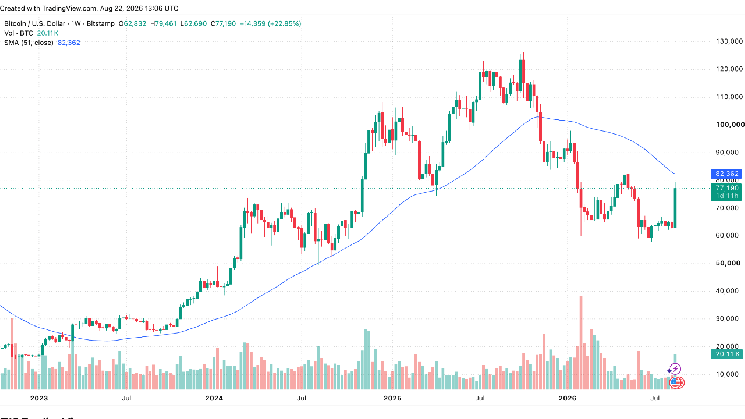
Mysterious "Whale" Sells $576 Million Worth of Bitcoin Amid BTC Price Approach to $80,000

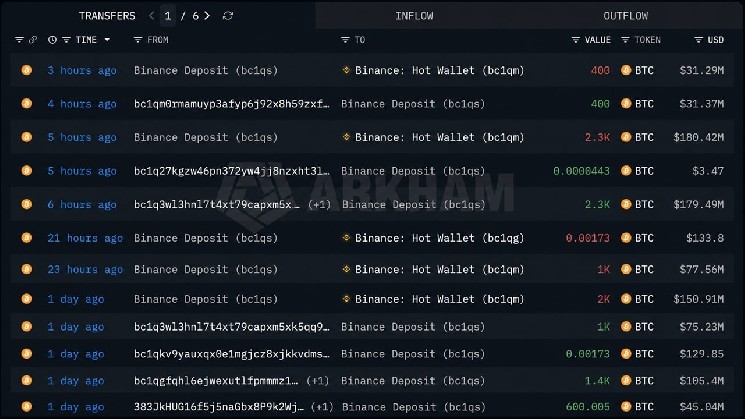
An unidentified crypto "whale" sold 2,700 BTC (worth approximately $211.8 million) in a single transaction, bringing its total sales over three days to 7,700 BTC for roughly $576.6 million. This selling pressure occurs as Bitcoin trades near the $80,000 mark, having recently retreated from nearly reaching that level. While large holders often sell to realize profits during sharp rallies, on-chain data only confirms the movement of coins, not the motive. So far, these sales have had little impact on Bitcoin's upward momentum, with the asset posting double-digit gains recently and its strongest weekly increase since 2024. The rally was fueled by a U.S. Treasury Department announcement to at least double its long-term bond buyback operations starting September 9th, which lowered bond yields and pushed investors toward riskier assets like Bitcoin. This week's selling marks a reversal from a recent accumulation trend, where large holders had added about 43,000 BTC (worth ~$2.75B) over a 60-day period ending in mid-August, helping set the stage for the current price surge. As Bitcoin hovers around $80,000, traders are watching key factors: whether other major holders will follow suit and sell into strength, and if renewed institutional demand from ETFs can absorb the selling pressure. The outcome will likely determine Bitcoin's next major price move.

cryptonews.ru28 dk önce

Mysterious "Whale" Sells $576 Million Worth of Bitcoin Amid BTC Price Approach to $80,000

cryptonews.ru28 dk önce

Illinois' 0.2% Cryptocurrency Tax Sparks Major Legal Battle

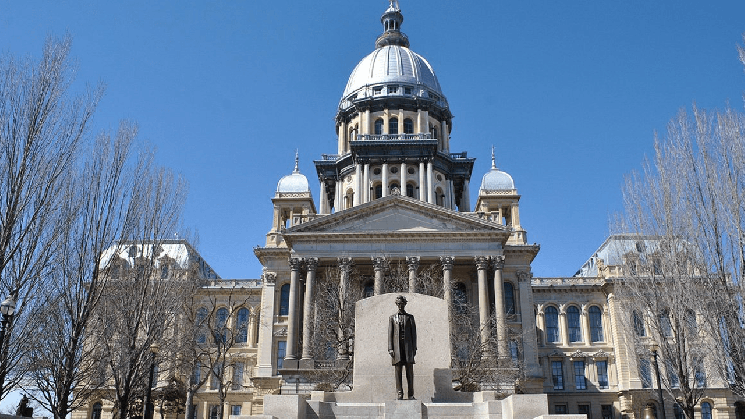
Blockchain Association and Crypto Council for Innovation filed a lawsuit on August 21 in an Illinois district court against state officials, seeking to declare the state's Digital Asset Tax Act unlawful and block its implementation. The lawsuit centers on Illinois' plan to impose a 0.2% tax on the value of a digital asset for certain transactions through a digital asset broker, effective January 1. Plaintiffs argue the tax applies even to non-sales activities like transferring assets between wallets or paying for custody services, which is unlike the treatment of traditional assets like stocks or gold. They contend this discriminates against digital assets, taxing the mechanism of storage or transfer rather than an economic gain. The complaint highlights multiple ambiguities: a single crypto purchase involving exchange, deposit, and custody could trigger multiple taxable events; the law doesn't define how to value the asset or determine a customer's residency for tax purposes, leaving brokers guessing. Businesses face potential civil and criminal penalties for non-compliance, possibly leading them to avoid Illinois customers. The groups also challenge the legislative process, noting the tax was added as a small part of a massive 1,624-page bill passed hastily, violating constitutional requirements. They claim the tax violates federal laws like the Internet Tax Freedom Act and the dormant Commerce Clause. The immediate goal is to obtain an injunction before the January 1 enforcement date, testing whether a state can single out digital asset transactions for such a tax.

cryptonews.ru30 dk önce

Illinois' 0.2% Cryptocurrency Tax Sparks Major Legal Battle

cryptonews.ru30 dk önce

İşlemler

Spot
活动图片