ADA、SOL等现货ETF再遇推迟,SEC审批为何总是“卡壳”?

marsbit2025-03-11 tarihinde yayınlandı2025-03-12 tarihinde güncellendi

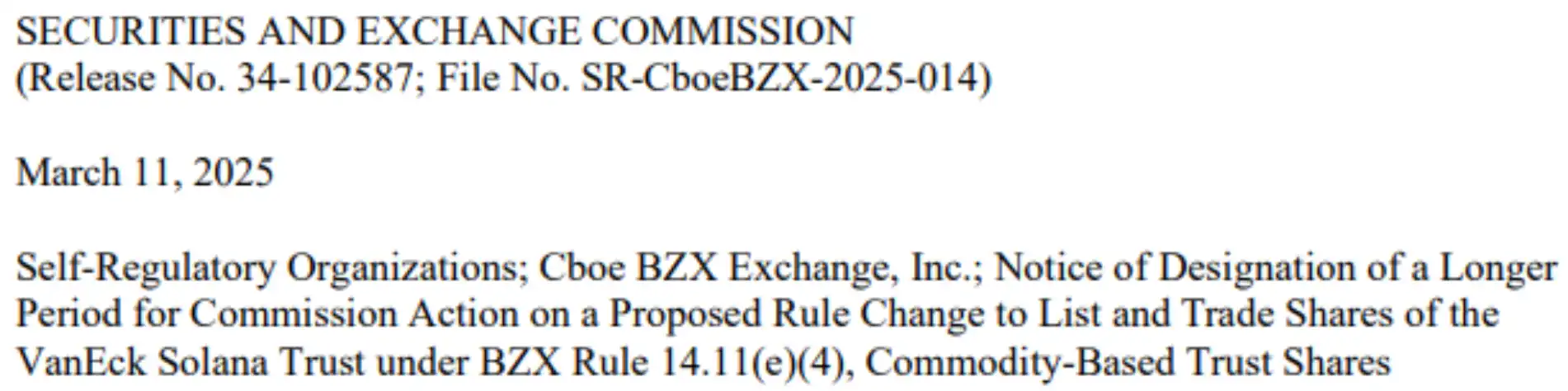
3月12日清晨,美国证券交易委员会(SEC)再次推迟了对多项加密货币现货ETF申请的决定,包括灰度(Grayscale)的Cardano(ADA)和Dogecoin(DOGE)现货ETF、Canary提交的XRP、Solana和莱特币现货ETF,以及VanEck的Solana现货ETF。
SEC

这一消息迅速在加密货币市场引发热议,毕竟现货ETF被视为传统金融与数字资产融合的关键桥梁。投资者不禁好奇:SEC为何屡屡推迟审批?这背后的流程是什么?未来走向又将如何?让我们从历史、流程和业内观点出发,逐步解开这些疑问。


SEC的“推迟传统”:从比特币到新兴资产

SEC对加密货币现货ETF的谨慎态度并非新鲜事。回顾过去,比特币现货ETF的申请之路堪称一场马拉松。早在2013年,Winklevoss兄弟就首次提交了比特币ETF申请,但SEC以市场操纵和投资者保护为由多次否决或推迟类似申请。直到2024年1月,SEC才正式批准了首批11只比特币现货ETF,这一过程前后耗时近十年。而以太坊现货ETF的获批同样经历了漫长的等待,直到2024年7月才尘埃落定。相比之下,像Solana、XRP、Cardano和Dogecoin这样的新兴资产,其ETF申请起步较晚,自然也继承了SEC一贯的审慎作风。

此次推迟的名单中,灰度的Dogecoin和Cardano ETF尤为引人注目。灰度作为加密资管领域的巨头,曾凭借诉讼迫使SEC批准其比特币信托转为ETF,这让市场对其后续动作抱有期待。而VanEck和Canary则代表了传统金融与新兴机构的双重尝试,试图将更多元化的加密资产带入主流市场。然而,SEC似乎并不急于点头,这与过往模式如出一辙:对于波动性高、监管尚不成熟的资产,推迟几乎成了标配。


平均耗时与申请流程:一场耐力赛

那么,从提交申请到最终获批,加密货币现货ETF平均需要多久?以比特币为例,其申请者经历了长达数年的反复调整和等待。根据SEC的公开流程,一旦交易所提交19b-4规则变更申请(涉及交易规则调整)并在联邦公报上发布,SEC有最多240天的审查期。这期间,SEC通常会分阶段给出反馈:首次回复在45天内,随后可能再推迟45天、90天甚至60天,直到最终决定。值得注意的是,这个240天并非绝对上限——SEC可以在任何时点提前批准或否决,也可能因申请材料不足要求重新提交,从而拉长实际时间。

以太坊现货ETF的审批提供了更具体的参考。从2023年下半年多家机构提交申请,到2024年5月SEC初步批准注册,再到7月正式上市,整个过程耗时约一年。而比特币ETF的漫长历史则表明,如果资产的法律地位或市场成熟度存疑,时间可能被无限延长。目前,Solana、XRP等ETF的申请大多处于早期阶段,19b-4文件已提交但尚未获批,距离最终决定可能还有数月甚至更久。灰度的Cardano和Dogecoin ETF由于涉及较小市值资产,审批难度可能更高。

截至2025年3月,这些被推迟的ETF申请大多处于SEC的“等待反馈”阶段。交易所和发行方已提交初步文件,SEC则可能在未来几周内发布第一次正式回复,决定是继续推迟还是进入下一轮审查。市场普遍认为,Solana和XRP的审批面临额外挑战,因为SEC曾将这两类资产视为潜在证券,这增加了法律上的不确定性。相比之下,Dogecoin因未被明确定义为证券,或许有更大机会率先突围,但其市场规模和实际用途仍可能让SEC犹豫。


市场观点:乐观与谨慎并存

对于此次推迟,业内人士的态度呈现两极分化。彭博社高级ETF分析师Eric Balchunas曾表示,比特币和以太坊ETF的成功为其他资产铺平了道路,但他也警告,SEC在新主席Paul Atkins上任后的“过渡期”可能减缓决策速度。Bitwise法务总监Katherine Dowling则更乐观,她认为SEC与商品期货交易委员会(CFTC)的合作正在加强,Dogecoin等非证券资产的ETF可能较快获批。不过,她也指出,Solana和XRP的证券属性争议仍是拦路虎。

加密社区的KOL们则更加直白。加密社区对此态度分明。许多观察者认为,SEC可能延续拖延策略,直到这些资产的市场合规性得到充分证明,正如比特币ETF的漫长审批历程所示。与此同时,机构分析也提供了更理性的视角。国盛证券曾在2023年底指出,比特币现货ETF的获批将为其他加密资产树立标杆,但剧烈的价格波动和监管空白仍是SEC的顾虑。贝莱德(BlackRock)全球研究主管Greg Cipolaro也曾评论,审批流程的每一步都伴随着市场测试,SEC需要看到足够的流动性与托管保障。


投资者该关注什么?

对于投资者而言,SEC的推迟既是挑战也是机遇。短期内,这些加密资产的价格可能因审批延迟承压,但长期来看,现货ETF的获批将吸引更多机构资金入场,推动市场成熟。值得关注的关键节点包括:SEC的首次正式回复(预计4月中旬前)、申请机构是否调整托管方案以满足监管要求,以及新任SEC主席的政策倾向。此外,Solana和XRP的证券诉讼进展也将直接影响其ETF前景。

总的来说,加密货币现货ETF的审批是一场耐力赛,SEC的谨慎态度源于对投资者保护和市场稳定的双重考量。历史告诉我们,比特币和以太坊的成功并非一蹴而就,新兴资产的道路只会更曲折。但正如业内人士所言,只要市场继续进化,监管的绿灯终会亮起——只是时间问题。投资者不妨保持耐心,静观其变。


Trend Kriptolar

İlgili Okumalar

Li Fei-Fei's Latest Long-Form Article: When Video Generation, Robotics, and NVIDIA All Call Themselves World Models, We Need a Taxonomy

In a new article, Dr. Fei-Fei Li addresses the widespread and often inconsistent use of the term "world model" in AI. She proposes a clear, functional taxonomy rooted in the classic Partially Observable Markov Decision Process (POMDP) loop (agent → action → state → observation → agent). According to this framework, current systems called "world models" are different projections of this loop, categorized by their primary output: 1. **Renderers**: Output observations (pixels). Their goal is visual fidelity for human consumption (e.g., video generation models like Sora). They are the most commercially mature but are limited by a focus on appearance over physical accuracy. 2. **Simulators**: Output states (geometric, physical, dynamic representations). They provide a structurally accurate world for both human professionals (e.g., architects) and computational agents (e.g., robots for training). Li argues simulators are the crucial, underappreciated bridge, as they can underpin both rendering and planning. 3. **Planners**: Output actions. Given an observation and a goal, they decide what an agent should do next (e.g., robotic action models). This area is highly promising but remains the least mature for real-world deployment. Li highlights a key trend: the boundaries between these three categories are beginning to blur, as they all rely on a shared underlying understanding of geometry, physics, and dynamics. The logical endpoint is a unified world foundation model capable of switching between rendering, simulation, and planning based on downstream needs. This convergence, she concludes, is central to advancing spatial intelligence—enabling machines not just to talk about the world, but to truly understand, imagine, and interact with it.

marsbit4 saat önce

Li Fei-Fei's Latest Long-Form Article: When Video Generation, Robotics, and NVIDIA All Call Themselves World Models, We Need a Taxonomy

marsbit4 saat önce

Forbes Feature: Stablecoin Cross-Border Payments Are Faster, But Not Yet Cheaper

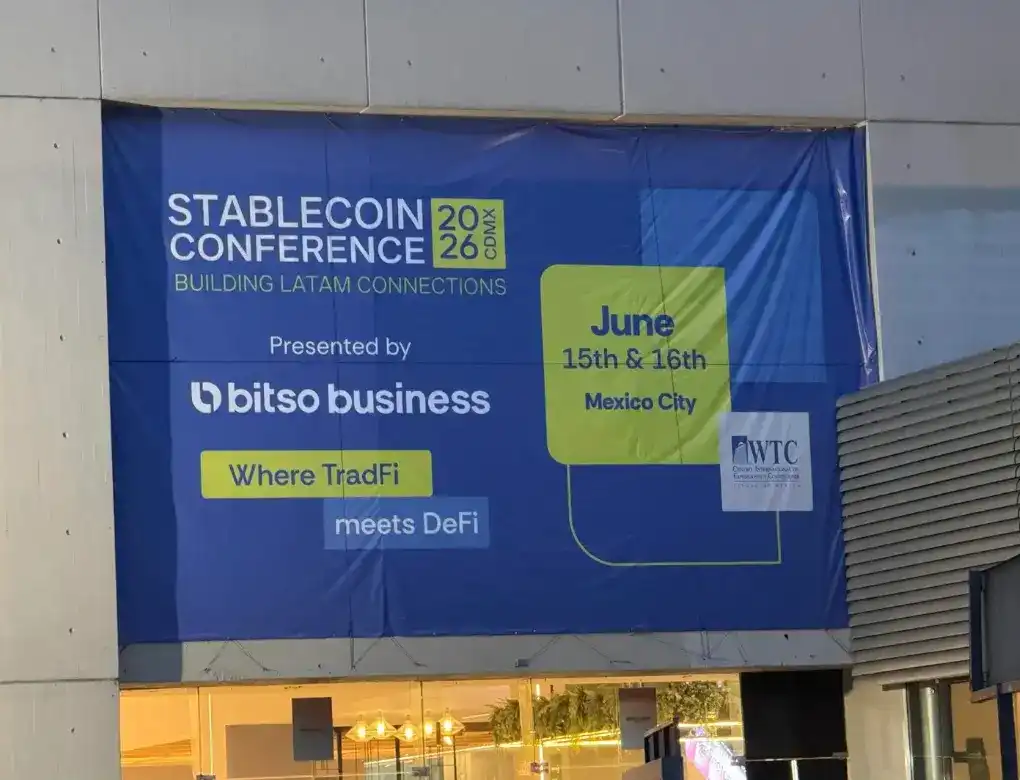
A Forbes feature delves into the state of stablecoin-based cross-border payments, noting rapid growth but a key shortfall: while faster and more accessible, they are not yet cheaper. At a recent industry conference in Mexico City, optimism about technology, regulation, and volume was tempered by discussions with practitioners. The core issue is liquidity. Traditional FX brokers charge 60-70 basis points, and stablecoins promise to slash this to 2-5 basis points. However, this theoretical cost advantage cannot be realized until deep liquidity pools are established at scale, requiring significant institutional capital inflow. A major adoption barrier is trust. Businesses often rely on long-standing relationships with traditional brokers, valuing reliability over marginal cost savings. This shift will be gradual. Furthermore, successful companies in the space are not positioning themselves as replacements for legacy systems like SWIFT, but as complements. They leverage stablecoins for speed while using traditional rails for their standardization and reliability in ensuring accurate payment details—a critical factor for supplier payments to avoid customs issues. Companies like Caliza, experiencing high monthly growth, exemplify this hybrid approach. The industry anticipates consolidation, as long-term viability will depend on securing the essential trifecta: proper licensing, robust fiat on/off-ramps, and deep liquidity. Without these, firms risk being mere intermediaries rather than building sustainable businesses.

marsbit4 saat önce

Forbes Feature: Stablecoin Cross-Border Payments Are Faster, But Not Yet Cheaper

marsbit4 saat önce

İşlemler

Spot

Popüler Makaleler

ADA Nasıl Satın Alınır

HTX.com’a hoş geldiniz! Cardano (ADA) satın alma işlemlerini basit ve kullanışlı bir hâle getirdik. Adım adım açıkladığımız rehberimizi takip ederek kripto yolculuğunuza başlayın. 1. Adım: HTX Hesabınızı OluşturunHTX'te ücretsiz bir hesap açmak için e-posta adresinizi veya telefon numaranızı kullanın. Sorunsuzca kaydolun ve tüm özelliklerin kilidini açın. Hesabımı Aç2. Adım: Kripto Satın Al Bölümüne Gidin ve Ödeme Yönteminizi SeçinKredi/Banka Kartı: Visa veya Mastercard'ınızı kullanarak anında Cardano (ADA) satın alın.Bakiye: Sorunsuz bir şekilde işlem yapmak için HTX hesap bakiyenizdeki fonları kullanın.Üçüncü Taraflar: Kullanımı kolaylaştırmak için Google Pay ve Apple Pay gibi popüler ödeme yöntemlerini ekledik.P2P: HTX'teki diğer kullanıcılarla doğrudan işlem yapın.Borsa Dışı (OTC): Yatırımcılar için kişiye özel hizmetler ve rekabetçi döviz kurları sunuyoruz.3. Adım: Cardano (ADA) Varlıklarınızı SaklayınCardano (ADA) satın aldıktan sonra HTX hesabınızda saklayın. Alternatif olarak, blok zinciri transferi yoluyla başka bir yere gönderebilir veya diğer kripto para birimlerini takas etmek için kullanabilirsiniz.4. Adım: Cardano (ADA) Varlıklarınızla İşlem YapınHTX'in spot piyasasında Cardano (ADA) ile kolayca işlemler yapın.Hesabınıza erişin, işlem çiftinizi seçin, işlemlerinizi gerçekleştirin ve gerçek zamanlı olarak izleyin. Hem yeni başlayanlar hem de deneyimli yatırımcılar için kullanıcı dostu bir deneyim sunuyoruz.

1.4k Toplam GörüntülenmeYayınlanma 2024.12.10Güncellenme 2026.06.02

ADA Nasıl Satın Alınır

Tartışmalar

HTX Topluluğuna hoş geldiniz. Burada, en son platform gelişmeleri hakkında bilgi sahibi olabilir ve profesyonel piyasa görüşlerine erişebilirsiniz. Kullanıcıların ADA (ADA) fiyatı hakkındaki görüşleri aşağıda sunulmaktadır.

活动图片