TON 生态 TVL 下降,质押参与度飙升,市场进入新阶段?

medium2025-02-20 tarihinde yayınlandı2025-02-20 tarihinde güncellendi

Özet

从 2024 年末至 2025 年,TON 活跃地址数量稳步增长,尤其是持有 TON 资产的钱包数量增加。

近期,Toncoin(TON)区块链的总锁定价值(TVL)持续下降,可能反映出网络活动减少或 DeFi 资金流出。然而,尽管 TVL 下降,质押(Staking)参与度却显著增长,说明投资者行为正在发生变化。

TVL 下降,市场情绪转向?

根据 AMBCrypto 的分析,自 2024 年年中至 2025 年初,TON 的 TVL 发生明显下滑。这可能意味着 DeFi 活动降温,部分资金撤离高风险协议。
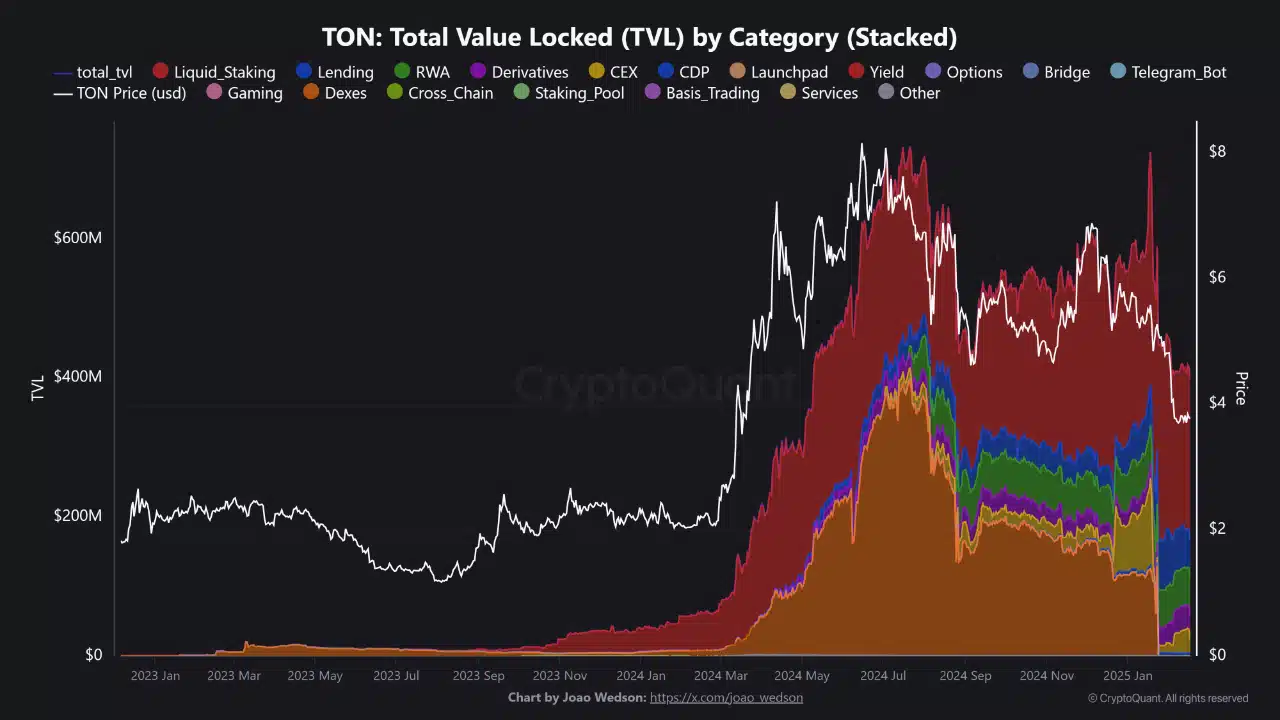
不过,值得注意的是,流动性质押(Liquid Staking)仍然占据 TVL 的重要份额,说明尽管整体锁仓资金减少,仍有大量资金流入更稳健的质押领域。

这一资金转移可能降低 DeFi 投资带来的价格波动,若 TVL 继续下降,TON 价格或因更多资金锁定在质押池中而趋于稳定。

投资者偏好转向“稳健收益”

数据显示,尽管 TVL 下降,但 Staking TVL Ratio(质押 TVL 占比)却持续上升,并创下新高。
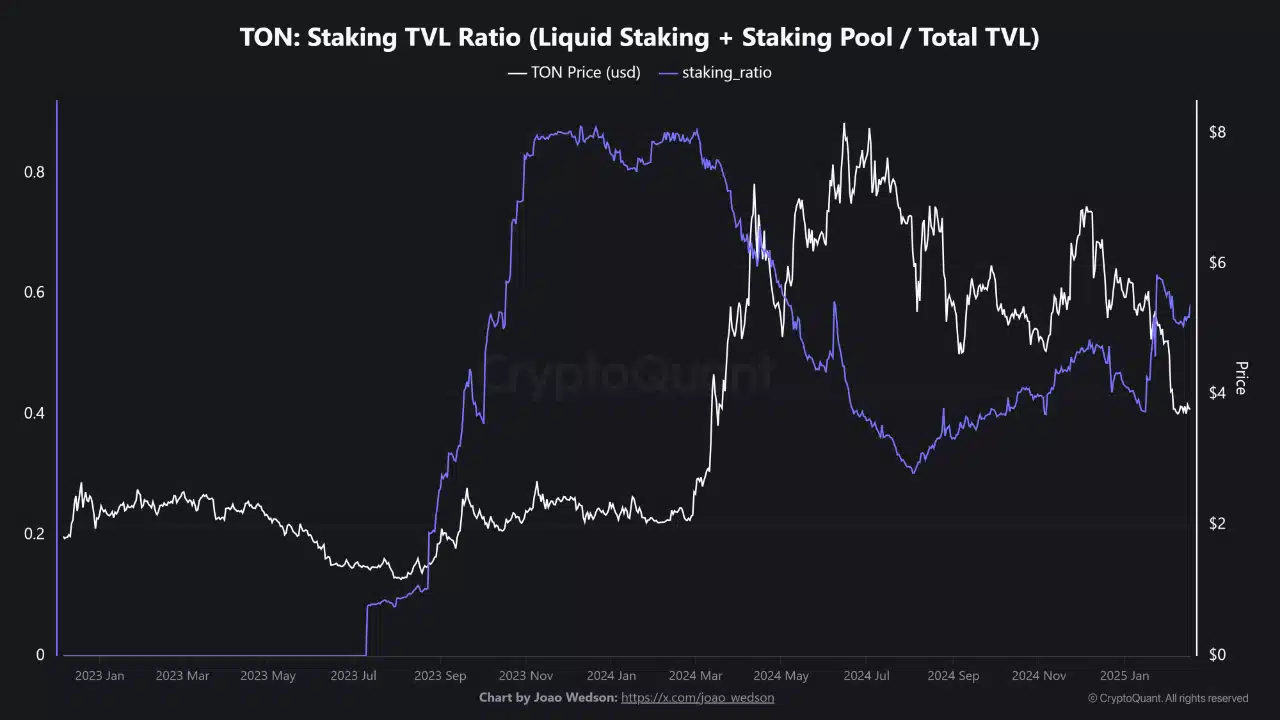
这一趋势表明,市场资金正逐步远离高风险 DeFi,转向质押收益模式。相比频繁交易的 DeFi,质押资金通常锁定时间较长,有助于减少市场抛压,增强价格稳定性。

随着质押比例提升,TON 价格可能趋向更稳定,甚至随着质押收益累积而逐步上涨。

市场炒作还是稳步增长?

从 2025 年 2 月中旬的数据来看,TON 交易所的净流入量(Netflows)曾出现大幅飙升,随后逐步回归稳定,表明当时的资金流动可能由市场炒作或特定事件引发。
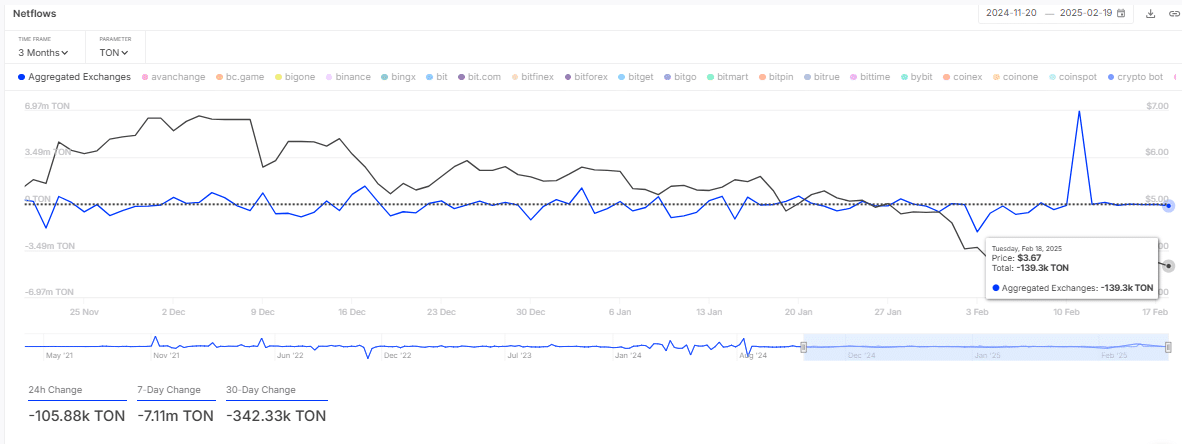
随着这一波资金流动被市场消化,TON 价格可能进入整理期,为未来上涨奠定基础。通常情况下,经历剧烈波动后的盘整期,可能成为新一轮上涨的起点。

活跃地址增长,生态健康发展

从 2024 年末至 2025 年,TON 活跃地址数量稳步增长,尤其是持有 TON 资产的钱包数量增加。
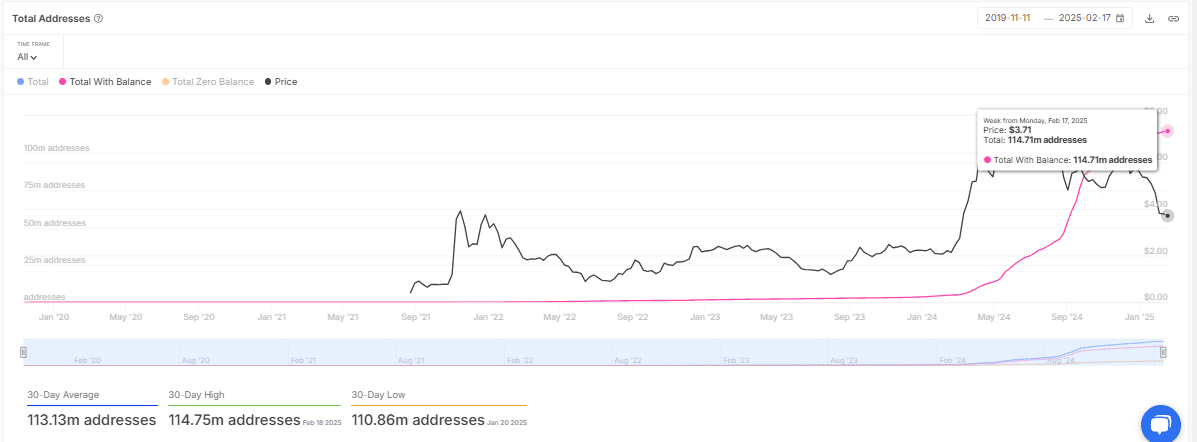
这一趋势表明,TON 生态内的用户参与度正在增强,与质押活动的增长趋势一致。更多的活跃地址通常意味着更健康的网络,可能推动 TON 的市场需求,并支撑价格上涨。

TON 生态进入新阶段?

尽管 TON 的 TVL 下降,但市场资金正逐步向稳定收益型的质押模式转移。加上活跃地址的增长,这表明 TON 可能进入 稳定发展+长期价值增长的阶段。

总结来看:

TVL 下降 但 质押资金占比提升,减少市场抛压

交易所资金流入后 市场趋于平稳,可能进入整理期

活跃地址增加,反映 TON 生态仍在扩张

未来,若质押参与度持续上升,TON 有望进入更稳定的上升趋势,甚至可能迎来新一轮涨势。市场值得密切关注!
İlgili Okumalar

MSTR Discloses Sale of 3,588 Bitcoins, Stock Price Drops Over 5% at One Point During Trading

MicroStrategy, the world's largest corporate holder of Bitcoin, has significantly shifted its business model. Between June 29 and July 5, the company sold 3,588 bitcoins for approximately $216 million to fund quarterly dividends for its preferred stock. This marks its largest-ever Bitcoin sale and signals a strategic pivot: Bitcoin is transitioning from a "buy-and-hold" reserve asset to a liquidity management tool for the company. This move follows a recent authorization allowing Bitcoin sales when equity fundraising is less attractive. The announcement contributed to a more than 5% intraday drop in MicroStrategy's stock price, while Bitcoin fell to around $61,800—below the company's average holding cost of roughly $75,700. The sale represents a major departure from MicroStrategy's long-standing "never sell" commitment, which saw its first minor breach in May with a $2.5 million sale. The latest, hundred-times-larger transaction underscores growing financial pressures. Analysts note the company faces about $1.5 billion in annual preferred dividend obligations, far exceeding cash flow from its software business. As of July 5, MicroStrategy holds 843,775 bitcoins. Its current operational logic involves buying Bitcoin during favorable financing conditions and selling portions to cover dividends when needed, creating a flexible capital management cycle amidst a challenging market environment.

华尔街日报6 saat önce

MSTR Discloses Sale of 3,588 Bitcoins, Stock Price Drops Over 5% at One Point During Trading

华尔街日报6 saat önce

Q-Day Countdown: Will Quantum Computing End Cryptocurrencies?

Quantum Computing's Threat to Cryptocurrency: A Countdown to Q-Day Quantum computing, specifically Shor's algorithm, poses a fundamental threat to the public-key cryptography (e.g., ECDSA, RSA) that secures blockchain networks like Bitcoin and Ethereum. This critical juncture, known as Q-Day, is estimated to occur potentially within the next 5-15 years. The core vulnerability stems from the public and immutable nature of blockchains. Assets in addresses where the public key is already exposed on-chain (e.g., spent outputs) are at direct risk, as a sufficiently powerful quantum computer could derive the private key. This threatens the very trust model of cryptocurrencies. The response lies in Post-Quantum Cryptography (PQC)—algorithms like lattice-based ML-DSA and hash-based SLH-DSA, which are resistant to quantum attacks. NIST has standardized key PQC algorithms (FIPS 203, 204, 205), providing a migration path. However, the primary challenge is not technical but socio-economic and involves complex governance: * **Bitcoin's** path is constrained by its conservative ethos. Migrating requires a soft-fork to new address types, facing hurdles like significantly larger signature sizes and, most critically, the divisive governance question of how to handle at-risk legacy UTXOs without violating core principles. * **Ethereum** is pursuing a "cryptographic agility" strategy, with a multi-layered roadmap. It leverages account abstraction for user accounts and is developing compressed hash-based signatures (e.g., leanXMSS) for its consensus layer, aiming for a full-stack upgrade over time. In conclusion, quantum computing does not spell an instant end for cryptocurrency but initiates a critical countdown. The industry has a limited "engineering comfort window" to orchestrate a coordinated, ecosystem-wide migration to PQC. The ultimate bottlenecks are the immense coordination efforts and governance decisions required for this foundational transition.

marsbit7 saat önce

Q-Day Countdown: Will Quantum Computing End Cryptocurrencies?

marsbit7 saat önce

Trump, the President Who Knows Best How to 'Trade Stocks'

Former US President Donald Trump reported a record-breaking $2.2 billion in personal income for 2025, the highest annual income ever disclosed by a sitting president. This figure, from a 927-page government ethics filing, represented a 3.5-fold increase from his $600 million income in 2024 and boosted his net worth to $6.5 billion. The primary drivers were cryptocurrency (64% of income, approximately $1.4 billion) and real estate (26%, approximately $575 million). His crypto earnings stemmed largely from the launch of his personal meme coin, $TRUMP, generating over $600 million in licensing fees, and substantial profits from the WLFI token and its parent company. Despite a sluggish property market, his Mar-a-Lago resort and associated golf clubs saw revenue surges of 50% and 27%, respectively, attributed to their use as venues for presidential events. Trump's financial disclosure also revealed an unprecedented level of stock market activity, with over 22,000 trades executed in 2025, averaging 87 trades per market day. Media analyses noted several instances where significant trading coincided with major policy announcements, such as proposed tariffs, raising questions about potential conflicts of interest. While the White House stated these trades were handled by a family-managed trust fund and not Trump directly, critics highlighted this as a departure from the blind trusts traditionally used by presidents post-Watergate. The report has intensified debate over the commercialization of the presidency. Supporters view it as a success story of a businessman-president, while critics argue it demonstrates an unprecedented conversion of public influence into private wealth, with policy decisions potentially linked to personal financial gains. The controversy centers on whether Trump's earnings represent innovative entrepreneurship or a fundamental conflict of interest, sparking renewed calls for stricter ethics reforms in US governance.

marsbit7 saat önce

Trump, the President Who Knows Best How to 'Trade Stocks'

marsbit7 saat önce

İşlemler

Spot
活动图片