Капитализация рынка сиба-ину выросла на 43%, вернув себе 11 миллиардов долларов после падения в сентябре

cryptonews.ru2024-06-18 tarihinde yayınlandı2024-10-18 tarihinde güncellendi

Сиба-ину — это мем-монета, которая вышла за рамки своего происхождения, превратившись из шуточного токена в ключевой актив в криптопространстве.

На момент написания статьи рыночная капитализация SHIB выросла до 11 миллиардов долларов, обогнав такие проекты, как Chainlink, Polkadot и Uniswap. Токен находится на 13-м месте, опережая Bitcoin Cash, 14-й токен, почти на 4 миллиарда долларов.

История рыночной капитализации сиба-ину

Между тем, последний скачок до 11 миллиардов долларов — это не самый большой скачок рыночной капитализации сиба-ину в истории. Фактически, ее рыночная капитализация снизилась более чем на 70% от своего исторического пика.

Для контекста, рыночная капитализация SHIB выросла до $37,81 млрд во время бычьего ралли 2021 года, так как его цена достигла исторического максимума в $0,00008845. Рост вывел Shiba Inu в первую десятку рейтинга криптовалют, обогнав Dogecoin на девятой позиции.

Примечательно, что Shiba Inu начал год на 17-м месте с рыночной капитализацией в $6 млрд. Тем не менее, SHIB вырос почти на 200% за несколько недель, чтобы снова войти в топ-10 рейтинга криптовалют в марте, ограничившись $19,3 млрд.

С тех пор рыночная капитализация SHIB снижалась вместе с его ценой, достигнув всего $7,5 млрд в сентябре. Между тем, он вырос более чем на 43% с этого минимума, в настоящее время торгуясь на одиннадцатизначном уровне.

Будущий ценовой прогноз

Поскольку рост рыночной капитализации является функцией восходящего тренда цены, аналитики предполагают новые максимумы для обоих показателей. Примечательно, что эти зрители рынка склонили как фундаментальный, так и технический анализ к продвижению SHIB на более высокие высоты.

В фундаментальном плане экосистема сиба-ину недавно произвела впечатление. Запуск Shibarium, решения для масштабирования уровня 2, обещает способствовать принятию.

Предстоящее обновление ShibaSwap и повышенная скорость сжигания распространили позитивные настроения по всей экосистеме. Следовательно, сообщество предвидело значительный рост цен в бычьем ралли.

Технически аналитик AJTrader предполагает, что восходящий тренд SHIB составит более 124% до $0,00004. Он отметил, что устойчивый тренд выше $0,00002 подтолкнет актив к этому ценовому уровню.

Кроме того, Crypto Sheriff утверждает, что сиба-ину достигнет трех целевых цен в этом цикле. Аналитик предсказал, что мем-монета с собачьей тематикой будет торговаться по $0,00002, превысит свой исторический максимум и будет торговаться по $0,0002, а затем поднимется до $0,001.

Между тем, цена SHIB значительно выросла за последнюю неделю, прибавив более 11%. На момент написания статьи токен торгуется по $0,00001883.
İlgili Okumalar

MSTR Discloses Sale of 3,588 Bitcoins, Stock Price Drops Over 5% at One Point During Trading

MicroStrategy, the world's largest corporate holder of Bitcoin, has significantly shifted its business model. Between June 29 and July 5, the company sold 3,588 bitcoins for approximately $216 million to fund quarterly dividends for its preferred stock. This marks its largest-ever Bitcoin sale and signals a strategic pivot: Bitcoin is transitioning from a "buy-and-hold" reserve asset to a liquidity management tool for the company. This move follows a recent authorization allowing Bitcoin sales when equity fundraising is less attractive. The announcement contributed to a more than 5% intraday drop in MicroStrategy's stock price, while Bitcoin fell to around $61,800—below the company's average holding cost of roughly $75,700. The sale represents a major departure from MicroStrategy's long-standing "never sell" commitment, which saw its first minor breach in May with a $2.5 million sale. The latest, hundred-times-larger transaction underscores growing financial pressures. Analysts note the company faces about $1.5 billion in annual preferred dividend obligations, far exceeding cash flow from its software business. As of July 5, MicroStrategy holds 843,775 bitcoins. Its current operational logic involves buying Bitcoin during favorable financing conditions and selling portions to cover dividends when needed, creating a flexible capital management cycle amidst a challenging market environment.

华尔街日报4 saat önce

MSTR Discloses Sale of 3,588 Bitcoins, Stock Price Drops Over 5% at One Point During Trading

华尔街日报4 saat önce

Q-Day Countdown: Will Quantum Computing End Cryptocurrencies?

Quantum Computing's Threat to Cryptocurrency: A Countdown to Q-Day Quantum computing, specifically Shor's algorithm, poses a fundamental threat to the public-key cryptography (e.g., ECDSA, RSA) that secures blockchain networks like Bitcoin and Ethereum. This critical juncture, known as Q-Day, is estimated to occur potentially within the next 5-15 years. The core vulnerability stems from the public and immutable nature of blockchains. Assets in addresses where the public key is already exposed on-chain (e.g., spent outputs) are at direct risk, as a sufficiently powerful quantum computer could derive the private key. This threatens the very trust model of cryptocurrencies. The response lies in Post-Quantum Cryptography (PQC)—algorithms like lattice-based ML-DSA and hash-based SLH-DSA, which are resistant to quantum attacks. NIST has standardized key PQC algorithms (FIPS 203, 204, 205), providing a migration path. However, the primary challenge is not technical but socio-economic and involves complex governance: * **Bitcoin's** path is constrained by its conservative ethos. Migrating requires a soft-fork to new address types, facing hurdles like significantly larger signature sizes and, most critically, the divisive governance question of how to handle at-risk legacy UTXOs without violating core principles. * **Ethereum** is pursuing a "cryptographic agility" strategy, with a multi-layered roadmap. It leverages account abstraction for user accounts and is developing compressed hash-based signatures (e.g., leanXMSS) for its consensus layer, aiming for a full-stack upgrade over time. In conclusion, quantum computing does not spell an instant end for cryptocurrency but initiates a critical countdown. The industry has a limited "engineering comfort window" to orchestrate a coordinated, ecosystem-wide migration to PQC. The ultimate bottlenecks are the immense coordination efforts and governance decisions required for this foundational transition.

marsbit5 saat önce

Q-Day Countdown: Will Quantum Computing End Cryptocurrencies?

marsbit5 saat önce

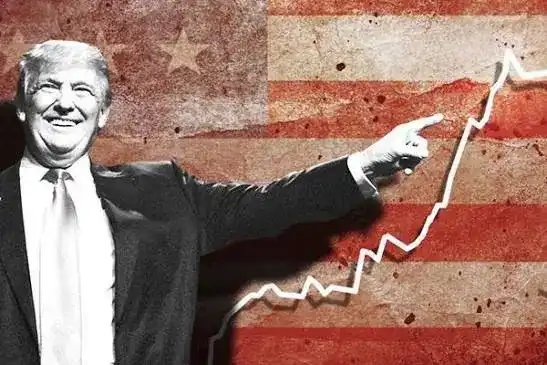
Trump, the President Who Knows Best How to 'Trade Stocks'

Former US President Donald Trump reported a record-breaking $2.2 billion in personal income for 2025, the highest annual income ever disclosed by a sitting president. This figure, from a 927-page government ethics filing, represented a 3.5-fold increase from his $600 million income in 2024 and boosted his net worth to $6.5 billion. The primary drivers were cryptocurrency (64% of income, approximately $1.4 billion) and real estate (26%, approximately $575 million). His crypto earnings stemmed largely from the launch of his personal meme coin, $TRUMP, generating over $600 million in licensing fees, and substantial profits from the WLFI token and its parent company. Despite a sluggish property market, his Mar-a-Lago resort and associated golf clubs saw revenue surges of 50% and 27%, respectively, attributed to their use as venues for presidential events. Trump's financial disclosure also revealed an unprecedented level of stock market activity, with over 22,000 trades executed in 2025, averaging 87 trades per market day. Media analyses noted several instances where significant trading coincided with major policy announcements, such as proposed tariffs, raising questions about potential conflicts of interest. While the White House stated these trades were handled by a family-managed trust fund and not Trump directly, critics highlighted this as a departure from the blind trusts traditionally used by presidents post-Watergate. The report has intensified debate over the commercialization of the presidency. Supporters view it as a success story of a businessman-president, while critics argue it demonstrates an unprecedented conversion of public influence into private wealth, with policy decisions potentially linked to personal financial gains. The controversy centers on whether Trump's earnings represent innovative entrepreneurship or a fundamental conflict of interest, sparking renewed calls for stricter ethics reforms in US governance.

marsbit5 saat önce

Trump, the President Who Knows Best How to 'Trade Stocks'

marsbit5 saat önce

Countdown to Q-Day: Will Quantum Computing End Cryptocurrencies?

The article explores the existential threat quantum computing poses to cryptocurrencies and the urgent need for "post-quantum" migration. It outlines that quantum computers, through Shor's algorithm, could break the elliptic-curve cryptography (ECC) underlying blockchain security, potentially allowing private keys to be derived from public keys. The core challenge is not a lack of post-quantum cryptography (PQC) standards—like NIST's ML-KEM and ML-DSA—but the immense complexity of upgrading entire ecosystems before "Q-Day" (when quantum computers become capable of such attacks, estimated around 2035-2045). Key points include: * **Bitcoin's** risk is concentrated in legacy UTXOs with exposed public keys (e.g., early P2PK outputs). Migration faces massive hurdles: PQC signatures are much larger, increasing transaction size and cost, and the governance dilemma of handling un-migrated assets threatens its "code is law" ethos. * **Ethereum's** strategy focuses on "cryptographic agility," using Account Abstraction for user accounts and developing compressed hash-based signatures (like leanXMSS with SNARK aggregation) for consensus. Its migration is a complex, full-stack overhaul of execution, consensus, and data layers. * The "security debt" is enormous. The comfortable engineering window for a coordinated, ecosystem-wide upgrade is only 5-8 years. High-value infrastructure (exchanges, bridges) may face pressure before mainnet protocols. In conclusion, quantum computing is not an instant "doomsday" event but a forcing function for systemic change. Bitcoin's ultimate test is social consensus and property rights governance, while Ethereum's is technical complexity. Failure to migrate in time could lead to a fundamental re-pricing of crypto assets.

链捕手5 saat önce

Countdown to Q-Day: Will Quantum Computing End Cryptocurrencies?

链捕手5 saat önce

İşlemler

Spot
活动图片