DeSci 龙头也整活,Pump.science 能玩好“生物科学 meme”吗

marsbit2024-09-29 tarihinde yayınlandı2024-09-30 tarihinde güncellendi

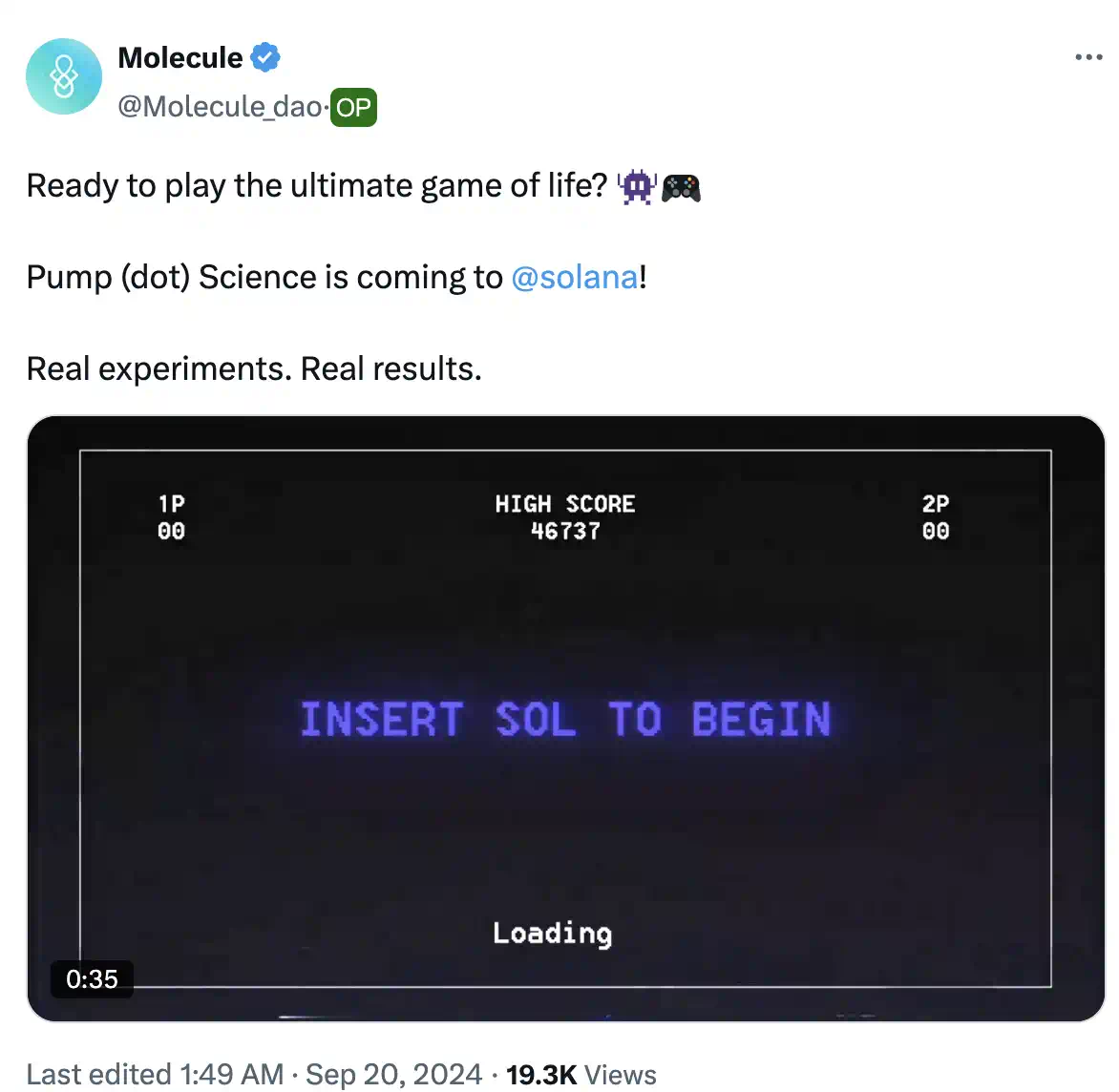
在 Token 2049 的 Solana Breakpoint 大会上,Solana 生态 Desci 平台 Molecule DAO 推出了一个新的 meme 发币平台 Pump.Science,相比于其他 meme 发币平台,Pump.science 特点不在于发币机制,医学研究者可以在 Pump.science 上提交药物研究提案,然后在将药品用在蠕虫上进行试验,并将试验结果传输到平台前端。在这个过程中,用户可以通过交易代表药物的 meme 币来参与试验过程。
用户

引入 meme 币“激励”药物研究

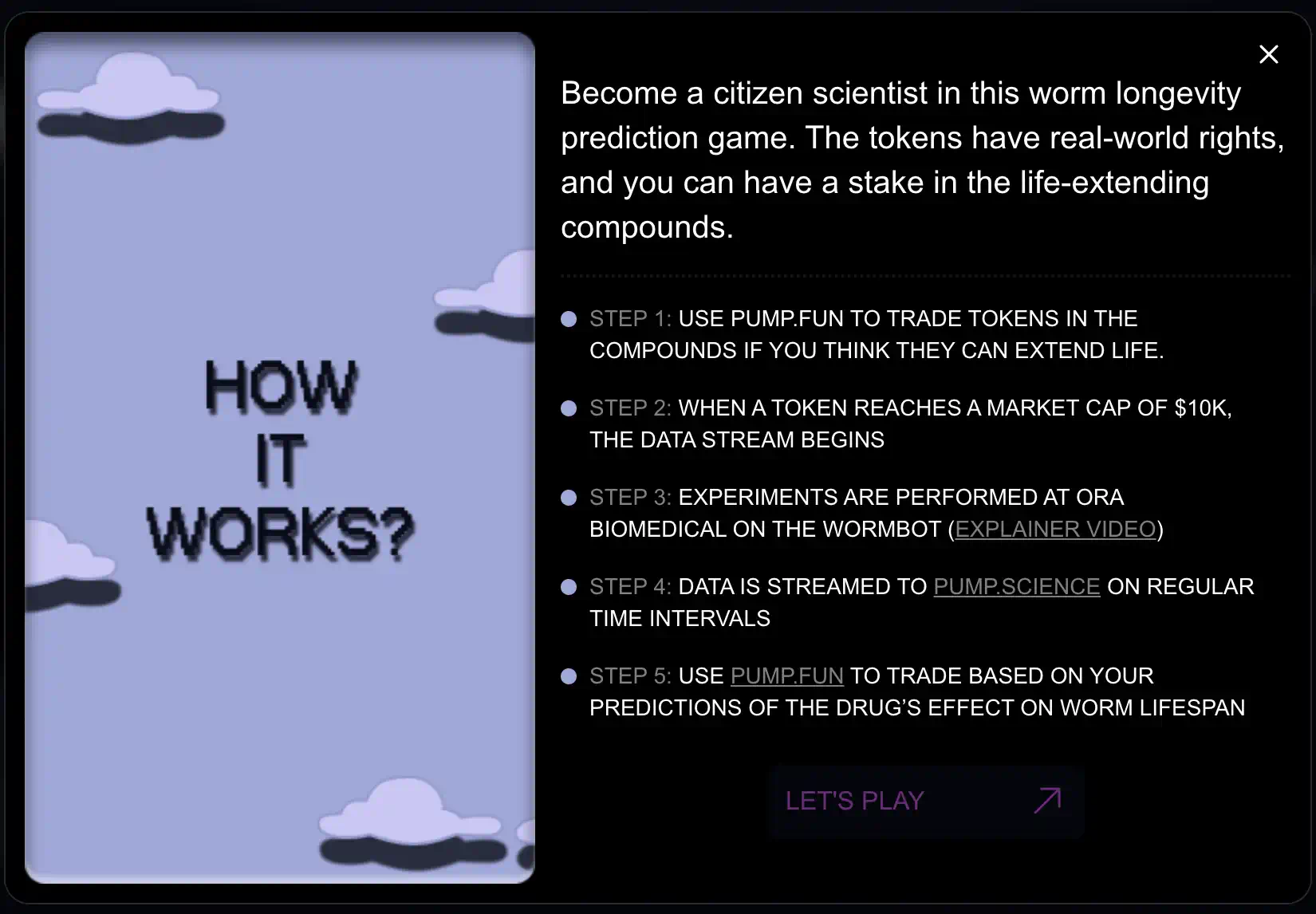
可以把 Pump.science 理解为一个基于代币的寿命延长实验预测游戏,Pump.science 会在 Pump.fun 上发行代表药品的 meme 代币,玩家可以直接进行交易,当市值达到 1 万美元后,医学研究组织 ORA Biomedical 将会把药物用在实验上,并把试验结果定期发布到 PUMP.SCIENCE 平台,在此基础上,玩家可以根据实验结果预测药物的效果、继续交易 meme 代币。
用户

进入 Pump.science 官方网站后,用户可以选择支持其他人提交的方案,购买相关代币。当某个代币的市值达到启动数额后,该药物会被运用到实验中。在这个过程中,用户可以实时查看实验数据,评估药物有效性。

Pump.science 通过引入药物实验预测机制,用户购买 meme 币相当于对某个药物进行投票,理想情况下,如果代币价格走势与药物试验数据表现实现同步变化,就能够为医学研究提供激励方案。将长寿研究游戏化。用户可以根据实验数据判断药物策略是否能够延长人类寿命,从而参与投资决策。
用户

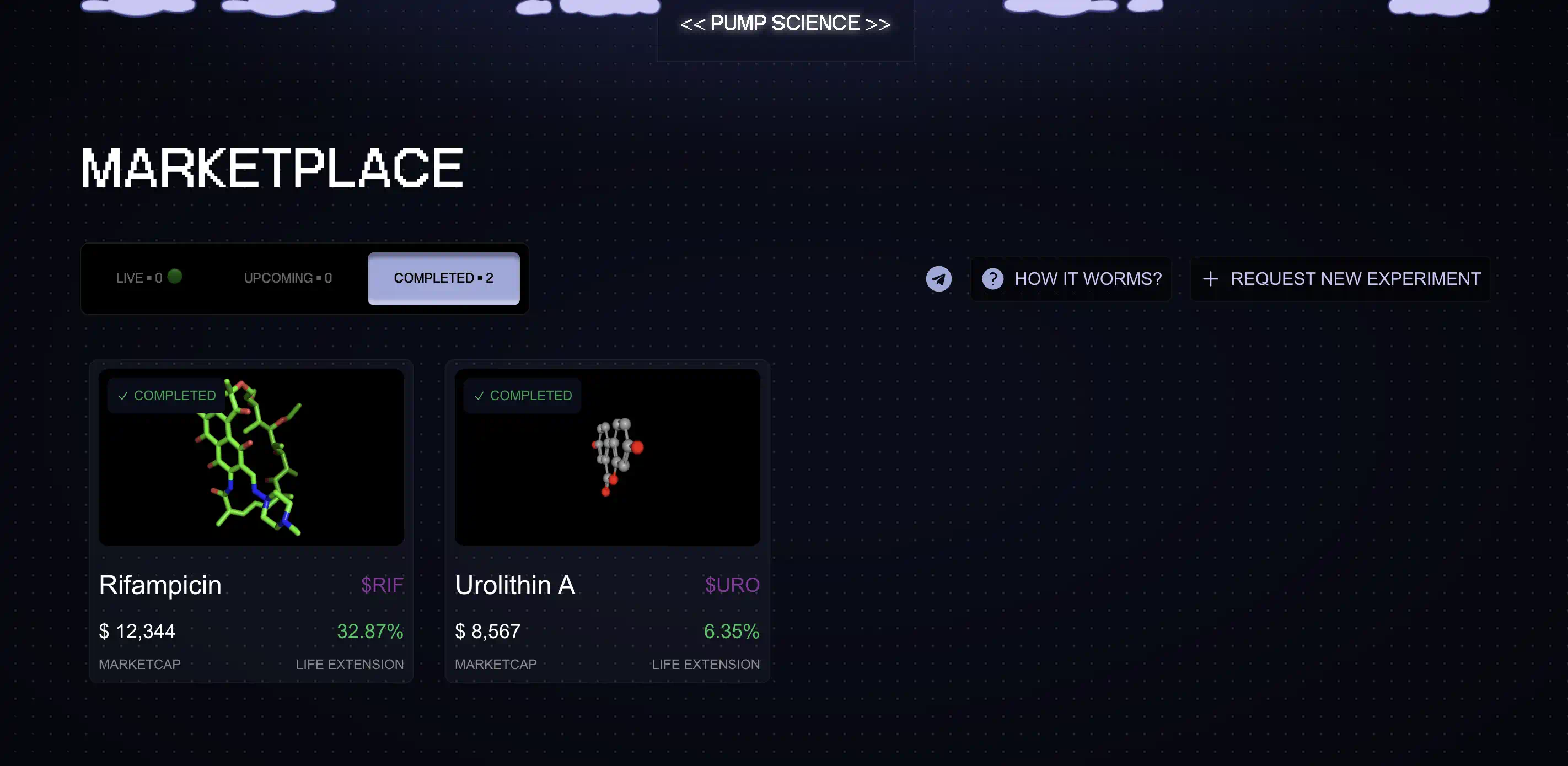
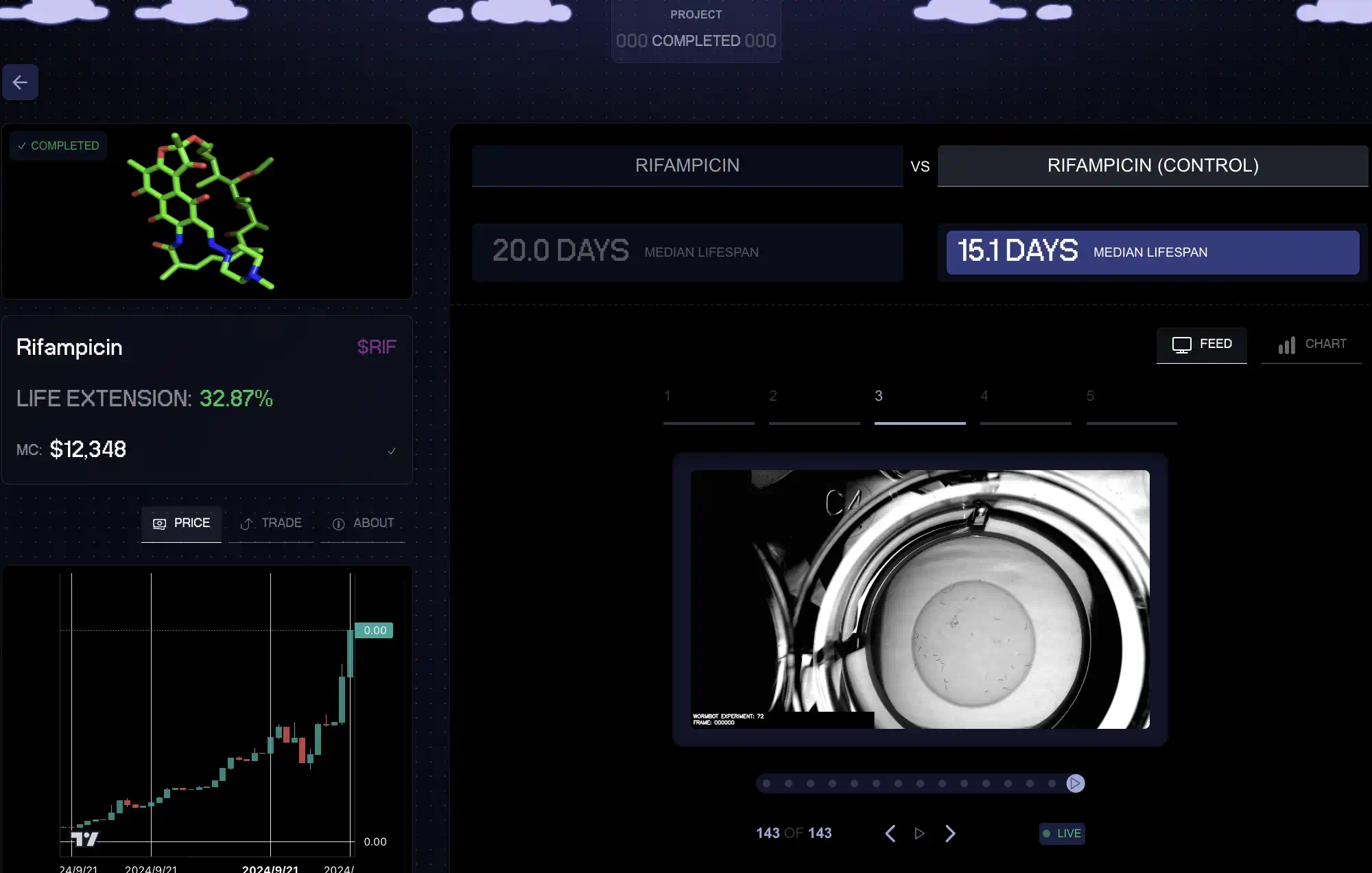
进入 Pump.science 界面,即可看到 Marketplace(市场)页面,展示了已经完成项目的实验效果和价格曲线,方便用户进行比较。点击其中一款实验项目 Rifampicin 后,系统展示了该化合物的实验结果与市场数据。与对照组蠕虫相比,Rifampicin 显示出 32.87% 的寿命延长效果,更高的「寿命延长百分比」(PLE)意味着更大的潜在收益,激励用户积极参与。
用户

在 Molecule DAO 看来,长寿研究方面正在面临与加密领域类似的挑战,包括成本、数据读取时间和数据质量等问题。对此,Molecule DAO 引入了一种医学实验机制,以寿命为 20 天的「线虫」作为实验对象,通过 meme 币交易来让普通用户参与到医学研究中,而研究人员也能够以更低的成本更快速地获得实验结果。

而这个 Wormbo 平台,是由 Matt Kaeberlein 和 Mitchell Lee 创立的 Ora Biomedical 开发的低成本、快速实验平台,专门用于以较低成本测试大量潜在的长寿疗法,将寿命为 20 天的线虫作为实验对象,非常适合生命健康实验的快速筛选与分析。

“Web3+科研”市场还会冷多久?

推出 Pump.Science 的 Molecule DAO 是由 Tyler Golato 和 Paul Kohlhaas 创立的一个生物技术研究筹款平台,它曾参投了开源药物研发组织 LabDAO,还获得过 Sora Ventures 100 美元的投资。

Molecule DAO 提出利用 IP-NFT 技术将知识产权与加密货币相结合,允许科研项目的所有权进行共享。Molecule DAO 的创始人 Golato 和 Kohlhaas 还创建过 Bio.xyz,专注于帮助 DeSci DAO 利用 IP-NFT 来资助、管理和开发全球大学知识产权的 DeSci 加速器。

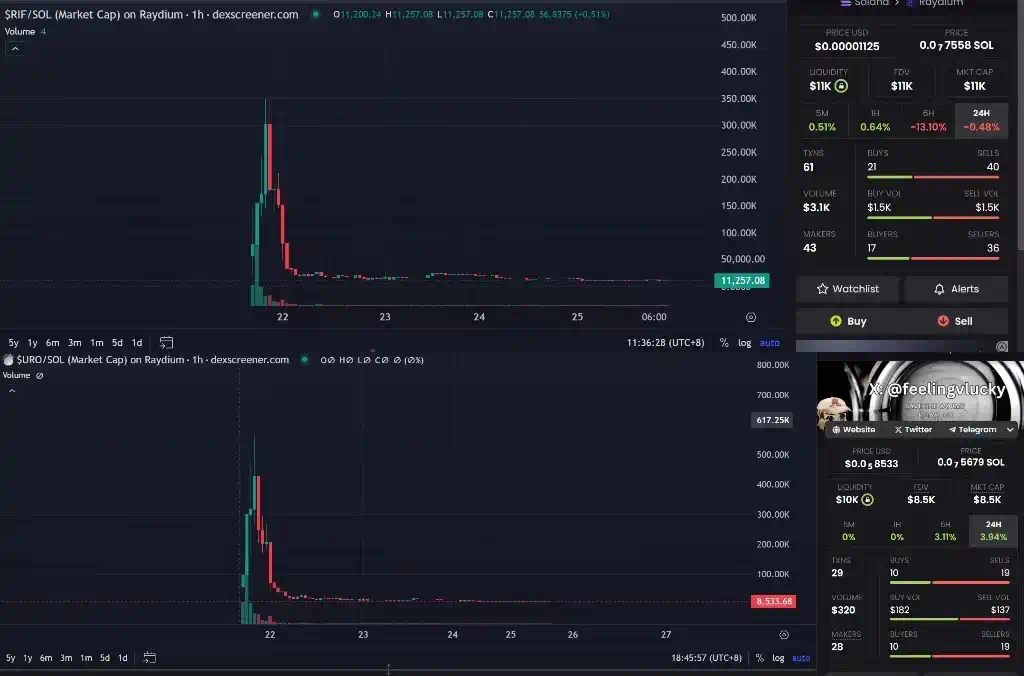
目前,Pump.Science 仅上线了两个代币,分别是尿石素($URO)和利福霉素($RIF),用户可以通过这两种代币参与实验结果的预测与交易。$RIF 代币和 $URO 代币在 9.21 日晚上线,两个代币上线后两个小时内涨幅 20 倍,但随即快速下跌超 90%,最近 24 小时内仅有 29 笔交易。
用户

推出 Pump.Science,算是 Molecule DAO 在道路上的又一探索,这一模式拓展了科研成果的商业化和资助渠道。但对于当下的交易者来说,偏好流动性更强的项目机制,相比于科研价值,知名度才是推动 meme 币的关键力量。因而 Pump.science 的市场反响不及预期,随着项目的进一步发展,未来可能会有更多代币上线,为用户带来更多选择和参与空间,Desci 的后续发展仍值得关注。


İlgili Okumalar

Retail Investors' 'Lead Brother' Serenity vs. Newly Minted Stock God Leopold: How Are the Two Top Hunters Mining AI's 'Physical Limits'?

The article profiles two prominent figures, Serenity and Leopold Aschenbrenner, who are gaining attention for their unconventional investment strategies focused on the physical constraints of the AI boom, moving beyond mainstream software narratives. Serenity, an anonymous online trader, advocates a "shiso leaf" theory. He targets small-cap companies with monopolies on critical, overlooked components in the AI hardware supply chain, such as specific semiconductor materials. His deep, technical analysis of bottlenecks in areas like co-packaged optics (CPO) has reportedly yielded massive returns, though his anonymity and focus on illiquid micro-cap stocks pose significant risks for followers. Leopold Aschenbrenner, a former OpenAI researcher, founded a multi-billion dollar hedge fund. His macro thesis argues that physical infrastructure—power grids, land, data centers—is the true bottleneck for AI growth, lagging far behind chip production. Consequently, his fund employs an infrastructure arbitrage strategy: heavily investing in storage and compute infrastructure companies while placing massive bearish bets (put options) against major semiconductor stocks, betting their valuations will correct as physical constraints become apparent. While their methods differ—Serenity drills into microscopic supply chain details, while Leopold takes a macroscopic, infrastructure-focused view—both share a core belief: the real power and investment alpha in the AI era lie in controlling scarce physical resources, not just software. The article concludes by noting the inherent risks in both approaches, such as liquidity issues for micro-caps and timing risks for macro bets, but suggests they signal a broader market re-evaluation of AI's foundational assets.

marsbit5 saat önce

Retail Investors' 'Lead Brother' Serenity vs. Newly Minted Stock God Leopold: How Are the Two Top Hunters Mining AI's 'Physical Limits'?

marsbit5 saat önce

Who Will Make Money in the Age of Agents?

In the Agents era of blockchain, traditional value capture theories face challenges. The "Fat Protocol" theory, dominant since 2016, suggested protocols capture most value as their tokens are essential for network use. However, the proliferation of interchangeable L1s, L2s, and modular layers has eroded protocol scarcity and pricing power. Conversely, the "Fat App" theory posits that applications capturing user relationships (like wallets and exchanges) become the primary value layer by controlling distribution and transaction flows. This aligns with the current "Great Repricing" cycle. Agents disrupt this logic. As software users, they lack brand loyalty, prioritize cost and efficiency, and switch between platforms seamlessly. This undermines the front-end UX moats that "Fat Apps" rely on. The article explores several potential futures: 1. **Headless Applications:** Current leading apps could strip their front-ends and become backend API infrastructure for Agents, preserving their role. 2. **Protocol Resurgence:** If integration becomes trivial, Agents might bypass aggregators and interact directly with protocols, reviving "Fat Protocol" dynamics. 3. **Pricing Power Collapse:** Agents' rational, frictionless routing could commoditize the entire stack, compressing margins toward cost and leaving little profit for intermediaries. 4. **Unprecedented Activity:** Agents may enable new, high-frequency, machine-to-machine economic activities, expanding the total value pie even if margins are thin. 5. **A New, Unnamed Model:** Historically, major tech shifts (like the internet's attention economy) create unforeseen business models. The Agents era may spawn entirely new ways to capture value. The most likely outcome is a coexistence where "Fat Apps" continue to serve human users valuing UX, while a separate, Agent-driven economy emerges governed by different rules—where loyalty is based on factors like liquidity, latency, and settlement guarantees rather than brand.

marsbit6 saat önce

Who Will Make Money in the Age of Agents?

marsbit6 saat önce

İşlemler

Spot
Futures

Popüler Makaleler

PUMP Nasıl Satın Alınır

HTX.com’a hoş geldiniz! Pump.fun (PUMP) satın alma işlemlerini basit ve kullanışlı bir hâle getirdik. Adım adım açıkladığımız rehberimizi takip ederek kripto yolculuğunuza başlayın. 1. Adım: HTX Hesabınızı OluşturunHTX'te ücretsiz bir hesap açmak için e-posta adresinizi veya telefon numaranızı kullanın. Sorunsuzca kaydolun ve tüm özelliklerin kilidini açın. Hesabımı Aç2. Adım: Kripto Satın Al Bölümüne Gidin ve Ödeme Yönteminizi SeçinKredi/Banka Kartı: Visa veya Mastercard'ınızı kullanarak anında Pump.fun (PUMP) satın alın.Bakiye: Sorunsuz bir şekilde işlem yapmak için HTX hesap bakiyenizdeki fonları kullanın.Üçüncü Taraflar: Kullanımı kolaylaştırmak için Google Pay ve Apple Pay gibi popüler ödeme yöntemlerini ekledik.P2P: HTX'teki diğer kullanıcılarla doğrudan işlem yapın.Borsa Dışı (OTC): Yatırımcılar için kişiye özel hizmetler ve rekabetçi döviz kurları sunuyoruz.3. Adım: Pump.fun (PUMP) Varlıklarınızı SaklayınPump.fun (PUMP) satın aldıktan sonra HTX hesabınızda saklayın. Alternatif olarak, blok zinciri transferi yoluyla başka bir yere gönderebilir veya diğer kripto para birimlerini takas etmek için kullanabilirsiniz.4. Adım: Pump.fun (PUMP) Varlıklarınızla İşlem YapınHTX'in spot piyasasında Pump.fun (PUMP) ile kolayca işlemler yapın.Hesabınıza erişin, işlem çiftinizi seçin, işlemlerinizi gerçekleştirin ve gerçek zamanlı olarak izleyin. Hem yeni başlayanlar hem de deneyimli yatırımcılar için kullanıcı dostu bir deneyim sunuyoruz.

304 Toplam GörüntülenmeYayınlanma 2024.12.12Güncellenme 2026.05.09

PUMP Nasıl Satın Alınır

Tartışmalar

HTX Topluluğuna hoş geldiniz. Burada, en son platform gelişmeleri hakkında bilgi sahibi olabilir ve profesyonel piyasa görüşlerine erişebilirsiniz. Kullanıcıların PUMP (PUMP) fiyatı hakkındaki görüşleri aşağıda sunulmaktadır.

活动图片