Arthur Hayes:Ordinals项目“傻瓜头”不是无聊的老套路

币界网2024-08-18 tarihinde yayınlandı2024-08-18 tarihinde güncellendi

币界网报道:

来源:Decrypt;作者: Andre Beganski;编译:比推BitpushNews Scott Liu

BitMEX联合创始人Arthur Hayes宣布推出比特币Ordinals系列的新项目Airhead(傻瓜头,如下图所示)正式进入比特币数字收藏品市场。

这批会大小变换的个人资料图片(PFP)包括10,000个类似NFT的资产,是与Oyl Wallet合作的产物。会本月早些时候推出,并于周四开始征集Airhead的潜在买家名单。该初创公司的投资者包括Hayes的家族办公室 Maelstrom

Hayes在接受 Decrypt 采访时说:"这不是简单地在比特币上发行NFT,而是一个完全不同的东西,它关注的是比特币用户真正关心的事。”

比特币Ordinals协议由开发者Casey Rodarmor在去年初推出,很快就为比特币基础上的收藏品市场注入了活力。而在今年四月,Rodarmor推出了Runes协议,与此同时,比特币的减半也推动了整个市场的变化。如今,Airhead利用所谓的递归铭文技术,赋予了这些数字角色目前在其他网络上无法实现的功能。
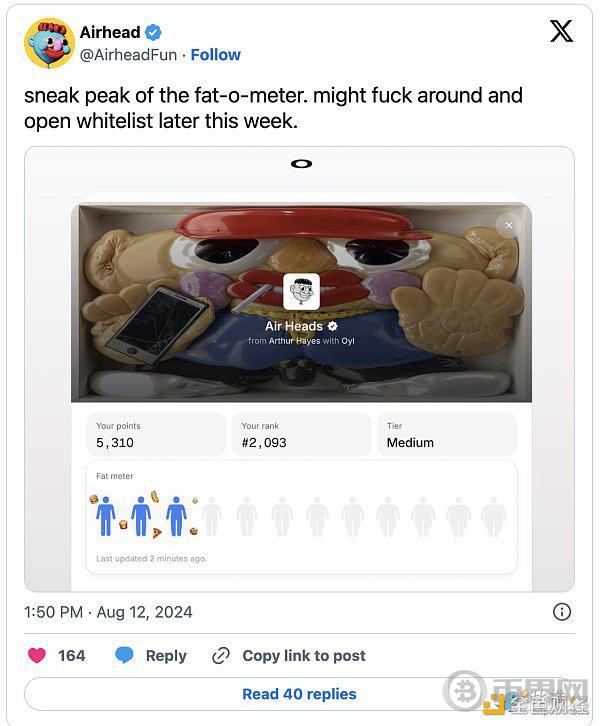
通过Airhead项目,Hayes希望能为数字艺术领域带来创新。基于Ordinals的功能,Airhead角色的身体会根据比特币钱包的价值而相应变大,给用户带来了新的体验。

Hayes强调:“我不想再经历另一次投放AI生成大头照了。我们已经做过很多次,太无聊了。”

支持 Airheads 视觉的技术与一个名为 Pizza Ninjas 的项目在比特币上创建游戏模拟器所使用的功能相同。去年,递归铭文也被用来在比特币上创建音乐引擎。从本质上讲,递归铭文通过从多个条目中获取数据,使比特币应用程序变得更加复杂。

Airhead项目在社交媒体上的推广内容介于讽刺与搞笑之间。项目创意总监兼Oyl的产品负责人Cole Jorissen表示,这个系列调侃了“身体自爱运动”。他说道:“我们正在使财富作为角色特征——胖意味着富有。”

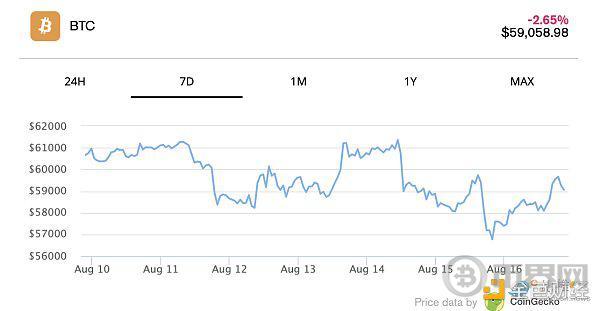
Hayes说,Ordinals吸引的受众与以太坊和Solana上的NFT不同,因为比特币在所有数字资产中拥有最大的市值和份额。他说,比特币的价格比其他币种更接近历史最高价,因此也会有更多人购买数字艺术品。

Hayes说:"当你亏钱的时候,你就不会投资数字艺术了。我认为Ordinals很特别,当比特币突破我们现在所处的这个区间时,它就会被收藏。”

根据CryptoSlam的数据,在过去一个月里,以太坊上已经交易了价值约1.28亿美元的NFT。相比之下,Solana的销售额为8900万美元,比特币的销售额为7000万美元,这意味着普及了NFT的以太坊网络仍然是行业的领头羊。
与此同时,Hayes 从长远的角度来看待 Ordinals。Hayes说,当最后一个比特币在2140年左右被挖出时,人们交易Ordinals的费用将有助于提高矿工的回报,同时激励他们保护网络安全。
İlgili Okumalar

Why Is No One Buying DeFi Insurance?

"Why DeFi Insurance Remains Unpurchased" explores the paradox of decentralized finance insurance. While DeFi insurance promises automatic, unbiased payouts via smart contracts—eliminating traditional insurers' denial practices—it struggles to attract users. The core issue is economic viability. Premiums are prohibitively high relative to the yields from DeFi protocols. For example, insuring a deposit on Aave or Maple Finance can consume most or even all of the annual yield, leaving returns comparable to or worse than traditional savings. Only the safest protocols, like MakerDAO, offer affordable premiums. Furthermore, the DeFi insurance model is structurally fragile. Unlike traditional insurance where risks are uncorrelated, DeFi risks are highly interconnected (e.g., oracle failures, bridge hacks). A single major exploit can simultaneously threaten multiple protocols, potentially bankrupting the entire insurance pool, which holds only millions against billions in total value locked. The governance model also creates a conflict of interest. In platforms like Nexus Mutual, token holders who vote on claims risk their own capital if payouts are approved, incentivizing denials. Consequently, the market is tiny and shrinking. Nexus Mutual dominates with $81.56 million in assets, but the industry lacks the capacity to cover a catastrophic event like the $292M Kelp DAO hack. Other providers have dwindled or shut down. The article concludes that DeFi insurance faces a "tragedy of the commons": its stability requires widespread adoption, but individual users have no incentive to pay for it, as premiums destroy their yields. Current solutions involve preventative measures like bug bounties and seeking external capital from traditional reinsurance, acknowledging that on-chain capital alone is insufficient to cover on-chain risks.

marsbit2 saat önce

Why Is No One Buying DeFi Insurance?

marsbit2 saat önce

İşlemler

Spot
活动图片