探索MPC钱包在DeFi中的安全性及应用

币界网2024-08-13 tarihinde yayınlandı2024-08-13 tarihinde güncellendi

币界网报道:

随着去中心化金融(DeFi)的迅速发展,MPC(多方计算)钱包在Web3用户中越来越受欢迎。本文将深入探讨MPC协议的适用场景以及如何安全使用MPC钱包,以帮助用户更好地理解和使用这一技术。

MPC钱包与智能合约钱包的对比

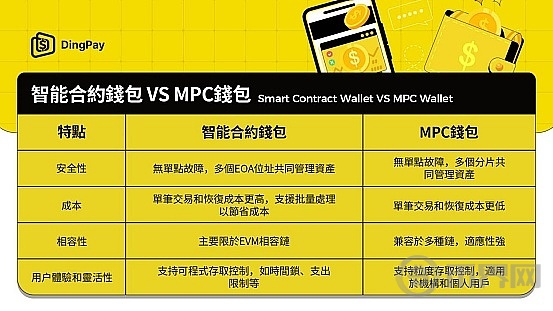
作为两大备受关注的非托管钱包,智能合约钱包(包括多签钱包)和MPC钱包各有优缺点。智能合约钱包凭借其可编程性和灵活性,吸引了许多去中心化社区用户的青睐,而MPC钱包则因其在兼容性、隐私性和低成本方面的优势,成为了机构客户的首选。
0aAJHUjHxRcAjCW4LgLo7k8RADi5EmCGdmcmKmNd.png 

在智能合约钱包中,用户可以定义不同的策略,如设置时间锁、支出限制和自动化执行等,提供了高度的灵活性和用户控制。然而,这种灵活性也带来了合约安全风险,特别是当智能合约未经过充分审计时。相比之下,MPC钱包利用分片技术,将资产管理分散到多个节点,从而消除了单点故障的风险。同时,MPC钱包在交易成本和恢复成本方面更具优势,且兼容多种区块链,适应性强。

增强MPC钱包的安全性方案

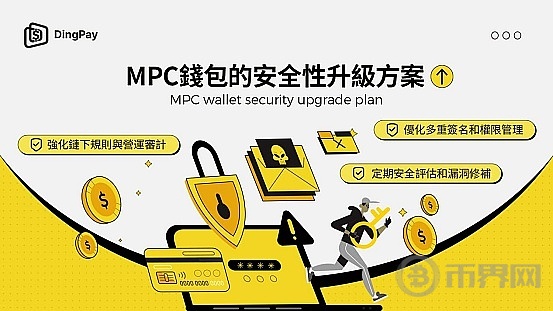
尽管MPC钱包在安全性方面表现出色,但仍需采取额外措施来确保其安全性。以下是一些增强MPC钱包安全性的建议:

1. 强化链下规则和运营审计:确保每个分片的操作都在严格的审计规则下进行,防止任何单个分片的恶意行为。通过链下规则的严格管理,可以大大提高系统的安全性和可靠性。

2. 多重签名和权限管理:引入多重签名和粒度权限控制,确保只有授权的操作才能进行。这不仅可以提高安全性,还可以为不同用户提供更精细的权限管理,满足不同场景的需求。

3. 定期安全评估和漏洞修补:定期对MPC协议和实现进行安全评估,及时修补漏洞,保持系统的安全性。通过不断的安全评估和改进,可以有效防范潜在的安全威胁。

这些措施可以帮助用户在使用MPC钱包时获得更高的安全保障,减少潜在的风险。
 TW8aZ6L64vKX8xBLPngdAWcnruP1ya4Q7zLWgI6m.png

MPC钱包与AMM的结合

MPC钱包可以与自动化市场制造者(AMM)结合,提供更高效和安全的交易体验。以下是MPC钱包与AMM结合的一些优势:

1. 提高交易隐私性:利用MPC的隐私保护特性,用户在AMM平台上的交易行为可以保持私密,防止交易策略泄露。MPC钱包的链下签名和密钥管理方式,使得交易过程更加隐秘,不易被外界监测。

2. 增强交易安全性:通过多重签名和分片管理,提高交易过程中的安全性,防止单点故障和恶意攻击。MPC钱包的分片技术,可以将交易签名分散到多个节点进行,进一步提高交易的安全性。

3. 优化交易成本:利用MPC的低交易成本特性,用户可以在AMM平台上以更低的成本进行频繁交易,提高交易效率。相比智能合约钱包,MPC钱包的交易成本更低,特别适合高频交易的场景。

结论

从上述对比中可以看出,MPC钱包和智能合约钱包各自解决了单点故障问题,提高了用户资产安全并降低了使用复杂度。MPC钱包以其兼容性、隐私性和低成本的优势,成为许多机构客户的首选方案,而智能合约钱包则在功能性、可编程性和公开透明性方面深受去中心化社区的喜爱。

通过强化安全措施和与AMM结合,MPC钱包在DeFi生态中的应用前景广阔,有望为用户提供更安全、高效和隐私保护的金融服务。通过持续的技术创新和改进,MPC钱包将在未来的区块链和DeFi生态中发挥越来越重要的作用。DingPay的MPC技术正在研发中,未来也将兼容智能合约钱包的优势,进一步提升用户体验和安全性。

İlgili Okumalar

Can You Really 'Get' Your Gold? The Custodial Geography Blind Spot Behind Tokenized Gold

The article challenges the common perception that tokenized gold is a globally uniform asset class, arguing that its true value and functionality are intrinsically tied to the physical location and legal jurisdiction where the underlying gold is stored. Unlike stablecoins, whose value is based on fungible financial assets like treasury bills, tokenized gold represents a legal claim to a specific physical asset in a specific location. This makes the geography of custody not a minor detail, but a core component of the asset itself. The price stability of a tokenized gold product is maintained not by technology, but by arbitrage mechanisms that require the efficient, low-cost redemption of physical gold. This arbitrage is only feasible if the gold is stored in the same region as the user, avoiding complex cross-border logistics, legal hurdles, and delays that can erase profit margins. Consequently, the credibility of a product's price peg depends on the efficiency of its local redemption infrastructure. The author posits that tokenized gold will not converge into a single global market but will instead become regionalized. For institutional users in places like Singapore or Hong Kong, gold stored locally—within their familiar legal, regulatory, and market infrastructure—is a fundamentally different and more usable asset than gold stored in London or Zurich. This local embeddedness is critical for practical uses like serving as collateral or passing regulatory audits. The central question for investors shifts from "Is this token backed by gold?" to "Can I actually *get* the gold when it matters?" The article concludes that the ultimate test of a tokenized gold product is not its stated backing but its practical accessibility within the user's own market and legal system during a crisis.

marsbit12 dk önce

Can You Really 'Get' Your Gold? The Custodial Geography Blind Spot Behind Tokenized Gold

marsbit12 dk önce

Summary of Kevin Warsh's Past Remarks: How Will This Prospective 'New Head' Upend the Fed?

Kevin Warsh, nominated by President Trump to replace Fed Chair Powell, is poised to introduce sweeping reforms at the Federal Reserve. His agenda includes structural changes, advocating for lower policy rates, a fundamentally new approach to inflation, a significantly smaller balance sheet, safeguarding Fed independence, narrowing the Fed’s mandate, improving coordination with the Treasury, and reducing communication “noise” from policymakers. Warsh has criticized current monetary policy as “broken” and called for “fundamental regime change,” arguing that continuity is meaningless when the Fed has lost credibility. He believes interest rates should be lower and that a smaller balance sheet would help achieve that, describing the current one as “multiple trillions of dollars larger than necessary.” On inflation, he attributes its rise to cognitive errors at the Fed—including overreliance on flawed models, neglect of money supply, and blaming external factors rather than excessive government spending. He also suggests AI could lead to a structural decline in prices. He strongly defends Fed independence as its “most important asset” and warns against mission creep, which he says risks its core objectives and increases political vulnerability. He proposes closer coordination with the Treasury to align balance sheet and debt issuance plans, clarifying expectations for markets. Regarding communication, Warsh supports transparency but criticizes the current “cacophony of voices” and “forward guidance” that creates ambiguity. He has urged Fed officials to speak less frequently to avoid market confusion.

marsbit43 dk önce

Summary of Kevin Warsh's Past Remarks: How Will This Prospective 'New Head' Upend the Fed?

marsbit43 dk önce

İşlemler

Spot
Futures
活动图片