星球日报 | Poloniex黑客事件已损失1.14亿美元;FTX破产顾问起诉Bybit要求追回9.53亿美元资产(11.13)

Odaily星球日报2023-11-13 tarihinde yayınlandı2023-11-13 tarihinde güncellendi

Özet

美英法德等 47 国承诺到 2027 年实施加密资产报告框架,以打击逃税行为

星球日报 | Poloniex黑客事件已损失1.14亿美元;FTX破产顾问起诉Bybit要求追回9.53亿美元资产(11.13)

头条

链上数据:Poloniex 黑客窃取了超 1.18 亿美元加密货币,其中 USDT 超 3270 万美元

Lookonchain 数据显示,Poloniex 黑客 2 小时前从以太坊和 Tron 总共窃取了约 1.18 亿美元的资产,具体分布如下: 3270 万美元 USDT; 443 枚 BTC,价值 1650 万美元; 6103 枚 ETH,价值 1270 万美元; 675 万枚 USDC; 5770 亿枚 SHIB,价值 474 万美元; 25.5 万亿 ELON,价值 415 万美元; 365 万枚 USDD; 1.97 亿枚 OX,价值 267 万美元。

FTX 破产顾问起诉 Bybit 要求追回 9.53 亿美元资产

FTX 破产顾问已于本周五在特拉华州法院起诉加密货币交易平台 Bybit Fintech Ltd 及其两家附属公司,要求追回价值约 9.53 亿美元的现金和加密资产,这些资产曾于 FTX 崩盘前从平台撤离。

诉讼称,Bybit 旗下投资部门 Mirana Corp. 拥有大多数 FTX 客户所没有的特殊 VIP 福利,并利用这些特权于 FTX 崩盘时将其大部分资产从 FTX 的平台上转移出去。在 FTX 的客户们排队等待提款时,Mirana 曾向 FTX 员工施压,要求满足其提款请求。

另一家同为被告的附属公司为 Time Research Ltd.。

加密货币

MicroStrategy 持仓比特币已浮盈超 12 亿美元

MicroStrategy 持仓比特币浮盈超 12 亿美元,其持仓成本价为 29586 USDT,共持有 158, 400 枚比特币,按比特币现价 37500 USDT 计算已浮盈 12.5 亿美元。 此前消息,MicroStrategy 官方发布了 2023 年第三季度财务报告,显示在十月份以 530 万美元的价格额外购买了 155 枚比特币。截至 2023 年 10 月 31 日,MicroStrategy 共持有 158, 400 枚比特币,总成本为 46.9 亿美元,即每枚比特币 29, 586 美元。

Scopescan:Poloniex 黑客花费 2280 万美元购买 TRX

Scopescan 监测显示,Poloniex 黑客在以太坊网络上用 USDC、在 Tron 网络上用 USDT,合计购买了 2.06 亿枚 TRX,价值约合 2280 万美元。

外媒:Bithumb 再次尝试 IPO,预计 2025 年下半年上市

Bithumb 运营商 Bithumb Korea 于上月底选定三星证券作为主承销商,并着手进行 IPO 工作,计划在 KOSDAQ 上市,目标上市日期预计在 2025 年下半年。Bithumb 拒绝就 IPO 计划置评,但表示确已选定承销商。 此外,前会长李政勋(音)正计划重返 Bithumb Holdings 的董事会,以加强管理。 需要注意的是,早在 2020 年 6 月有报道称,Bithumb 第二次尝试启动 IPO,并任命三星证券承销此次 IPO。

项目要闻

Vertex 公布代币经济学,代币 VRTX 总量 10 亿枚,早期用户激励占比 10% 

Vertex 在 X 平台发文表示,Vertex 公布代币经济学,共发行总量 10 亿枚代币 VRTX。具体分配比例为: 持续激励 24% ;空投 10% ;投资者 8.8% ;初始流动性 1% ;未来贡献者 5% ;生态系统支持 9% ;咨询方费用 0.5% ;协议金库 11.7% ;团队 20% 。

ether.fi:流动性质押代币 eETH 已上线主网,支持首批白名单用户铸币

非托管流动性质押平台 ether.fi 宣布其流动性质押代币 eETH 已上线主网。第一批白名单用户已经收到通知,并且能够铸造 eETH。 在接下来的几天里,团队将把更多用户列入白名单并发送通知。 此前 10 月消息,ether.fi 计划于 11 月 6 日发布主网。用户可先注册加入白名单,eETH 早期质押者将获得忠诚度积分,一旦再质押(restaking)服务上线,即可获得更高的质押奖励。 此外,ether.fi 表示计划重点关注与 DeFi 协议的集成,正在开展的合作伙伴包括 Balancer、Aura、Gravita ProtocolMaverick Protocol、Pendle 等协议。

Butter Finance 宣布停止发布,项目前景不明

Butter Finance 官方表示,贡献者发现 veCAKE 系统和激励模型对于 Butter 的是不切实际的。由于这一问题,Butter Finance 已决定停止发布。 本月 2 日,Butter Finance 还曾向用户表示,Butter Finance 即将推出且会成为“揭开 DeFi 下一阶段的构建模块”。 Butter Finance 是为 Pancakeswap 打造的 veCAKE 模块及去中心化治理和收益提升平台。

投融资

Galactic Holdings 完成 625 万美元 A 轮融资,Galaxy Interactive 和 Dragonfly 领投

拉美数字金融企业 Galactic Holdings 宣布近日完成 A 轮融资,总金额达到 625 万美元。此次融资由 Galaxy Interactive 和 Dragonfly 领投,SHK 等多家机构参与。资金注入将进一步推动 Galactic Holdings 旗下的 TruBit 钱包、TruBit Pro 交易所以及墨西哥稳定币 MMXN 等子品牌在拉丁美洲市场发展,同时加速跨境支付服务在其他国家的拓展。 目前,TruBit 已成功打通墨西哥、阿根廷、巴西等三大法币的合规通道,为用户提供直接通过银行转账进行买卖加密货币的服务;公司还推出了万事达加密货币预付卡,涵盖本地和跨境支付、现货和合约交易,以及大额场外交易等全方位的数字金融解决方案。(Cointelegraph) 此前 4 月消息,Galactic Holdings 宣布完成 1, 000 万美元的 Pre-A 轮融资。本轮由 BAI Capital 领投,Animoca Brands、Y 2 Z Ventures、Longling Capital、Head & Shoulders、TKX Digital Group、Perseverance Capital 和 Palm Drive Capital 等参投。

加密分析公司 Block Scholes 完成 330 万美元融资,CoinSwitch 等参投

加密分析公司 Block Scholes 完成 330 万美元融资,Record PLC、Investcorp、Dair Capital、Saison Capital、CoinSwitch、FunFair Ventures 等参投。 Block Scholes 于 2021 年推出,此轮融资资金将用于扩大团队和开发产品。Block Scholes 表示,已向对冲基金、银行和交易所等机构提供加密数据服务。

数字货币跨境转账公司 Almond FinTech 融资 700 万美元

连接法币和数字货币的B2B技术公司 Almond FinTech 宣布完成 700 万美元的新一轮融资。该融资将用于扩大 Almond 在亚洲、美洲和非洲的业务。 据介绍,Almond 专有的结算优化引擎(SOE)跟踪数百种数字货币和区块链,以确定国际转账的最佳路线,确保低成本和高效率。Almond 最近获得了 SOC 2 Type 1 认证。 除了跨境交易,Almond 还为客户提供了一个信用评分平台,该平台由行为分析驱动,为具有非常规或有限信用历史的社区提供贷款。

监管政策

美英法德等 47 国承诺到 2027 年实施加密资产报告框架,以打击逃税行为

美国、英国、澳大利亚、巴西、加拿大、法国、德国、希腊、意大利、日本、韩国、瑞士等 47 个国家已承诺到 2027 年授权实施加密资产报告框架(CARF),这是税务机关之间自动交换信息的新国际标准;并将纳入其国内法律体系,以提高确保税收合规和打击逃税的能力。 这些国家在发布的联合声明中还邀请其他司法管辖区加入,以加强全球自动信息交换系统,打击逃税行为。(Cointelegraph) 此前 2022 年 10 月消息,经济合作与发展组织(OECD)发布其新的全球税收透明度框架,即加密资产报告框架(CARF),以提供有关加密资产的报告和信息交换。 CARF 规定加密资产公司必须在其开展业务的国家进行相关报告。相关加密资产和法定货币之间的交易,以及一种或多种加密货币之间的交易和加密货币的转移(包括零售支付交易),将需要报告。

欧盟议会批准要求智能合约需具备终止设计的数据法案,或使智能合约违法

欧盟议会批准了要求智能合约需具备终止设计的数据法案,该条款可能使大多数智能合约非法。这项立法现在需要得到欧洲理事会的正式批准,该机构由 27 个成员国的国家元首组成。 据 CoinDesk 审查,该法案有一项规定,要求自动数据共享协议能够安全终止,包括智能合约。与区块链有关的组织,如 StellarPolygonNEAR 和 Cardano 在一封公开信中表达了他们的担忧。

人物*声音

NEO 创始人达鸿飞:NEO 未参与 NEO/GAS 的买卖活动

Neo 创始人达鸿飞在 Discord 中表示,“自己无权评论他人的投资选择,但可以确认在过去几个月以及公司成立以来,由于具有内部信息优势,NEO Global Development(NGD)和 NEO Foundation(NF)未参与 NEO/GAS 的买卖活动,除了用于正常运营费用的支出。”

CZ:某客户高管被诱骗到黑山并损失约 1250 万 USDT,已成功冻结约 1180 万美元

CZ 在 X 平台发文表示,一位客户的高管被诱骗到黑山出差,在那里被绑架并被迫掏空钱包,总损失约 1250 万美元,币安调查了链上活动,并于今天早些时候联系合作伙伴冻结了钱包,因为所有资金都以 USDT 形式转移到 Tron 钱包中,已成功冻结 1250 万美元中的约 1180 万美元。 此前消息,某余额超 1186 万枚 USDT 的 Tron 地址被冻结。

İlgili Okumalar

U.S. Government Bans Foreign Nationals from Using Fable 5, Anthropic Issues Rebuttal

U.S. Government Bans Foreign Access to Fable 5, Anthropic Issues Rebuttal On June 12th, the U.S. government ordered AI company Anthropic to immediately suspend all foreign access—including foreign nationals within the U.S. and Anthropic's own foreign employees—to its newly released Fable 5 and Mythos 5 AI models, citing national security concerns. This forced Anthropic to temporarily disable access to both models for all users globally, as it cannot technically differentiate user nationality at scale. The models, released just three days prior, represent Anthropic's highest public capability tier. Fable 5 is the first publicly available model from the advanced "Mythos" family, while Mythos 5 is a less-restricted version for approved cybersecurity and critical infrastructure partners. The government's directive was reportedly triggered by claims from another company that it could "jailbreak" Mythos 5, raising alarm within the Trump administration. Anthropic, in a detailed public statement, strongly challenged this rationale. The company argues the demonstrated "jailbreak" is a narrow, non-generalized technique that merely involves identifying minor, known software vulnerabilities—a capability common to other publicly available models like OpenAI's GPT-5.5 and routinely used by cybersecurity defenders. Anthropic stated it has complied with the order but disagrees with the government's standard, warning that applying it industry-wide would halt all new frontier model deployments. The company criticized the lack of a transparent, fact-based legal process and expressed confidence the situation stems from a misunderstanding. It is working to restore access and will release more technical details within 24 hours. Other Anthropic models remain unaffected.

链捕手8 dk önce

U.S. Government Bans Foreign Nationals from Using Fable 5, Anthropic Issues Rebuttal

链捕手8 dk önce

The Revelation from the Raydium Theft Incident: New DeFi Vulnerabilities Lurking in Forgotten Old Contracts

**Raydium Exploit Reveals DeFi's Hidden Risk: Forgotten "Zombie" Contracts** A recent attack on Raydium's deprecated V3 AMM pools resulted in a loss of approximately $1.34 million. The hacker exploited pools that were no longer supported by Raydium's current UI or SDK but remained fully functional and accessible on-chain. This incident highlights a critical, often overlooked category of risk in DeFi: inactive or legacy smart contracts that projects fail to properly decommission. Since March 2025, there have been at least 8 publicly reported attacks targeting such abandoned contracts, with total losses around $10.8 million. Including older pools and deprecated features, the count rises to 10 incidents with roughly $22.5 million in losses. These "zombie contracts" represent a lifecycle management failure rather than a code vulnerability, yet they are typically misclassified under general "code bug" categories in security reports, masking the true scale of the problem. The root cause is that projects often merely document a contract as "deprecated" without taking essential technical steps to secure it: withdrawing remaining assets, disabling external call functions, and implementing ongoing monitoring. These forgotten, under-monitored components become prime targets for attackers. To address this, the industry needs to recognize "zombie contracts" as a distinct risk category and establish standardized decommissioning protocols. Essential steps should include: 1) a formal retirement announcement, 2) removal of all front-end integrations, 3) withdrawal of locked assets, 4) disabling key contract functions, 5) ongoing security monitoring, 6) clear user communication, and 7) a post-mortem analysis. The value of a DeFi project lies not only in its current TVL but also in the security of its historical codebase, which has now become a new attack surface.

Foresight News1 saat önce

The Revelation from the Raydium Theft Incident: New DeFi Vulnerabilities Lurking in Forgotten Old Contracts

Foresight News1 saat önce

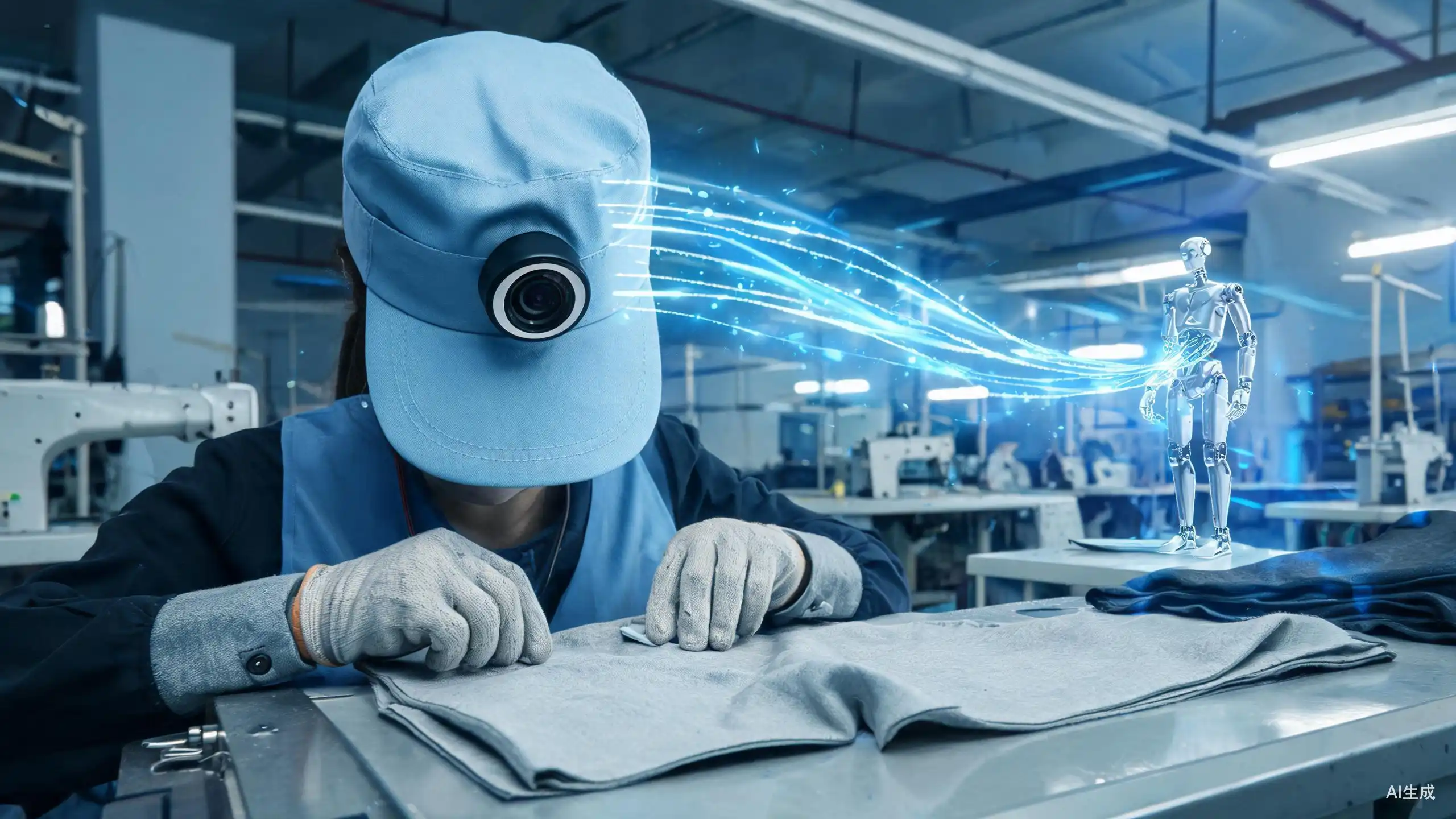
Robots Begin to 'Consume Data': The Hidden Production Chain from Indian Data Factories to Billion-Dollar Humanoid Robots

Robots have started to 'consume data,' driving the formation of a new industrial supply chain focused on producing training data for embodied AI. Unlike large language models, which are trained on vast internet text corpora, embodied AI models face a 'data desert' in the physical world. This has created a massive demand for first-person perspective video data (Ego Data), captured by workers wearing cameras in places like Indian garment factories. Companies like Neocambrian AI are establishing 'data factories' where workers perform standardized tasks (e.g., sorting clothes, kitchen organization) to generate thousands of hours of video. Research, such as NVIDIA's EgoScale, demonstrates that scaling this human demonstration data predictably improves robot performance, particularly for dexterous manipulation. This has validated a training path combining large-scale human data for pre-training with smaller amounts of robot-specific data for fine-tuning. The value of different data types varies significantly, forming a 'data pyramid.' The base consists of low-cost, large-scale internet and Ego Data. Higher layers include more expensive motion-capture data (e.g., from data gloves), simulation/synthetic data, and the most costly and scarce layer: real robot teleoperation data. This demand has spawned a layered ecosystem of data suppliers: low-cost data factories, motion capture and alignment specialists, robot-native teleoperation service providers, simulation data companies, and platforms aiming for data standardization. Robot companies themselves are adopting a 'layered procurement' strategy: outsourcing generic Ego Data while building in-house capabilities for robot-specific adaptation data and the critical deployment/failure data generated in real-world applications. The industry is shifting focus from hardware and basic mobility to the data pipelines required for general-purpose capability. While parallels exist to data labeling companies like Scale AI in the LLM boom, the physical complexity of robot data—involving action success ambiguity and sim-to-real gaps—requires more integrated solutions for data collection, annotation, and a continuous feedback loop. The race is on to build the data engines that will teach robots to operate reliably in the unstructured real world.

marsbit4 saat önce

Robots Begin to 'Consume Data': The Hidden Production Chain from Indian Data Factories to Billion-Dollar Humanoid Robots

marsbit4 saat önce

İşlemler

Spot
Futures
活动图片