EMC Labs十月简报:如期突破,后市BTC大概率沿通道震荡上行

Odaily星球日报2023-11-02 tarihinde yayınlandı2023-11-02 tarihinde güncellendi

Özet

10 月稳定币净流入达 9 亿美元。在链上数据持续向好情况下,新增资金成为 BTC 突破箱体压制创下反弹新高的驱动力。

原文来源: EMC Labs

本报告所提及市场、项目、币种等资讯、观点及判断,仅供参考,不构成任何投资建议。  

EMC Labs十月简报:如期突破,后市BTC大概率沿通道震荡上行

宏观市场

金秋十月,深谙周期罔替且坚定持有的人们欣慰地迎来丰美收获!

在漫长的暧昧与震荡之后,现货 ETF 预期刺激下,BTC 冲出压制长达半年之久的震荡箱体,以高达 28.54% 的月度涨幅重返上行通道,继续修复期征程。

EMC Labs 在「九月简报:否极泰来,BTC Q4或将再次挑战年内高点 32000 美元」中判断,Q4多军将推动 BTC 突破前高 32000 美元。如今,这一预言在第一个月即已为市场兑现。市场走势之凌厉,出乎意料。

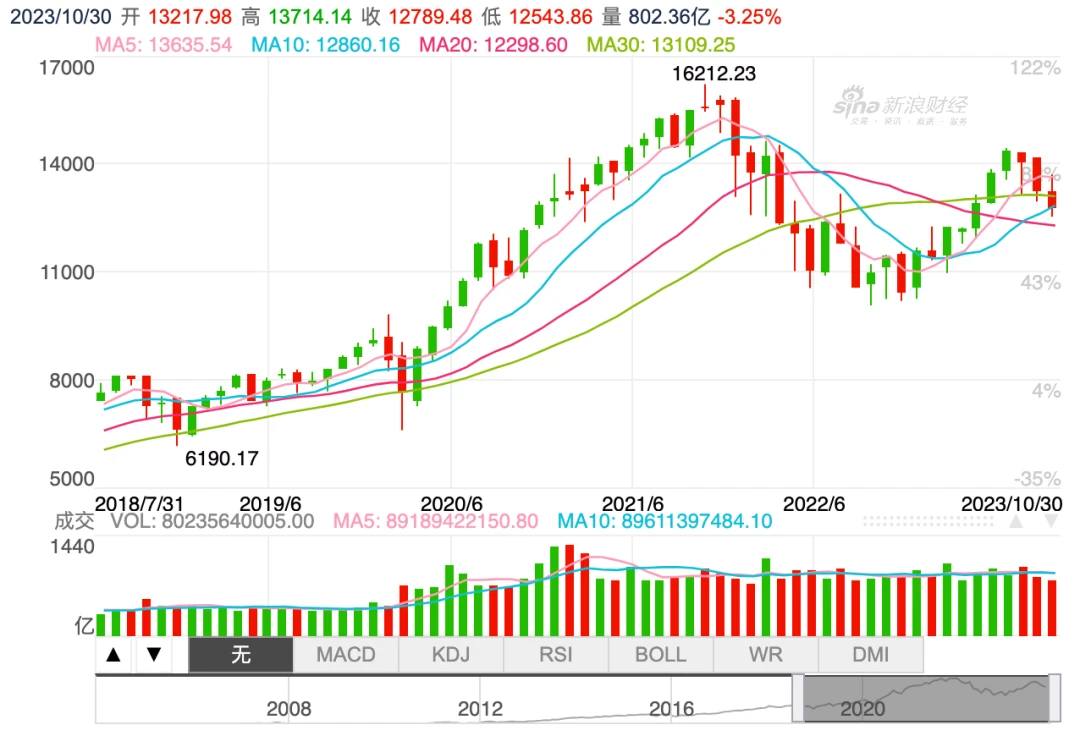
而全球宏观金融市场却并不乐观。纳指继 9 月出现全年最大月度跌幅之后, 10 月再降 3.25% 。11 月不见加息, 12 月会否加息仍存悬念,加之美国经济衰退的论调压力,导致纳指在 AI 炒作热潮消退后连续 3 个月下行,今年以来的反弹升势告一段落。宏观金融市场观望气息凝重。EMC Labs十月简报:如期突破,后市BTC大概率沿通道震荡上行

NASDAQ 月线走势

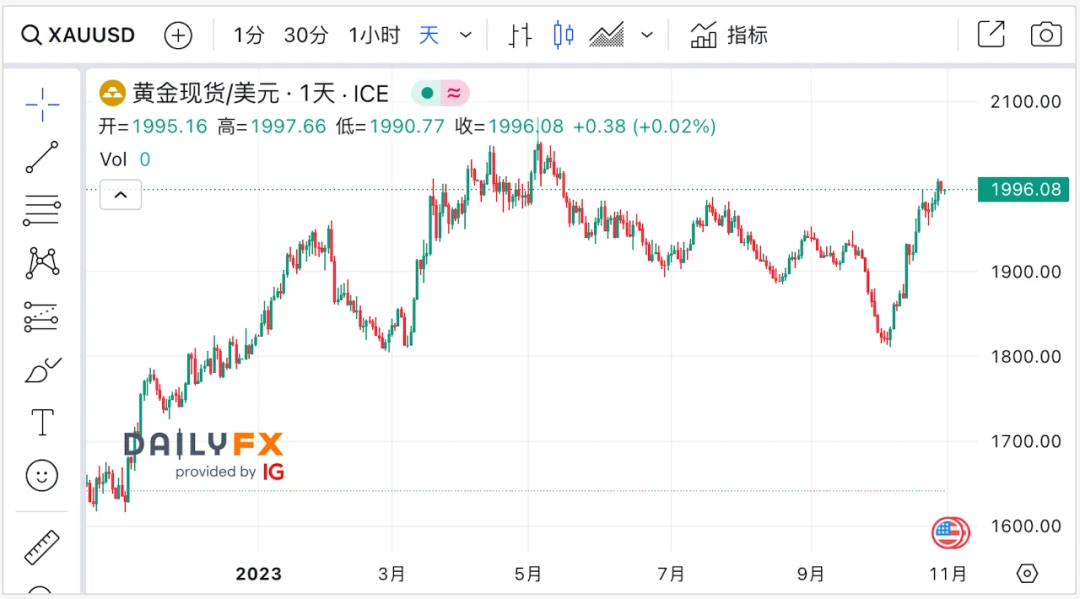
前景不明,场内资金选择进入“黄金”避险,推动黄金价格大涨 8% ,逼近历史高位。
EMC Labs十月简报:如期突破,后市BTC大概率沿通道震荡上行

黄金价格日线走势

相比之下, 9 月止跌微涨的加密市场在 10 月走出突破行情,放量上涨一举突破困扰市场半年之久的震荡箱体上沿 32000 美元,将价格推进至 35000 美元一线。

依 Emergence Engine 信号,本轮周期的修复期自 1 月开始,截止目前行进 10 个月,共计 7 个月录得上涨。在这 7 个月之中, 10 月涨幅仅次于绝地反弹的 1 月,是今年第二大涨幅月。放量大幅上涨,表明多军对于突破箱体压制,意志坚定,饱含激情。

EMC Labs十月简报:如期突破,后市BTC大概率沿通道震荡上行

BTC 月线走势

暴涨背后,月度 9 亿美元的稳定币流入是直接原因。9 亿美元虽然不多,却是今年以来唯一一个正流入的月份。或许意味着场外资金的态度正在发生改变。

10 月 BTC 的市场表现,充分印证 EMC Labs“在强劲的链上数据支撑下,市场一旦重现资金流入便会急速上涨”的判断。

本月,BTC 修复期“由短入长”的趋势依然在继续,但随着币价上涨,有放缓迹象。短期大涨,引发了长短手们的一波抛售潮,目前抛售已告一段落。但盈利规模依然巨大,成为目前影响价格波动的势能因素。

链上数据在 10 月出现恶化,暴涨之后得到修复,后市应该持续谨慎观察。

综合多维因素,EMC Labs 认为:修复期趋势持续, 10 月兑现了我们此前的判断, 11 ~ 12 月,市场将在多空分歧中沿上升通道震荡上行。

加密市场

10 月,BTC 开于 26961 美元,收于 34656 美元,涨幅 28.54% ,振幅 32.03% 。EMC Labs十月简报:如期突破,后市BTC大概率沿通道震荡上行

BTC 日线走势

从技术指标来看, 10 月亦是收获满满的一月。

今年 BTC 在 3 月中旬之后便进入箱体结构(上图紫色区域)之中,箱体下沿 25000 美元,上沿 32000 美元。及至 10 月 23 日突破上沿,BTC 在箱体结构里震荡了 6 个多月计 180 多天,期间 4 月 7 月两次冲击上沿无功而返, 6 月 8 月 9 月持续试探下沿支撑。其中, 8 ~ 9 月跌破年初以来的上升通道(上图蓝色区域)。

这期间大部分卖出筹码来自短手巨鲸。

9 月简报中,我们指出 8 ~ 9 月的下探考验时间非常充裕。9 月底市场开始尝试向上,并在 10 月上半月再次进行支撑测试,最终在 15 日开启狂暴上涨模式,在 11 个交易日内将价格由 26000 美元推高至 35000 美元。

16、 23、 24 几个关键突破日均出现大幅放量,表明做多资金艺高人胆大,生吃空军后拒绝回调,而是在高位等待均线上移,料后市调整后会继续上冲。

资金供给

今年以来,我们观测到链上数据的持续向好,犹如柴垛越来越干,然而狂暴上行的爆发不只依靠柴垛的脱水(内因),还要考量点燃的火焰(外因)。

现在,我们聚焦稳定币的供给,审视外因。

EMC Labs十月简报:如期突破,后市BTC大概率沿通道震荡上行

主要稳定币供应

此前报告中,我们曾指出修复期 BTC 的上涨主要购买力来自场内资金的仓位回补。事实上,今年 BTC 大涨 100% 的背后,整体资金一直处于流出状态,年初到 9 月底总计流出 146 亿美元之多。 

在 9 月报告中,我们指稳定币的流出正在放缓。

而在 10 月上半月,稳定币的流出出现停滞态势,及至 15 日稳定币开始出现正流入,BTC 随即启动升势。

截止 30 日, 10 月稳定币净流入已至 9 亿美元!

这是本年度稳定币首次实现月度正流入,标志着场内资金退场得到遏制,场外资金开始进场。

这是继链上数据走出熊市后,EMC Labs 所监测到的最乐观外因——稳定币开始走出熊市。

稳定币净流入和 BTC 价格启动不差一日,足以印证狂暴上涨最直接动力来自透过稳定币进场的场外资金。

更进一步,我们将目光聚集在供应规模最大的 USDT 和 USDC 上。

1.1 ~ 10.30 ——

USDT:+ 182.8 亿美元;

USDC:-192.5 亿美元。

9.30 ~ 10.30 ——

USDT:+ 14 亿美元;

USDC:-0.1 亿美元。

可见,全年 USDT 均在净流入,而 USDC 在大幅流出,到 10 月开始止血。主要使用 USDT 的亚洲资金(及欧洲和南美)主导了 BTC 今年的反弹。而本月的大幅突破,更明显是来自 USDT 高达 14 亿美元的增发。

对后继市场的研判,稳定币的观察不可或缺。

进入Q4的第一个月,我们收获了今年资金净流入的第一个月。如果 11、 12 两个月持续获得净流入,那麽一个被称作“牛市”的市场阶段便会向我们走来。

供应趋势

伴随, BTC 在后半月的狂暴上涨,链上 BTC 的盈利状况得到大幅提升。全市场 MVRV(未兑现获利率)达到 68% ,长手(LTH)MVRV 达到 66% ,短手(STH)MVRV 达到 20% 。

EMC Labs十月简报:如期突破,后市BTC大概率沿通道震荡上行

市场供应压力

短期,快速的大幅上涨令市场供应压力陡增,尤其对短手来说 20% 的盈利阈值已经达到。心满意足之后的抛售在所难免,这或许是 BTC 在 34000 ~ 35000 美元盘整的原因所在。

我们进一步检视长手和短手出售 BTC 时的盈利/亏损状况。EMC Labs十月简报:如期突破,后市BTC大概率沿通道震荡上行

BTC 售出盈亏状况

伴随 BTC 价格上升,长手和短手的售出利润均大幅增长,其中一部分长手获得了高达 61 ~ 70% 的利润,而短手的利润也一度接近 6% 。

除了售出利润,我们更近一步审视,长短手的卖出规模。EMC Labs十月简报:如期突破,后市BTC大概率沿通道震荡上行

LTH & STH 2 Exchanges

24 日,是反弹新高日,也成为了长短手卖出的高潮。这一天,长手售出 3724 枚,短手售出 45874 枚,均为日常出售规模的数倍。

24 日是今年以来,长手的第叁大卖出日,短手的第八大卖出日。

这一波上涨后的止盈抛售目前已经告一段落,目前进入交易所的规模已经降至 20000 枚/日左右。

以交易所视角观察,截止 29 日,CEX 持有量本月减少 0.5 万枚,并未堆砌更大的抛压。但相较 9 月 6 万枚的流出规模,本月的流出已大幅减少。

此外,短手的潜在收益仍然高达 20% ,急需新短手入场降低收益值。随着市场向好,修复期内短手潜在收益亦可上升至 40% ,相较目前的 20% 仍有较大空间。

不过短手交易受情绪驱动,而情绪主要受外部因素影响,若现大规模抛售将引发价格阶段波动,仍需持续关注。

長短博弈

目前长手和短手依然持有巨额利润,BTC 整体盈利规模已经接近 1598 万枚,计供应总量的 81.82% 。这种情况下,抛售压力在持续增加,我们需要更近一步审视长短手的持有规模,以评估真实的抛售压力。

EMC Labs十月简报:如期突破,后市BTC大概率沿通道震荡上行

长手、短手、中心交易所和矿工 BTC 持有规模

10.1 ~ 10.30 ——

长手:+ 34000 

短手:-1000 

CEX:-5000 

Miner:+ 3000 

长手、矿工继续积累,短手和 CEX 继续流出,虽然价格实现了月度 28.54% 的增长,但“由短入长”的趋势在继续,这都是修复期的典型特征。

短手持有的规模仍在流出,而长手的抛压潮要等到更高的 MVRV 值才会出现。虽然丧失速度下降,但市场的流动性仍然在减少,而购买力在恢复。综合来看,中期流动性无虞。

在此前月报中,我们持续追踪了短手巨鲸群体。在过去 6 个月的调整中,他们一度主宰了市场的震荡。

EMC Labs十月简报:如期突破,后市BTC大概率沿通道震荡上行

短手巨鲸售出规模

10 月这个群体在继续减持以兑现利润。目前在底部区增持的 31 万枚已经抛售殆尽,现在他们仍在出售库存, 10 月淨沽出 11 万枚。

在资金净流入的背景下,其售出行为已经无法对市场形成影响。但其仍然持有超过 600 万枚 BTC,依然是不容小觑的卖出力量,尤其在市场孱弱之时,料会对中短线形成较为明显的影响。

链上数据

9 月下旬到 10 月中旬,前景不明和市场低迷造成新增地址数据出现了严重的下滑。反弹之后,在投机驱动下链上新增位址实现了快速上升。

EMC Labs十月简报:如期突破,后市BTC大概率沿通道震荡上行

BTC 日新增位址

活跃实体和日转账数据方面也出现了类似的变化。

EMC Labs十月简报:如期突破,后市BTC大概率沿通道震荡上行

比特网路日活跃实体

EMC Labs十月简报:如期突破,后市BTC大概率沿通道震荡上行

比特网路日转帐规模

需要注意的是,随着 Ordinals 的兴起,比特网路的数 据结构发生了变化,最近链上活动的退潮与基于 Ordinals 的 NTF 和 BRC-20 Meme 币的投机狂潮消退也有关。

剔除这些之外,链上活动是币价重要的影响因素,值得长期且深入的追踪。中长期币价的走势,不可与链上活动背离。

结语

在 9 月简报中,EMC Labs 判断:“Q4场内做多力量大概率将积极展开行动,推动市场再次挑战 32000 美元的年内高点,大概率会歷史性突破围困 BTC 长达半年之久的箱体上沿, 结束修复期虽然波折但殊为不易的一年。”。

10 月将尽,预判已经为市场兑现。

对于后市的走势,综合链上供应、链上活动及技术指标,EMC Labs 认为:暴涨之后,目前长短手中的松动筹码已经兑现利润,“由短入长”的修复趋势依然在继续。修复期趋势持续, 11 ~ 12 月,市场将在多空分歧中沿上升通道震荡上行。

而重回箱体亦即 32000 美元以下,为超低概率事件。如果发生,会带来极佳的补仓机会。

需要重点关注的内部因素包括链上数据的修复、BTC-ALTCOIN 轮动、短手巨鲸的沽出,外部因素包括资金净流入、纳指走势及经济衰退的可能性。反而,美元加息的影响可能最弱,如果 12 月再次加息,市场大概率会视作靴子落地。

İlgili Okumalar

U.S. Government Bans Foreign Nationals from Using Fable 5, Anthropic Issues Rebuttal

U.S. Government Bans Foreign Access to Fable 5, Anthropic Issues Rebuttal On June 12th, the U.S. government ordered AI company Anthropic to immediately suspend all foreign access—including foreign nationals within the U.S. and Anthropic's own foreign employees—to its newly released Fable 5 and Mythos 5 AI models, citing national security concerns. This forced Anthropic to temporarily disable access to both models for all users globally, as it cannot technically differentiate user nationality at scale. The models, released just three days prior, represent Anthropic's highest public capability tier. Fable 5 is the first publicly available model from the advanced "Mythos" family, while Mythos 5 is a less-restricted version for approved cybersecurity and critical infrastructure partners. The government's directive was reportedly triggered by claims from another company that it could "jailbreak" Mythos 5, raising alarm within the Trump administration. Anthropic, in a detailed public statement, strongly challenged this rationale. The company argues the demonstrated "jailbreak" is a narrow, non-generalized technique that merely involves identifying minor, known software vulnerabilities—a capability common to other publicly available models like OpenAI's GPT-5.5 and routinely used by cybersecurity defenders. Anthropic stated it has complied with the order but disagrees with the government's standard, warning that applying it industry-wide would halt all new frontier model deployments. The company criticized the lack of a transparent, fact-based legal process and expressed confidence the situation stems from a misunderstanding. It is working to restore access and will release more technical details within 24 hours. Other Anthropic models remain unaffected.

链捕手8 dk önce

U.S. Government Bans Foreign Nationals from Using Fable 5, Anthropic Issues Rebuttal

链捕手8 dk önce

The Revelation from the Raydium Theft Incident: New DeFi Vulnerabilities Lurking in Forgotten Old Contracts

**Raydium Exploit Reveals DeFi's Hidden Risk: Forgotten "Zombie" Contracts** A recent attack on Raydium's deprecated V3 AMM pools resulted in a loss of approximately $1.34 million. The hacker exploited pools that were no longer supported by Raydium's current UI or SDK but remained fully functional and accessible on-chain. This incident highlights a critical, often overlooked category of risk in DeFi: inactive or legacy smart contracts that projects fail to properly decommission. Since March 2025, there have been at least 8 publicly reported attacks targeting such abandoned contracts, with total losses around $10.8 million. Including older pools and deprecated features, the count rises to 10 incidents with roughly $22.5 million in losses. These "zombie contracts" represent a lifecycle management failure rather than a code vulnerability, yet they are typically misclassified under general "code bug" categories in security reports, masking the true scale of the problem. The root cause is that projects often merely document a contract as "deprecated" without taking essential technical steps to secure it: withdrawing remaining assets, disabling external call functions, and implementing ongoing monitoring. These forgotten, under-monitored components become prime targets for attackers. To address this, the industry needs to recognize "zombie contracts" as a distinct risk category and establish standardized decommissioning protocols. Essential steps should include: 1) a formal retirement announcement, 2) removal of all front-end integrations, 3) withdrawal of locked assets, 4) disabling key contract functions, 5) ongoing security monitoring, 6) clear user communication, and 7) a post-mortem analysis. The value of a DeFi project lies not only in its current TVL but also in the security of its historical codebase, which has now become a new attack surface.

Foresight News1 saat önce

The Revelation from the Raydium Theft Incident: New DeFi Vulnerabilities Lurking in Forgotten Old Contracts

Foresight News1 saat önce

Robots Begin to 'Consume Data': The Hidden Production Chain from Indian Data Factories to Billion-Dollar Humanoid Robots

Robots have started to 'consume data,' driving the formation of a new industrial supply chain focused on producing training data for embodied AI. Unlike large language models, which are trained on vast internet text corpora, embodied AI models face a 'data desert' in the physical world. This has created a massive demand for first-person perspective video data (Ego Data), captured by workers wearing cameras in places like Indian garment factories. Companies like Neocambrian AI are establishing 'data factories' where workers perform standardized tasks (e.g., sorting clothes, kitchen organization) to generate thousands of hours of video. Research, such as NVIDIA's EgoScale, demonstrates that scaling this human demonstration data predictably improves robot performance, particularly for dexterous manipulation. This has validated a training path combining large-scale human data for pre-training with smaller amounts of robot-specific data for fine-tuning. The value of different data types varies significantly, forming a 'data pyramid.' The base consists of low-cost, large-scale internet and Ego Data. Higher layers include more expensive motion-capture data (e.g., from data gloves), simulation/synthetic data, and the most costly and scarce layer: real robot teleoperation data. This demand has spawned a layered ecosystem of data suppliers: low-cost data factories, motion capture and alignment specialists, robot-native teleoperation service providers, simulation data companies, and platforms aiming for data standardization. Robot companies themselves are adopting a 'layered procurement' strategy: outsourcing generic Ego Data while building in-house capabilities for robot-specific adaptation data and the critical deployment/failure data generated in real-world applications. The industry is shifting focus from hardware and basic mobility to the data pipelines required for general-purpose capability. While parallels exist to data labeling companies like Scale AI in the LLM boom, the physical complexity of robot data—involving action success ambiguity and sim-to-real gaps—requires more integrated solutions for data collection, annotation, and a continuous feedback loop. The race is on to build the data engines that will teach robots to operate reliably in the unstructured real world.

marsbit4 saat önce

Robots Begin to 'Consume Data': The Hidden Production Chain from Indian Data Factories to Billion-Dollar Humanoid Robots

marsbit4 saat önce

İşlemler

Spot
Futures
活动图片