Автор: Ben Foldy
Компиляция: Luffy, Foresight News
Основатели финтех-стартапа Kontigo с энтузиазмом приняли стратегию Кремниевой долины: переехали в дом в Сан-Франциско, проводили хакатоны, подходящие для TikTok; в питчах сыпали модными словечками, заявляя о создании «нового банка для Латинской Америки»; и даже бросали дерзкие заявления о том, что первыми освоят экономику Марса.
Эти действия помогли этой небольшой, но яркой крипто-стартап компании успешно попасть в топовый инкубатор Y Combinator и в декабре прошлого года привлечь более 20 миллионов долларов от известных инвесторов Кремниевой долины, включая Coinbase Ventures.
Однако недавние военные действия США в Венесуэле вывели на свет спорную сторону бизнеса Kontigo: он стал важным каналом для движения денег в и из подверженной жестким санкциям экономики Венесуэлы.
Теперь Kontigo сталкивается с перебоями в обслуживании со стороны банков и платежных сетей, включая JPMorgan Chase, Stripe и Bridge, а также отвечает на обвинения в нераскрытых связях со свергнутым режимом Мадуро, которые компания отрицает.
Представитель Kontigo отказался отвечать на вопросы о деталях бизнеса, но в заявлении сказал, что компания пересматривает свою операционную модель.
«Kontigo стремится расширить финансовую доступность для недостаточно обслуживаемых групп, — заявил представитель. — Мы проводим внутреннюю проверку и сообщим о прогрессе в подходящее время. Мы соблюдаем законы США, включая санкционные нормы, и оцениваем наши текущие процессы и механизмы соответствия санкциям, при необходимости улучшая их.»
Kontigo была основана в 2023 году венесуэльцем Хесусом Кастильо, который изображал себя «Давидом», готовым победить гигантов традиционного банковского сектора. Компания заявляет, что ее 1,2 миллиона пользователей в Латинской и Южной Америке провели через платформу более 1 миллиарда долларов. Приложение позволяет пользователям конвертировать твердую валюту в стейблкоины, привязанные к доллару, для осуществления платежей и подключения к традиционной банковской системе.
За пределами Венесуэлы компания представлялась инвесторам как платформа, помогающая обычным жителям Латинской Америки, сталкивающимся с гиперинфляцией. Но внутри Венесуэлы она стала каналом для обхода американских санкций, направленных на отсечение ключевых секторов режима Мадуро от международной финансовой системы.
Согласно презентации на закрытой встрече для партнеров в Каракасе в декабре прошлого года, приглашенный компанией экономист объяснил, как технология Kontigo помогает режиму Мадуро обходить американские санкции на экспорт нефти страны и возвращать доходы от продажи нефти в экономику страны в форме криптовалюты.
По мере того как санкции перекрывали традиционные финансовые каналы Венесуэлы, правительство страны стало все больше полагаться на стейблкоины для продажи нефти. Экономист показал на встрече, что почти 80% нефтяных доходов страны во второй половине года поступило в форме платежей стейблкоинами. Эти средства затем конвертировались в боливары через банки, неформальные обменные пункты и авторизованные правительством криптобиржи, такие как Kontigo.
На одном из слайдов было написано: «На помощь пришел крипторынок.»
В течение нескольких месяцев Kontigo через посредников предоставляла пользователям возможность переводить средства между банковскими счетами в JPMorgan в США, что в основном запрещено санкциями.
В конце прошлого года JPMorgan внезапно принял меры и перекрыл этот канал. По данным осведомленных источников, Stripe, которая обрабатывала платежи и транзакции для Kontigo, также прекратила сотрудничество с компанией.
По словам осведомленных лиц, когда Kontigo заключила партнерство с другой американской финансовой организацией, руководство компании заявило партнеру, что у нее нет физических операций на территории Венесуэлы. Этот партнер недавно принял меры для прекращения отношений с Kontigo.
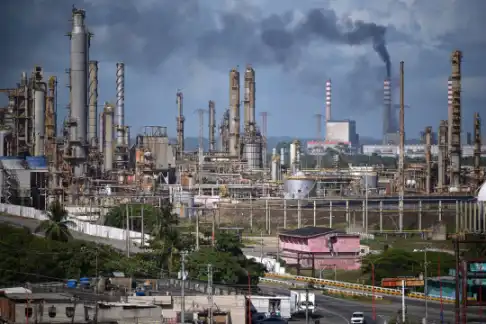
Венесуэла переходит на стейблкоины для продажи нефти на фоне американских санкций
В США: шумный и яркий стартап
Кастильо co-основал Kontigo с целью использования блокчейн-технологии для решения повседневных финансовых проблем Венесуэлы, где гиперинфляция и нехватка кредитов затрудняют людям сохранение сбережений. Платформа позволяет пользователям конвертировать боливары в более стабильные стейблкоины, привязанные к доллару.
Для американских инвесторов Кастильо представлял свой стартап как команду иммигрантов с большими мечтами, упорно работающих; ранние инвесторы говорят, что их привлекло видение помощи реально нуждающимся людям.
В рекламных материалах компания утверждала, что Кастильо и его коллеги подрабатывали ночами в Uber, чтобы сводить концы с концами, одновременно создавая компанию, стремясь построить финансовую систему для «эпохи межпланетного изобилия» и избежать «экспорта земных денег и экономических провалов на Марс».
В середине 2025 года, согласно промо-видео, размещенному в LinkedIn, Kontigo начала предоставлять пользователям бесплатные «виртуальные» американские банковские счета в JPMorgan. По словам осведомленных источников, эти счета предоставлялись через другой финтех-стартап Checkbook, и прямых банковских отношений между JPMorgan и Kontigo не было. Тем не менее, Kontigo использовала в рекламе логотип Chase Bank.
В декабре, всего за несколько недель до рейда США по свержению режима Мадуро, Kontigo объявила о привлечении 20 миллионов долларов финансирования от инвесторов, включая Coinbase Ventures, Alumni Ventures и DST Capital. Coinbase, Alumni и DST не ответили на запросы о комментариях.
После завершения раунда Кастильо опубликовал видео в LinkedIn, хвастаясь «особняком в Кремниевой долине стоимостью 23 миллиона долларов», где он и его команда из 7 человек будут жить в изоляции с целью увеличить годовой доход до 100 миллионов долларов за 60 дней.
«Если вы не готовы переехать со всей командой в Сан-Франциско, запереться в доме до достижения цели, значит, вы несерьезны, у вас нет такого же стремления к успеху, как у нас, вы обречены на провал», — заявил Кастильо.
Согласно промо-видео, это финансирование совпало с ребрендингом услуг компании: Kontigo заявила, что позволяет любому пользователю в мире покупать и продавать привязанные к доллару криптовалюты без предоставления документов, удостоверяющих личность.
«Джейми Даймон, мы идем к тебе», — написал Кастильо в LinkedIn, обращаясь к генеральному директору JPMorgan, и снова похвастался целью создать «крупнейший банк в мире».
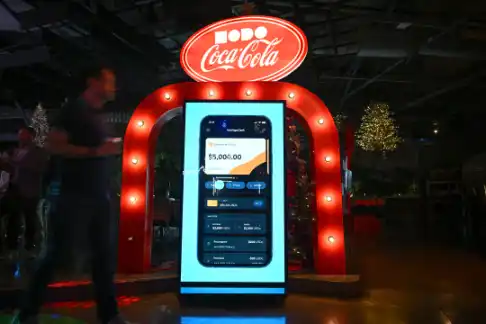
Большой экран с интерфейсом криптовалютного приложения Kontigo, показывающий баланс в 5000 долларов и историю транзакций
В Венесуэле: другая риторика
В Венесуэле Kontigo работает по лицензии, выданной местным крипторегулятором Sunacrip, получив правительственное разрешение на ведение криптодеятельности. Эта лицензия была выдана венесуэльской компании под названием Oha Technology и подписана министром финансов Венесуэлы.
Впоследствии Kontigo, похоже, попыталась дистанцироваться от Oha, заявив, что на всех рынках работает с местными учреждениями. Однако до недавнего времени на сайте Kontigo все еще указывалось, что она имеет операционную лицензию от Sunacrip, и Oha была указана как ее венесуэльская дочерняя компания. Персональная веб-страница Кастильо показывает, что он был операционным директором Oha AI. А в сообщениях в приватных чатах, с которыми ознакомилась The Wall Street Journal, Кастильо в январе 2025 года праздновал получение лицензии Sunacrip и делился документами о лицензии.
На той закрытой встрече в Каракасе представитель компании подчеркнул растущую роль криптовалюты в экономике Венесуэлы. Экономист Асдрубаль Оливерос сообщил аудитории, что доходы от продажи нефти под санкциями получаются в форме стейблкоинов, а затем поступают на лицензированные криптоплатформы, такие как Kontigo и ее конкурент Crixto.
Пользователи Kontigo в Венесуэле могут использовать приложение для перевода средств на свои венесуэльские банковские счета, даже если этот банк находится под санкциями Министерства финансов США.
Поворот судьбы
Всего через несколько недель после объявления об успешном привлечении финансирования ситуация для Kontigo начала резко ухудшаться.
В конце декабря прошлого года статья в The Information раскрыла информацию о том, что Kontigo была отключена от услуг JPMorgan.
Спустя несколько дней военная операция США свергла президента Мадуро. Вскоре после этого влиятельный независимой финтех-журналист Джейсон Микула написал статью о компании, обвинив Kontigo в тайных связях с сыном Мадуро.
Kontigo немедленно начала контратаку.
Когда генеральный директор платежной платформы Klarna Себастьян Семятковски поделился статьей Микулы в X, официальный аккаунт Kontigo ответил, что компания «привлечет к ответственности распространителей этой ложной информации за ущерб, нанесенный деловой репутации компании».
Затем Kontigo сообщила пользователям о взломе платформы, в результате которого 1005 пользователей потеряли в общей сложности около 341 000 долларов. Компания заявила, что полностью возместила убытки пользователям.
В 9-минутном видео, опубликованном в социальных сетях 12 января, Кастильо на испанском языке заявил, что платформа одновременно подвергается атакам хакеров и критиков, и отрицал любые связи Kontigo с режимом Мадуро.
«Правда в том, что успех Kontigo — это результат многолетних усилий, стойкости и настойчивости, мы не чьи-либо зятья, племянники или двоюродные братья», — сказал он.
Тем не менее, по мере усугубления проблем работа компании, похоже, оказалась. По данным осведомленных источников, Stripe и Bridge прекратили сотрудничество с Kontigo, пользователи сообщают, что PayPal больше не обрабатывает платежи приложения. Криптолицензия венесуэльской компании Oha Technology истекла 8 января.
Основной публичный криптокошелек, указанный на сайте Kontigo, в последние дни почти не проявляет активности. В предыдущие месяцы еженедельный объем транзакций этого кошелька составлял сотни тысяч долларов, но с 19 января в нем произошло всего несколько транзакций на сумму около 1 доллара каждая.





















