Редакционное примечание: Chaos Labs объявила о добровольном прекращении сотрудничества с Aave в области управления рисками и ищет возможности досрочного расторжения этого партнерства. Уход команды, которая в течение последних трех лет была ядром, обеспечивающим оценку и управление рисками для всех рынков V2 и V3 Aave, происходит на ключевом этапе, когда Aave продвигает реструктуризацию архитектуры V4 и институциональное расширение.
В своем заявлении Chaos Labs подчеркивает, что это решение не связано с краткосрочными разногласиями по бюджету, а скорее с фундаментальным расхождением во взглядах на то, «как следует управлять рисками». По мере ухода ключевых участников, роста сложности системы и переписывания архитектуры в V4 обязанности и затраты на управление рисками значительно расширились, но выделение ресурсов и расстановка приоритетов не были скорректированы соответствующим образом.
В статье далее отмечается, что в процессе постепенного привлечения институционального капитала в DeFi сама история управления рисками стала самым важным «допускающим активом». Когда протоколу необходимо одновременно соответствовать более сложной структуре системы и более высоким стандартам соответствия, риск перестает быть просто технической проблемой, а становится фундаментальной способностью, определяющей возможность его устойчивого функционирования.
Когда DeFi вступает в следующую фазу, возникает вопрос, какое место должно отводиться управлению рисками и готова ли отрасль нести соответствующие затраты.
Далее следует оригинальный текст:
С ноября 2022 года Chaos Labs оценивала каждую кредитную сделку, initiated на Aave, и управляла рисками всех рынков Aave V2 и V3 в различных сетях, и за этот период не произошло никаких существенных убытков.
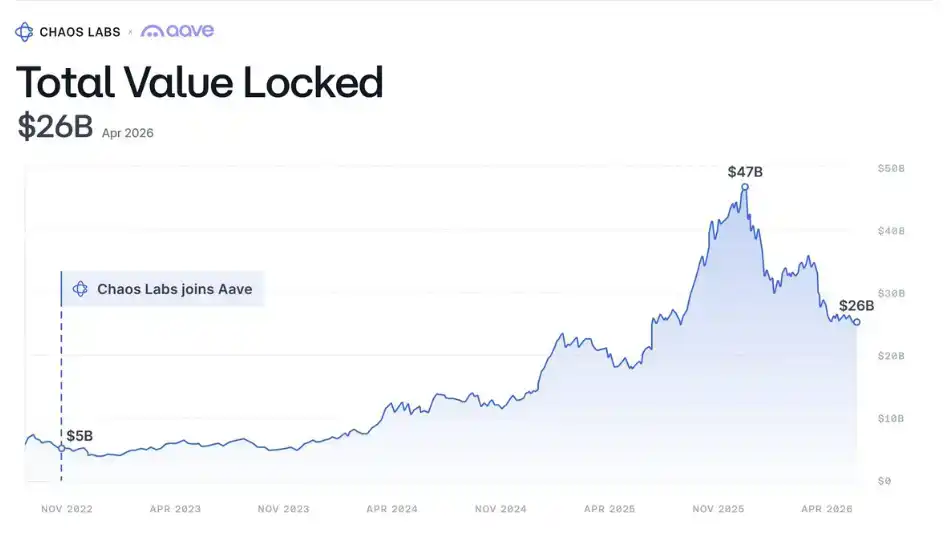
За это время общая стоимость заблокированных средств (TVL) Aave выросла с 5,2 миллиарда долларов до более чем 26 миллиардов долларов, совокупный объем депозитов превысил 2,5 триллиона долларов, и было завершено ликвидаций на сумму более 2 миллиардов долларов.
Сегодня мы решили добровольно прекратить эти партнерские отношения и ищем досрочное расторжение сотрудничества.
Это решение не было принято поспешно. Мы всегда сотрудничали с участниками DAO добросовестно, и Aave Labs также всегда сохраняла профессионализм, даже увеличив бюджет до 5 миллионов долларов, чтобы удержать нас. Однако мы решили уйти, потому что это сотрудничество больше не соответствует нашему базовому пониманию того, «как следует управлять рисками».
Несмотря на разногласия относительно будущего пути, я по-прежнему считаю, что Aave Labs действует так, как, по ее пониманию, будет наиболее выгодно для Aave.
Почему мы решили уйти
За последние три года мы прошли с Aave через множество рыночных кризисов — эти моменты проверили практически каждый установленный нами параметр и каждую созданную нами модель машинного обучения.
Когда мы присоединились, годовые чистые расходы DAO составляли минус 35 миллионов долларов; несколько месяцев назад они достигли пика в 150 миллионов долларов. В этом процессе мы, как один из ключевых участников, действительно чувствуем гордость.
Люди не отказываются от такого опыта легкомысленно. Поэтому, ради прозрачности и в надежде на то, что это послужит ориентиром для DAO в будущем, мы объясняем причины здесь.
Деньги могут решить многие проблемы, но не все. Более глубокая проблема заключается в структурном расхождении во взглядах на фундаментальный вопрос: «как управлять рисками». По мере обсуждения будущего пути это расхождение становилось все более清晰ным.
В конечном счете, проблема сводится к трем пунктам:
Уход ключевых участников Aave значительно увеличил рабочую нагрузку и операционные риски;
Запуск V4 расширил сферу функций управления рисками, увеличив операционные и юридические обязательства, при этом архитектура не была спроектирована нами и не является тем подходом, который мы бы использовали;
В течение последних трех лет мы постоянно несли убытки, выполняя работу по управлению рисками для Aave. Даже при увеличении бюджета на 1 миллион долларов, операционная деятельность в целом оставалась бы убыточной.
Это оставляло только два выбора, оба из которых для нас неприемлемы:
Делать все возможное при недостатке ресурсов, но не достигать стандартов управления рисками, которые должны быть у «крупнейшего DeFi-приложения в мире»;
Продолжать субсидировать операционную деятельность по рискам Aave за свой счет, постоянно неся убытки.
Даже если бы экономические проблемы были решены, разногласия в приоритетах рисков и подходах к ним между сторонами остались бы, и это не то, что можно решить простым увеличением бюджета.
Но все это не меняет нашего взгляда на эту работу.
Для Chaos Labs возможность внести вклад в Aave всегда была честью и означала серьезную ответственность. Наша репутация основана на нашей истории. Каждое сотрудничество должно быть выполнено в соответствии с надлежащими стандартами, либо не делаться вообще.
Люди, технологии и операционный опыт
Aave — это превосходный бренд. Его лидирующие позиции обусловлены не самыми яркими функциями или самой агрессивной стратегией роста.
То, что действительно обеспечило Aave долгосрочное преимущество, — это его «надежность». Бренд и настроения рынка по сути являются лишь запаздывающим отражением его производительности, безопасности и способности управлять рисками — особенно в экстремальных рыночных условиях, которые уничтожили других участников. Именно на этой основе постепенно сформировался консенсус «Просто используйте Aave».
Конкуренты推出 более агрессивные механизмы и стратегии роста, но один за другим рушились из-за ошибок в управлении рисками или уязвимостей безопасности. На рынке, состоящем из самых волатильных активов в мире, «способность выживать» сама по себе является продуктом. Тот, кто лучше и дольше управляет рисками, побеждает.
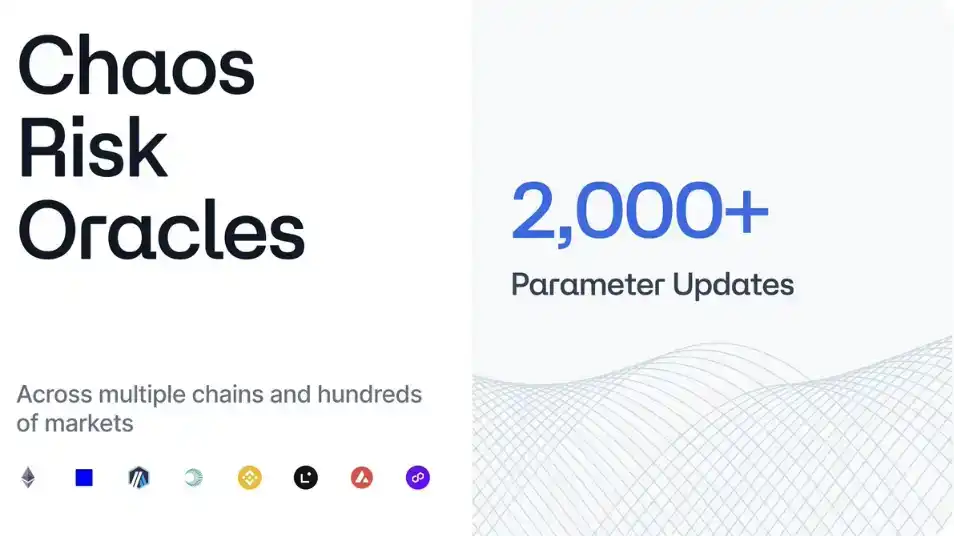
Настоящие инновации Aave, напротив, проявились в областях, которые многие протоколы игнорируют: процессы и инфраструктура. Risk Oracles, которые мы создали и впервые внедрили в Aave, позволяют протоколу самовосстанавливаться и обновлять параметры в реальном времени в соответствии с динамичными и сильно колеблющимися рыночными условиями. Эта инфраструктура поддерживает расширение Aave до более чем 250 рынков в 19 блокчейнах, обрабатывая сотни обновлений параметров в месяц, сохраняя при этом строгие операционные стандарты, что и завоевало сегодняшнее доверие.
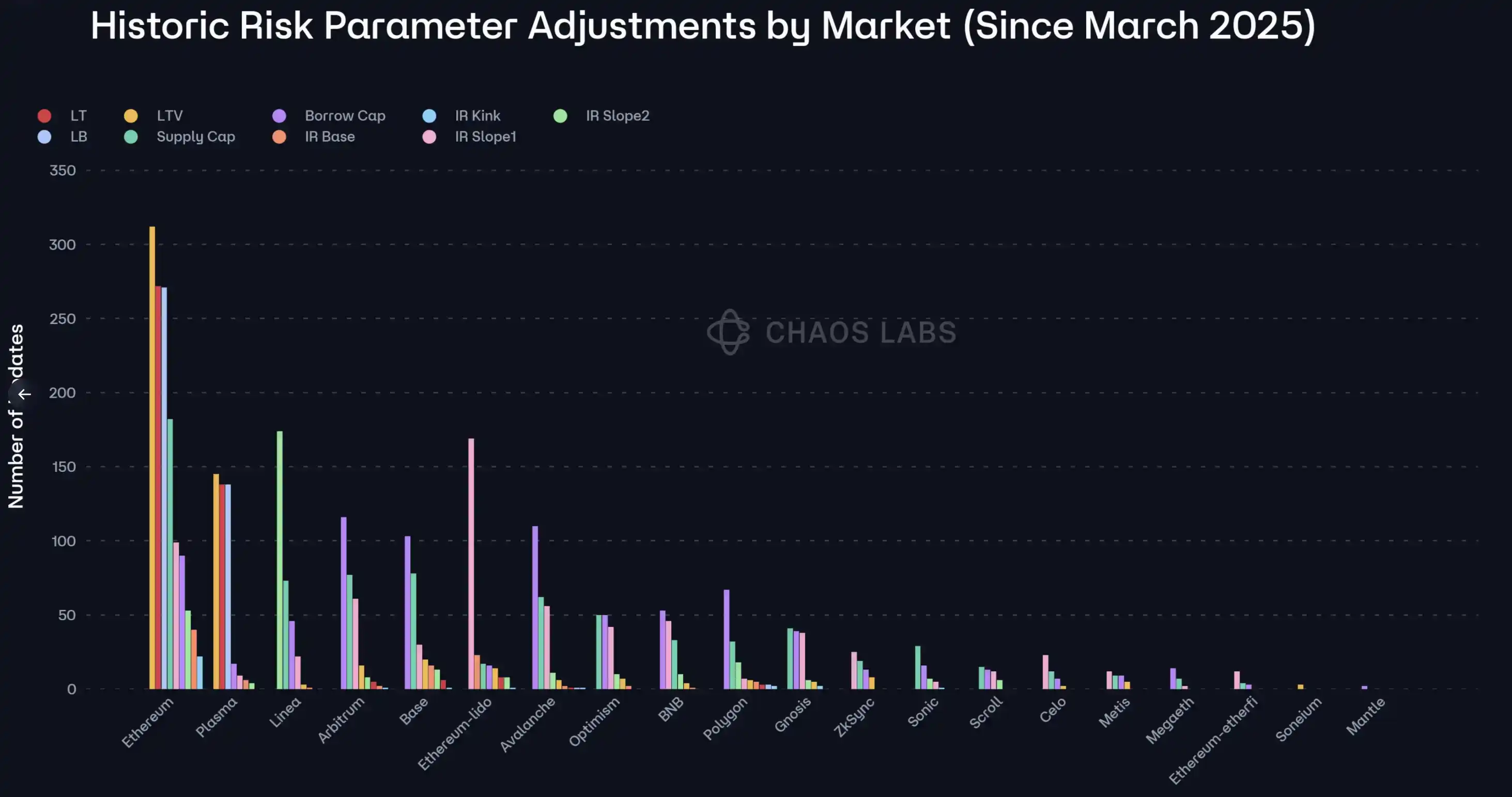
Эта строгость проистекает из определенной системы collaboration и стека исполнения: ACI отвечает за рост и управление (@Marczeller), TokenLogic отвечает за управление капиталом и рост (@Token_Logic), BGD отвечает за инжиниринг протокола (@bgdlabs), а Chaos Labs отвечает за управление рисками.
Бренд — это то, что видят извне; но то, что делает его достойным внимания, — это стоящие за ним люди, технологии и операционный опыт.
GTM и институциональная экспансия
Наш вклад выходит далеко за рамки управления рисками.
За последние годы криптоиндустрия быстро движется в сторону институционализации. Крупнейшие мировые финансовые институты начали подключаться к DeFi, но какой бы реальной ни была доходность «в ончейне», она не перевешивает одно предварительное условие: если институты боятся, что средства клиентов могут пострадать, все это теряет смысл. Для любого регулируемого субъекта все обсуждения начинаются с риска и заканчиваются им. Несколько дополнительных базисных пунктов доходности никогда не стоят риска потери основной суммы. Институты追求доходность с поправкой на риск, и они не будут размещать средства в протоколе, который не могут «объяснить» своему compliance-отделу.
Именно поэтому история управления рисками Aave стала его самым важным активом для выхода на рынок (GTM asset). А мы, как создатели этой истории, получили возможность напрямую вести диалог с этими институтами. По просьбе Aave Labs мы взяли на себя эту роль, встречаясь с партнерами по всему миру, производя исследовательские и due diligence материалы и лично участвуя в институциональной экспансии Aave. Мы также надеемся, что DAO будет и в последующие месяцы продолжать извлекать выгоду из этих наработок.
Корабль Тесея
Если каждую доску на корабле заменить, остается ли он тем же кораблем? Название то же, флаг тот же, но основа уже другая.
Aave сейчас находится именно в таком состоянии. Ключевые участники, которые создавали и управляли V3, ушли, и операционный опыт, поддерживавший Aave в течение рыночных циклов последних трех лет, ушел вместе с ними.
Мы — последние оставшиеся технические участники из этой группы.
V3 по-прежнему остается крупнейшим приложением в DeFi, требующим управления рисками 7×24×365. Хотя Aave Labs оптимистично настроена в отношении быстрой миграции на V4, история показывает, что такие миграции часто занимают месяцы или даже годы. Пока V4 полностью не примет на себя рынки и ликвидность V3, две системы должны работать параллельно. Объем работы не уменьшится вдвое, а удвоится.
Что еще более важно — операционный опыт. Даже假设, что разные команды обладают равными capabilities, опыт, накопленный за три года непрерывной работы, невозможно напрямую передать при交接ле.
Сколько времени потребуется, чтобы восполнить этот пробел? Ответ явно не «ноль». А до тех пор, пока пробел не исчезнет, кто-то должен нести эти затраты — и эта ответственность почти полностью ложится на нас, в то время как бюджет и так был недостаточным при расширении scope.
Продолжение существования бренда не эквивалентно продолжению существования системы.
Почему V4 другой
V4 — это совершенно новый кредитный протокол с全新的 кодом смарт-контрактов, архитектурой системы и парадигмой设计.除了名字, он几乎 не имеет сходства с Aave V3.
Изменения на архитектурном уровне напрямую влияют на риск: больше взаимозависимостей между рынками и модулями,全新的 кредитная структура и измененная логика ликвидации. А «риски второго порядка» любого нового протокола проявляются постепенно, только после того, как в систему поступают реальные средства.
Ответственный прием на себя этой системы означает необходимость заново构建 инфраструктуру, инструментарий и системы симуляции, и с нуля проделать всю операционную работу на codebase, который еще не прошел проверку рынком. Этот scope значительно шире, чем у V3, и это является核心 нашего решения.
Риск является следствием архитектуры. Когда архитектура меняется коренным образом, само управление рисками также должно быть пересмотрено. В отличие от «стандартизированных услуг», таких как价格预言机 или proof of reserves, Risk Oracle и сопутствующие системы должны быть定制 под конкретную архитектуру протокола.一旦 архитектура переписана, инфраструктура рисков также должна быть重建.
Проблема в том, что: scope значительно расширился, но ресурсы не были увеличены соответствующим образом. Aave Labs, возможно, готова принять такой компромисс, но мы — нет.
Реальная стоимость этого дела
Мы отказываемся от исторически успешного合作 на 5 миллионов долларов. Для стартапа это绝非 легкомысленное решение, поэтому оно заслуживает более полного contextual объяснения.
Вознаграждение — это лишь часть, более важен сигнал: сколько ресурсов организация вкладывает в риск, отражает ее приоритеты в отношении риска.
В то же время я также считаю, что немногие действительно понимают фактические затраты, реальные расходы и принимаемые на себя риски в таких системах. Поэтому здесь хочется прояснить это.
Важно понимать: DAO完全有权 решать, что оно ценит и сколько готово за это платить. Я не оспариваю это. Моя обязанность — просто判断, подходят ли эти условия нам — и на этот раз они не подходят.
Сравнение Aave с банком
Aave часто сравнивает себя с банками, и мы используем этот стандарт для оценки. Банки обычно тратят 6–10% своих доходов на compliance и инфраструктуру рисков. В 2025 году доход Aave составил 142 миллиона долларов, а наш бюджет — 3 миллиона долларов, что составляет около 2%.
Мы оцениваем, что минимальный бюджет на риски для V3 + V4 должен составлять 8 миллионов долларов, чтобы покрыть более широкий scope рисков, дополнительную инфраструктуру и уже выполняемую нами GTM-работу, что составляет около 5,6% от дохода, что仍然低于 нижнего предела для банков.
И это сравнение, возможно, даже «либеральное». Открытость блокчейна делает его более сложным и асимметричным в плане рыночных рисков и рисков网络安全. Протоколы с открытым исходным кодом и прозрачностью означают, что surface атаки также виден всем. Недавние серии атак доказали, что это не теоретический риск. Мы считаем, что DeFi должен инвестировать в риски больше, чем традиционные финансы, а не меньше.
Конечно, масштаб Aave в DeFi几乎 не имеет аналогов, банки — это лишь参照系 для понимания того, сколько обычно инвестируют учреждения, которые «серьезно относятся к рискам». «Способен» ли протокол инвестировать в риски и «выбирает» ли он это делать — две разные вещи.
Для Aave способность не является вопросом: DAO持有 около 140 миллионов долларов резервов, и Aave Labs только что приняла提案 о самофинансировании на 50 миллионов долларов. Но даже если ресурсы ограничены, стоимость управления рисками от этого не меняется. Бюджет не может изменить структуру угроз — стоимость есть стоимость.
Те затраты, которые не отразятся в бюджете
Трудозатраты и инфраструктура — это лишь явные затраты, существуют и более сложные для量化, но обязательные к принятию скрытые затраты.
Во-первых, это юридические и институциональные риски. Заниматься управлением рисками в DeFi (будь то риск-менеджеры или управляющие казначейством) означает сталкиваться с еще не четко определенными границами ответственности. Нет зрелой regulatory框架, нет «убежища» (safe harbor), нет четкого legal определения, какую ответственность должен нести риск-менеджер в случае отказа протокола. Когда система работает нормально, эта работа «невидима»;一旦出现问题, ответственность никуда не исчезает.
Во-вторых, это сетевая и операционная безопасность. Предоставление услуг по рискам для протокола, управляющего активами на сотни миллиардов долларов, само по себе делает целью для атак. Затраты на аудит, мониторинг, инфраструктуру и построение систем внутреннего контроля растут вместе с объемом депозитов пользователей.
Эти затраты не уникальны для нас. Любая команда, берущая на себя эту роль в таком масштабе, столкнется с同样的暴露. Вопрос в том, отражает ли такая структура合作 эту реальность.
Если потенциальная прибыль ограничена, а потенциальные убытки безграничны, то选择продолжать — это не «вера», а плохое управление рисками.
Наши принципы
В Chaos мы всегда придерживаемся простого принципа: мы подписываемся только за ту работу, в которую完全 верим.
Когда все идет хорошо,坚持这个原则 легко;真正重要的是, когда за это приходится платить. Сегодня эта цена составляет 5 миллионов долларов.
Я曾经在《The Market Crypto Never Built》中写过, каким должно быть институциональное управление рисками. Это решение является воплощением этой веры в реальности. Если мы主张, что индустрии нужны более высокие стандарты, мы должны сначала применить эти стандарты к себе.
Я надеюсь, что V4 будет успешным. Если окажется, что наши опасения переоценены, это будет хорошо для всей отрасли.
Обращаясь к сообществу Aave: благодарим за доверие в течение этого времени, для нас это была честь.