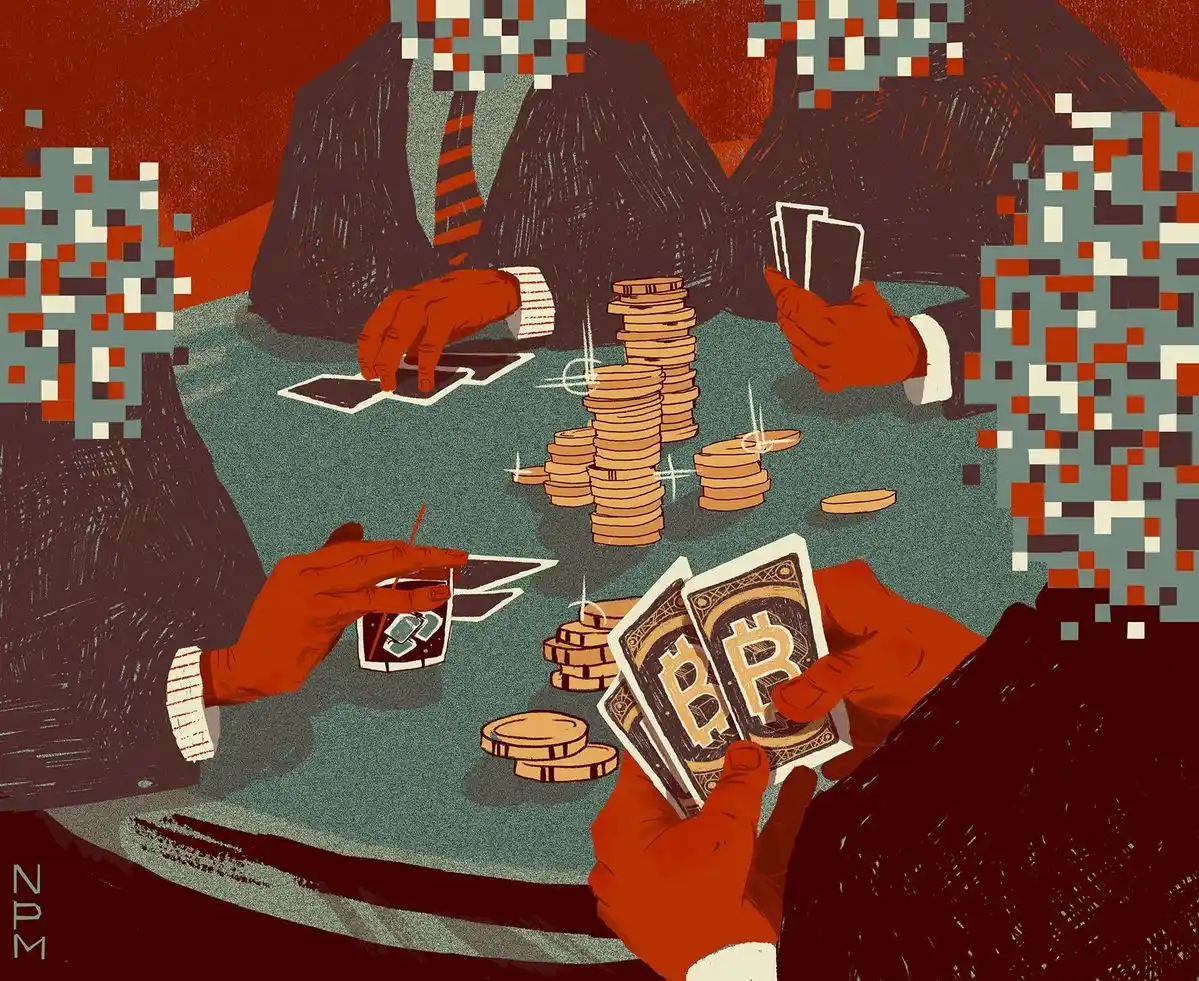
Автор:Prince, сооснователь Avon
Компиляция|Odaily Planet Daily(@OdailyChina); Переводчик|Azuma(@azuma_eth)
TL;DR
Способ использования DeFi стал высоко унифицированным. Рынок и инфраструктура созревают, но психология пользователей из любопытства постепенно превратилась в осторожность. Механизм получения прибыли превратился из «пользователи сами несут риски и получают вознаграждение» в «пользователи пассивно ждут вознаграждения», а участие постепенно свелось к вращению вокруг стимулов.
Блекнущий DeFi
DeFi теряет свою привлекательность, и я не шучу. Он не перестал работать и не перестал развиваться. Что действительно изменилось, так это то, что вы редко чувствуете, что «имеете дело с чем-то совершенно новым».
Я пришел на этот рынок в 2017 году (эпоха ICO), тогда все казалось незавершенным, даже несколько вышедшим из-под контроля, среда была хаотичной, но открытой. Вы все еще могли верить, что все рыночные представления временны, и следующее фундаментальное innovation может重塑 всю экосистему.
DeFi Summer стал моментом, когда это убеждение впервые стало осязаемым. Тогда вы не просто торговали токенами, а в реальном времени наблюдали формирование совершенно новой рыночной структуры. Это был не простой апгрейд, а переосмысление того, «что вообще возможно». Даже когда система давала сбои, это было похоже на исследование, поскольку вся система все еще росла.
Сегодня многие DeFi больше похожи на повторение того же сценария, но с более чистыми методами исполнения. Инфраструктура стала более зрелой, интерфейсы более дружелюбными, модели хорошо понятны пользователям. Она все еще эффективна, но, кажется, уже не так часто开拓新疆土 (осваивает новые территории), что изменило отношения пользователей с ней.
Люди продолжают строить. Что действительно изменилось, так это то, какие модели поведения пользователей DeFi «поощряет».
Эволюция моделей поведения пользователей
DeFi стал высоко спекулятивным, потому что первым делом, которым люди массово хотели заниматься в блокчейне, была торговля.
На раннем этапе трейдеры были первыми настоящими активными пользователями. Когда они хлынули массово, система естественным образом адаптировалась под их потребности.
Трейдеры ценят возможность выбора, скорость, leverage и удобный выход. Они не любят быть заблокированными и не любят риски, зависящие от субъективных суждений других. Протоколы, соответствующие этим инстинктам, быстро росли; те, которые требовали от пользователей изменения поведения, хотя и могли работать, обычно делали это, платя пользователям за терпимость к этому несоответствию.
Со временем это сформировало психологические ожидания всей экосистемы — участие пользователей стало рассматриваться как поведение, требующее рыночной компенсации, а не потому, что продукт сам по себе полезен в обычных условиях.
Как только эти ожидания сформировались, от них стало трудно избавиться, более того, они стали восприниматься как нечто само собой разумеющееся. Пользователи вращаются быстрее, дольше остаются в стейблкоинах, действуют только тогда, когда возможность достаточно очевидна. Это не моральная оценка, а рациональный ответ на среду, созданную DeFi.
Кредитование превратилось в «финансирование», а не в «кредит»
Кредитование — самый яркий пример разрыва между тем, как часто描绘 (изображают) DeFi, и его реальной масштабируемой формой.
На поверхности кредитование подразумевает кредит. Кредит подразумевает время, означает, что кто-то берет заем по причинам, внешним по отношению к рынку, и что кто-то ручается за этот временной риск.
Но продукт, который действительно масштабировался в DeFi, больше похож на краткосрочное финансирование. Основная масса заемщиков — не те, кому нужен срок, а те, кто хочет получить позицию — leverage, рекурсивные займы, базисные сделки, арбитраж,方向性敞口 (направленная экспозиция) и т.д. Люди берут займы не для того, чтобы долго держать кредит.
Кредиторы адаптировались к этой реальности. Они больше похожи на поставщиков ликвидности, чем на поручителей. Они больше关注 выход (фокусируются на выходе), больше хотят выкупа по номиналу, предпочитают условия, которые можно continuously重定价 (переоценивать). Когда обе стороны действуют таким образом, результат рыночных清算 больше похож на денежный рынок, чем на кредитный.
Как только система вырастает вокруг этих предпочтений, построить на ней настоящие кредитные структуры становится极其困难 (чрезвычайно сложно). Вы можете добавлять функции, но не можете заставить мотивацию пользователей измениться.
Доходность стала базовым ожиданием
Со временем доходность перестала быть просто回报 (вознаграждением), а стала оправданием для участия.
Риск в ончейне заключается не только в волатильности самих активов, но и в рисках смарт-контрактов, governance рисках, рисках оракулов, мостовых рисках, а также в постоянном ощущении, что «все может пойти не так, как вы смоделировали». Пользователи постепенно осознали, что за принятие этих рисков理应获得 видимую компенсацию (получить видимую компенсацию), и такие ожидания сами по себе合理льны.
Но это изменило поведение пользователей. Капитал не постепенно возвращается к нормальной доходности и не остается там, а уходит сразу. Пользователи сохраняют высокую ликвидность капитала, ожидая следующего момента, когда участие снова будет вознаграждено.
Результатом является то, что рост данных проекта часто «интенсивен, но не непрерывен». Активность взлетает при запуске стимулов и быстро остывает после их прекращения. Кажущееся принятие по сути является арендой.
Когда участие возникает только в периоды стимулирования, становится трудно строить что-либо, рассчитанное на длительное существование.
Проблема доверия
Другая переменная, которая все изменила, — это доверие.
Многолетние случаи эксплуатации уязвимостей, скамы и провалы в управлении изменили心态 пользователей (менталитет пользователей). Новизна больше не пробуждает любопытство, а вызывает警惕 (настороженность). Даже опытные пользователи дольше присматриваются, делают меньшие ставки, prefer те системы, которые «достаточно долго прожили», а не те, которые «выглядят лучше».
Возможно, это здорово, но это изменило рыночную культуру. Исследовательское поведение превратилось в尽职调查 (дью дилидженс), рынок стал более серьезным, а серьезность, очевидно, не равна привлекательности.
Более сложная ситуация заключается в том, что, с одной стороны, пользователи привыкли требовать высокую компенсацию за риск, а с другой — все менее охотно берут на себя новые риски. Это сжимает (сжимает) среднюю зону, которая раньше容纳 эксперименты (вмещала эксперименты).
Почему обе стороны «частично правы»?
Именно здесь споры о DeFi часто ведутся впустую.
Если вам не нравится DeFi, вы не ошибаетесь. Он действительно иногда выглядит как самовозбуждение, многие продукты обслуживают одну и ту же небольшую группу пользователей, а исторический рост во многом обусловлен стимулами, а не стабильным спросом.
Если вы верите в DeFi, вы тоже не ошибаетесь. Беспрепятственный доступ, глобальная ликвидность, композируемость и открытые рынки по-прежнему являются мощными концепциями.
Ошибка в том, чтобы делать вид, что эти две вещи когда-то были одной целью. DeFi не провалился. Он успешно оптимизировался под небольшой набор поведений, но этот успех затруднил его expansion к другим типам поведения.
Является ли это прогрессом или停滞ом (застоем), полностью зависит от того, что вы изначально ожидали от DeFi.
Как может вернуться привлекательность
DeFi не вернет свою привлекательность, воссоздав DeFi Summer. История никогда не повторяется.
Что действительно исчезло, так это не само innovation (новаторство), а ощущение, что «поведение все еще меняется». Как только система перестает重塑 (переформировывать) то, как люди ее используют, а фокусируется только на исполнении, чувство exploration (исследования) исчезает.
Если DeFi还想再次绽放光辉 (еще хочет снова засиять), он должен сделать более сложные вещи: создать структуру, которая сделает rational (рациональным) другое поведение. Дать разумные причины для сохранения капитала; сделать срок чем-то понятным, чем-то, из чего можно выйти, а не бременем, которое勉强 принимают (вынужденно терпят); сделать доходность не просто заголовочной цифрой, а решением, за которое вы действительно можете нести ответственность.
Такой DeFi будет тише, медленнее расти и не будет занимать вашу ленту в соцсетях так, как это делали прошлые циклы, но именно так выглядит использование, driven спросом (движимое спросом), а не постоянными стимулами.
Я даже не уверен, возможен ли такой переход, не разрушив при этом те части системы, от которых люди still depend (все еще зависят). Это и есть настоящее ограничение.
DeFi не может расширить свои behavioral границы (границы поведения), не изменив «кто подходит для участия». Системы, которые продолжают вознаграждать скорость, выбор и удобный выход, по-прежнему будут привлекать пользователей, ценящих these качества (эти качества).
Таким образом, путь ясен. Если DeFi продолжит вознаграждать то поведение, которое он уже «поощрял», он сохранит极高的 ликвидность (чрезвычайно высокую ликвидность), но навсегда останется в нише. Если он готов нести costs формирования (издержки формирования) другого типа пользователей, привлекательность вернется не в форме хайпа, а в форме引力 (гравитации) — той силы, которая позволяет капиталу тихо оставаться, даже когда ничего захватывающего не происходит.