Автор: Aryn Baker, The New York Times
Компиляция: Felix, PANews
Оригинальное название: Афганский стейблкоин, неожиданное место крипто-инноваций
В оживленном обменном пункте на северо-западе Сирии 46-летняя фермерша крепко сжимала пластиковую карту, словно это была ее спасительная соломинка. Она никогда не слышала о криптовалюте, но на этой карте было 500 долларов в криптовалюте, которые помогли ей возобновить управление фермой после почти 14 лет гражданской войны.
Когда кассир подтвердил сумму и обналичил средства со счета Халы Махмуд Аль-Махмуд, фермерша с облегчением улыбнулась и остановилась, чтобы поблагодарить. Она спросила, откуда взялась такая технология.
Ответ удивил ее: из Афганистана.
Возможно, многим трудно представить, что это инновационное решение для перевода денег на основе блокчейна пришло из страны, известной своим талибским авторитарным правлением и скептическим отношением к интернету. Однако в этой почти изолированной стране афганский стартап разрабатывает инструменты, которые, как надеются, изменят способ оказания гуманитарной помощи в странах, разоренных конфликтами.
26-летний программист Закия Хусейн из стартапа HesabPay говорит: «Мы сами сталкивались с этими проблемами, поэтому мы знаем, как разработать эффективные решения». Именно компания HesabPay разработала технологию, лежащую в основе карты, которую держала г-жа Аль-Махмуд.
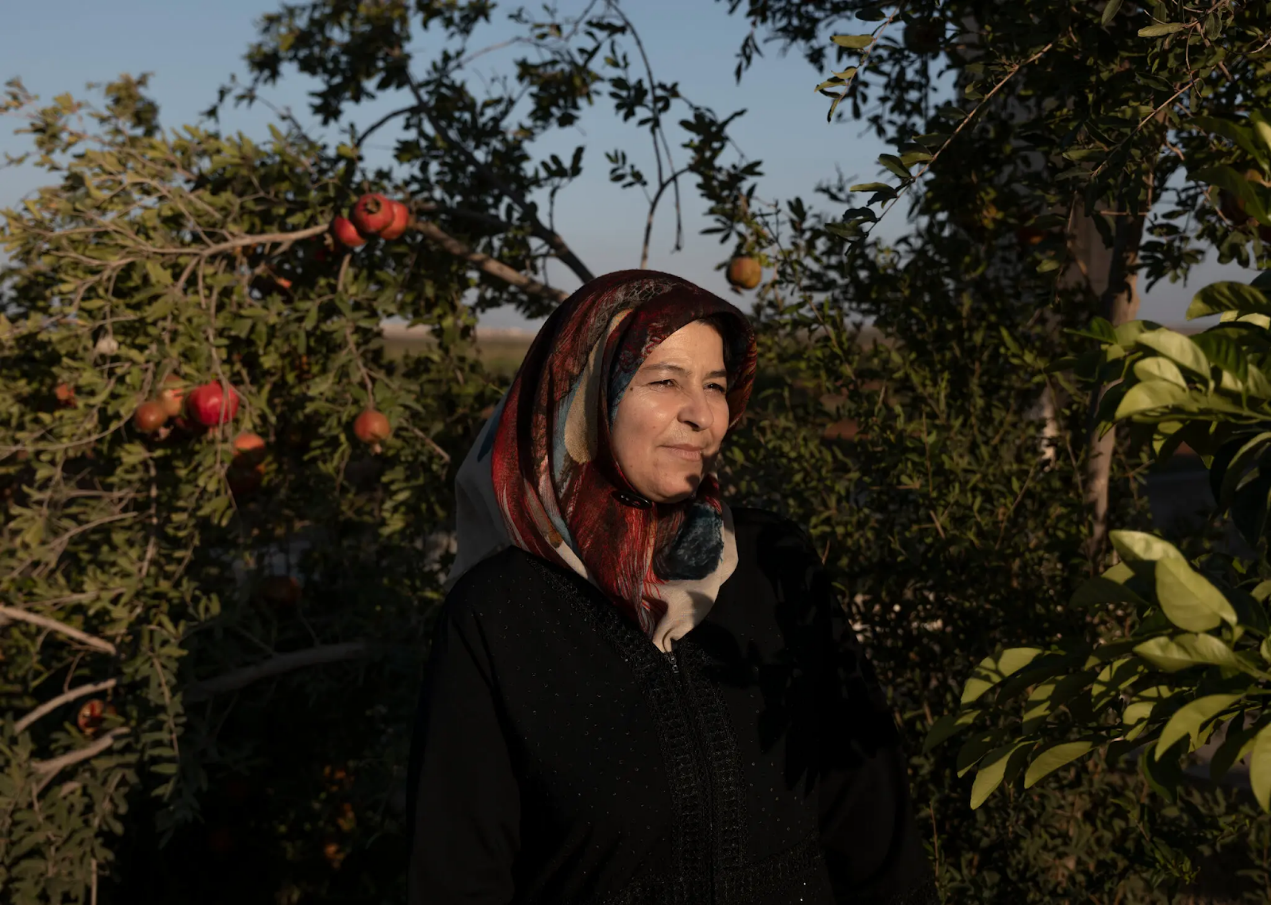
Хала Махмуд Аль-Махмуд у входа в свой дом недалеко от Латамины, Сирия. Она получила помощь в размере 500 долларов в криптовалюте, чтобы помочь ей вновь открыть ферму.
Управление Верховного комиссара ООН по делам беженцев (УВКБ ООН) было одним из первых сторонников платформы. Агентство использует ее для поддержки более 86 000 семей в Афганистане, что является одним из крупнейших в мире проектов помощи на основе публичного блокчейна. Благотворительная организация Mercy Corps, которая пожертвовала средства г-же Аль-Махмуд, сотрудничает с HesabPay, чтобы расширить помощь на Сирию, и в настоящее время разрабатывает проекты для Судана и Гаити.
В Сирии получение средств из-за рубежа очень сложно. Наличных не хватает, международные банки избегают работы там, а такие компании, как Western Union, взимают комиссию за перевод до 10%. HesabPay позволяет таким организациям, как Mercy Corps, обходить эти препятствия.
Афгано-американский предприниматель Санзар Какар, основатель HesabPay, ранее управлял крупнейшей в Афганистане компанией по обработке заработной платы. Но вывод американских войск из Афганистана в 2021 году и возвращение к власти Талибана вызвали финансовый коллапс. Санкции прервали международные денежные переводы, а центральный банк был парализован.
Чтобы справиться с растущей финансовой нестабильностью в стране, г-н Какар обратился к технологии блокчейн. Он создал HesabPay (что означает «счет» на местном языке), это мобильное приложение, которое позволяет мгновенно переводить средства с одного цифрового кошелька на другой, минуя банки и правительство Талибана. Он говорит, что афганское правительство выдало его предприятию официальную лицензию на финансовую деятельность.
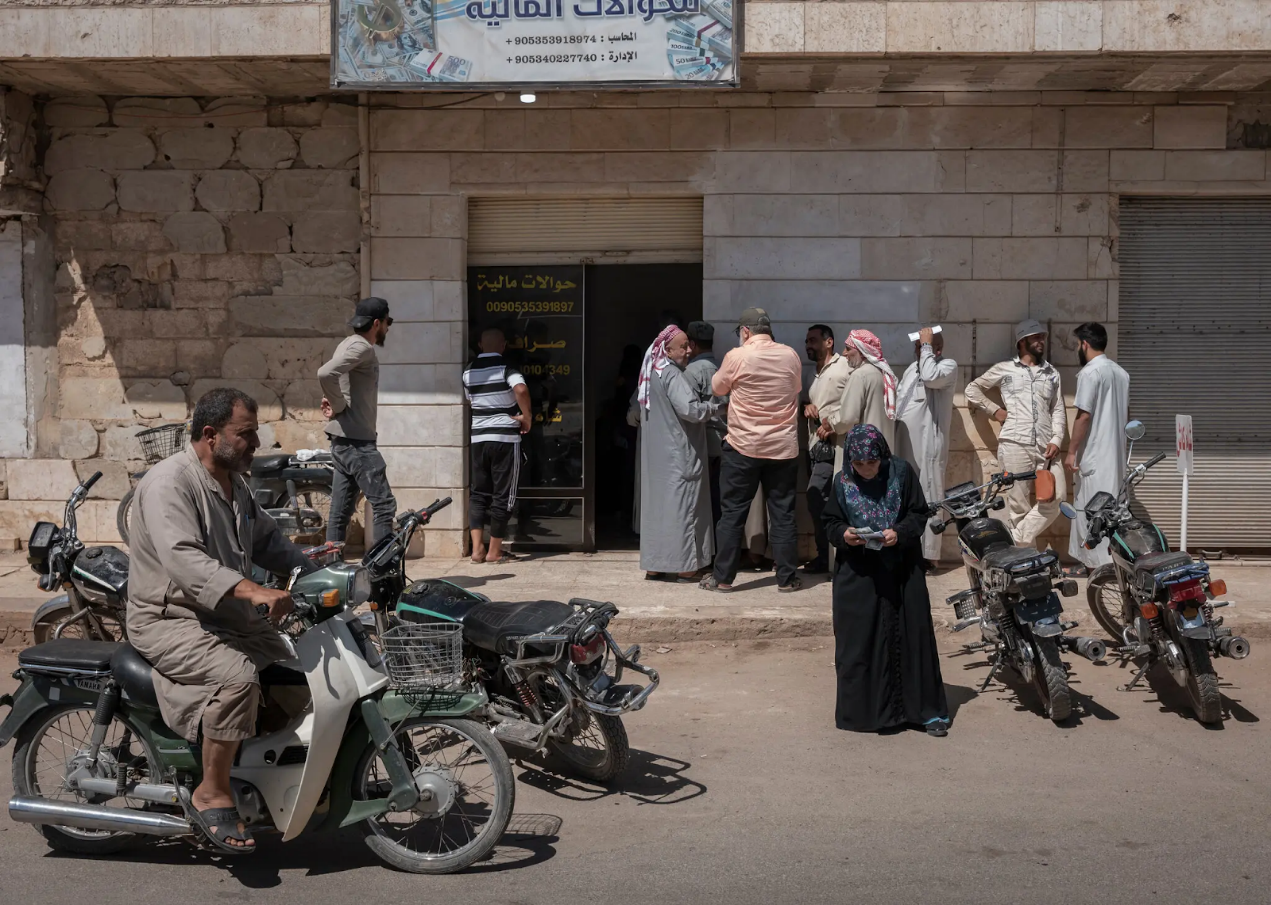
Организация помощи Mercy Corps, жертвующая средства, сотрудничает с HesabPay, чтобы расширить охват платформы на Сирию.
Сегодня у платформы более 650 000 кошельков в Афганистане, из которых около 50 000 активно используются, ежемесячно переводя около 60 миллионов долларов в афганских стейблкоинах (стейблкоинах, привязанных к афганской валюте).
С февраля 2025 года ООН использует HesabPay для распределения почти 25 миллионов долларов среди возвращающихся на родину афганцев через 80 000 цифровых кошельков, заявила Кармен Хетт, корпоративный казначей УВКБ ООН: «Это помогает снизить операционные расходы, сократить время ожидания и повысить отслеживаемость, мониторинг в реальном времени и подотчетность операций».
Рик Шревс, эксперт по децентрализованным финансовым решениям и председатель Фонда децентрализованного сотрудничества, сказал, что не удивительно, что такие организации, как Mercy Corps и ООН, обращаются к переводу средств на основе блокчейна для оказания помощи. По его словам, для таких организаций «этот подход к помощи почти полностью состоит из преимуществ по сравнению с традиционными методами помощи».
Но он также указал, что риски сохраняются, особенно когда платежные системы основаны на локальных стейблкоинах, как в случае с Афганистаном. (В Сирии криптовалюта в кошельках HesabPay обеспечена долларами, что является более стабильным вариантом.) Подобно тому, как кошельки могут быть заблокированы из-за взаимодействия с санкционными лицами, теоретически они также могут быть закрыты центральным банком страны по политическим причинам.
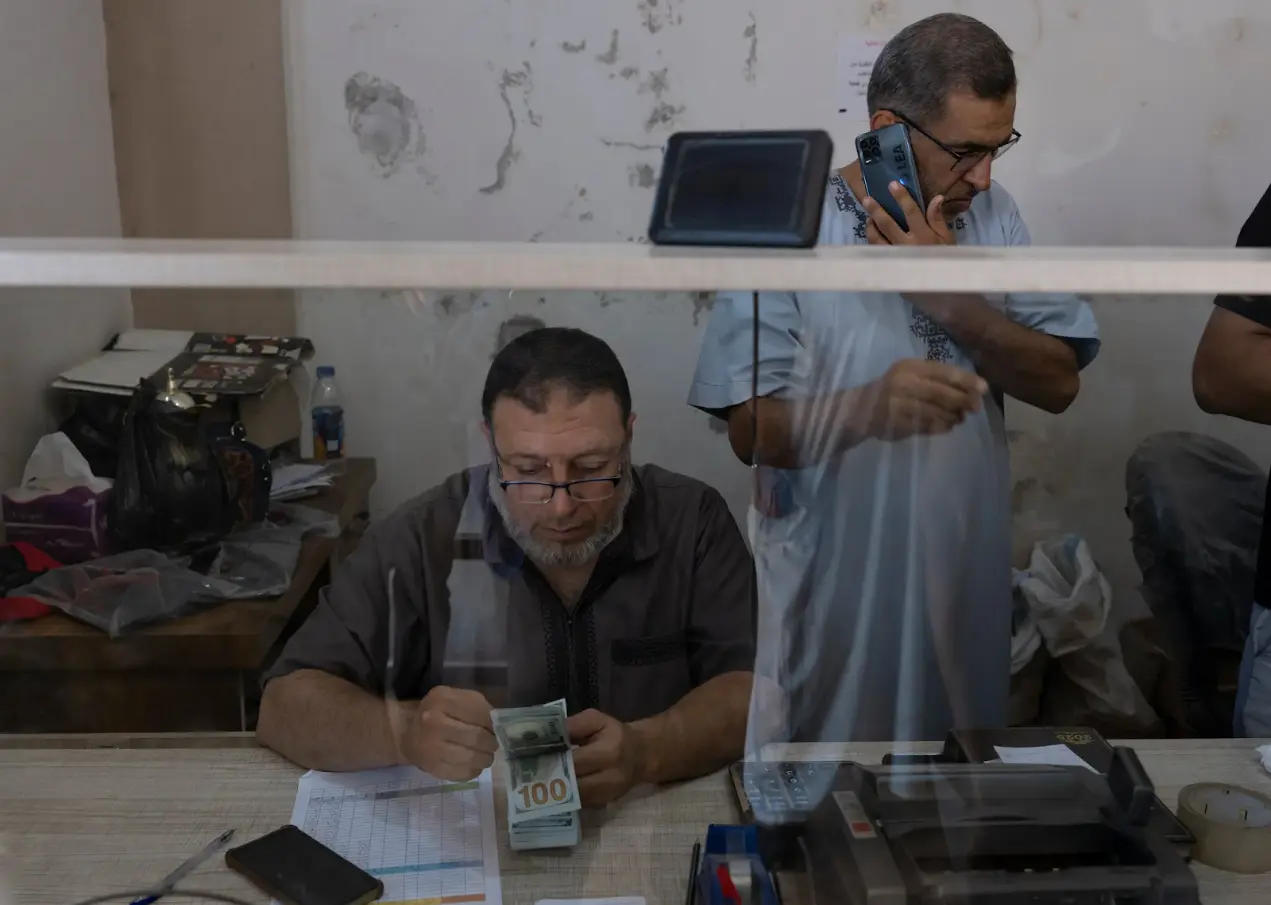
Использование технологии блокчейн позволяет Mercy Corps легче переводить деньги в Сирию, где наблюдается нехватка наличности и международные банки обычно не работают.
Рик Шревс сказал: «Когда мы предоставляем людям способы проведения нефизических транзакций, это также означает, что эти транзакции потенциально могут быть заблокированы техническими средствами». Он добавил, что цифровые деньги, безусловно, безопаснее наличных, но они все же не могут быть спрятаны под матрасом, как наличные.
В последние годы援助组织 все чаще выбирают现金援助, считая ее быстрым и достойным способом помощи. Но у现金援助 есть недостаток: трудно отследить, куда направляются средства. Доноры хотят видеть, что их пожертвования действительно доходят до нуждающихся. С тех пор как президент Трамп в начале прошлого года значительно сократил американскую foreign aid, на такие организации, как Mercy Corps, оказывается большее давление, чтобы доказать эффективность и добросовестность их помощи.
Вот где вступает в игру блокчейн — он создает цифровую запись, точно фиксирующую, сколько средств было отправлено, кому и куда они пошли. Скотт Ондер, главный инвестиционный директор Mercy Corps, сказал, что это сочетание скорости и подотчетности «может, возможно, восстановить доверие тех, кто усомнился в эффективности помощи».
HesabPay также оснащена дополнительными мерами безопасности, такими как интерактивная панель управления для отслеживания активности кошельков и сверки их с международными базами данных соответствия. Компания заявляет, что система предназначена для обнаружения незаконной деятельности, такой как финансирование терроризма, отмывание денег и кибермошенничество, и немедленного оповещения о подозрительных транзакциях. Для доноров помощи это обеспечивает механизм надзора, который почти невозможен в хрупких государствах.
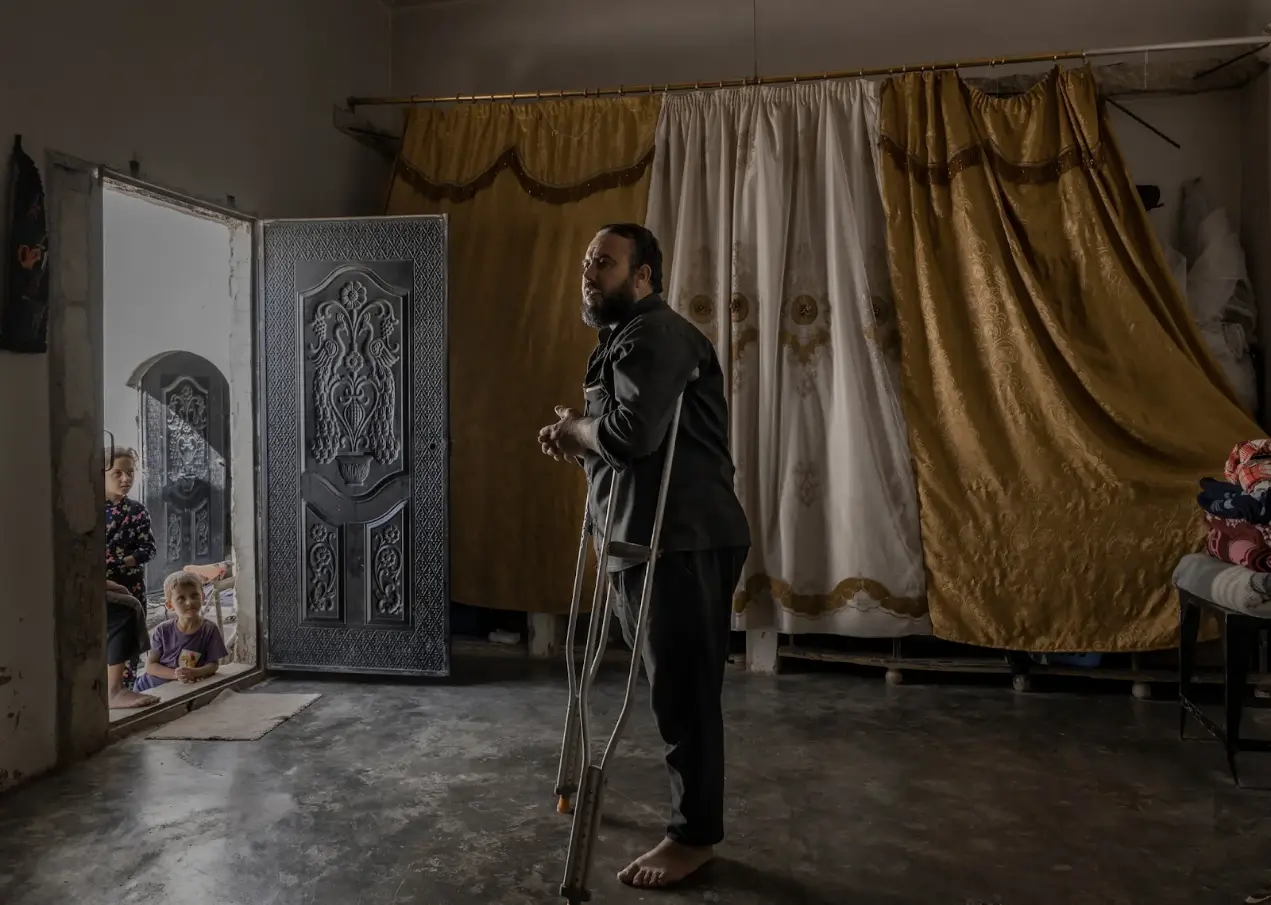
Житель Халфаи Абдул Моти Хаммуд потерял ногу, когда наехал на мину во время управления трактором. Он является бенефициаром救援组织 Mercy Corps.
Во время недавней онлайн-демонстрации Найджел Понт, старший советник компании по гуманитарным вопросам, щелкнул по фиолетовой точке, представляющей агента HesabPay в Афганистане. Десятки светло-голубых кошельков бенефициаров развернулись, показывая последние записи о переводах. Еще один щелчок — и можно было увидеть, куда пошли средства. Затем один кошелек внезапно загорелся красным, сигнализируя о подозрении на мошенничество — немного неловко во время живой демонстрации, но именно такие риски призвана идентифицировать система.
«С точки зрения доноров помощи, это бесценно», — сказал Найджел Понт, бывший главный стратег Mercy Corps. «Система, которая автоматически помечает риски мошенничества, означает, что вы можете немедленно проверить, а не ждать шесть месяцев, чтобы получить отчет о том, что кто-то украл 20 000 долларов». Найджел Понт признал, что ни одна система не может полностью исключить коррупцию, но, с другой стороны, и наличные тоже не могут.
22-летний Абдул Халим Хасан в тот момент стоял в очереди в том же обменном пункте в Сирии, что и г-жа Аль-Махмуд. Он сказал, что представляет себе день, когда сможет использовать HesabPay как обычный банковский счет — получать funds, оплачивать счета и безопасно хранить деньги. Но пока ему достаточно того, что его карта HesabPay позволяет ему получить funds, необходимые для того, чтобы начать послевоенную жизнь заново.
Twitter:https://twitter.com/BitpushNewsCN
Группа общения比推 TG:https://t.me/BitPushCommunity
Подписка比推 TG: https://t.me/bitpush







