SpacePay’s Growth Story: From Smart Contracts to Market Adoption as Presale Eyes $1M at $0.003126

bitcoinistОпубликовано 2025-03-05Обновлено 2025-03-05

Введение

Building a payment system that works for everyday business starts with solving basic problems. Most crypto payment platforms struggle with...

Building a payment system that works for everyday business starts with solving basic problems. Most crypto payment platforms struggle with high fees, slow settlements, price volatility, and complex systems that confuse both merchants and customers.

SpacePay tackled these challenges by creating technology that processes payments instantly at just 0.5% fees while delivering local currency to merchants. As presale funding approaches $1 million with tokens at $0.003126, this focus on practical solutions drives growing support.

The Technical Engine Behind SpacePay

Smart contracts form the foundation of SpacePay’s system, acting as automated agreements that handle transaction verification and settlement. Unlike traditional payment processors that check different aspects of a payment one after another, these contracts work in parallel – verifying wallet balances, confirming merchant details, and preparing settlements simultaneously.

The real-time verification system monitors multiple data points at once. When a customer starts payment, the system checks their wallet balance, transaction history, and security parameters all at the same time. Think of it like multiple security gates operating together instead of forcing people through a single line. This approach maintains security while eliminating waiting times.

Settlement acceleration works through direct payment channels between wallets and merchant accounts. The system creates dedicated paths for each transaction, similar to how express lanes speed up highway traffic.

The price protection layer shields merchants from market volatility through automated conversion pools. When customers pay in crypto, the system finds the best exchange rates and locks them in during the transaction.

From Technology to Market Adoption

SpacePay turns technical advantages into business benefits that drive adoption. The 0.5% fee structure directly addresses merchants’ profit margins – a store earning 15% on sales loses a fifth of their profit to traditional 3% card fees.

Cutting this to 0.5% puts money back into businesses, creating immediate financial incentive to switch payment processors.

Merchant integration follows a path of minimal disruption. Stores keep their existing payment terminals, adding crypto capabilities through simple software updates. Staff continue using familiar equipment, just with additional payment options.

This smooth transition removes typical barriers to adopting new payment systems – no equipment purchases, no complex training, no operational changes.

Payment volume grows through natural network effects. When one store in a shopping district uses SpacePay successfully, nearby businesses notice the benefits. A restaurant saving hundreds monthly in fees while getting paid faster becomes a visible example for other local businesses.
Building Community Through Value

Building Community Through Value

SpacePay creates lasting community through practical benefits for token holders. The revenue sharing model gives supporters portions of transaction fees, building a direct connection between platform growth and holder rewards.

As more merchants process payments, more revenue flows to token holders. This creates a shared interest in expanding the payment network and bringing in new businesses.

Monthly voting gives holders real input on platform decisions. When SpacePay needs to choose development priorities or expansion markets, token holders help guide these choices.

This process works through simple proposal voting – the team presents options, holders vote on their preferences, and development follows community direction. This approach ensures the platform grows in ways that serve real user needs.

Quarterly webinars create transparency between the team and community. These 45-minute sessions share progress updates, answer holder questions, and discuss upcoming plans.

Beyond formal programs, SpacePay maintains active communication channels where users share feedback, suggest improvements, and report any issues they encounter. This constant flow of real-world input helps the platform evolve based on actual usage rather than theoretical plans.

Looking Toward the Future

SpacePay prepares for exchange listings while building core payment infrastructure. The platform focuses on technical readiness – ensuring systems can handle increased transaction volumes, maintaining security as the network grows, and adding features merchants need most.

Exchange listings will make SPY tokens available to wider audiences, but the team prioritizes a solid foundation over rushed expansion.

The feature roadmap includes practical tools that help businesses operate better. Upcoming additions focus on inventory management links, supplier payment systems, and financial reporting tools that connect with popular business software.

Each new feature comes from watching how merchants actually use the platform and adding capabilities that solve their daily challenges.

Market expansion targets areas where businesses already trade regularly. The platform grows first in retail districts, manufacturing hubs, and import-export centers where payment improvements create the most value.

This focused approach helps build strong usage patterns in specific business communities before expanding to new regions.

New supporters can join through the presale while tokens remain at $0.003126. The platform accepts USDT, AVAX, BASE, MATIC, ETH, BNB, and bank cards through a straightforward process on the official website.

Community channels on Telegram and X share regular updates about development progress, partnership announcements, and upcoming features.

JOIN THE SPACEPAY (SPY) PRESALE NOW

Website    |    (X) Twitter    |  Telegram 

Похожее

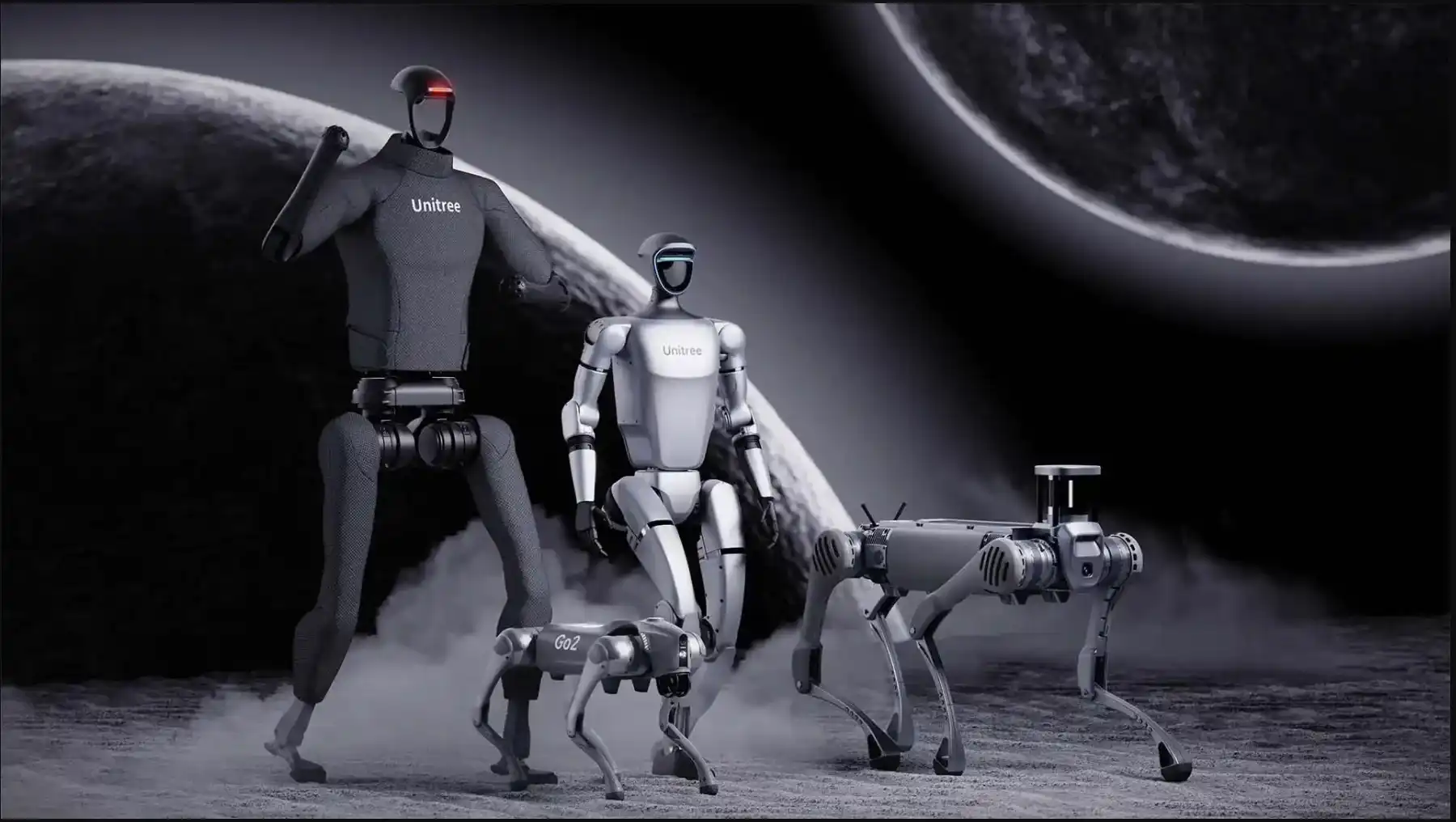
Unitree Robotics' IPO Hearing Countdown! Dissecting the 'Ice and Fire' in the Prospectus of the 'First Humanoid Robot Stock'

Unitree Robotics, poised to become China's first publicly listed humanoid robot company, is set for its IPO review on the Shanghai Stock Exchange. Its prospectus reveals a company undergoing a rapid transformation. Once primarily a quadruped robot (robodog) maker, humanoids now account for over half of its revenue as of 2025, with the company selling approximately 5,500 units in that year—reportedly the highest global volume. Current demand, however, is heavily concentrated in research and education (74% of humanoid sales), while commercial and consumer use is largely for promotional "display" purposes. Industrial applications remain limited (~9% of sales), though quadruped robots see more mature use in industrial inspections. A key strength is Unitree's vertically integrated model, self-designing and manufacturing critical components like motors and actuators. This has driven manufacturing costs down and pushed gross margins up to nearly 60%—exceptionally high for a hardware company. Financially, revenue surged 335% to about $252 million in 2025, with the company achieving profitability. Its IPO targets a valuation of $6-7 billion, planning to invest nearly half the raised capital into AI model development. This includes funding for Vision-Language-Action (VLA) and World Model + Action (WMA) models, highlighting its strategic focus on building a software "brain" to complement its hardware leadership and secure a long-term competitive edge. The prospectus showcases Unitree's manufacturing prowess and growth but also underscores the early, niche stage of widespread humanoid robot commercialization beyond academia and demonstration.

marsbit14 мин. назад

Unitree Robotics' IPO Hearing Countdown! Dissecting the 'Ice and Fire' in the Prospectus of the 'First Humanoid Robot Stock'

marsbit14 мин. назад

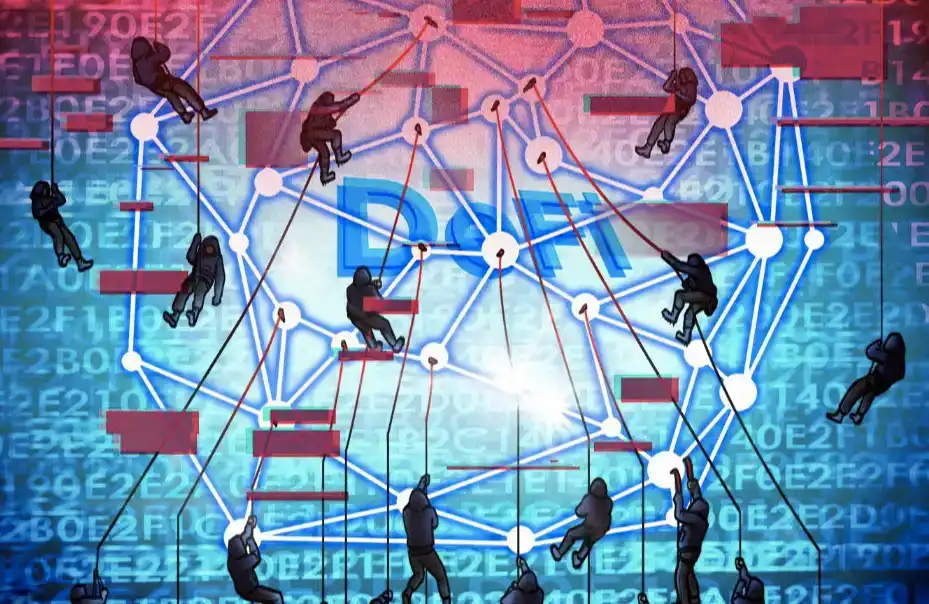
IOSG: DeFi at Its Most Critical Moment, The Real Vulnerability Lies Not in the Code

In April 2026, a series of major DeFi exploits—targeting Drift Protocol ($285M), KelpDAO ($292M via bridge), and Wasabi Protocol ($4.5M)—revealed a fundamental security crisis. None involved smart contract code vulnerabilities. Instead, losses stemmed from compromised operational foundations: social engineering of multi-signature signers, a single-point-of-failure bridge validator, and stolen admin private keys. This month, where over $625M was stolen across ~30 incidents, marked the collapse of DeFi's core security premise: that rigorous code audits alone ensure safety. The real vulnerabilities lay in trusted operational components—admin keys, governance councils, and bridge configurations—areas audits typically ignore. The KelpDAO incident triggered an asymmetric domino effect: its $2.92B unsupported token mint caused ~$8.5B in outflows from Aave and a $13.2B total DeFi TVL drop in 48 hours, showcasing how one protocol's operational failure can cascade through composable systems. The article argues that most so-called "DeFi" is actually "OpenFi": permissionless and transparent on-chain, but critically reliant on trusted third parties for key operations. This inherent trade-off between decentralization and operational feasibility is often obscured by marketing. The industry's path forward requires honest disclosure of trust assumptions (like L2Beat's framework), treating operational security as a first-class discipline alongside code audits, and designing systems whose risks can be clearly assessed and insured. The April events were not a code security failure but a breakdown in the mental model surrounding it.

marsbit28 мин. назад

IOSG: DeFi at Its Most Critical Moment, The Real Vulnerability Lies Not in the Code

marsbit28 мин. назад

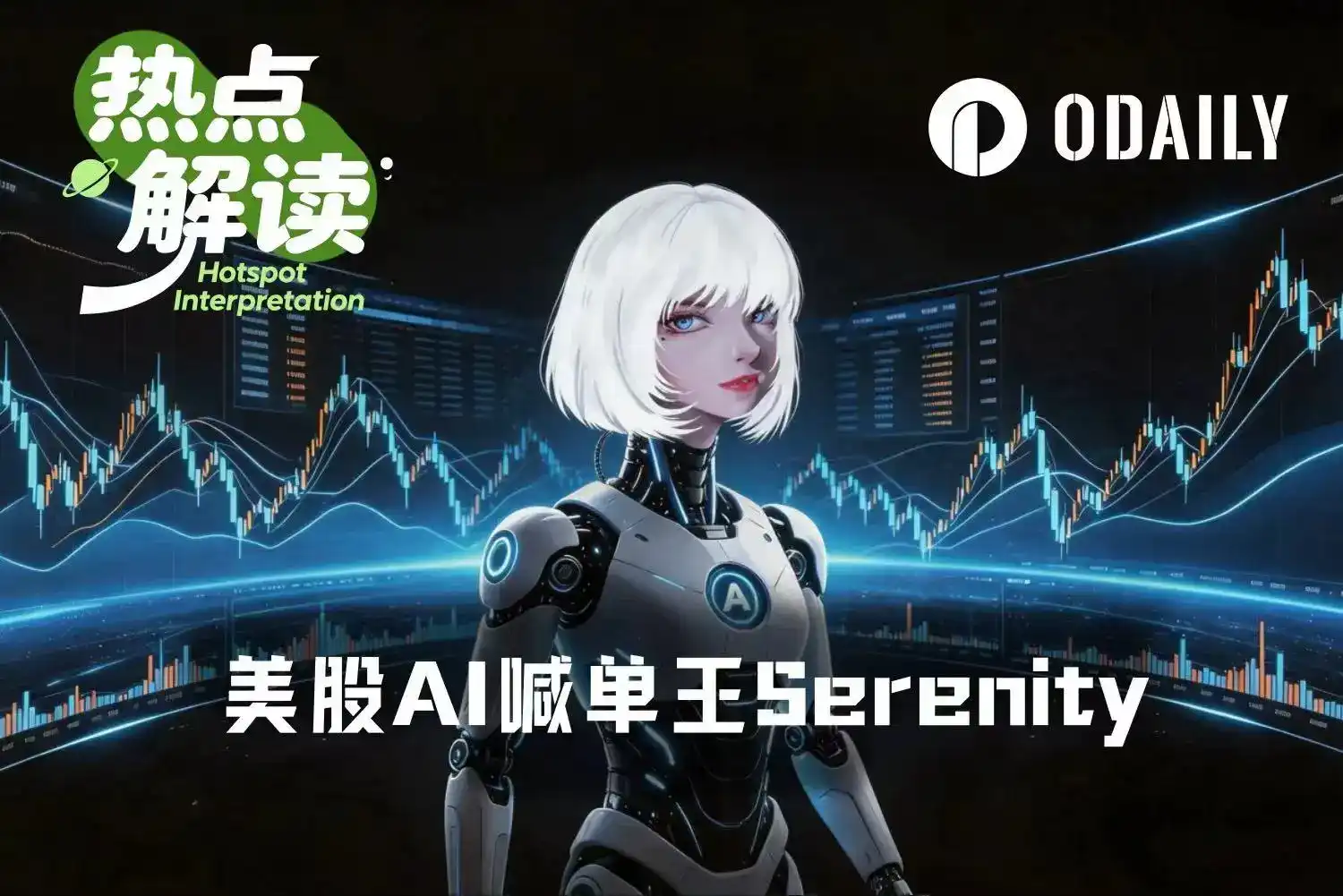
The 'Stock Call King' Serenity: 3840% Annual Return, Beating Institutions to the Punch

This article profiles the mysterious stock trader and analyst known as Serenity, who has gained significant influence on social media platform X as a "stock call king." Serenity claims extraordinary annual returns of 3840% for the current year and 2256% over the past two years, primarily by focusing on overlooked companies within the AI and semiconductor supply chains. Operating anonymously, Serenity describes himself as a former Reddit WallStreetBets trader, an AI/semiconductor supply chain analyst, and a former AI research scientist. His core investment strategy, termed the "Chokepoint" theory, involves identifying small, critical bottleneck companies in the AI infrastructure ecosystem—such as those in photonics, substrates, and materials—that are essential yet undervalued. He argues these "invisible champions" become crucial as demand for AI hardware surges, creating significant investment opportunities before large institutions take notice. A frequently cited example is stock AXTI, which he has recommended for over two years and claims has yielded over 10,000% returns. The article notes that while Serenity's free, public posts on X have garnered a large following, his identity and exact portfolio size remain unverified, leading to some skepticism. Critics question if his reported returns are fabricated or if he might be manipulating prices of low-market-cap stocks. Serenity counters that he shares research freely to democratize information, allowing retail investors to benefit before institutional buy-ins, and that percentage returns are more meaningful than disclosing specific dollar amounts. Ultimately, the article presents Serenity as a polarizing figure—either a visionary analyst with a superior research framework or a potentially sophisticated market player. It concludes that the truth of his claims and legacy will only be determined by time.

Odaily星球日报36 мин. назад

The 'Stock Call King' Serenity: 3840% Annual Return, Beating Institutions to the Punch

Odaily星球日报36 мин. назад

Торговля

Спот
Фьючерсы
活动图片