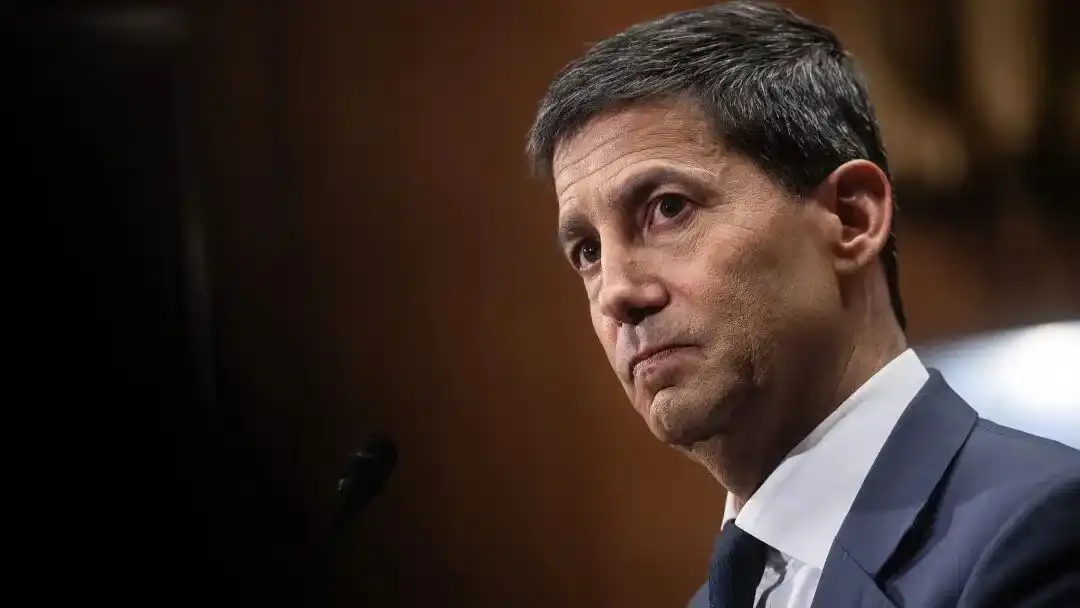
The article "The Warsh Storm Approaches" analyzes the potential market impact of Kevin Warsh becoming the new Federal Reserve Chairman, succeeding Jerome Powell. It argues that the current AI-driven stock market rally, concentrated in high-valuation tech giants, relies on a crucial premise: that long-term interest rates will eventually fall. This premise is now under threat as the 30-year Treasury yield remains persistently high, exceeding 5%, due to sticky inflation, worsening U.S. fiscal deficits, and deteriorating Treasury supply-demand dynamics. The core vulnerability is that high long-term rates pressure valuations by increasing the discount rate for future earnings. The article warns that Warsh's policy stance could intensify this pressure. Unlike Powell, Warsh is seen as more tolerant of market stress, more committed to quantitative tightening (QT/shrinking the Fed's balance sheet), and less inclined to provide implicit market support. His tenure at the Fed during the 2008 crisis shaped his skepticism about prolonged quantitative easing, believing it fuels asset bubbles without sufficiently boosting the real economy. While strong AI-driven earnings growth could theoretically offset higher rates, the narrative is currently concentrated in a few firms and hasn't yet translated into broad-based productivity gains for the wider economy. Therefore, the AI boom may not be enough to counter the valuation pressures from sustained high yields. Warsh's leadership could force the market to confront a new reality where the old supports—low long-term rates and a reliably supportive Fed—are no longer guaranteed, potentially triggering a reassessment of sky-high stock valuations.
marsbit2026.05.19