The New York Times: After Trump's Return to the White House, Major Retreat in SEC's Crypto Lawsuits

marsbitPublicado em 2025-12-16Última atualização em 2025-12-16

Resumo

In a significant policy reversal following Donald Trump's return to the White House, the U.S. Securities and Exchange Commission (SEC) has dramatically scaled back its enforcement actions against the cryptocurrency industry. An investigation by The New York Times found that over 60% of ongoing crypto-related cases were either paused, settled favorably, or dropped entirely under the new administration. Key findings include the SEC dropping seven crypto cases, five of which involved firms with known financial ties to Trump. An additional seven cases saw reduced charges or lenient settlements, with three linked to Trump associates. The remaining nine active cases involve entities with no known connection to the former president. The SEC stated its shift was based on legal and policy considerations, not political favoritism, citing long-standing internal opposition to many crypto lawsuits. However, the timing coincides with Trump’s pro-crypto stance and his family’s business ventures in the sector, including the World Liberty Financial project. Notable cases dropped or softened include those against Binance, Ripple Labs, and Gemini Trust. The latter is operated by the Winklevoss twins, who have financial and business ties to the Trump family. While no direct evidence of presidential pressure was found, the pattern suggests a stark departure from the aggressive enforcement seen under the Biden administration. The policy shift has raised concerns among former SEC officials abou...

A cryptocurrency company operated by billionaire brothers the Winklevosses once faced a severe federal lawsuit, but after Donald Trump returned to the White House, the U.S. Securities and Exchange Commission (SEC) decided to suspend the case. Previously, the SEC had also filed a lawsuit against the world's largest cryptocurrency exchange, Binance, yet after the new administration took office, the lawsuit was completely dismissed. Additionally, after years of legal disputes with Ripple Labs, the new SEC attempted to reduce the penalties imposed by the court on this cryptocurrency company.

An investigation by The New York Times found that the SEC's retreat in these cases reflects a comprehensive shift in the federal government's attitude toward the cryptocurrency industry after Trump began his second term. No regulatory agency has ever withdrawn multiple lawsuits against the same industry on such a large scale, yet The New York Times discovered that when Trump took office again, over 60% of the cryptocurrency-related cases being pursued by the SEC saw relaxed handling—either suspending proceedings, reducing penalties, or outright dismissing cases.

The investigation also pointed out that the move to dismiss cryptocurrency cases is particularly unusual. During Trump's administration, the proportion of dismissed cases related to cryptocurrency companies far exceeded the dismissal rate for cases in other industries. Although the specifics of these cryptocurrency lawsuits vary, many of the involved companies share a commonality: financial dealings with Trump, who calls himself the "crypto president."

As the top federal agency overseeing financial market violations, the SEC is no longer actively pursuing any company known to be associated with Trump. For all companies that have cooperated with the Trump family's cryptocurrency business or funded his political activities, the SEC has dismissed related lawsuits. The only remaining cryptocurrency-related cases now involve obscure entities with no apparent connection to Trump.

· The SEC dismissed 7 cryptocurrency cases, 5 of which involved companies with known ties to Trump;

· Another 7 cryptocurrency cases were suspended, with favorable settlement plans or concessions made, 3 of which involved companies with known ties to Trump;

· Only 9 cases remain without dismissal, and none of these involve parties with known connections to Trump.

The SEC stated in a declaration that there was no political favoritism in handling cryptocurrency enforcement cases, and this adjustment in enforcement direction was based on legal and policy considerations, including doubts about its own authority to regulate the cryptocurrency industry. The SEC also emphasized that long before Trump supported the cryptocurrency industry, current Republican commissioners fundamentally opposed filing most cryptocurrency-related lawsuits, while stressing that the SEC "places great importance on securities fraud issues and earnestly safeguards investor rights."

There is currently no evidence that the president pressured the SEC to show leniency toward specific cryptocurrency companies. The New York Times also found no indication that these companies influenced the cases by providing political donations or engaging in business collaborations with Trump; some financial dealings and business collaborations even occurred after the SEC adjusted its case handling approach.

But the core issue is that Trump is both a participant in the cryptocurrency industry and its top policymaker. As president, the policies he promotes, if highly aligned with his personal interests, create conflicts of interest. The fact that many cryptocurrency companies sued by the SEC are connected to him highlights this very conflict.

At the start of Trump's second term, the White House publicly declared that the president would "halt those aggressive enforcement actions and excessive regulatory measures that hinder cryptocurrency innovation." Although the SEC's dismissal of individual cryptocurrency cases had already attracted public attention, The New York Times, through analyzing thousands of court records and conducting dozens of interviews, found that the scale of the SEC's relaxation of cryptocurrency regulation this year far exceeds previous instances, and Trump's allies in the cryptocurrency industry have reaped significant benefits, details that had not been fully exposed before.

All defendants involved in this investigation denied any violations, with many claiming they were only accused of procedural violations. Additionally, some cases where the SEC relaxed its handling involved companies with no apparent connection to the president.

White House Press Secretary Karoline Leavitt dismissed claims that Trump and his family have conflicts of interest, stating that the related policies Trump is promoting "fulfill the president's promise to advance innovation, create economic opportunities for all Americans, and help the U.S. become a global cryptocurrency hub."

The Trump administration has comprehensively relaxed regulation of the cryptocurrency industry, with the U.S. Department of Justice even disbanding its cryptocurrency enforcement unit. The SEC's policy shift this year can be described as a 180-degree turn.

Analysis by The New York Times shows that during the Biden administration, the SEC filed an average of over two cryptocurrency-related cases per month, through channels including federal courts and the agency's internal legal system. Even during Trump's first term, the SEC filed about one cryptocurrency-related case per month on average, including the high-profile Ripple lawsuit.

In stark contrast, after Trump took office again, the SEC has not filed a single cryptocurrency-related case, while dozens of lawsuits against other industries are still proceeding.

Atkins stated in a declaration that these measures by the SEC were merely to rectify the overly aggressive regulatory stance of the previous administration toward the cryptocurrency industry. He said the SEC under Biden used enforcement power to forcibly implement new policies. He emphasized: "I have made it clear that we will completely abandon the model of using enforcement as a substitute for regulation."

While cryptocurrency companies cheer this new era, veteran SEC lawyers who led these cases are deeply concerned about the trend of relaxed regulation. They worry that this agency, founded during the worst of the Great Depression and nearly a century old, with its original purpose of protecting investor interests and maintaining market order, will now, by relaxing regulatory pressure, embolden the cryptocurrency industry, thereby harming consumer rights and even posing risks to the entire financial system.

Christopher E. Martin, a former senior litigation attorney at the SEC who led a lawsuit against a cryptocurrency company, chose to retire after the SEC dismissed the case this year. Speaking about the SEC's broad relaxation of regulation, he said bluntly: "This is complete capitulation, simply throwing investors to the wolves."

The End of Regulatory Crackdowns
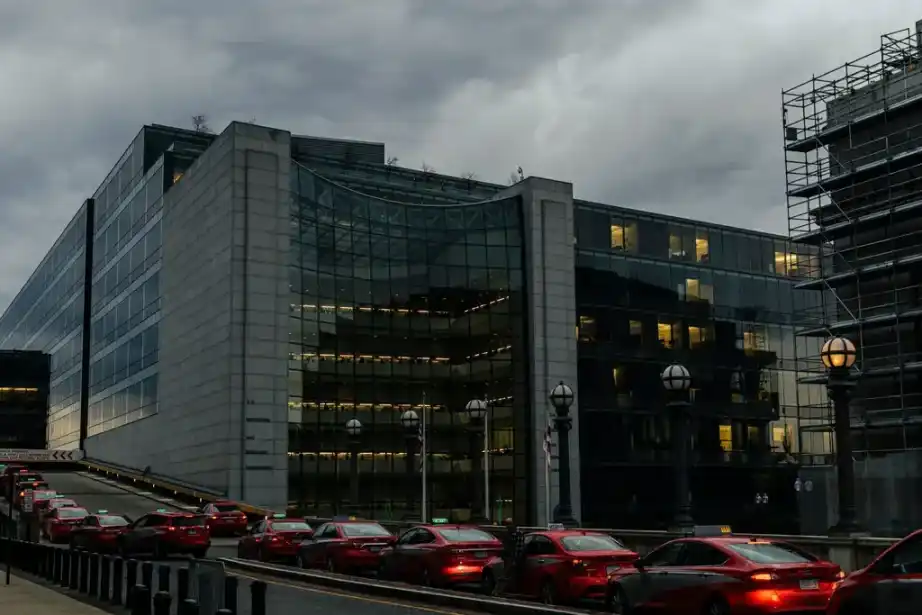
Late last year, inside the glass-walled SEC headquarters in Washington, regulatory actions against cryptocurrency had nearly ground to a halt. Gary Gensler, the SEC chairman during the Biden administration, had wanted to advance multiple cryptocurrency investigations, but his term was counting down.

Previously, Trump had just announced the launch of a cryptocurrency project called World Liberty Financial with his family,紧接着 (immediately after) successfully won re-election, and he had long publicly declared his intention to limit the SEC's power.

In fact, Trump has not always supported the cryptocurrency industry. During his first term, he once tweeted that cryptocurrency was purely air and could facilitate illegal activities like drug trafficking. The SEC at that time also adopted a tough regulatory stance, even establishing a dedicated unit to investigate online violations in the cryptocurrency field and filing dozens of related lawsuits.

During the Biden administration, the SEC's regulation of cryptocurrency escalated further. In 2022, the large cryptocurrency exchange FTX collapsed, and that same year the size of the SEC's cryptocurrency regulatory division nearly doubled, expanding to about 50 lawyers and industry experts.

Whether during Trump's first term or the Biden administration, the SEC始终 believed that since investors might put their life savings into cryptocurrency, they had the right to understand the risks. But a thorny legal question始终 plagued the SEC: Did the agency truly have the authority to file these lawsuits against the cryptocurrency industry? The answer depended on whether cryptocurrency qualifies as a security, a derivative category of modern stocks and other financial instruments.

The SEC claimed that many cryptocurrencies are essentially securities, therefore cryptocurrency exchanges and brokers must register with the SEC, disclose detailed information as required, and some institutions must undergo independent review. If registration obligations are not fulfilled, the SEC can sue them under securities laws.

The cryptocurrency industry countered that most cryptocurrencies are not securities but a special type of financial product that should have its own专属 regulatory rules, which the SEC had not yet formulated. Summer Mersinger, CEO of the cryptocurrency industry association Blockchain Association, said: "We don't want to escape regulation, we just hope to have clear and definite rules as a basis for operation."

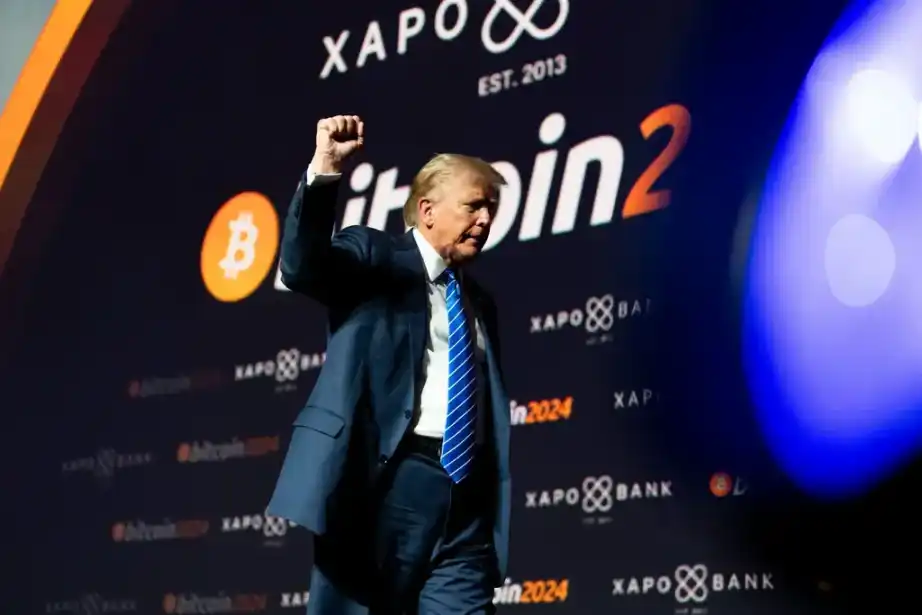
2024 marked a turning point, with Trump's attitude completely shifting from skepticism to endorsement of cryptocurrency. In a speech that July, he promised cryptocurrency practitioners that the "deliberate crackdown" on the industry would stop, proclaiming "I will fire Gary Gensler on day one."
The SEC, as an independent agency, has 5 presidentially appointed commissioners, with the chairman typically aligned with the administration that appointed him. Decisions on whether to file, settle, or dismiss cases require a vote by the commissioners, but the actual investigative work is done by dedicated enforcement staff. This mechanism allows for flexible adjustment of regulatory focus while avoiding major policy fluctuations due to sudden political shifts.

But after Trump's second electoral victory, the atmosphere at the SEC changed dramatically. Shortly after the election, Gensler announced his resignation. The cryptocurrency regulatory division, once a hot岗位 for career advancement, suddenly became a "hot potato."

According to anonymous sources familiar with the matter, during the presidential transition, Gensler's enforcement director Sanjay Wadhwa pleaded with enforcement staff to "do the job the American people pay us to do."

But some staff began to退缩 (hold back). Sources said one executive in the cryptocurrency regulatory team took several weeks of leave without authorization, ignoring emails related to cases; another executive refused to sign documents related to the few cryptocurrency cases filed by the SEC after the election;还有些工作人员干脆停止处理加密货币案件 (some staff simply stopped handling cryptocurrency cases),彻底阻碍 (completely hindering) Gensler's final efforts to advance regulation.

Victor Suthammanont, who worked at the SEC for ten years and served as an enforcement advisor to Gensler before leaving, said that after previous two government transitions, staff always坚守岗位、正常履职 (stayed at their posts and performed their duties normally). "But this transition was completely different, the internal atmosphere of the agency changed instantly," Suthammanont said, though he did not discuss specific cases.
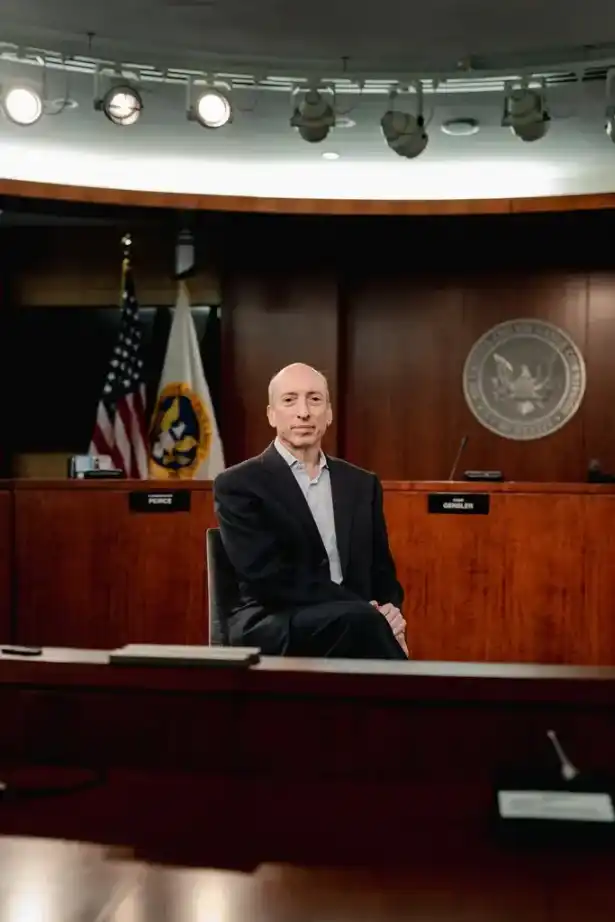
Gary Gensler announced his resignation after Trump won re-election

After Trump was sworn in, the situation became irreversible. He first appointed SEC Republican commissioner Mark T. Uyeda as acting chairman, pending Senate confirmation of his nominee Paul S. Atkins. Uyeda had long opposed the SEC's approach to cryptocurrency cases, telling The New York Times in an interview that many of Gensler's regulatory moves were based on "new theories lacking support from existing law."

Gensler, in a 2022 speech, had expressed a diametrically opposite view, stating: "Even with new technologies, existing laws do not become obsolete."

In early February 2025, Uyeda transferred Jorge G. Tenreiro from his position as head of SEC litigation. Tenreiro had previously led the work of the cryptocurrency regulatory division and overseen many related cases; this transfer to the information technology department was seen within the SEC as a humiliating demotion.

After Tenreiro's departure, the SEC began to stop investigations into several cryptocurrency companies that might face lawsuits. Although some investigations continued, at least 10 companies announced they were no longer under SEC investigation, one of which issued such an announcement just last week.

No Room for Negotiation
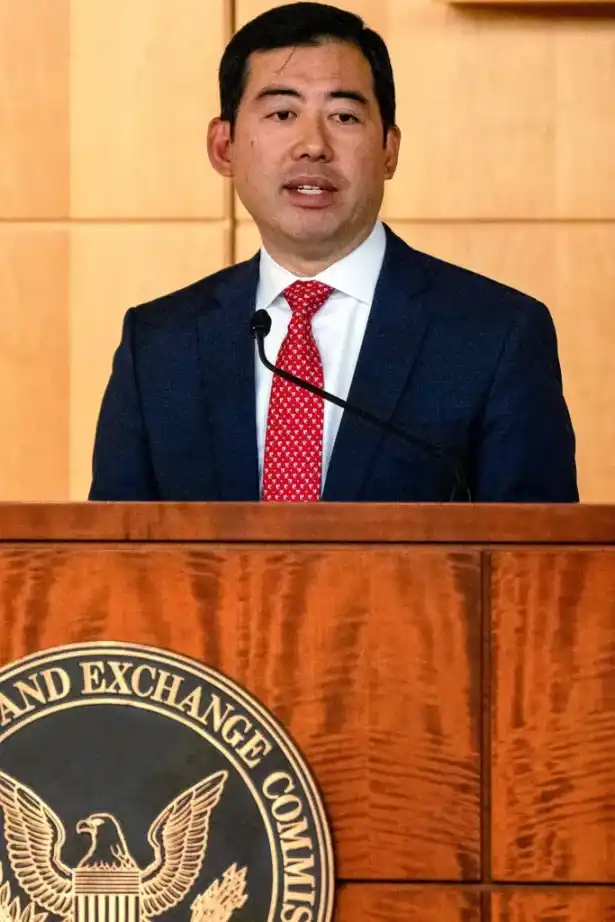
Uyeda soon faced a more棘手 (thorny) problem: how to handle the cryptocurrency lawsuits left over from the Biden administration that were still under adjudication. The SEC suspending investigations is common, but dismissing cases already in litigation is extremely rare and requires approval by a vote of the Commissioners.

The lawsuit against Coinbase, the largest U.S. cryptocurrency exchange, for failing to register, was a high-profile case in the cryptocurrency field. During the Biden administration, Coinbase adopted a tough defense strategy, successfully persuading a judge to allow a higher court to review the case before trial.

Now with the SEC under Trump's control, Coinbase was among the first companies to apply for dismissal of its case. Conventionally, the SEC chairman's office does not usually get involved in (介入) negotiations for such cases, leaving it to dedicated enforcement lawyers. But during these negotiations, staff from Uyeda's office participated in some of the talks with Coinbase alongside the enforcement lawyers.

Coinbase Chief Legal Officer Paul Grewal, a former federal judge, said in an interview: "We always ensured timely updates to the incoming chairman's office on the progress of case negotiations, ensuring they were fully informed." Uyeda said his staff's participation in such coordination meetings was "完全合乎规范 (completely within norms)."

Initially, the SEC under Uyeda's leadership was unwilling to dismiss the case entirely. Informed sources revealed that the SEC's initial proposal was only to suspend the case. But this proposal was rejected by Coinbase.

The SEC then made greater concessions (作出更大让步), proposing to dismiss the case but reserve the right to reopen it if leadership changed its mind later, but this proposal was also not accepted by Coinbase. Grewal stated firmly: "Our position was very clear, either they dismiss the case completely, or we continue to defend ourselves. There was no room for negotiation on this matter."

Ultimately, the SEC chose to compromise. By then, Gensler and another Democratic commissioner had left, leaving the SEC commission with only two Republican commissioners and one Democratic commissioner.

Uyeda did not respond specifically to this decision, but said: "It was not appropriate to continue pushing these types of cases, especially if the SEC might soon no longer endorse the theories underlying the litigation."

The remaining Democratic commissioner, Caroline A. Crenshaw, said bluntly in an interview that the SEC's approach gave the cryptocurrency industry a major advantage, "They can practically do whatever they want without facing any consequences."

Change in Attitude

After the Coinbase case was dismissed, the cryptocurrency industry saw it as a signal of the SEC's capitulation. Lawyers for other cryptocurrency companies followed suit, seeking similar outcomes for their clients. By the end of May, the SEC had dismissed another 6 cryptocurrency-related cases.

Analysis of court records by The New York Times found this phenomenon highly anomalous. During the Biden administration, the SEC never voluntarily dismissed any cryptocurrency case left over from Trump's first term. During that period, only one case was dismissed due to the death of a defendant, and in another case, part of the claims were dropped due to an unfavorable ruling by a judge.

After Trump began his second term, however, 33% of the cryptocurrency cases left over from the Biden administration were dismissed, compared to a dismissal rate of only 4% for cases in other industries.

Despite the SEC's repeated promises to continue pursuing securities fraud, it still dismissed the lawsuit against Binance. Previously, the SEC had accused two affiliated entities of Binance of fraudulent behavior, alleging they misled consumers about preventing manipulative trading.

Additionally, the SEC applied to the court to suspend the fraud case against Justin Sun and the Tron Foundation he founded. There are 4 such cases suspended pending settlement negotiations; the SEC has not yet announced the outcome of this case.

The Trump administration inherited a total of 23 cryptocurrency cases, 21 originating from the Biden era and 2 left over from Trump's first term. The SEC has relaxed its approach in 14 of these cases. Of these 14 cases, 8 involved companies that established connections with Trump and his family around the time the cases were handled.
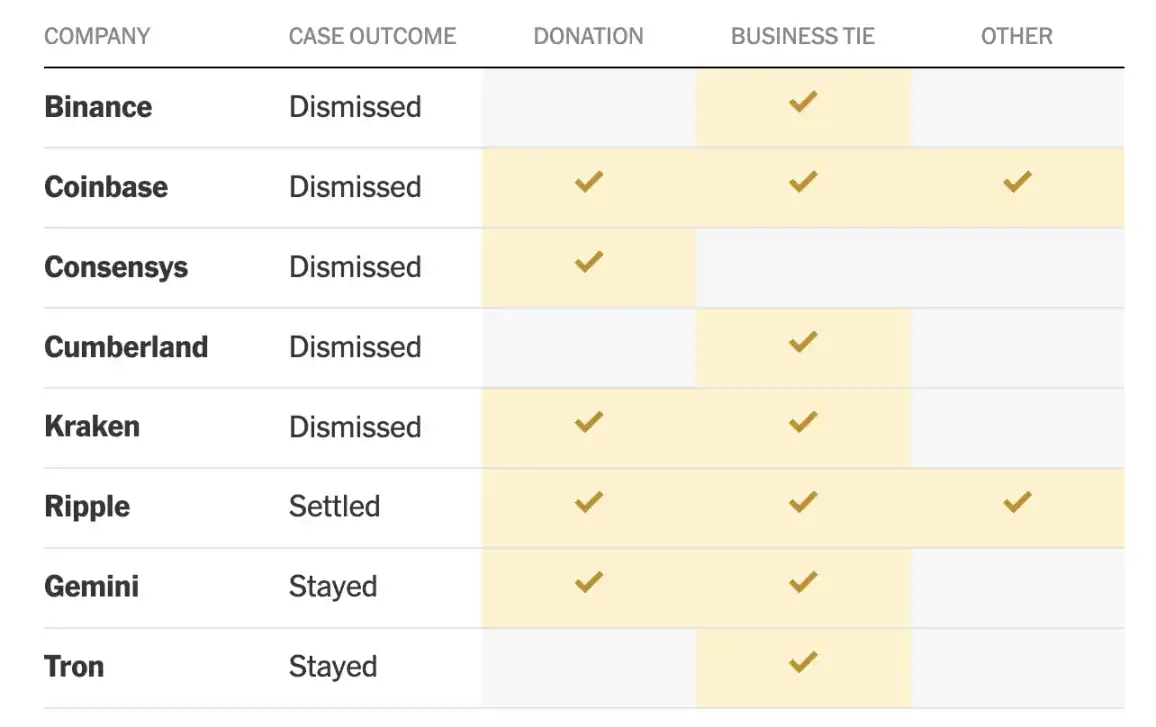
For example, Justin Sun spent $75 million to buy tokens issued by World Liberty Financial. The Tron Foundation did not respond to multiple requests for comment; Justin Sun and the Tron Foundation stated in court filings that the SEC lacked evidence to prove fraud and lacked the authority to sue them.

Weeks before the Binance case was dismissed, the company participated in a $2 billion business transaction using stablecoins issued by World Liberty Financial. This transaction was expected to bring tens of millions of dollars in annual revenue to the Trump family.

A spokesperson for World Liberty Financial stated that "the company has no connection whatsoever to the U.S. government" and "does not exert any influence on government policy-making or decision-making processes." Binance said in a statement that the SEC's lawsuit against it was essentially "targeted suppression of the cryptocurrency industry."

In March 2025, the SEC dismissed the case accusing cryptocurrency trader Cumberland of conducting unregistered securities business. About two months later, Cumberland's parent company, DRW, invested nearly $100 million in the Trump family's media company. DRW executives said the company only got the investment opportunity after the case was dismissed, and the SEC dismissed the case simply because the allegations lacked factual basis.

Ripple, which donated nearly $5 million to Trump's inauguration, was also embroiled in litigation. During Trump's first term, the SEC accused Ripple of failing to disclose key information to investors when issuing crypto tokens. Last year, a federal judge dismissed some of the SEC's charges but still ruled that Ripple violated securities laws and fined it $125 million.

After Trump took office again, the SEC tried to reduce the fine to $50 million. The judge sharply criticized the SEC for this reversal and rejected the request. Ripple argued to the judge that it deserved a lighter penalty, partly because the SEC had dismissed subsequent similar cryptocurrency cases. Ultimately, Ripple paid the full fine. In July of this year, the Trump family's media company announced plans to include Ripple's cryptocurrency in a public-facing investment fund.

Hester Peirce, an SEC Republican commissioner who heads the agency's new cryptocurrency task force, said in an interview that dismissing many cryptocurrency cases was correcting past mistakes, as these cases should never have been filed in the first place.

She said: "I believe the real overreach occurred in previous years, when the SEC filed many cases without any legal basis." She added that these lawsuits hindered legitimate industry innovation. Peirce emphasized that case handling is based solely on facts and specific circumstances, unrelated to "the connections of the involved parties," and involves no political or economic considerations.

Deep Pockets
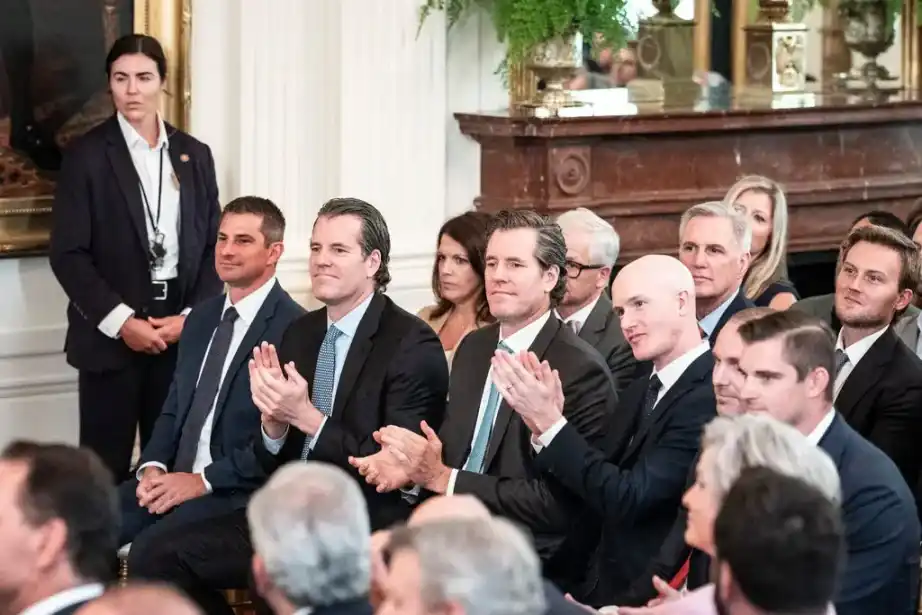
Few in the cryptocurrency industry are closer to Trump than brothers Tyler Winklevoss and Cameron Winklevoss. The brothers founded and operate the cryptocurrency company Gemini Trust. They not only provided funding to committees supporting Trump's re-election and other Republican-related organizations but also contributed to the renovation of the White House banquet hall favored by Trump. Additionally, they provided funding for a high-end private club in Washington called Executive Branch, in which Trump's eldest son, Donald Trump Jr., is a shareholder.

The brothers' investment company recently also injected capital into a new cryptocurrency mining company called American Bitcoin. Trump's second son, Eric Trump, is a co-founder and chief strategy officer of this company, and eldest son Donald Trump Jr. is also an investor.
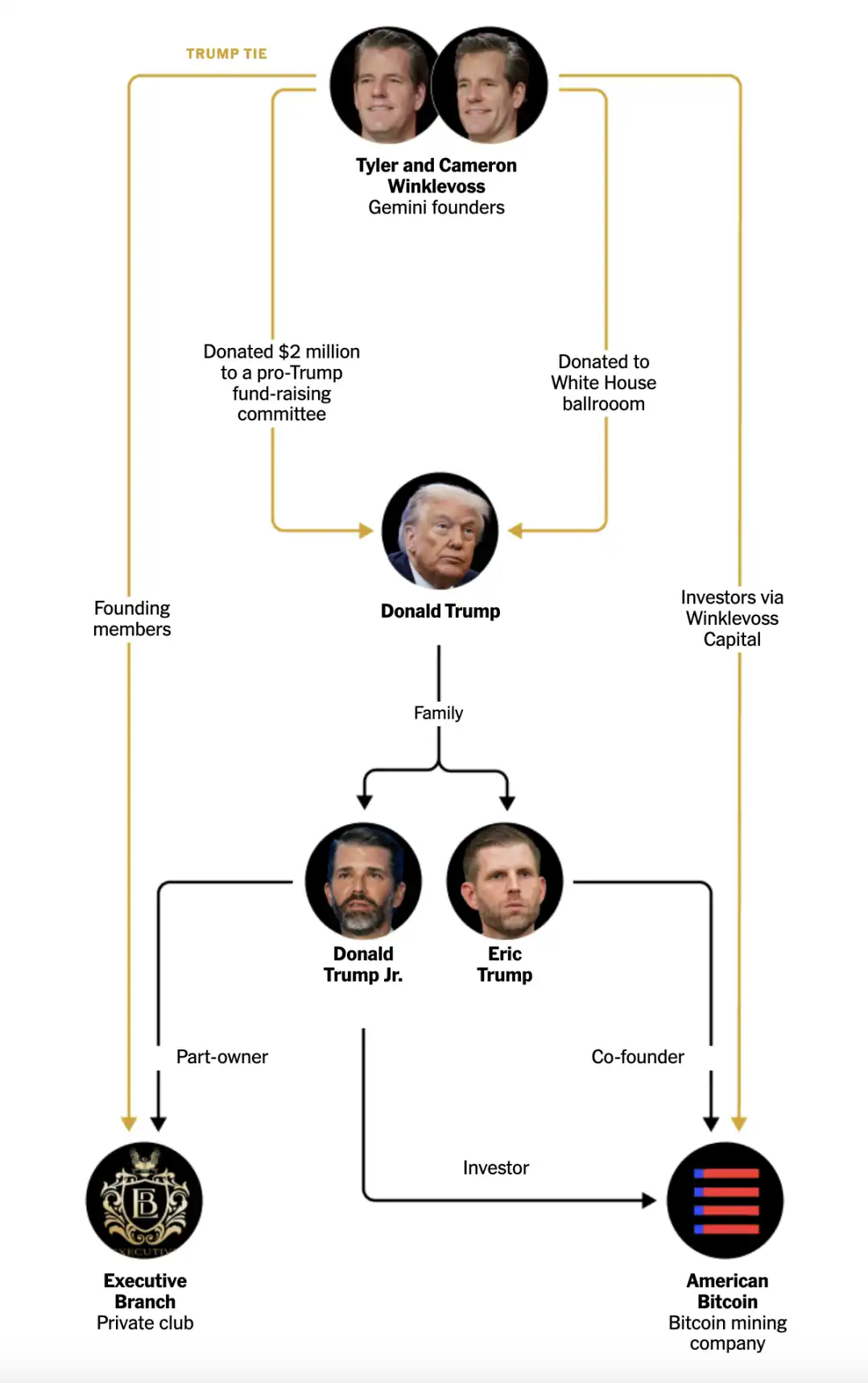
Trump has repeatedly publicly praised the brothers, calling them "talented and good-looking" people with both intelligence and looks. He remarked at a White House event: "They have the looks, the brains, and vast wealth."

But Gemini Trust has also been deeply involved in legal disputes.

In December 2020, Gemini Trust partnered with another company, Genesis Global Capital, to offer Gemini's clients a service to lend crypto assets to Genesis, which would then relend these assets to larger institutional investors.

Genesis would pay interest to users and promised they could redeem their assets at any time; Gemini acted as a middleman, earning a corresponding share. Gemini advertised that the project could provide account holders with an annualized yield of up to 8%.

San Diego data scientist Peter Chen said in an interview that he invested over $70,000 in the project because he trusted Gemini.

"Gemini gave me the impression of being compliantly operated, strictly following rules, one of the most well-regulated companies in the cryptocurrency field," he recalled.

However, in late 2022, Genesis, facing bankruptcy crisis, froze the accounts of 230,000 clients.

A 73-year-old grandmother pleaded with Gemini to return her life savings of $199,000. According to lawsuit documents filed by New York state regulators, she wrote in her plea: "Without this money, I am completely desperate."

In May 2024, Genesis reached a $2 billion settlement with New York state regulators, and clients' funds were eventually recovered. Gemini also settled with New York state, agreeing to pay up to $50 million if necessary to cover remaining client losses. Gemini insisted it had done nothing wrong, blaming the crisis on Genesis, and emphasized that ultimately no client suffered losses.

But the SEC also sued both companies, accusing them of offering crypto assets without registration. Tyler Winklevoss called the lawsuit on social media "deliberately fabricated charges."

Genesis chose to settle with the SEC, but Gemini insisted on defending the lawsuit until April 2025, when the SEC suddenly proposed suspending the case to negotiate a resolution. In September of the same year, the SEC disclosed that it had reached a settlement agreement with Gemini, which is still pending a vote by the commissioners.

The SEC told the federal judge overseeing the case that the agreement "will completely end this litigation dispute."


Perguntas relacionadas

QWhat significant change did the SEC make in its approach to cryptocurrency lawsuits after Trump's return to the White House?

AThe SEC paused, reduced penalties, or outright dismissed over 60% of the cryptocurrency-related lawsuits it was pursuing, with a particular focus on cases involving firms connected to Donald Trump.

QAccording to the article, what was a common factor among many of the SEC dropped cases against?

AMany of the cryptocurrency firms that had their cases dropped had financial or business ties to Donald Trump, who called himself the 'crypto president'.

QHow did the SEC justify its change in enforcement direction regarding cryptocurrency cases?

AThe SEC stated in a declaration that the shift was due to legal and policy considerations, including doubts about its own authority to regulate the cryptocurrency industry, and denied any political favoritism.

QWhat was one notable example of a high-profile case that the SEC dropped under the new administration?

AThe SEC dropped its high-profile lawsuit against the largest cryptocurrency exchange, Binance, which had been accused of misleading consumers about its safeguards against manipulative trading.

QHow did the actions of some SEC staff change during the transition to the Trump administration, as described in the article?

ASome staff became reluctant to work on crypto cases, with one executive taking extended leave, another refusing to sign off on case filings, and others simply stopping work on them, hindering final enforcement efforts.

Leituras Relacionadas

The World Cup is Here: The Battle for Entry into Prediction Markets Has Begun

The 2026 FIFA World Cup has begun, and alongside the on-field competition, a new off-field battleground is emerging: prediction markets. These blockchain-based platforms, which convert crowd wisdom into tradable probabilities, are gaining significant traction. However, their complexity—involving wallets, gas fees, and smart contracts—has historically limited participation to crypto-native users. Centralized exchanges (CEXs), like Gate, are tackling this adoption barrier. By integrating with leading prediction market protocol Polymarket, Gate simplifies the user experience. Users can participate directly with their exchange account and USDT, bypassing complex Web3 steps. Gate offers a streamlined "Prediction Mode" for casual users and a professional "Trading Mode" with advanced tools. Key features include two-way trading (allowing users to buy or sell positions before event resolution), support for diverse markets (sports, crypto, macroeconomics), and a suite of information tools like a "Smart Money" leaderboard, wallet tracking, and AI-powered insights. For the World Cup, Gate launched a dedicated hub aggregating schedules, standings, and relevant markets. This allows fans to seamlessly follow games and trade on outcomes, transforming passive viewing into active participation where they can monetize their predictions and trade on shifting consensus throughout a match. The article argues that prediction markets have proven their value in event forecasting. The next challenge is mass adoption. The competition is shifting from building effective protocols to creating accessible user entry points. By lowering technical barriers and building a complete ecosystem for information and trading, platforms like Gate aim to transition prediction markets from a niche crypto tool to a mainstream platform for expressing and trading on collective intelligence.

Odaily星球日报Há 12m

The World Cup is Here: The Battle for Entry into Prediction Markets Has Begun

Odaily星球日报Há 12m

Spain Held to a Draw by Cape Verde, Jucom Prediction Market Witnesses Historic Upset

In a major upset at the 2026 FIFA World Cup, tournament favorites Spain were held to a surprising 0-0 draw by debutants Cape Verde in their Group H opener on June 16, Beijing time. Despite dominating possession (74%) and recording 27 shots with an expected goals figure of 2.16, Spain failed to break down a resilient Cape Verde defense, with their 40-year-old goalkeeper Vozinha making 7 saves to earn Man of the Match. Pre-match predictions on the Jucom prediction market had heavily favored Spain, assigning them a 92% win probability. The actual result, a goalless draw, triggered significant volatility across related prediction markets. This outcome forces a market-wide reassessment of several key probabilities, including Spain's likelihood of winning the group and the tournament itself, while Cape Verde's previously near-zero chance of advancing is now being re-evaluated. The event highlights both the efficiency and the inherent limitations of prediction markets. While prices aggregate known information, football's low-scoring, high-variance nature means unquantifiable in-game factors can lead to unlikely results. The core value of such markets lies not in perfect foresight but in their ability to dynamically reflect how new information is incorporated into collective expectations. Platforms like Jucom, which track outcomes from single matches to the final champion, provide a real-time lens into how global consensus evolves with each game.

链捕手Há 16m

Spain Held to a Draw by Cape Verde, Jucom Prediction Market Witnesses Historic Upset

链捕手Há 16m

Standard Chartered Bank Places a 40x 'Bet', Calls for UNI to Rise to $100

Standard Chartered Bank’s digital asset research head, Geoff Kendrick, initiated coverage on Uniswap with a highly bullish long-term price target of $100 for its UNI token by 2030—a roughly 40-fold increase from its ~$2.60 trading price at the time of the report. The bank’s thesis hinges on the exponential growth of tokenized real-world assets (RWA), projected to surge from ~$340 billion to $4 trillion by 2028. It expects the share of these assets deployed in DeFi to rise from 3.5% to 30%, driving total DeFi TVL to around $2.7 trillion. As the leading decentralized exchange (DEX), Uniswap is positioned to capture a significant portion of this liquidity influx. A key catalyst is Uniswap’s “fee switch,” activated in late 2024, which directs a portion of protocol fees to UNI token buybacks and burns. This transforms UNI from a pure governance token into a yield-generating, deflationary asset, narrowing its valuation gap with centralized exchanges like Coinbase. The report draws an analogy: Coinbase operates like Netflix (centralized, high-cost), while Uniswap functions like YouTube (open, user-generated, network-effect driven). Despite its dominant market share and recent institutional adoption—such as BlackRock’s BUIDL fund and Fidelity’s stablecoin using Uniswap for liquidity—the path faces challenges. Competition from Solana-based DEXs and aggregators threatens user mindshare, while regulatory delays or setbacks in RWA adoption could slow the projected growth. Furthermore, UNI remains down over 92% from its 2021 peak, reflecting persistent market skepticism. Ultimately, Standard Chartered’s report signals a shift in traditional finance’s perception of DeFi, valuing network effects and cash flow potential. However, realizing the $100 target depends on Uniswap successfully navigating intense competition, regulatory hurdles, and the multi-year timeline for massive tokenized asset adoption.

marsbitHá 40m

Standard Chartered Bank Places a 40x 'Bet', Calls for UNI to Rise to $100

marsbitHá 40m

Trading

Spot
Futuros

Artigos em Destaque

O que é $S$

Compreender o SPERO: Uma Visão Abrangente Introdução ao SPERO À medida que o panorama da inovação continua a evoluir, o surgimento de tecnologias web3 e projetos de criptomoeda desempenha um papel fundamental na formação do futuro digital. Um projeto que tem atraído atenção neste campo dinâmico é o SPERO, denotado como SPERO,$$s$. Este artigo tem como objetivo reunir e apresentar informações detalhadas sobre o SPERO, para ajudar entusiastas e investidores a compreender as suas bases, objetivos e inovações nos domínios web3 e cripto. O que é o SPERO,$$s$? O SPERO,$$s$ é um projeto único dentro do espaço cripto que procura aproveitar os princípios da descentralização e da tecnologia blockchain para criar um ecossistema que promove o envolvimento, a utilidade e a inclusão financeira. O projeto é concebido para facilitar interações peer-to-peer de novas maneiras, proporcionando aos utilizadores soluções e serviços financeiros inovadores. No seu núcleo, o SPERO,$$s$ visa capacitar indivíduos ao fornecer ferramentas e plataformas que melhoram a experiência do utilizador no espaço das criptomoedas. Isso inclui a possibilidade de métodos de transação mais flexíveis, a promoção de iniciativas impulsionadas pela comunidade e a criação de caminhos para oportunidades financeiras através de aplicações descentralizadas (dApps). A visão subjacente do SPERO,$$s$ gira em torno da inclusão, visando fechar lacunas dentro das finanças tradicionais enquanto aproveita os benefícios da tecnologia blockchain. Quem é o Criador do SPERO,$$s$? A identidade do criador do SPERO,$$s$ permanece algo obscura, uma vez que existem recursos publicamente disponíveis limitados que fornecem informações detalhadas sobre o(s) seu(s) fundador(es). Esta falta de transparência pode resultar do compromisso do projeto com a descentralização—uma ética que muitos projetos web3 partilham, priorizando contribuições coletivas em vez de reconhecimento individual. Ao centrar as discussões em torno da comunidade e dos seus objetivos coletivos, o SPERO,$$s$ incorpora a essência do empoderamento sem destacar indivíduos específicos. Assim, compreender a ética e a missão do SPERO é mais importante do que identificar um criador singular. Quem são os Investidores do SPERO,$$s$? O SPERO,$$s$ é apoiado por uma diversidade de investidores que vão desde capitalistas de risco a investidores-anjo dedicados a promover a inovação no setor cripto. O foco desses investidores geralmente alinha-se com a missão do SPERO—priorizando projetos que prometem avanço tecnológico social, inclusão financeira e governança descentralizada. Essas fundações de investidores estão tipicamente interessadas em projetos que não apenas oferecem produtos inovadores, mas que também contribuem positivamente para a comunidade blockchain e os seus ecossistemas. O apoio desses investidores reforça o SPERO,$$s$ como um concorrente notável no domínio em rápida evolução dos projetos cripto. Como Funciona o SPERO,$$s$? O SPERO,$$s$ emprega uma estrutura multifacetada que o distingue de projetos de criptomoeda convencionais. Aqui estão algumas das características-chave que sublinham a sua singularidade e inovação: Governança Descentralizada: O SPERO,$$s$ integra modelos de governança descentralizada, capacitando os utilizadores a participar ativamente nos processos de tomada de decisão sobre o futuro do projeto. Esta abordagem promove um sentido de propriedade e responsabilidade entre os membros da comunidade. Utilidade do Token: O SPERO,$$s$ utiliza o seu próprio token de criptomoeda, concebido para servir várias funções dentro do ecossistema. Esses tokens permitem transações, recompensas e a facilitação de serviços oferecidos na plataforma, melhorando o envolvimento e a utilidade gerais. Arquitetura em Camadas: A arquitetura técnica do SPERO,$$s$ suporta modularidade e escalabilidade, permitindo a integração contínua de funcionalidades e aplicações adicionais à medida que o projeto evolui. Esta adaptabilidade é fundamental para manter a relevância no panorama cripto em constante mudança. Envolvimento da Comunidade: O projeto enfatiza iniciativas impulsionadas pela comunidade, empregando mecanismos que incentivam a colaboração e o feedback. Ao nutrir uma comunidade forte, o SPERO,$$s$ pode melhor atender às necessidades dos utilizadores e adaptar-se às tendências do mercado. Foco na Inclusão: Ao oferecer taxas de transação baixas e interfaces amigáveis, o SPERO,$$s$ visa atrair uma base de utilizadores diversificada, incluindo indivíduos que anteriormente podem não ter participado no espaço cripto. Este compromisso com a inclusão alinha-se com a sua missão abrangente de empoderamento através da acessibilidade. Cronologia do SPERO,$$s$ Compreender a história de um projeto fornece insights cruciais sobre a sua trajetória de desenvolvimento e marcos. Abaixo está uma cronologia sugerida que mapeia eventos significativos na evolução do SPERO,$$s$: Fase de Conceituação e Ideação: As ideias iniciais que formam a base do SPERO,$$s$ foram concebidas, alinhando-se de perto com os princípios de descentralização e foco na comunidade dentro da indústria blockchain. Lançamento do Whitepaper do Projeto: Após a fase conceitual, um whitepaper abrangente detalhando a visão, os objetivos e a infraestrutura tecnológica do SPERO,$$s$ foi lançado para atrair o interesse e o feedback da comunidade. Construção da Comunidade e Primeiros Envolvimentos: Esforços ativos de divulgação foram feitos para construir uma comunidade de primeiros adotantes e investidores potenciais, facilitando discussões em torno dos objetivos do projeto e angariando apoio. Evento de Geração de Tokens: O SPERO,$$s$ realizou um evento de geração de tokens (TGE) para distribuir os seus tokens nativos a apoiantes iniciais e estabelecer liquidez inicial dentro do ecossistema. Lançamento da dApp Inicial: A primeira aplicação descentralizada (dApp) associada ao SPERO,$$s$ foi lançada, permitindo que os utilizadores interagissem com as funcionalidades principais da plataforma. Desenvolvimento Contínuo e Parcerias: Atualizações e melhorias contínuas nas ofertas do projeto, incluindo parcerias estratégicas com outros players no espaço blockchain, moldaram o SPERO,$$s$ em um jogador competitivo e em evolução no mercado cripto. Conclusão O SPERO,$$s$ é um testemunho do potencial do web3 e das criptomoedas para revolucionar os sistemas financeiros e capacitar indivíduos. Com um compromisso com a governança descentralizada, o envolvimento da comunidade e funcionalidades inovadoras, abre caminho para um panorama financeiro mais inclusivo. Como em qualquer investimento no espaço cripto em rápida evolução, potenciais investidores e utilizadores são incentivados a pesquisar minuciosamente e a envolver-se de forma ponderada com os desenvolvimentos em curso dentro do SPERO,$$s$. O projeto demonstra o espírito inovador da indústria cripto, convidando a uma exploração mais aprofundada das suas inúmeras possibilidades. Embora a jornada do SPERO,$$s$ ainda esteja a desenrolar-se, os seus princípios fundamentais podem, de facto, influenciar o futuro de como interagimos com a tecnologia, as finanças e uns com os outros em ecossistemas digitais interconectados.

69 Visualizações TotaisPublicado em {updateTime}Atualizado em 2024.12.17

O que é $S$

O que é AGENT S

Agent S: O Futuro da Interação Autónoma no Web3 Introdução No panorama em constante evolução do Web3 e das criptomoedas, as inovações estão constantemente a redefinir a forma como os indivíduos interagem com plataformas digitais. Um projeto pioneiro, o Agent S, promete revolucionar a interação humano-computador através do seu framework aberto e agente. Ao abrir caminho para interações autónomas, o Agent S visa simplificar tarefas complexas, oferecendo aplicações transformadoras em inteligência artificial (IA). Esta exploração detalhada irá aprofundar-se nas complexidades do projeto, nas suas características únicas e nas implicações para o domínio das criptomoedas. O que é o Agent S? O Agent S é um framework aberto e agente, especificamente concebido para abordar três desafios fundamentais na automação de tarefas computacionais: Aquisição de Conhecimento Específico de Domínio: O framework aprende inteligentemente a partir de várias fontes de conhecimento externas e experiências internas. Esta abordagem dupla capacita-o a construir um rico repositório de conhecimento específico de domínio, melhorando o seu desempenho na execução de tarefas. Planeamento ao Longo de Longos Horizontes de Tarefas: O Agent S emprega planeamento hierárquico aumentado por experiência, uma abordagem estratégica que facilita a decomposição e execução eficientes de tarefas intrincadas. Esta característica melhora significativamente a sua capacidade de gerir múltiplas subtarefas de forma eficiente e eficaz. Gestão de Interfaces Dinâmicas e Não Uniformes: O projeto introduz a Interface Agente-Computador (ACI), uma solução inovadora que melhora a interação entre agentes e utilizadores. Utilizando Modelos de Linguagem Multimodais de Grande Escala (MLLMs), o Agent S pode navegar e manipular diversas interfaces gráficas de utilizador de forma fluida. Através destas características pioneiras, o Agent S fornece um framework robusto que aborda as complexidades envolvidas na automação da interação humana com máquinas, preparando o terreno para uma infinidade de aplicações em IA e além. Quem é o Criador do Agent S? Embora o conceito de Agent S seja fundamentalmente inovador, informações específicas sobre o seu criador permanecem elusivas. O criador é atualmente desconhecido, o que destaca ou o estágio nascente do projeto ou a escolha estratégica de manter os membros fundadores em anonimato. Independentemente da anonimidade, o foco permanece nas capacidades e no potencial do framework. Quem são os Investidores do Agent S? Como o Agent S é relativamente novo no ecossistema criptográfico, informações detalhadas sobre os seus investidores e financiadores não estão explicitamente documentadas. A falta de informações disponíveis publicamente sobre as fundações de investimento ou organizações que apoiam o projeto levanta questões sobre a sua estrutura de financiamento e roteiro de desenvolvimento. Compreender o apoio é crucial para avaliar a sustentabilidade do projeto e o seu impacto potencial no mercado. Como Funciona o Agent S? No núcleo do Agent S reside uma tecnologia de ponta que lhe permite funcionar eficazmente em diversos ambientes. O seu modelo operacional é construído em torno de várias características-chave: Interação Humano-Computador Semelhante: O framework oferece planeamento avançado em IA, esforçando-se para tornar as interações com computadores mais intuitivas. Ao imitar o comportamento humano na execução de tarefas, promete elevar as experiências dos utilizadores. Memória Narrativa: Utilizada para aproveitar experiências de alto nível, o Agent S utiliza memória narrativa para acompanhar os históricos de tarefas, melhorando assim os seus processos de tomada de decisão. Memória Episódica: Esta característica fornece aos utilizadores orientações passo a passo, permitindo que o framework ofereça suporte contextual à medida que as tarefas se desenrolam. Suporte para OpenACI: Com a capacidade de funcionar localmente, o Agent S permite que os utilizadores mantenham o controlo sobre as suas interações e fluxos de trabalho, alinhando-se com a ética descentralizada do Web3. Fácil Integração com APIs Externas: A sua versatilidade e compatibilidade com várias plataformas de IA garantem que o Agent S possa integrar-se perfeitamente em ecossistemas tecnológicos existentes, tornando-o uma escolha apelativa para desenvolvedores e organizações. Estas funcionalidades contribuem coletivamente para a posição única do Agent S no espaço cripto, à medida que automatiza tarefas complexas e em múltiplos passos com mínima intervenção humana. À medida que o projeto evolui, as suas potenciais aplicações no Web3 podem redefinir a forma como as interações digitais se desenrolam. Cronologia do Agent S O desenvolvimento e os marcos do Agent S podem ser encapsulados numa cronologia que destaca os seus eventos significativos: 27 de Setembro de 2024: O conceito de Agent S foi lançado num artigo de pesquisa abrangente intitulado “Um Framework Agente Aberto que Usa Computadores como um Humano”, mostrando a base para o projeto. 10 de Outubro de 2024: O artigo de pesquisa foi disponibilizado publicamente no arXiv, oferecendo uma exploração aprofundada do framework e da sua avaliação de desempenho com base no benchmark OSWorld. 12 de Outubro de 2024: Uma apresentação em vídeo foi lançada, proporcionando uma visão visual das capacidades e características do Agent S, envolvendo ainda mais potenciais utilizadores e investidores. Estes marcos na cronologia não apenas ilustram o progresso do Agent S, mas também indicam o seu compromisso com a transparência e o envolvimento da comunidade. Pontos-Chave Sobre o Agent S À medida que o framework Agent S continua a evoluir, várias características-chave destacam-se, sublinhando a sua natureza inovadora e potencial: Framework Inovador: Concebido para proporcionar um uso intuitivo de computadores semelhante à interação humana, o Agent S traz uma abordagem nova à automação de tarefas. Interação Autónoma: A capacidade de interagir autonomamente com computadores através de GUI significa um avanço em direção a soluções computacionais mais inteligentes e eficientes. Automação de Tarefas Complexas: Com a sua metodologia robusta, pode automatizar tarefas complexas e em múltiplos passos, tornando os processos mais rápidos e menos propensos a erros. Melhoria Contínua: Os mecanismos de aprendizagem permitem que o Agent S melhore a partir de experiências passadas, aprimorando continuamente o seu desempenho e eficácia. Versatilidade: A sua adaptabilidade em diferentes ambientes operacionais, como OSWorld e WindowsAgentArena, garante que pode servir uma ampla gama de aplicações. À medida que o Agent S se posiciona no panorama do Web3 e das criptomoedas, o seu potencial para melhorar as capacidades de interação e automatizar processos significa um avanço significativo nas tecnologias de IA. Através do seu framework inovador, o Agent S exemplifica o futuro das interações digitais, prometendo uma experiência mais fluida e eficiente para os utilizadores em diversas indústrias. Conclusão O Agent S representa um ousado avanço na união da IA e do Web3, com a capacidade de redefinir a forma como interagimos com a tecnologia. Embora ainda esteja nas suas fases iniciais, as possibilidades para a sua aplicação são vastas e cativantes. Através do seu framework abrangente que aborda desafios críticos, o Agent S visa trazer interações autónomas para o primeiro plano da experiência digital. À medida que avançamos mais profundamente nos domínios das criptomoedas e da descentralização, projetos como o Agent S desempenharão, sem dúvida, um papel crucial na formação do futuro da tecnologia e da colaboração humano-computador.

678 Visualizações TotaisPublicado em {updateTime}Atualizado em 2025.01.14

O que é AGENT S

Como comprar S

Bem-vindo à HTX.com!Tornámos a compra de Sonic (S) simples e conveniente.Segue o nosso guia passo a passo para iniciar a tua jornada no mundo das criptos.Passo 1: cria a tua conta HTXUtiliza o teu e-mail ou número de telefone para te inscreveres numa conta gratuita na HTX.Desfruta de um processo de inscrição sem complicações e desbloqueia todas as funcionalidades.Obter a minha contaPasso 2: vai para Comprar Cripto e escolhe o teu método de pagamentoCartão de crédito/débito: usa o teu visa ou mastercard para comprar Sonic (S) instantaneamente.Saldo: usa os fundos da tua conta HTX para transacionar sem problemas.Terceiros: adicionamos métodos de pagamento populares, como Google Pay e Apple Pay, para aumentar a conveniência.P2P: transaciona diretamente com outros utilizadores na HTX.Mercado de balcão (OTC): oferecemos serviços personalizados e taxas de câmbio competitivas para os traders.Passo 3: armazena teu Sonic (S)Depois de comprar o teu Sonic (S), armazena-o na tua conta HTX.Alternativamente, podes enviá-lo para outro lugar através de transferência blockchain ou usá-lo para transacionar outras criptomoedas.Passo 4: transaciona Sonic (S)Transaciona facilmente Sonic (S) no mercado à vista da HTX.Acede simplesmente à tua conta, seleciona o teu par de trading, executa as tuas transações e monitoriza em tempo real.Oferecemos uma experiência de fácil utilização tanto para principiantes como para traders experientes.

1.3k Visualizações TotaisPublicado em {updateTime}Atualizado em 2026.06.02

Como comprar S

Discussões

Bem-vindo à Comunidade HTX. Aqui, pode manter-se informado sobre os mais recentes desenvolvimentos da plataforma e obter acesso a análises profissionais de mercado. As opiniões dos utilizadores sobre o preço de S (S) são apresentadas abaixo.

活动图片