Late Qing County Magistrates' 'Official Debt' and the Crypto World's 'Exchange Listings': The Cross-Temporal Truth of Financializing Power

marsbitPublicado em 2026-08-19Última atualização em 2026-08-19

Resumo

This article draws parallels between financialization of power in late Qing Dynasty China and the modern cryptocurrency industry. It opens with a staggering contemporary corruption case involving billions, illustrating how official positions control massive cash flows, akin to toll booths. The core analysis focuses on Du Fengzhi, a late Qing county magistrate. His 22-year journey from passing the provincial exam to finally obtaining a post highlights how bureaucratic "qualification" (like a VC investment) doesn't guarantee immediate benefit. Crucially, upon receiving his appointment, Du had to borrow heavily—"official debt"—to cover travel and networking costs to actually assume his position. Lenders, seeing his future post as a revenue-generating asset, offered loans with exorbitant effective interest rates (e.g., borrowing 4000 taels but receiving only 2000), effectively discounting and financializing his future power. Once in office, Du faced immense pressure from both public tax quotas and his crippling private debt. His diaries reveal aggressive, sometimes extreme, tax collection methods (sealing ancestral temples, pressuring local gentry) to meet these demands. The article argues this created a system where public duty and private financial survival became indistinguishable, with corruption evolving from operational necessity to normalized practice. The piece consistently analogizes this to crypto: VC funding as mere "qualification," the costly "listing" process on e...

Author: danny

It's hard to tell if it's true or false, but the numbers revealed in corruption cases in mainland China in recent years are truly staggering, reaching levels that seem utterly unbelievable, beyond any reasonable expectation. It's mind-blowing. A county chief often gets involved in embezzlement and bribery worth billions.

Li Jianping, former Party Secretary of the Hohhot Economic and Technological Development Zone, was confirmed by the Supreme People's Court to have illegally possessed over 1.437 billion yuan in state-owned company funds, accepted bribes exceeding 577 million yuan, and additionally misappropriated over 1.055 billion yuan in public funds.

When ordinary people see such cases, they're likely to ask: Just a local official, just a development zone, where do billions, tens of billions come from for him to embezzle?

Indeed, if we calculate based on salaries, he would have had to start working from the Three Kingdoms period, saving every penny without eating or drinking, to accumulate that kind of money. But from a political economy perspective, the value of a local position with real power is a different matter from its salary. Land, projects, state-owned enterprise funds, loans, demolitions, licenses, project approvals—this money isn't his, but a lot of it has to cross his desk. The annual salary might be a few hundred thousand, but a letter of introduction, an email, a piece of information could decide where tens of billions, hundreds of billions flow.

So local power is somewhat like a toll booth. The toll booth itself doesn't need to earn ten billion; it just needs that much value to pass through daily. (Kinda like a listing BD at an exchange, huh~)

However, if this story of official corruption stops here, there's nothing fresh. What really intrigued me was a diary left by a late Qing county magistrate two hundred years ago.

His name was Du Fengzhi.
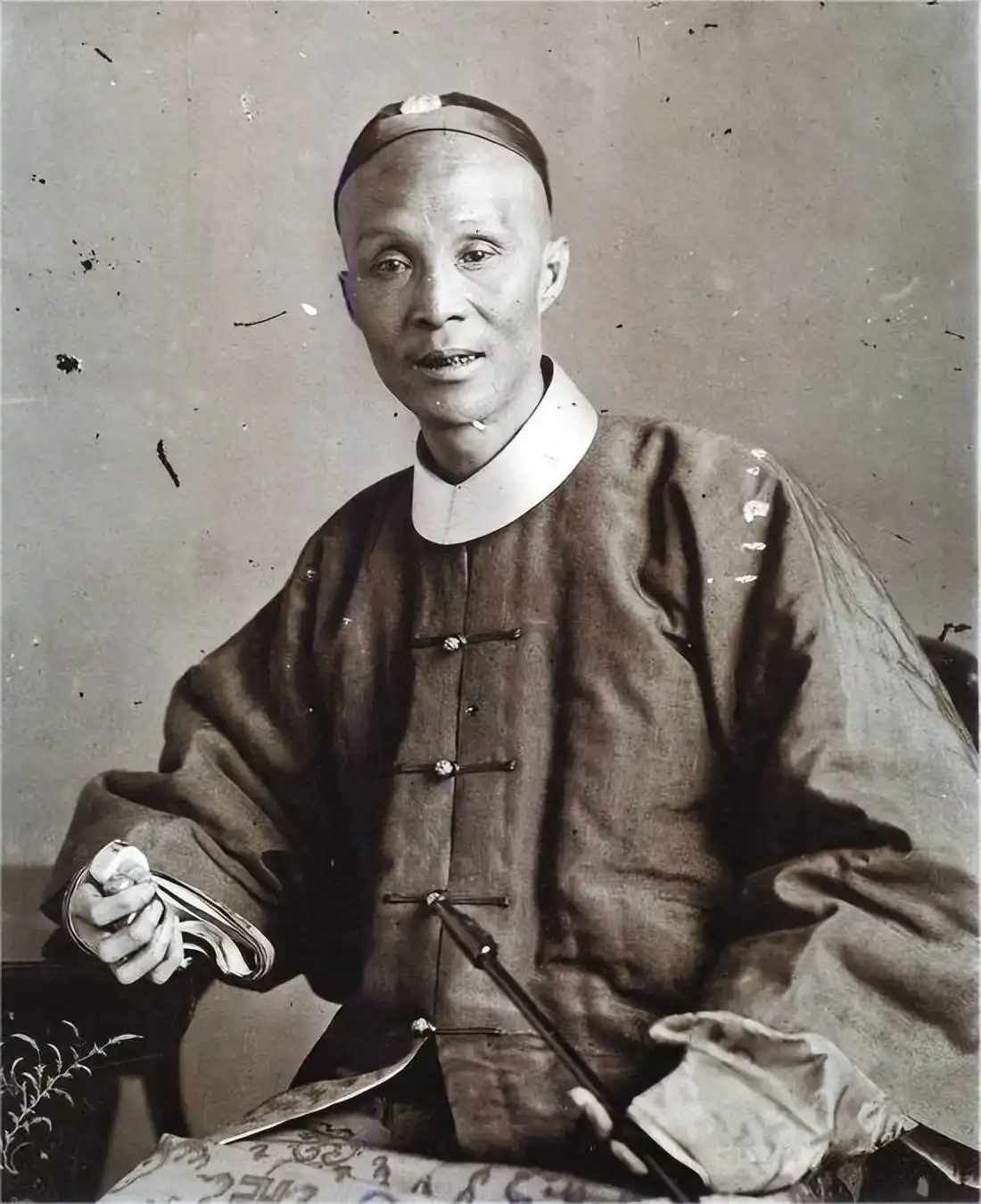
Du Fengzhi's story is about something else: As long as a position can generate income in the future, even before the person sits in it, people will discount that position's future cash flows into present value.

Modern cases like Li Jianping's tell us how large a cash flow a position can control; Du Fengzhi tells us that when everyone knows money will flow from that position later, those future cash flows can even be discounted *before* the official takes office.

Power may not yet be realized, but the future of an official career gets financialized first.

I. Passing the Provincial Exam Was Just Getting a Queue Ticket

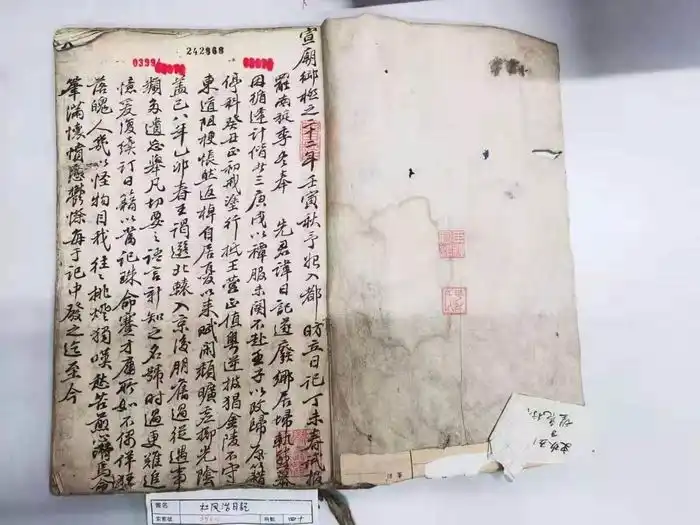
Du Fengzhi, courtesy name Pingshu, style name Houshan, from Changtang, Shangyu County, Shaoxing Prefecture, Zhejiang, was born in Shaoxing, Zhejiang in 1814. He passed the provincial exam in 1844 at age 30. When we read 'Fan Jin Passes the Exam' as kids, it's easy to get the illusion that once the gongs and drums sound, you can start work at the county yamen the next day. But the real Qing bureaucracy wasn't so sweet. Passing the provincial exam (becoming a *juren*) only proved you were qualified to advance; when you actually got a position could be many years later.

Du Fengzhi's path roughly went like this: *Juren* → gained status to enter the bureaucratic system → entered the pool of waiting officials via channels like *Datiao* (grand selection), *Jianxuan* (selection) → queued for an actual vacancy → then used donations to buy faster selection priority → entered the priority queue → still had to wait for a real county vacancy to open up → only after drawing the lot did he get an official post.

After becoming a *juren*, Du kept failing the metropolitan exam. He remained on the waiting list. In 1855 he participated in *Datiao*. By 1863, he simply cancelled his original qualification and directly borrowed money to make a donation to jump the queue, securing an express lane: "Magistrate selected regardless of double or single month, non-accumulated class selection." After spending a fortune to finally enter the candidate sequence in 1864, it still wasn't over... He still had to wait... Until March 1866, among his batch of waiting officials, the person ahead of him had to observe mourning, so his turn came to draw for the magistrate post of Guangning County, Guangdong.

From passing the provincial exam in 1844 to getting the actual post in 1866: a full 22 years. How many 22-year periods does a person have?!

This is very much like crypto projects raising VC money today. VC is like the scholarly honor. You get backing from a few top funds, your status changes first; exchanges are more willing to meet you, next-round investors are more willing to talk, media pays more attention. But status isn't money. Du Fengzhi could chat with people using his honor, but couldn't buy rice with it; a project can make headlines with a $1 billion valuation, but still has to wait for the exchange listing.

So fundraising is sometimes like the imperial exams: first they let you in the door, then tell you: there's still a long line inside.

Want to cut the line? Heh~

II. The Court Gives You the Post, Travel Expenses Are Your Problem

In 1866, Du Fengzhi finally got the Guangning magistrate post. Anyone who watches historical dramas knows: at this point there should be lanterns and decorations, the ancestral hall opens its main gate, finally success after the struggle! But the Qing being the Qing, the Board of Personnel only gave you the appointment letter; they didn't cover transportation.

For these mid-to-low-level local officials, the Qing court didn't arrange travel or advance travel expenses. How to get from Beijing to Guangdong, whether to bring family, how to hire private secretaries, how to support servants, food and lodging on the road, boat and cart fares—all were his own business.

The Great Qing's onboarding arrangement: Congratulations on joining the court. Work location: Guangdong. Moving expenses, please handle yourself.
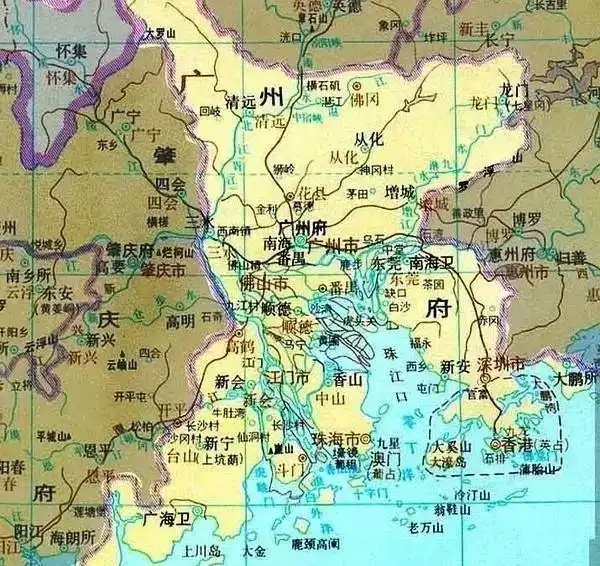
Du Fengzhi left Beijing in September 1866, passed through Tianjin, Shanghai, Hong Kong, and only reached Guangzhou in October, over thirty days on the road. Arriving in Guangzhou, he couldn't go directly to Guangning because he still had to run the gauntlet in the provincial capital. The Viceroy, Governor, Provincial Administration Commissioner, Provincial Surveillance Commissioner, Prefect—all required visits. The yamen's private secretaries, gatekeepers (aka security guards), and clerks all needed greasing.

The late Qing officialdom loved talking about networking and cooperation; put in today's Web3, crypto world, it's not inferior at all. When they know you're about to list on Binance, OKX, or Coinbase, some claiming to be VCs, incubators will come running, asking the project to allocate x% tokens at angel round valuation before listing, and with the most favorable lockup terms.

Problem was, Du Fengzhi had no money. Over twenty years spent on exams, odd jobs, waiting, no family backing him up. What was he to do?

Thus, a mature business had long developed in Beijing: official debt.

III. If an Ordinary Person is Poor, Money Shops Ignore Them; If a Future Magistrate is Poor, Money Shops Actively Welcome Them

An ordinary person poor, money shops pay no mind; a person about to become a county magistrate poor, money shops welcome them with open arms. Because an ordinary person has no money today, they might still have none in six months; a future magistrate has no money today, but will hold a county in six months.

More than a month after Du Fengzhi got the Guangdong post, people coming to introduce him to official debt were "no less than forty or fifty." A person so poor they couldn't even afford travel expenses suddenly became a hot customer in the financial market.

Reason simple. Creditors weren't looking at how much money Du Fengzhi had today, but at what position he was about to occupy. Superficially, the loan was to Du Fengzhi; in their hearts, they calculated how much grease Guangning County could produce.

That's also why the terms dared to be so harsh. By the fifth month of the Tongzhi reign's sixth year (1867), Du Fengzhi finalized an official debt: nominally borrowed 4000 taels, actually received 2000 taels; later borrowed 680 taels, received 340 taels — ever seen a haircut, a half-interest cut?

Today if someone tells a founder: "I'll lend you four million, you actually get two million, but the IOU is still for four million." A normal person's first reaction shouldn't be to sign, but to check if the other party is a scam.

Du Fengzhi had to sign.

He had waited 22 years, studied, took exams, waited, made extra donations—time and money invested. Now, just needed to go to Guangdong. At this point, if you tell the creditor the interest is too high, they'd probably just say: No problem, you don't have to borrow, go back and keep waiting.

Financing cost often isn't determined by interest rates, but by whether you have any other path.

In the late Qing, creditors, afraid you'd renege after reaching Guangdong, would either follow themselves or send a clerk to accompany you to the post, wait until you collected money locally, then return. So in the entourage of a Great Qing county magistrate taking office, there might be someone looking low-key. You think it's a private secretary, no; think it's a guard, also no—it's a debt collector.

Remember some crypto star projects had similar situations? A certain VC partner personally joined the team, setting sail together. Looking back now, doesn't it smell a bit similar?

IV. Reaching Guangzhou, the First Round of Money Still Wasn't Enough

Upon reaching Guangzhou, Du Fengzhi soon found the money borrowed in Beijing still insufficient. Various yamens to visit, gatekeeper tips (*menbao*) to give, documents needed delivering, miscellaneous fees. Going to the Viceroy's yamen to take leave, because the *menbao* wasn't prepared, the gatekeeper even refused to pass in his name card (*shouben*). Finally had to negotiate the price, money passed, gate opened.

So he continued borrowing in Guangzhou, borrowing over three thousand taels more from silver shops and private individuals.

More interestingly, why did Guangzhou silver shops dare continue lending? Because locals understood Guangdong counties better than Beijing creditors. Meng Yutang, manager of Xiechengqian Silver Shop, judged Guangning was a "lucrative post" (*youque*), believing one could make over ten thousand taels a year, thus willing to keep lending.
This picture is more important than official debt itself.

Before Du Fengzhi even sat in the Guangning county yamen, the Guangzhou silver shop owner had already done the math for this county. Tax sources, commerce, whether the post was good, roughly how much money per year, enough to repay debt—they had an estimate in mind.

What Du Fengzhi saw: Finally my turn to be an official.

What creditors saw: This position starts generating income.

Same thing, two valuations.

A person spending over twenty years studying hard finally sees a life's ideal; the financial market, at first glance, has already discounted that life's ideal into cash flow.

V. The Trickiest Part of a Late Qing County Yamen Was When Gray Was the Background Color

Our understanding today is simple: government money is government money, official salaries are official salaries, official business follows the budget. But the late Qing county yamen didn't distinguish so clearly.

County handling of cases, inspections, arrests, runners, private secretaries—all cost money, but the formal budget was never enough. The court certainly knew this, so in various aspects like levies, customary fees (*guifei*), fines, etc., they left a vast gray area. County tax and grain collection wasn't a state employee collecting and ending it; it was a whole batch of clerks, runners, and local people making a living around this process.

So why was there so much money in a county? Not because the magistrate's salary was especially high, but because taxes, judiciary, commerce, licenses, local governance—every transaction passed through here. The more functions a node bears, the more people surrounding the node naturally find ways to extract income from it.

That's also why just saying "late Qing officials had poor morals" can't explain this. It's not that systemic problems excuse individuals; they're still accountable. The problem is, if legal income and legal finances can't cover what the system requires you to do, and gray income is long tacitly used to fill the gap, eventually public and private inevitably stick together.
At the start, it might be "can't get this done without doing it this way"; later becomes "everyone's always done it this way"; then later becomes "since everyone takes, what's wrong with me taking a bit more."

Corruption often doesn't kick the door in. It first sits in the corner as "convenient for getting things done," but after sitting long, it doesn't leave.

If you pay close attention, you might be shocked: Isn't this somewhat similar to certain exchanges, DeFi protocol BDs (especially listing BDs), VCs taking deals, MM institution partners, etc.? Everything requires money, but the boss gives little, the official bill definitely can't cover it. Some even directly say don't use the official account, so what are you supposed to do?

VI. After Taking Office, Du Fengzhi Didn't Just Sit in the Yamen Waiting for Silver to Deliver Itself

After Du Fengzhi took office in Guangning, with such huge debts behind him, how was he to repay these usurious loans? Answer: Collection.

Before even warming his bed, Du Fengzhi had to rush nonstop to various places. Besides unfinished official debt from taking office, the county had tax and grain collection targets. He couldn't sit drinking tea in the yamen, waiting for villagers one day in a good mood to queue and pay owed grain. Diaries and later research show he personally went to the countryside to urge collection, spending considerable time on it.

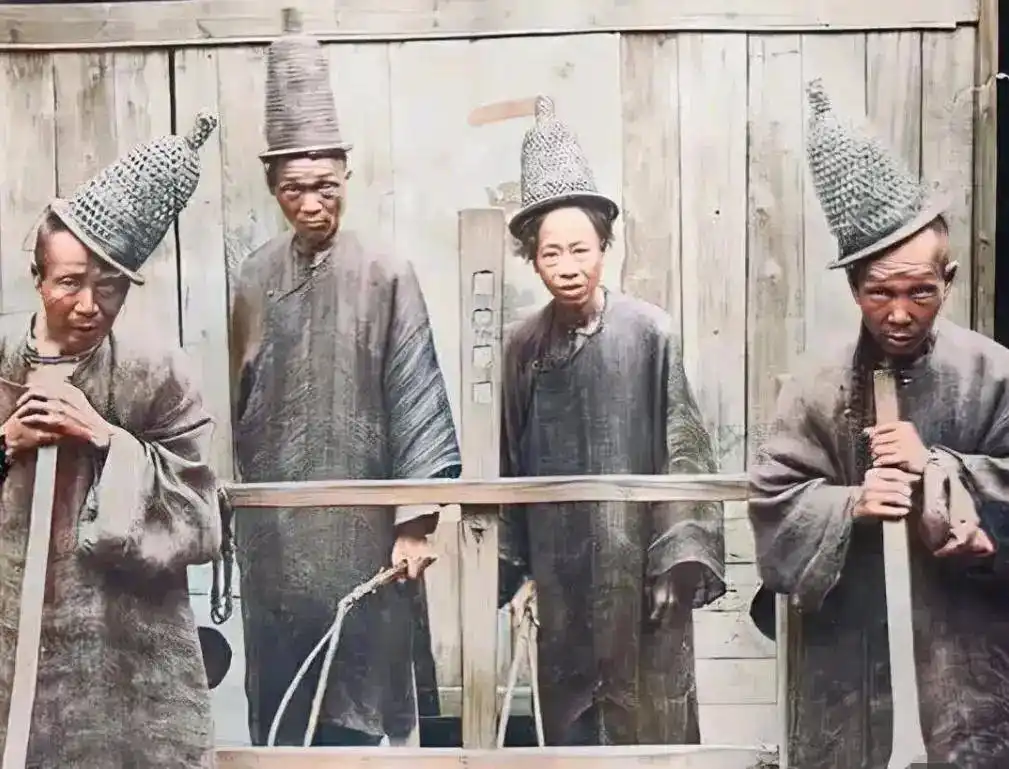
At that time, urging grain in Guangdong counties wasn't like sending a reminder letter today. The county yamen would bring clerks, runners, caning personnel to the countryside. The area was large, population scattered; the government itself couldn't find every household, so had to rely on clans and local gentry. Which household owed grain? Couldn't find the person, find the clan; clan unresponsive, find the gentry. A gentry himself might have paid, but as long as the whole clan or village still had arrears, the government would still press him, because he was the node the government could grab and had ability to pressure. Analogy in crypto: when problems arise, the exchange finds market makers, project teams, KOLs taking ads, and so on.

This logic is actually very realistic. The county yamen couldn't reach every final payer, so had to rely on middle layers to transmit pressure. In today's crypto world, methods are completely different of course; projects won't arrest people or seal ancestral halls, but the organizational logic is somewhat similar: the project itself can't directly reach every user, so exchanges, market makers, communities, channels, partners, various BD people naturally grow in the middle. Projects need traffic, funds, users; these middle layers naturally become valuable.

VII. If Tax Grain Couldn't Be Collected, Du Fengzhi Really Would Seal the Ancestral Hall

The most fascinating part of "The Diary of Du Fengzhi" is seeing how far grain urging could go. If a clan owed tax grain, Du Fengzhi would seal the ancestral hall. Those with businesses, could seal shops. If the actual debtor in the clan couldn't be found, pressure clan members with status and influence who could be caught.
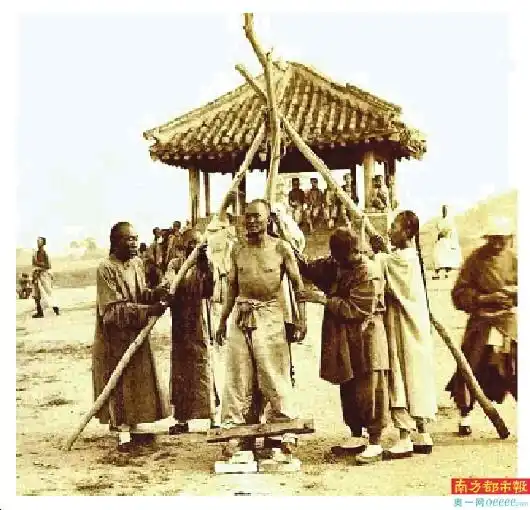
Why was this tactic powerful? Because the ancestral hall wasn't an ordinary building; it was the clan's public space, where ancestors, identity, face all converged.

In some Qing places, urging grain even involved seizing ancestral tablets first. You might not fear the county magistrate, but the whole village seeing ancestral tablets locked up by officials made it hard to pretend nothing happened. In today's terms, roughly like debt collectors pursuing your ancestral graves.

And there was the play of collective responsibility. In Guangning, there was a person surnamed Xie who had paid his own grain tax; what was owed was from ancestral jointly-owned property. Problem: too many brothers, troublesome for officials to find each one, so pressure first fell on the catchable person, letting him solve it with his brothers. Logic simple: I'm not unaware many truly owe, I just find someone enforceable first.

While collecting grain in Luoding, Du Fengzhi found some so-called "substantial households" (*yinding*) were actually poor as beggars; beating them to death wouldn't yield money. He judged in his diary, rather than pressuring these poor, "limiting gentry to investigate and press is more effective than limiting substantial households"—plainly, getting money from the rich is the way.

This is worth remembering. Because all hard targets eventually find someone enforceable. Higher-ups press the county yamen; the yamen presses down; too scattered below, press the gentry; gentry press within the clan. Pressure doesn't disappear, just transmits layer by layer downward.

And in crypto? Who can exchanges find?

Later, Du Fengzhi's grain urging methods became more direct. Debtors hiding, officials would find family, even use family pressure; sometimes sealing houses, sometimes threatening to tear down/burn dwellings, also prohibiting grain-owing households from holding operas to thank gods, harvesting late rice, forcing them to handle tax grain first.

Tax grain collection was a county magistrate's hard target; failure affected performance evaluations (*kaocheng*); Guangdong local governance itself was complex. Du Fengzhi's private debts, losses from first official post, family expenses, officialdom costs, plus the court's public duties requirements—all piled together, creating that state: public accounts need money, private accounts need money, the top only asks how much you deliver.

So Du Fengzhi became increasingly "diligent."

This diligence wasn't the inspirational kind of hard work, but the distress of interest chasing from behind.

VIII. So Project Teams Start Thinking of Every Way to Harvest the Future

Facing grain tax pressure, Du Fengzhi could go to the countryside, seal ancestral halls, pressure gentry, find clans, because feudal-era people couldn't run, ancestral halls were there, and Du had administrative (violent) power as backing.

What about those heavily indebted project teams? Know that balance sheet pressure is universal. Projects need to boost trading volume, increase liquidity, list on more platforms, create points, staking, airdrops, ecosystem incentives, constantly find new use cases. Done well, it's turning financing into real products, users, revenue; done poorly, start buying data with subsidies; worse, product fails, left only with stories, price, and financial engineering.

This also explains why some projects, after raising big money, enter an unstoppable state. One round talks infrastructure, next round starts talking ecosystem; ecosystem doesn't take off, talk consumption; consumption fails, hit AI hype, add AI; after a few months market hot topic changes, need another story. Not every pivot is fraud; startups adjust, but you must know, there's always a ledger chasing behind.

A completely unfunded small project can say, if it doesn't work out, forget it. A project that raised tens of millions, has dozens of funds in front, supports a large team, tokens ready to list—saying "forget it, let's stop"—how could it be that simple...

What to do? Project teams can only find all sorts of experts, whether market makers, communities, price callers, pump groups, whales, using various financial engineering methods to harvest unsuspecting market liquidity to recoup losses, repay debts.

Du Fengzhi himself later complained during career lows: debts, losses, family pressure all on him; if there was a way out, he'd rather have a few hundred *mu* of farmland than continue this "nine underworlds eighteen hells" business. Put this mindset today, many founders should understand: online every midnight, not necessarily all passion, sometimes just having walked this far, truly can't turn back.

This was common knowledge in the Qing, yet couldn't stop waves of young people taking exams, because everyone thought Du Fengzhi, a commoner, though his youthful hair turned white, ultimately succeeded. In one lifetime, as long as you can rise, achieve big results, do anything.

The imperial exam's most brilliant part wasn't its actual equality, but making society believe at least there was an upward path. Even if this path required twenty years studying, twenty years waiting, borrowing usury, networking, people still squeezed in. Because for many, the scariest wasn't this path being expensive, but besides this path, there simply was no other choice.

Epilogue

Finally, introducing another person: Du Lian, courtesy name Yaochuan, style name Lianqu, from Shangyu, Zhejiang, a Hanlin academician, later rose to Grand Secretary of the Neige and Vice Minister of Rites, official rank second-grade, served as Guangdong Education Commissioner (*Xuezheng*) during the Tongzhi reign. (The Education Commissioner was an imperial commissioner, high status in the province, second only to the General, Viceroy, Governor, above Provincial Administration and Surveillance Commissioners.)

Who was he? He was Du Fengzhi's "distant clan nephew" (distant relative of same clan). By clan seniority, Du Lian was actually a generation below Du Fengzhi, though Du Lian was over ten years older. Du Fengzhi studied under Du Lian in his youth; their relationship in Beijing during the waiting period was very close. Du Fengzhi's diary respectfully called him "Old Lian."

One story:

Later, Guangning had "examination disturbances." Du Fengzhi clashed with local gentry; things escalated potentially affecting his official hat. He quickly informed then Guangdong Education Commissioner Du Lian. Du Lian not only comforted him saying problem not big, but personally wrote to the Acting Provincial Administration Commissioner, helping smooth things. Finally, Du Fengzhi surprisingly wasn't dismissed. Though couldn't stay in Guangning, under Du Lian's "suggestion" and "arrangement," he was transferred to Sihui to continue as magistrate.


Criptomoedas em alta

Perguntas relacionadas

QWhat is the core parallel drawn between late Qing county magistrate Du Fengzhi's 'official debt' and the modern crypto/Web3 world?

AThe core parallel is the financialization of future potential cash flows before they are realized. Just as moneylenders assessed and lent against the future 'income' Du Fengzhi would generate from his soon-to-be-assumed official position (his power to control resources), modern crypto VCs, exchanges, and incubators assess and invest in projects based on their future potential (e.g., token listings, user growth) before the project has actual revenue or product-market fit. Both systems involve discounting and monetizing expected future value from a position of power or potential.

QAccording to the article, what was the primary reason lenders were willing to offer usurious 'official debt' to a poor candidate like Du Fengzhi?

ALenders were willing to offer usurious loans because they were not lending based on Du Fengzhi's current wealth, but on the future revenue-generating potential of the official county magistrate position he was about to assume. They calculated the 'oil and water' (unofficial income) the county could produce. His impending power over local resources (taxes, licenses, projects) served as collateral for the loan, making him a secure investment despite his personal poverty.

QHow does the article describe the systemic nature of corruption in the late Qing county yamen, beyond individual moral failure?

AThe article argues that corruption became systemic because the formal government budget and salaries were insufficient to cover the actual costs of administration and the tasks demanded by the system. A vast 'grey area' of informal fees, fines, and surcharges was tacitly accepted to fill this gap. This blurred the line between public and private funds from the start. Corruption began as a 'necessary evil to get things done,' evolved into standard practice, and eventually morphed into overt personal enrichment, as the system itself incentivized and depended on these unofficial flows.

QWhat extreme methods did Du Fengzhi use to collect taxes (grain) and repay his debts, and what does this illustrate about pressure transmission in hierarchies?

ADu Fengzhi used extreme methods like sealing ancestral temples (a profound cultural and social punishment), confiscating shops, pressuring local gentry to make their clans pay, and even threatening family members of debtors. This illustrates how pressure (from higher authorities for tax quotas and from his personal creditors) flows down a hierarchy. Since the county yamen couldn't pressure every individual taxpayer, it targeted key intermediate nodes (gentry, clans) who could then transmit the pressure internally. The pressure doesn't disappear; it finds the most enforceable point in the chain.

QWhat final point does the article make about the late Qing imperial examination system, despite its flaws and costs?

AThe article concludes that the most powerful aspect of the imperial examination system was not its fairness, but its ability to make society believe there was still a viable path upward. Even though the path was long (decades of study and waiting), expensive (requiring loans and bribes), and uncertain, people pursued it because for many, the true horror was not the high cost of this path, but the complete absence of any alternative route to social mobility and achieving 'great results' in life.

Leituras Relacionadas

The Philadelphia Semiconductor Index Tumbles Nearly 5% in a Single Night, Optical and Memory Sectors 'Collapse' Together: Surging U.S. Bond Yields Shake AI Belief

On the evening of August 18th, the US stock market saw a sharp sell-off concentrated in the AI hardware sector, with the Philadelphia Semiconductor Index plummeting nearly 5%. Leading AI infrastructure and components companies in fields like optical communication and memory chips experienced some of the steepest declines, such as Fabrinet (-19.38%) and Kioxia ADR (-13%). The sell-off was not broad-based but rather targeted the long-duration, high-momentum stocks previously driven by AI narrative optimism. This market shift is primarily attributed to a significant surge in long-term US Treasury yields, with the 30-year yield hitting its highest level since 2007. Rising yields increase discount rates, disproportionately impacting the valuations of growth stocks whose profits are projected far into the future—a category that includes most AI hardware plays. Additional pressure came from climbing oil prices due to Middle East tensions, which fueled inflation concerns. The article identifies three structural reasons for the severity of the drop in these specific subsectors: excessive prior gains and crowded positioning, high sensitivity to the sustainability of AI capital expenditure narratives, and inherent high volatility within the supply chain. Importantly, the sell-off appears to be a valuation and positioning reset rather than a fundamental repudiation of AI, evidenced by the relatively modest decline in a bellwether like Nvidia (-2.34%). Looking ahead, the direction hinges on three key indicators: whether the 30-year Treasury yield stabilizes, the trajectory of oil prices and geopolitical risks, and the market's pricing of new AI-related corporate debt. For related Asian and A-share markets, short-term negative sentiment spillover is expected, but medium-term drivers like domestic cloud capex may provide divergence. The episode signifies a market transition from pricing AI's "story" to rigorously evaluating its returns against a backdrop of higher financing costs.

marsbitHá 29m

The Philadelphia Semiconductor Index Tumbles Nearly 5% in a Single Night, Optical and Memory Sectors 'Collapse' Together: Surging U.S. Bond Yields Shake AI Belief

marsbitHá 29m

Ten Years, Wang Xingxing's Comeback: Unitree Valued at 400 Billion

Over a decade ago, Wang Xingxing, a 29-year-old with a passion for robotics but little funding, demonstrated his struggling robot dog to investors in Hangzhou. In 2019, with his company Unitree nearly out of cash, he captured the attention of Sequoia Capital China's managing director Li Yannan. Despite initial skepticism about the niche market for robot dogs, Wang's vision and deep technical conviction led Sequoia to make an initial seed investment. This marked a turning point. Following Sequoia's lead, a wave of prominent investors including Meituan, Tencent, Alibaba, and various venture capital and state-backed funds joined subsequent funding rounds. Wang's relentless focus and Unitree's technological advancements propelled the company to become a global leader in humanoid robotics. On August 19th, 2027, Unitree Robotics debuted on Shanghai's STAR Market as the first listed humanoid robotics company in China. Its shares skyrocketed over 500% at opening, reaching a market valuation of approximately 400 billion yuan. Wang Xingxing became one of the wealthiest individuals of his generation on the exchange, while Sequoia China, having invested across multiple rounds, remained a major shareholder. The story is celebrated as a classic outlier's triumph—a founder without elite credentials achieving success through pure belief and perseverance. Unitree's IPO is seen as a major milestone for China's embodied AI industry, providing a valuation benchmark and accelerating the sector's maturation. As Wang once stated, he aims to be "a small boat riding the mighty torrent of technology." His journey symbolizes the beginning of a new narrative for Chinese robotics on the global stage.

marsbitHá 30m

Ten Years, Wang Xingxing's Comeback: Unitree Valued at 400 Billion

marsbitHá 30m

Manufacturing's Share Drops Below 25%: Is Hangzhou Unconcerned?

Hangzhou is entering a critical phase of industrial restructuring. While its manufacturing-to-GDP ratio has fallen below 25%, the city is not alarmed. Instead, it is strategically navigating a dual focus: advancing advanced manufacturing and expanding its service sector, particularly producer services. Recently, the city celebrated the IPO of a humanoid robotics company, seen as a milestone in moving beyond its e-commerce era. Simultaneously, it set an ambitious target for its service sector: to exceed 2 trillion yuan in value by 2030, with producer services making up over 60%. Data shows a clear trend: the service sector's share of GDP has risen to 75.3%, while manufacturing's share has declined to around 20.1%. This shift revives the debate on whether a strong service sector weakens a city's manufacturing "foundation." Hangzhou's approach challenges the notion of a fixed manufacturing "red line" near 25%. The city argues that the quality and integration of industries matter more than simple ratios. Its strategy is "using software to drive hardware," leveraging its core strengths in digital economy and producer services—like R&D, software, and supply chain management—to empower and add value to manufacturing. This is embodied by its emerging "AI era" companies, whose innovation in Hangzhou feeds into national industrial chains. The city believes that for a hub like Hangzhou, the key is not merely boosting visible manufacturing output, but strengthening the "invisible" competitive edge provided by high-end producer services, which ultimately determine manufacturing profitability. National policy is also shifting from insisting on a "stable" manufacturing share to acknowledging a "reasonable" range, allowing for quality-focused development. Hangzhou's future industrial blueprint aims for a manufacturing share above 22% of GDP by 2027, coupled with a dominant, high-value service sector. The goal is not to choose between manufacturing and services, but to deeply integrate them, using advanced services as the accelerator for next-generation manufacturing.

marsbitHá 54m

Manufacturing's Share Drops Below 25%: Is Hangzhou Unconcerned?

marsbitHá 54m

SEC Suddenly Proposes "Regulation Crypto": U.S. Token Fundraising May Become Legal Again

On August 18, the U.S. Securities and Exchange Commission (SEC) proposed a landmark set of permanent rules, "Regulation Crypto Assets," specifically designed for crypto asset investment contracts. The 402-page proposal introduces two registration exemption paths and a groundbreaking safe harbor mechanism, representing the SEC's first dedicated crypto-specific regulatory framework. Two exemption tiers are proposed: a "Startup Exemption" allowing a one-time raise of up to $5 million within four years with basic disclosure requirements, and a "Financing Exemption" permitting raises of up to $75 million every 12 months with stricter obligations, including financial statements and ongoing reporting. Both paths require "principles-based narrative disclosure," a flexible approach distinct from traditional IPO forms. The most transformative element is the investment contract safe harbor. It provides a legal path for tokens to "graduate" from being classified as securities. If an issuer completes or permanently ceases its "essential managerial efforts" as promised in the investment contract and meets specific conditions, it can file with the SEC to have the token exit the securities framework. This creates a novel legal lifecycle where a token can begin as a regulated security for fundraising and later become a non-security asset as the network decentralizes. This move is seen as the SEC pragmatically filling a legislative vacuum, as the stalled CLARITY Act in Congress faces significant delays. The proposal aims to offer a compliant pathway for token offerings within the U.S., countering the trend of projects moving overseas. While currently a proposal open for a 60-day public comment period, it signals a major potential shift from an enforcement-heavy approach toward establishing clearer rules for the crypto industry.

marsbitHá 58m

SEC Suddenly Proposes "Regulation Crypto": U.S. Token Fundraising May Become Legal Again

marsbitHá 58m

U.S. Stock Market Trends (August 19th): AI Hardware Rally Loosens, Long-Term Bond Yields Challenge Tech Valuations

U.S. stocks weakened further on Tuesday, with major indices hitting two-week lows for a third consecutive session. Pressure centered on the AI hardware sector, as the previously rebounding Philadelphia Semiconductor Index fell sharply. Meanwhile, persistently high long-term Treasury yields and rising oil prices fueled by Middle East tensions prompted a cautious reassessment of high-valuation tech assets. Key closing data: The S&P 500 fell 0.69%, the Dow Jones dropped 0.22%, and the Nasdaq declined 1.33%. The 10-year Treasury yield hovered near 4.70%, while the 30-year yield briefly touched a new high since 2007 before settling around 5.28%. WTI crude rose to $84.94. The chip sector led the decline, with the Philadelphia Semiconductor Index dropping about 5%. Losses spread across memory, optical communication, and AI infrastructure stocks. This shift indicates investor focus is moving from chasing AI demand momentum to evaluating valuations and earnings timing. The "Magnificent Seven" stocks showed mixed performance, with pressure more concentrated on AI hardware than software giants. The market is observing whether capital will rotate back to large-cap tech, sustaining the internal AI sector rotation, or if the broader AI trade is entering a cooling phase. Chinese stocks were mostly weaker, with the Nasdaq Golden Dragon China Index down about 1%. Baidu's stock fell sharply post-earnings due to profit pressure from AI investments, while Alibaba gained. Persistently high long-term bond yields and rising oil prices are re-emerging as key anchors for U.S. stock pricing, constraining valuation multiples for AI-related companies. Corporate events, including earnings from Home Depot and AI financing news like Anthropic's reported credit line expansion, continue to highlight cost and capital expenditure pressures. Focus for the coming sessions: 1) Whether the 30-year Treasury yield stabilizes below 5.30%, and 2) The market's ability to absorb the chip sector sell-off, determining if it's a pre-earnings consolidation or the start of a broader AI hardware cool-down.

marsbitHá 1h

U.S. Stock Market Trends (August 19th): AI Hardware Rally Loosens, Long-Term Bond Yields Challenge Tech Valuations

marsbitHá 1h

Trading

Spot

Artigos em Destaque

O que é $S$

Compreender o SPERO: Uma Visão Abrangente Introdução ao SPERO À medida que o panorama da inovação continua a evoluir, o surgimento de tecnologias web3 e projetos de criptomoeda desempenha um papel fundamental na formação do futuro digital. Um projeto que tem atraído atenção neste campo dinâmico é o SPERO, denotado como SPERO,$$s$. Este artigo tem como objetivo reunir e apresentar informações detalhadas sobre o SPERO, para ajudar entusiastas e investidores a compreender as suas bases, objetivos e inovações nos domínios web3 e cripto. O que é o SPERO,$$s$? O SPERO,$$s$ é um projeto único dentro do espaço cripto que procura aproveitar os princípios da descentralização e da tecnologia blockchain para criar um ecossistema que promove o envolvimento, a utilidade e a inclusão financeira. O projeto é concebido para facilitar interações peer-to-peer de novas maneiras, proporcionando aos utilizadores soluções e serviços financeiros inovadores. No seu núcleo, o SPERO,$$s$ visa capacitar indivíduos ao fornecer ferramentas e plataformas que melhoram a experiência do utilizador no espaço das criptomoedas. Isso inclui a possibilidade de métodos de transação mais flexíveis, a promoção de iniciativas impulsionadas pela comunidade e a criação de caminhos para oportunidades financeiras através de aplicações descentralizadas (dApps). A visão subjacente do SPERO,$$s$ gira em torno da inclusão, visando fechar lacunas dentro das finanças tradicionais enquanto aproveita os benefícios da tecnologia blockchain. Quem é o Criador do SPERO,$$s$? A identidade do criador do SPERO,$$s$ permanece algo obscura, uma vez que existem recursos publicamente disponíveis limitados que fornecem informações detalhadas sobre o(s) seu(s) fundador(es). Esta falta de transparência pode resultar do compromisso do projeto com a descentralização—uma ética que muitos projetos web3 partilham, priorizando contribuições coletivas em vez de reconhecimento individual. Ao centrar as discussões em torno da comunidade e dos seus objetivos coletivos, o SPERO,$$s$ incorpora a essência do empoderamento sem destacar indivíduos específicos. Assim, compreender a ética e a missão do SPERO é mais importante do que identificar um criador singular. Quem são os Investidores do SPERO,$$s$? O SPERO,$$s$ é apoiado por uma diversidade de investidores que vão desde capitalistas de risco a investidores-anjo dedicados a promover a inovação no setor cripto. O foco desses investidores geralmente alinha-se com a missão do SPERO—priorizando projetos que prometem avanço tecnológico social, inclusão financeira e governança descentralizada. Essas fundações de investidores estão tipicamente interessadas em projetos que não apenas oferecem produtos inovadores, mas que também contribuem positivamente para a comunidade blockchain e os seus ecossistemas. O apoio desses investidores reforça o SPERO,$$s$ como um concorrente notável no domínio em rápida evolução dos projetos cripto. Como Funciona o SPERO,$$s$? O SPERO,$$s$ emprega uma estrutura multifacetada que o distingue de projetos de criptomoeda convencionais. Aqui estão algumas das características-chave que sublinham a sua singularidade e inovação: Governança Descentralizada: O SPERO,$$s$ integra modelos de governança descentralizada, capacitando os utilizadores a participar ativamente nos processos de tomada de decisão sobre o futuro do projeto. Esta abordagem promove um sentido de propriedade e responsabilidade entre os membros da comunidade. Utilidade do Token: O SPERO,$$s$ utiliza o seu próprio token de criptomoeda, concebido para servir várias funções dentro do ecossistema. Esses tokens permitem transações, recompensas e a facilitação de serviços oferecidos na plataforma, melhorando o envolvimento e a utilidade gerais. Arquitetura em Camadas: A arquitetura técnica do SPERO,$$s$ suporta modularidade e escalabilidade, permitindo a integração contínua de funcionalidades e aplicações adicionais à medida que o projeto evolui. Esta adaptabilidade é fundamental para manter a relevância no panorama cripto em constante mudança. Envolvimento da Comunidade: O projeto enfatiza iniciativas impulsionadas pela comunidade, empregando mecanismos que incentivam a colaboração e o feedback. Ao nutrir uma comunidade forte, o SPERO,$$s$ pode melhor atender às necessidades dos utilizadores e adaptar-se às tendências do mercado. Foco na Inclusão: Ao oferecer taxas de transação baixas e interfaces amigáveis, o SPERO,$$s$ visa atrair uma base de utilizadores diversificada, incluindo indivíduos que anteriormente podem não ter participado no espaço cripto. Este compromisso com a inclusão alinha-se com a sua missão abrangente de empoderamento através da acessibilidade. Cronologia do SPERO,$$s$ Compreender a história de um projeto fornece insights cruciais sobre a sua trajetória de desenvolvimento e marcos. Abaixo está uma cronologia sugerida que mapeia eventos significativos na evolução do SPERO,$$s$: Fase de Conceituação e Ideação: As ideias iniciais que formam a base do SPERO,$$s$ foram concebidas, alinhando-se de perto com os princípios de descentralização e foco na comunidade dentro da indústria blockchain. Lançamento do Whitepaper do Projeto: Após a fase conceitual, um whitepaper abrangente detalhando a visão, os objetivos e a infraestrutura tecnológica do SPERO,$$s$ foi lançado para atrair o interesse e o feedback da comunidade. Construção da Comunidade e Primeiros Envolvimentos: Esforços ativos de divulgação foram feitos para construir uma comunidade de primeiros adotantes e investidores potenciais, facilitando discussões em torno dos objetivos do projeto e angariando apoio. Evento de Geração de Tokens: O SPERO,$$s$ realizou um evento de geração de tokens (TGE) para distribuir os seus tokens nativos a apoiantes iniciais e estabelecer liquidez inicial dentro do ecossistema. Lançamento da dApp Inicial: A primeira aplicação descentralizada (dApp) associada ao SPERO,$$s$ foi lançada, permitindo que os utilizadores interagissem com as funcionalidades principais da plataforma. Desenvolvimento Contínuo e Parcerias: Atualizações e melhorias contínuas nas ofertas do projeto, incluindo parcerias estratégicas com outros players no espaço blockchain, moldaram o SPERO,$$s$ em um jogador competitivo e em evolução no mercado cripto. Conclusão O SPERO,$$s$ é um testemunho do potencial do web3 e das criptomoedas para revolucionar os sistemas financeiros e capacitar indivíduos. Com um compromisso com a governança descentralizada, o envolvimento da comunidade e funcionalidades inovadoras, abre caminho para um panorama financeiro mais inclusivo. Como em qualquer investimento no espaço cripto em rápida evolução, potenciais investidores e utilizadores são incentivados a pesquisar minuciosamente e a envolver-se de forma ponderada com os desenvolvimentos em curso dentro do SPERO,$$s$. O projeto demonstra o espírito inovador da indústria cripto, convidando a uma exploração mais aprofundada das suas inúmeras possibilidades. Embora a jornada do SPERO,$$s$ ainda esteja a desenrolar-se, os seus princípios fundamentais podem, de facto, influenciar o futuro de como interagimos com a tecnologia, as finanças e uns com os outros em ecossistemas digitais interconectados.

387 Visualizações TotaisPublicado em {updateTime}Atualizado em 2024.12.17

O que é $S$

O que é AGENT S

Agent S: O Futuro da Interação Autónoma no Web3 Introdução No panorama em constante evolução do Web3 e das criptomoedas, as inovações estão constantemente a redefinir a forma como os indivíduos interagem com plataformas digitais. Um projeto pioneiro, o Agent S, promete revolucionar a interação humano-computador através do seu framework aberto e agente. Ao abrir caminho para interações autónomas, o Agent S visa simplificar tarefas complexas, oferecendo aplicações transformadoras em inteligência artificial (IA). Esta exploração detalhada irá aprofundar-se nas complexidades do projeto, nas suas características únicas e nas implicações para o domínio das criptomoedas. O que é o Agent S? O Agent S é um framework aberto e agente, especificamente concebido para abordar três desafios fundamentais na automação de tarefas computacionais: Aquisição de Conhecimento Específico de Domínio: O framework aprende inteligentemente a partir de várias fontes de conhecimento externas e experiências internas. Esta abordagem dupla capacita-o a construir um rico repositório de conhecimento específico de domínio, melhorando o seu desempenho na execução de tarefas. Planeamento ao Longo de Longos Horizontes de Tarefas: O Agent S emprega planeamento hierárquico aumentado por experiência, uma abordagem estratégica que facilita a decomposição e execução eficientes de tarefas intrincadas. Esta característica melhora significativamente a sua capacidade de gerir múltiplas subtarefas de forma eficiente e eficaz. Gestão de Interfaces Dinâmicas e Não Uniformes: O projeto introduz a Interface Agente-Computador (ACI), uma solução inovadora que melhora a interação entre agentes e utilizadores. Utilizando Modelos de Linguagem Multimodais de Grande Escala (MLLMs), o Agent S pode navegar e manipular diversas interfaces gráficas de utilizador de forma fluida. Através destas características pioneiras, o Agent S fornece um framework robusto que aborda as complexidades envolvidas na automação da interação humana com máquinas, preparando o terreno para uma infinidade de aplicações em IA e além. Quem é o Criador do Agent S? Embora o conceito de Agent S seja fundamentalmente inovador, informações específicas sobre o seu criador permanecem elusivas. O criador é atualmente desconhecido, o que destaca ou o estágio nascente do projeto ou a escolha estratégica de manter os membros fundadores em anonimato. Independentemente da anonimidade, o foco permanece nas capacidades e no potencial do framework. Quem são os Investidores do Agent S? Como o Agent S é relativamente novo no ecossistema criptográfico, informações detalhadas sobre os seus investidores e financiadores não estão explicitamente documentadas. A falta de informações disponíveis publicamente sobre as fundações de investimento ou organizações que apoiam o projeto levanta questões sobre a sua estrutura de financiamento e roteiro de desenvolvimento. Compreender o apoio é crucial para avaliar a sustentabilidade do projeto e o seu impacto potencial no mercado. Como Funciona o Agent S? No núcleo do Agent S reside uma tecnologia de ponta que lhe permite funcionar eficazmente em diversos ambientes. O seu modelo operacional é construído em torno de várias características-chave: Interação Humano-Computador Semelhante: O framework oferece planeamento avançado em IA, esforçando-se para tornar as interações com computadores mais intuitivas. Ao imitar o comportamento humano na execução de tarefas, promete elevar as experiências dos utilizadores. Memória Narrativa: Utilizada para aproveitar experiências de alto nível, o Agent S utiliza memória narrativa para acompanhar os históricos de tarefas, melhorando assim os seus processos de tomada de decisão. Memória Episódica: Esta característica fornece aos utilizadores orientações passo a passo, permitindo que o framework ofereça suporte contextual à medida que as tarefas se desenrolam. Suporte para OpenACI: Com a capacidade de funcionar localmente, o Agent S permite que os utilizadores mantenham o controlo sobre as suas interações e fluxos de trabalho, alinhando-se com a ética descentralizada do Web3. Fácil Integração com APIs Externas: A sua versatilidade e compatibilidade com várias plataformas de IA garantem que o Agent S possa integrar-se perfeitamente em ecossistemas tecnológicos existentes, tornando-o uma escolha apelativa para desenvolvedores e organizações. Estas funcionalidades contribuem coletivamente para a posição única do Agent S no espaço cripto, à medida que automatiza tarefas complexas e em múltiplos passos com mínima intervenção humana. À medida que o projeto evolui, as suas potenciais aplicações no Web3 podem redefinir a forma como as interações digitais se desenrolam. Cronologia do Agent S O desenvolvimento e os marcos do Agent S podem ser encapsulados numa cronologia que destaca os seus eventos significativos: 27 de Setembro de 2024: O conceito de Agent S foi lançado num artigo de pesquisa abrangente intitulado “Um Framework Agente Aberto que Usa Computadores como um Humano”, mostrando a base para o projeto. 10 de Outubro de 2024: O artigo de pesquisa foi disponibilizado publicamente no arXiv, oferecendo uma exploração aprofundada do framework e da sua avaliação de desempenho com base no benchmark OSWorld. 12 de Outubro de 2024: Uma apresentação em vídeo foi lançada, proporcionando uma visão visual das capacidades e características do Agent S, envolvendo ainda mais potenciais utilizadores e investidores. Estes marcos na cronologia não apenas ilustram o progresso do Agent S, mas também indicam o seu compromisso com a transparência e o envolvimento da comunidade. Pontos-Chave Sobre o Agent S À medida que o framework Agent S continua a evoluir, várias características-chave destacam-se, sublinhando a sua natureza inovadora e potencial: Framework Inovador: Concebido para proporcionar um uso intuitivo de computadores semelhante à interação humana, o Agent S traz uma abordagem nova à automação de tarefas. Interação Autónoma: A capacidade de interagir autonomamente com computadores através de GUI significa um avanço em direção a soluções computacionais mais inteligentes e eficientes. Automação de Tarefas Complexas: Com a sua metodologia robusta, pode automatizar tarefas complexas e em múltiplos passos, tornando os processos mais rápidos e menos propensos a erros. Melhoria Contínua: Os mecanismos de aprendizagem permitem que o Agent S melhore a partir de experiências passadas, aprimorando continuamente o seu desempenho e eficácia. Versatilidade: A sua adaptabilidade em diferentes ambientes operacionais, como OSWorld e WindowsAgentArena, garante que pode servir uma ampla gama de aplicações. À medida que o Agent S se posiciona no panorama do Web3 e das criptomoedas, o seu potencial para melhorar as capacidades de interação e automatizar processos significa um avanço significativo nas tecnologias de IA. Através do seu framework inovador, o Agent S exemplifica o futuro das interações digitais, prometendo uma experiência mais fluida e eficiente para os utilizadores em diversas indústrias. Conclusão O Agent S representa um ousado avanço na união da IA e do Web3, com a capacidade de redefinir a forma como interagimos com a tecnologia. Embora ainda esteja nas suas fases iniciais, as possibilidades para a sua aplicação são vastas e cativantes. Através do seu framework abrangente que aborda desafios críticos, o Agent S visa trazer interações autónomas para o primeiro plano da experiência digital. À medida que avançamos mais profundamente nos domínios das criptomoedas e da descentralização, projetos como o Agent S desempenharão, sem dúvida, um papel crucial na formação do futuro da tecnologia e da colaboração humano-computador.

986 Visualizações TotaisPublicado em {updateTime}Atualizado em 2025.01.14

O que é AGENT S

Como comprar S

Bem-vindo à HTX.com!Tornámos a compra de Sonic (S) simples e conveniente.Segue o nosso guia passo a passo para iniciar a tua jornada no mundo das criptos.Passo 1: cria a tua conta HTXUtiliza o teu e-mail ou número de telefone para te inscreveres numa conta gratuita na HTX.Desfruta de um processo de inscrição sem complicações e desbloqueia todas as funcionalidades.Obter a minha contaPasso 2: vai para Comprar Cripto e escolhe o teu método de pagamentoCartão de crédito/débito: usa o teu visa ou mastercard para comprar Sonic (S) instantaneamente.Saldo: usa os fundos da tua conta HTX para transacionar sem problemas.Terceiros: adicionamos métodos de pagamento populares, como Google Pay e Apple Pay, para aumentar a conveniência.P2P: transaciona diretamente com outros utilizadores na HTX.Mercado de balcão (OTC): oferecemos serviços personalizados e taxas de câmbio competitivas para os traders.Passo 3: armazena teu Sonic (S)Depois de comprar o teu Sonic (S), armazena-o na tua conta HTX.Alternativamente, podes enviá-lo para outro lugar através de transferência blockchain ou usá-lo para transacionar outras criptomoedas.Passo 4: transaciona Sonic (S)Transaciona facilmente Sonic (S) no mercado à vista da HTX.Acede simplesmente à tua conta, seleciona o teu par de trading, executa as tuas transações e monitoriza em tempo real.Oferecemos uma experiência de fácil utilização tanto para principiantes como para traders experientes.

1.8k Visualizações TotaisPublicado em {updateTime}Atualizado em 2026.06.02

Como comprar S

Discussões

Bem-vindo à Comunidade HTX. Aqui, pode manter-se informado sobre os mais recentes desenvolvimentos da plataforma e obter acesso a análises profissionais de mercado. As opiniões dos utilizadores sobre o preço de S (S) são apresentadas abaixo.

活动图片