Interpreting the True Turning Point of Crypto Regulation: BTC, ETH, and USDC Gain Access to the U.S. Derivatives Market

Odaily星球日报Publicado em 2025-12-09Última atualização em 2025-12-09

Resumo

The U.S. Commodity Futures Trading Commission (CFTC), under Acting Chair Caroline D. Pham, has launched a Digital Asset Collateral Pilot Program. This initiative allows regulated derivatives market participants to use Bitcoin (BTC), Ethereum (ETH), and the stablecoin USDC as compliant margin. The program is a significant regulatory shift, marking the first time digital assets are formally recognized as collateral in mainstream U.S. finance. Key details of the pilot include: - **Participants:** Licensed Futures Commission Merchants (FCMs) are the eligible entities. - **Assets:** Initially limited to BTC, ETH, and USDC for a three-month period, with strict weekly reporting requirements to the CFTC. - **Safeguards:** Stringent rules are in place, including holding assets in segregated accounts, conservative haircuts to mitigate volatility risk, and immediate reporting of any issues. - **Framework:** The CFTC also issued new guidance for tokenized collateral and provided "No-Action Relief" to give institutions regulatory clarity for operating within the rules. Industry leaders from Coinbase, Crypto.com, Circle, and Ripple hailed the move. They see it as a milestone that unlocks capital efficiency, reduces settlement risk, legitimizes stablecoins for payments, and paves the way for 24/7 trading, ultimately signaling deeper integration between crypto and traditional finance. While the pilot's immediate impact on retail investors is limited, it is a major long-term signal...

Original | Odaily Planet Daily (@OdailyChina)

Author | Asher (@Asher_ 0210)
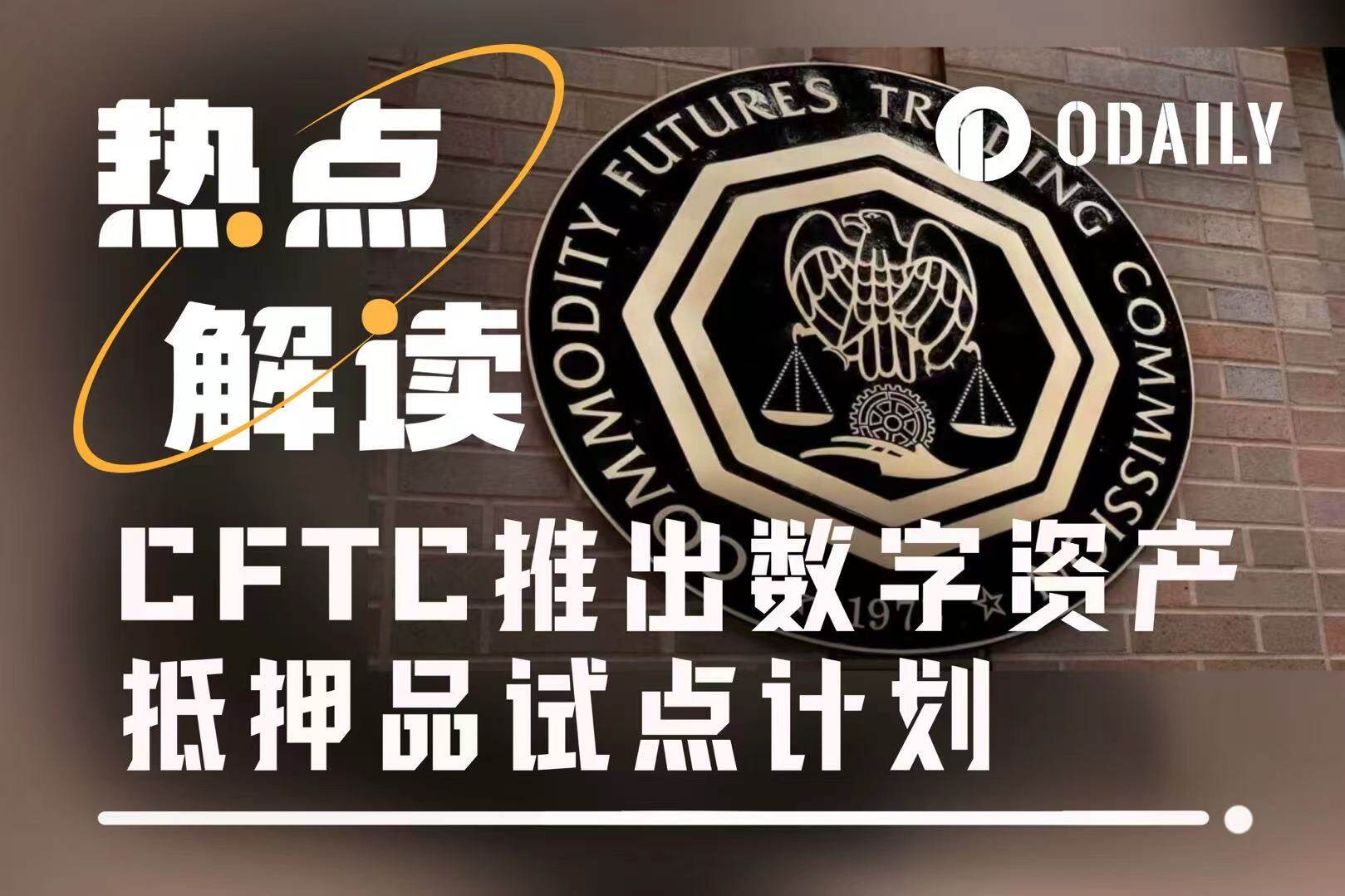
This morning, acting Chairman of the U.S. Commodity Futures Trading Commission (CFTC), Caroline D. Pham, announced the launch of a Digital Asset Collateral Pilot Program, allowing digital assets such as BTC, ETH, and USDC to be used as compliant margin in U.S. regulated derivatives markets, and issued regulatory guidance on tokenized collateral, while simultaneously repealing outdated rules that had become ineffective following the enactment of the GENIUS Act. Additionally, Caroline D. Pham stated: "As I have said before, embracing responsible innovation ensures that U.S. markets remain world-leading and drive U.S. economic growth, as market participants can deploy capital more safely to achieve greater investment returns."

Crypto Assets Officially Enter the Derivatives Market with a Compliant Identity

The Digital Asset Collateral Pilot Program launched by the CFTC is essentially a policy opening where U.S. regulators are proactively "clearing the way." In the past, in U.S. regulated derivatives markets, margin could only exist in the form of traditional assets like cash, Treasury bonds, commercial paper, etc., with crypto assets being excluded. The launch of the pilot program means regulators have, for the first time, explicitly acknowledged that digital assets can participate in mainstream financial transactions as collateral. The specific details of the program are interpreted as follows:

Applicable Entities: Futures Commission Merchants (FCMs)

The pilot targets licensed Futures Commission Merchants, who are core participants in the derivatives market, responsible for custoding client funds, providing margin management, and clearing channels.

Permissible Assets: BTC, ETH, USDC

For the initial three months, the digital asset collateral acceptable by FCMs (Futures Commission Merchants) is limited to BTC, ETH, and USDC, and they must report position sizes to the CFTC weekly on a per-account basis. The regulator clearly stated that this move adheres to a "technology-neutral" principle, focusing on risk attributes rather than asset labels.

Extremely Stringent Regulatory Requirements

To ensure the stability of the traditional financial system, the CFTC has issued highly prudent requirements, including:

  • Digital assets must be held in segregated accounts and cannot be commingled with institutional proprietary funds;
  • FCMs must report position changes to the CFTC weekly;
  • Major issues must be reported immediately;
  • The CFTC will apply the most conservative haircut to digital assets to hedge against price volatility risk.

In other words, the regulator is not simply granting permission but is establishing a controllable, auditable, and traceable institutional framework.

Repealing Old Rules, Introducing New Guidance

Alongside the launch of the Digital Asset Collateral Pilot Program, the CFTC announced the repeal of the 2020 Staff Advisory 20-34—this old rule was no longer suitable for the current market after the passage of the GENIUS Act. The CFTC also issued new regulatory guidelines for "tokenized collateral," providing an institutional foundation for the future on-chain representation of traditional assets like "tokenized Treasuries, tokenized funds."

Shift in Regulatory Attitude: Providing "No-Action Relief"

For FCMs wishing to pilot digital asset margin, the CFTC has provided "No-Action Relief," offering regulatory clarity to institutions and requiring them to maintain robust risk controls. This is equivalent to the CFTC clearly telling institutions: "Operate within the rule framework, and we will not impose additional enforcement risks." For traditional institutions looking to enter the crypto space, this is a crucial "confidence booster."

Industry Leaders' Perspectives

Coinbase: Confirming Industry Consensus, Driving a Payment Revolution

Coinbase Chief Legal Officer Paul Grewal posted on X: "The CFTC's launch of the Digital Asset Collateral Pilot Program confirms a long-standing consensus in the crypto industry: stablecoins and digital assets can make payments faster, cheaper, and reduce risk." Paul Grewal pointed out that this pilot aligns with the original intent of Congress when it passed the GENIUS Act, paving the way for stablecoins to serve as key settlement tools, enabling faster, lower-cost cross-border payments. Coinbase Chief Policy Officer Faryar Shirzad added that this move will significantly enhance the utility of digital assets, attracting more institutional investors into regulated markets. Simultaneously, the potential of stablecoins as settlement tools will be fully unleashed,有望实现有望实现有望实现有望实现有望实现有望实现有望实现有望实现有望实现有望实现有望实现有望实现有望实现有望实现有望实现有望实现有望实现有望实现有望实现有望实现有望实现有望实现有望实现有望实现有望实现有望实现有望实现有望实现有望实现有望实现有望实现有望实现有望实现有望实现有望实现有望实现有望实现有望实现有望实现有望实现有望实现有望实现有望实现有望实现有望实现有望实现有望实现有望实现有望实现有望实现有望实现有望实现有望实现有望实现有望实现有望实现有望实现有望实现有望实现有望实现有望实现有望实现有望实现有望实现有望实现有望实现有望实现有望实现有望实现有望实现有望实现有望实现有望实现有望实现有望实现有望实现有望实现有望实现有望实现有望实现有望实现有望实现有望实现有望实现有望实现有望实现有望实现有望实现有望实现有望实现有望实现有望实现有望实现有望实现有望实现有望实现有望实现有望实现有望实现有望实现有望实现有望实现有望实现有望实现有望实现有望实现有望实现有望实现有望实现有望实现有望实现有望实现有望实现有望实现有望实现有望实现有望实现有望实现有望实现有望实现有望实现有望实现有望实现有望实现有望实现有望实现有望实现有望实现有望实现有望实现有望实现有望实现有望实现有望实现有望实现有望实现有望实现有望实现有望实现有望实现有望实现有望实现有望实现有望实现有望实现有望实现有望实现有望实现有望实现有望实现有望实现有望实现有望实现有望实现有望实现有望实现有望实现有望实现有望实现有望实现有望实现有望实现有望实现有望实现有望实现有望实现有望实现有望实现有望实现有望实现有望实现有望实现有望实现有望实现有望实现有望实现有望实现有望实现有望实现有望实现有望实现有望实现有望实现有望实现有望实现有望实现有望实现有望实现有望实现有望实现有望实现有望实现有望实现有望实现有望实现有望实现有望实现有望实现有望实现有望实现有望实现有望实现有望实现有望实现有望实现有望实现有望实现有望实现有望实现有望实现有望实现有望实现有望实现有望实现有望实现有望实现有望实现有望实现有望实现有望实现有望实现有望实现有望实现有望实现有望实现有望实现有望实现有望实现有望实现有望实现有望实现有望实现有望实现有望实现有望实现有望实现有望实现有望实现有望实现有望实现有望实现有望实现有望实现有望实现有望实现有望实现有望实现有望实现有望实现有望实现有望实现有望实现有望实现有望实现有望实现有望实现有望实现有望实现有望实现有望实现有望实现有望实现有望实现有望实现有望实现有望实现有望实现有望实现有望实现有望实现有望实现有望实现有望实现有望实现有望实现有望实现有望实现有望实现有望实现有望实现有望实现有望实现有望实现有望实现有望实现有望实现有望实现有望实现有望实现有望实现有望实现有望实现有望实现有望实现有望实现有望实现有望实现有望实现有望实现有望实现有望实现有望实现有望实现有望实现有望实现有望实现有望实现有望实现有望实现有望实现有望实现有望实现有望实现有望实现有望实现有望实现有望实现有望实现有望实现有望实现有望实现有望实现有望实现有望实现有望实现有望实现有望实现有望实现有望实现有望实现有望实现有望实现有望实现有望实现有望实现有望实现有望实现有望实现有望实现有望实现有望实现有望实现有望实现有望实现有望实现有望实现有望实现有望实现有望实现有望实现有望实现有望实现有望实现有望实现有望实现有望实现有望实现有望实现有望实现有望实现有望实现有望实现有望实现有望实现有望实现有望实现有望实现有望实现有望实现有望实现有望实现有望实现有望实现有望实现有望实现有望实现有望实现有望实现有望实现有望实现有望实现有望实现有望实现有望实现有望实现有望实现有望实现有望实现有望实现有望实现有望实现有望实现有望实现有望实现有望实现有望实现有望实现有望实现有望实现有望实现有望实现有望实现有望实现有望实现有望实现有望实现有望实现有望实现有望实现有望实现有望实现有望实现有望实现有望实现有望实现有望实现有望实现有望实现有望实现有望实现有望实现有望实现有望实现有望实现有望实现有望实现有望实现有望实现有望实现有望实现有望实现有望实现有望实现有望实现有望实现有望实现有望实现有望实现有望实现有望实现有望实现有望实现有望实现有望实现有望实现有望实现有望实现有望实现有望实现有望实现有望实现有望实现有望实现有望实现有望实现有望实现有望实现有望实现有望实现有望实现有望实现有望实现有望实现有望实现有望实现有望实现有望实现有望实现有望实现有望实现有望实现有望实现有望实现有望实现有望实现有望实现有望实现有望实现有望实现有望实现有望实现有望实现有望实现有望实现有望实现有望实现有望实现有望实现有望实现有望实现有望实现有望实现有望实现有望实现有望实现有望实现有望实现有望实现有望实现有望实现有望实现有望实现有望实现有望实现有望实现有望实现有望实现有望实现有望实现有望实现有望实现有望实现有望实现有望实现有望实现有望实现有望实现有望实现有望实现有望实现有望实现有望实现有望实现有望实现有望实现有望实现有望实现有望实现有望实现有望实现有望实现有望实现有望实现有望实现有望实现有望实现有望实现有望实现有望实现有望实现有望实现有望实现有望实现有望实现有望实现有望实现有望实现有望实现有望实现有望实现有望实现有望实现有望实现有望实现有望实现有望实现有望实现有望实现有望实现有望实现有望实现有望实现有望实现有望实现有望实现有望实现有望实现有望实现有望实现有望实现有望实现有望实现有望实现有望实现有望实现有望实现有望实现有望实现有望实现有望实现有望实现有望实现有望实现有望实现有望实现有望实现有望实现有望实现有望实现有望实现有望实现有望实现有望实现有望实现有望实现有望实现有望实现有望实现有望实现有望实现有望实现有望实现有望实现有望实现有望实现有望实现有望实现有望实现有望实现有望实现有望实现有望实现有望实现有望实现有望实现有望实现有望实现有望实现有望实现有望实现有望实现有望实现有望实现有望实现有望实现有望实现有望实现有望实现有望实现有望实现有望实现有望实现有望实现有望实现有望实现有望实现有望实现有望实现有望实现有望实现有望实现有望实现有望实现有望实现有望实现有望实现有望实现有望实现有望实现有望极有可能实现faster, lower-cost cross-border payments.

Crypto.com: Ushering in the Era of 24/7 Trading in the U.S. Market, a Milestone for Crypto Assets Moving into Mainstream Finance

Crypto.com CEO Kris Marszalek posted on X: "This announcement will make the reality of true 24/7 trading in the U.S. a reality, promoting the deep integration of crypto assets with mainstream finance." He emphasized that the use of tokenized collateral will reduce settlement friction, enhance liquidity, and set a benchmark for global markets. This is not just a technological advancement but also a regulatory "green channel" for innovation.

Circle: Reducing Settlement Risk, Embracing Real-Time Clearing

Circle President Heath Tarbert commented: "This is an 'unlocking moment' for the crypto market, allowing institutions to efficiently manage risk while maintaining asset exposure. These changes will significantly reduce settlement risk and friction in derivatives trading by enabling near real-time margin calls." Additionally, Heath Tarbert specifically mentioned that USDC's qualification as eligible collateral will further solidify the stablecoin's core role in traditional finance.

Ripple: Unlocking Capital Efficiency, the U.S. Regains Leadership

Ripple stated in its response that this pilot "finally provides institutions with the long-awaited unlocking of capital efficiency," strengthening the U.S.'s global leadership at a critical moment. It also noted that allowing BTC, ETH, and USDC to be used directly as margin will reduce the friction of institutions needing to convert crypto assets to cash, driving trillions of dollars into regulated derivatives markets. This marks a strategic shift from "offshore uncertainty" to "onshore compliance."

Overall, while the Digital Asset Collateral Pilot Program is a short-term test (lasting three months), its stringent reporting and risk control mechanisms (such as weekly position disclosures, maximum haircuts) ensure a safety foundation while paving the way for future expansion. Its impact on retail investors is limited in the short term, but in the long run, it is indeed an important signal of institutional-grade recognition.

The True Turning Point of U.S. Crypto Regulation

The CFTC's Digital Asset Collateral Pilot not only means that BTC, ETH, and USDC can be used as compliant margin but also marks the first time digital assets have entered the core U.S. financial market with an institutionalized identity. Futures and swaps markets are the most important capital hubs globally. When crypto assets can be collateralized and used in these markets, they leap from "speculative assets" to regulated financial instruments. Institutional investors gain a clear compliance path, and market liquidity and capital efficiency improve accordingly.

The inclusion of the stablecoin USDC is particularly symbolic. It is officially recognized as a digitized载体 of the U.S. dollar capable of supporting financial transactions, not only consolidating the dollar's core position in on-chain payments and settlements but also paving the way for stablecoins to serve as critical financial infrastructure. This means U.S. regulation is beginning to shift from "restriction" to "institutionalized guidance," providing a clear framework for the development of tokenized finance, including core requirements for custody, segregation, valuation, and risk management, laying the foundation for the future on-chain representation of tokenized Treasuries, funds, and money market instruments.

In the short term, this pilot has limited impact on retail investors, as its strict reporting and risk management mechanisms ensure market safety. However, in the long term, it is an important signal of institutional recognition, meaning more capital will enter the crypto market through regulated channels, the settlement function of stablecoins will be fully unleashed, and derivatives liquidity and market efficiency are expected to improve significantly. More importantly, this pilot reflects a structural shift in U.S. regulation: crypto assets are no longer just objects of speculation but are institutionalized assets that can be incorporated into the mainstream financial system.

If crypto ETFs meant "crypto assets becoming assets," then the CFTC's launch of the Digital Asset Collateral Pilot marks the moment "crypto assets officially enter the U.S. financial system." In the future, more assets will be tokenized, institutions will use on-chain assets as collateral, and the U.S. dollar will circulate on-chain via stablecoins. This is not just a short-term policy but heralds a new cycle of deep integration between crypto and mainstream finance.


Criptomoedas em alta

Perguntas relacionadas

QWhat is the significance of the CFTC's Digital Asset Collateral Pilot Program announced by Acting Chairman Caroline D. Pham?

AThe program is a significant policy shift that allows digital assets like BTC, ETH, and USDC to be used as compliant collateral in regulated U.S. derivatives markets for the first time. It marks a move from restriction to institutional guidance, providing a clear regulatory framework and a 'green channel' for innovation, integrating crypto into the core financial system.

QWhich specific entities are eligible to participate in the new pilot program, and what are their roles?

AThe eligible participants are licensed Futures Commission Merchants (FCMs). They are core participants in the derivatives market responsible for custoding client funds, providing margin management, and clearing channels.

QWhat are the three digital assets initially approved for use as collateral, and what is the reporting requirement for FCMs?

AThe initially approved digital assets are Bitcoin (BTC), Ethereum (ETH), and USD Coin (USDC). FCMs are required to report their holdings of these assets to the CFTC on a weekly basis.

QHow did industry leaders from companies like Coinbase and Circle react to the CFTC's announcement?

AIndustry leaders hailed it as a pivotal 'unlock moment.' Coinbase's CLO stated it confirms that stablecoins enable faster, cheaper payments. Circle's President said it reduces settlement risk and embraces real-time clearing, solidifying stablecoins' core role in traditional finance.

QWhat does the inclusion of the stablecoin USDC in this program symbolize for the future of finance?

AThe inclusion of USDC symbolically marks its official recognition as a digitized dollar vehicle for financial transactions. It paves the way for stablecoins to become critical financial infrastructure and lays the foundation for the future tokenization of assets like treasury bonds and funds.

Leituras Relacionadas

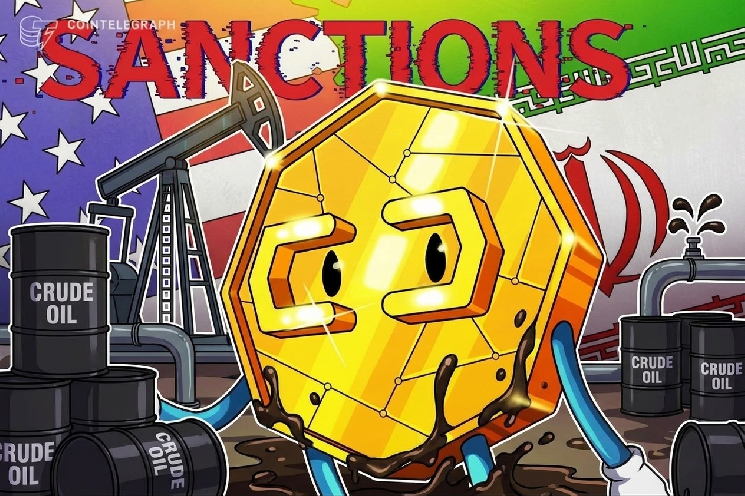
U.S. Aims at Iran's Crypto Sector Due to Oil Payments Exceeding $100 Billion

The U.S. Treasury Department has expanded sanctions on Iran to target its digital asset sector, citing over $100 million in cryptocurrency payments allegedly used to facilitate Iranian oil sales. The Treasury’s Office of Foreign Assets Control (OFAC) announced new sectoral sanctions covering digital assets, technology, gold, aviation, and shipping, alongside sanctions against nearly 60 entities, individuals, and vessels linked to nuclear, missile, cyber, and oil networks. The move allows OFAC to sanction foreign persons and firms operating in or supporting Iran’s crypto sector, which the Treasury stated is increasingly used as a "tool of choice" to circumvent sanctions, including by the Islamic Revolutionary Guard Corps (IRGC). Specific targets include Ukrainian broker Ivan Obukhov and his UAE-registered firm Foscom FZE, accused of processing over $100 million in crypto payments to facilitate oil sales for the IRGC’s Quds Force. This follows recent U.S. actions against Iran-linked crypto exchanges, including sanctions against UK-based Zedcex and Zedxion in January, four Iranian exchanges including Nobitex in June, and exchanges Shelbit and Aban Tether in August. Unlike previous targeted sanctions, the new measures establish a framework to penalize broader involvement in Iran’s crypto sector, significantly expanding OFAC’s authority under Executive Order 13902. Designated persons’ U.S.-linked property will be blocked, and foreign banks facilitating significant transactions for them may face U.S. account restrictions.

cryptonews.ruHá 28m

U.S. Aims at Iran's Crypto Sector Due to Oil Payments Exceeding $100 Billion

cryptonews.ruHá 28m

Conversation with Charles Zhang: Amidst the AI Frenzy, Why Pursue 'Anti-Efficiency' Content?

Dialogue with Charles Zhang: In the Era of AI's Sprint, Why Create "Anti-Efficiency" Content Standing out among China's early internet pioneers, Charles Zhang, founder and CEO of Sohu, maintains a distinct personal identity. He keeps a consistent public presence and embodies traits of high-energy individuals: sleeping only 4-5 hours daily, running 5km or marathons, and hosting frequent offline tech forums and dialogues with Nobel laureates. He has shifted focus from external business expansion to internal self-reconstruction, adhering to his own pace. "People aren't afraid of being busy; the busier you are, the better your health. Having nothing to do can lead to emotional issues and poor health." Marking the 10th anniversary of his live-streamed "Charles Zhang's English Class," he recently took it offline for a real-world classroom session. Following this, he discussed the course's decade-long journey, Sohu Video's content ecosystem, and the value of content in the AI era. **Pen and Mouth Diligence: A Class Against Instant Mastery** His English class began in August 2016 on "Qianfan Live." He spends about 40 minutes daily preparing, reviewing dozens of news headlines, reading five in detail, and selecting three for the lesson. Over ten years, he has completed over 2000 live sessions totaling more than 110,000 minutes, with over 52 million views. Initially, the stream was a way to "talk more" and combat emotional struggles. He started by repeating after TV news anchors, then moved to live-streaming with the launch of Qianfan Live. It was 40% for personal emotional regulation ("like a monk chanting sutras"), 30% to deliver authentic news, and 30% to promote the new platform. This daily "ritual" helped him overcome depression, leading to what he calls his "peak life state." From a product perspective, it was counter-intuitive—launched without prior market research or growth strategies, based on the founder's personal need that resonated with users. Yet, his content creation follows a strict routine. The decade of covering geopolitics, economics, tech, health, and society has built a vast "knowledge compound interest" system. In an age of AI summaries and algorithmic content, Zhang insists on "hard work": meticulous reading, handwritten notes, and manually created teaching materials, refusing AI-generated content. The English class is now a fixed daily rhythm; preparing for his weekly physics class requires a full day of solitary deduction on a blackboard. In his live streams, Zhang positions himself as a "content creator," not a CEO or teacher. He sees physics as extreme brain training and English as a "sensor" to understand the world. This explains why a top entrepreneur persists for a decade in seemingly "unprofessional" pursuits—it's the information input and psychological healing method he found during a low point. It's fundamentally an "anti-efficiency" commitment. He believes the meaning of reading lies in finding community and spiritual support, not just fleeting conversation points. For today's media, he states: "Reading news isn't the goal. As humans with many confusions, we need reference points, to find a group, find kindred spirits, or seek support and spiritual nourishment. Large language models can't satisfy these starting points; they only give you information." This offers solace and a value defense for media professionals impacted by AI summaries. **"Don't Think Earth Stops Turning Because AI Arrived"** A content creator expressed anxiety: after feeding their article to AI, it produced a more comprehensive, profound version, making their work feel valueless. Zhang responded with an analogy: "Carrots from the market, with a bit of soil, not glossy, taste delicious and flavorful. Tomatoes forced by chemical fertilizer have no taste at all." He sees AI giving world content a "plastic feel," but acknowledges its significant role in improving information access efficiency, especially in physics and social science research where he often queries AI for quick professional answers. The key, Zhang stresses, is that the outside world still needs to guide our perspective. LLMs provide "information," while the outside world offers "viewpoints." He cares deeply about *what* that external viewpoint is and *how* someone thinks about an issue. "Don't think the Earth stops turning because AI arrived," he analyzes. AI currently replaces rule-based work, noting significant impact on the software industry with many programmers laid off as even less experienced people can now write decent code. However, AI cannot yet replace arts, social sciences, emotions, and creative content. "Hollywood remains thriving, producing great works. Oscars will continue, Nobel Literature Prizes will still be awarded—all by real people, with works conceived by real people." While wary of AI, Zhang isn't anti-technology and is open to its applications. Sohu itself has launched AI assistants. In Sohu's AI practice, Zhang defines his role as a "large language model corpus provider." He believes LLM training is inseparable from human-original content as its data foundation, so original content retains irreplaceable value. "The era of self-media indeed offers everyone new ways to discover their strengths and achieve growth." He suggests every young person should consider self-media. Most importantly, the bottom line of content creation should be "authenticity." If using AI avatars, they must be clearly labeled; not doing so and misleading viewers wastes their time, especially when people still prefer real human content. Behind AI's sprint lie unavoidable realities. As AI quickly provides seemingly perfect answers, people grow accustomed to accepting "summarized" results, omitting processes of questioning, deduction, and trial-and-error, leading to a decline in deep thinking. Zhang's "anti-efficiency" practice with his two live-streamed classes is his answer to AI's狂奔: In an algorithm-driven era chasing ultimate efficiency, don't expect AI to fill inner voids. Read books, speak in front of a camera, sweat on a running track, and build connections with real people.

marsbitHá 38m

Conversation with Charles Zhang: Amidst the AI Frenzy, Why Pursue 'Anti-Efficiency' Content?

marsbitHá 38m

Trading

Spot

Artigos em Destaque

O que é BITCOIN

Compreender o HarryPotterObamaSonic10Inu (ERC-20) e a Sua Posição no Espaço Cripto Nos últimos anos, o mercado de criptomoedas assistiu a um aumento na popularidade das moedas meme, cativando não apenas os traders, mas também aqueles que procuram envolvimento comunitário e valor de entretenimento. Entre estes tokens únicos está o HarryPotterObamaSonic10Inu (ERC-20), um projeto intrigante que mistura referências culturais no tecido das criptomoedas. Este artigo explora os principais aspetos do HarryPotterObamaSonic10Inu, examinando os seus mecanismos, a sua ética orientada pela comunidade e o seu envolvimento com o vasto panorama cripto. O que é o HarryPotterObamaSonic10Inu (ERC-20)? Como o nome sugere, o HarryPotterObamaSonic10Inu é uma moeda meme construída na blockchain Ethereum, classificada sob o padrão ERC-20. Ao contrário das criptomoedas tradicionais, que podem enfatizar a utilidade prática ou o potencial de investimento, este token prospera no valor de entretenimento e na força da sua comunidade. O projeto visa promover um ambiente onde utilizadores envolvidos possam reunir-se, partilhar ideias e participar em atividades inspiradas por diversos fenómenos culturais. Uma característica notável do HarryPotterObamaSonic10Inu é a zero taxa sobre transações. Este elemento atraente visa encorajar a negociação e o envolvimento da comunidade, isento de encargos adicionais que podem desencorajar os traders de pequena escala. A oferta total da moeda está fixada em mil milhões de tokens, uma cifra que marca a sua intenção de manter uma circulação substancial dentro da comunidade. Criador do HarryPotterObamaSonic10Inu (ERC-20) As origens do HarryPotterObamaSonic10Inu estão um pouco envoltas em mistério; os detalhes sobre o criador permanecem desconhecidos. O desenvolvimento deste token carece de uma equipa identificável ou de um plano explícito, o que não é raro no setor das moedas meme. Em vez disso, o projeto surgiu de forma orgânica, com o seu progresso a depender fortemente do entusiasmo e da participação da sua comunidade. Investidores do HarryPotterObamaSonic10Inu (ERC-20) No que diz respeito a investimentos externos e apoios, o HarryPotterObamaSonic10Inu também permanece ambíguo. O token não lista quaisquer fundações de investimento conhecidas ou apoio organizacional significativo. Em vez disso, o “sangue vital” do projeto é a sua comunidade de base, que informa o seu crescimento e sustentabilidade através da ação coletiva e do envolvimento no espaço cripto. Como Funciona o HarryPotterObamaSonic10Inu (ERC-20)? Como uma moeda meme, o HarryPotterObamaSonic10Inu opera principalmente fora dos quadros tradicionais que muitas vezes governam o valor dos ativos. Existem vários aspetos distintivos que definem como o projeto funciona: Transações Sem Taxas: Sem taxas sobre transações, os utilizadores podem comprar e vender o token livremente, sem a preocupação de custos ocultos. Envolvimento da Comunidade: O projeto prospera na interação da comunidade, aproveitando plataformas de redes sociais para criar entusiasmo e facilitar a participação. Discussões, partilha de conteúdo e envolvimento são elementos cruciais que ajudam a expandir o seu alcance e a fomentar a lealdade entre os apoiantes. Sem Utilidade Prática: Deve ser notado que o HarryPotterObamaSonic10Inu não oferece utilidade concreta dentro do ecossistema financeiro. Em vez disso, é classificado como um token principalmente para entretenimento e atividades comunitárias. Referência Cultural: O token incorpora de forma inteligente elementos da cultura popular para atrair interesse, conectando-se tanto com entusiastas de memes como com seguidores de criptomoedas. HarryPotterObamaSonic10Inu exemplifica como as moedas meme operam de forma diferente de projetos de criptomoedas mais tradicionais, entrando no mercado como construções sociais inovadoras em vez de ativos utilitários. Linha do Tempo do HarryPotterObamaSonic10Inu (ERC-20) A história do HarryPotterObamaSonic10Inu é marcada por vários marcos notáveis: Criação: O token surgiu de um meme viral, capturando a imaginação de muitos entusiastas de criptomoedas. Datas específicas de criação não estão disponíveis, sublinhando a sua ascensão orgânica. Listagem em Exchanges: O HarryPotterObamaSonic10Inu conseguiu entrar em várias exchanges, permitindo um acesso e negociação mais fáceis pela comunidade. Iniciativas de Envolvimento da Comunidade: Atividades contínuas direcionadas a melhorar a interação comunitária, incluindo concursos, campanhas em redes sociais e geração de conteúdo por fãs e defensores. Planos de Expansão Futura: O roteiro do projeto inclui o lançamento de uma coleção de NFTs, mercadorias e um site de eCommerce relacionado aos seus temas culturais, envolvendo ainda mais a comunidade e tentando adicionar mais dimensões ao seu ecossistema. Pontos-Chave sobre o HarryPotterObamaSonic10Inu (ERC-20) Natureza Orientada pela Comunidade: O projeto prioriza a contribuição coletiva e a criatividade, assegurando que o envolvimento dos utilizadores está na vanguarda do seu desenvolvimento. Classificação como Moeda Meme: Representa o epítome da criptomoeda baseada em entretenimento, destacando-se dos veículos de investimento tradicionais. Sem Afiliação Direta com o Bitcoin: Apesar da semelhança no nome do ticker, o HarryPotterObamaSonic10Inu é distinto e não tem qualquer relação com o Bitcoin ou outras criptomoedas estabelecidas. Foco na Colaboração: O HarryPotterObamaSonic10Inu é projetado para criar um espaço de colaboração e partilha de histórias entre os seus detentores, proporcionando uma via para a criatividade e o fortalecimento da comunidade. Perspectivas Futuras: A ambição de expandir além da sua premissa inicial para NFTs e mercadorias delineia um caminho para o projeto potencialmente entrar em avenidas mais mainstream dentro da cultura digital. À medida que as moedas meme continuam a capturar a imaginação da comunidade cripto, HarryPotterObamaSonic10Inu (ERC-20) destaca-se devido aos seus laços culturais e abordagem centrada na comunidade. Embora possa não se encaixar no molde típico de um token orientado para utilidade, a sua essência reside na alegria e camaradagem fomentadas entre os seus apoiantes, destacando a natureza em evolução das criptomoedas em uma era cada vez mais digital. À medida que o projeto continua a desenvolver-se, será importante observar como as dinâmicas comunitárias influenciam a sua trajetória no panorama em constante mudança da tecnologia blockchain.

2.4k Visualizações TotaisPublicado em {updateTime}Atualizado em 2024.12.03

O que é BITCOIN

Como comprar BTC

Bem-vindo à HTX.com!Tornámos a compra de Bitcoin (BTC) simples e conveniente.Segue o nosso guia passo a passo para iniciar a tua jornada no mundo das criptos.Passo 1: cria a tua conta HTXUtiliza o teu e-mail ou número de telefone para te inscreveres numa conta gratuita na HTX.Desfruta de um processo de inscrição sem complicações e desbloqueia todas as funcionalidades.Obter a minha contaPasso 2: vai para Comprar Cripto e escolhe o teu método de pagamentoCartão de crédito/débito: usa o teu visa ou mastercard para comprar Bitcoin (BTC) instantaneamente.Saldo: usa os fundos da tua conta HTX para transacionar sem problemas.Terceiros: adicionamos métodos de pagamento populares, como Google Pay e Apple Pay, para aumentar a conveniência.P2P: transaciona diretamente com outros utilizadores na HTX.Mercado de balcão (OTC): oferecemos serviços personalizados e taxas de câmbio competitivas para os traders.Passo 3: armazena teu Bitcoin (BTC)Depois de comprar o teu Bitcoin (BTC), armazena-o na tua conta HTX.Alternativamente, podes enviá-lo para outro lugar através de transferência blockchain ou usá-lo para transacionar outras criptomoedas.Passo 4: transaciona Bitcoin (BTC)Transaciona facilmente Bitcoin (BTC) no mercado à vista da HTX.Acede simplesmente à tua conta, seleciona o teu par de trading, executa as tuas transações e monitoriza em tempo real.Oferecemos uma experiência de fácil utilização tanto para principiantes como para traders experientes.

5.0k Visualizações TotaisPublicado em {updateTime}Atualizado em 2026.06.02

Como comprar BTC

O que é $BITCOIN

OURO DIGITAL ($BITCOIN): Uma Análise Abrangente Introdução ao OURO DIGITAL ($BITCOIN) OURO DIGITAL ($BITCOIN) é um projeto baseado em blockchain que opera na rede Solana, com o objetivo de combinar as características dos metais preciosos tradicionais com a inovação das tecnologias descentralizadas. Embora partilhe um nome com o Bitcoin, frequentemente referido como “ouro digital” devido à sua percepção como uma reserva de valor, o OURO DIGITAL é um token separado projetado para criar um ecossistema único dentro da paisagem Web3. O seu objetivo é posicionar-se como um ativo digital alternativo viável, embora os detalhes sobre as suas aplicações e funcionalidades ainda estejam em desenvolvimento. O que é o OURO DIGITAL ($BITCOIN)? OURO DIGITAL ($BITCOIN) é um token de criptomoeda explicitamente projetado para uso na blockchain Solana. Em contraste com o Bitcoin, que fornece um papel amplamente reconhecido como armazenamento de valor, este token parece focar em aplicações e características mais amplas. Aspectos notáveis incluem: Infraestrutura Blockchain: O token é construído na blockchain Solana, conhecida pela sua capacidade de lidar com transações de alta velocidade e baixo custo. Dinâmicas de Oferta: O OURO DIGITAL tem um fornecimento máximo limitado a 100 quatrilhões de tokens (100P $BITCOIN), embora os detalhes sobre o seu fornecimento circulante ainda não tenham sido divulgados. Utilidade: Embora as funcionalidades precisas não estejam explicitamente delineadas, existem indicações de que o token poderia ser utilizado para várias aplicações, potencialmente envolvendo aplicações descentralizadas (dApps) ou estratégias de tokenização de ativos. Quem é o Criador do OURO DIGITAL ($BITCOIN)? Neste momento, a identidade dos criadores e da equipa de desenvolvimento por trás do OURO DIGITAL ($BITCOIN) permanece desconhecida. Esta situação é típica entre muitos projetos inovadores no espaço da blockchain, particularmente aqueles alinhados com finanças descentralizadas e fenómenos de moedas meme. Embora tal anonimato possa fomentar uma cultura orientada pela comunidade, intensifica as preocupações sobre governança e responsabilidade. Quem são os Investidores do OURO DIGITAL ($BITCOIN)? As informações disponíveis indicam que o OURO DIGITAL ($BITCOIN) não tem apoiantes institucionais conhecidos ou investimentos proeminentes de capital de risco. O projeto parece operar num modelo peer-to-peer focado no apoio e adoção da comunidade, em vez de rotas de financiamento tradicionais. A sua atividade e liquidez estão principalmente situadas em exchanges descentralizadas (DEXs), como a PumpSwap, em vez de plataformas de negociação centralizadas estabelecidas, destacando ainda mais a sua abordagem de base. Como Funciona o OURO DIGITAL ($BITCOIN) A mecânica operacional do OURO DIGITAL ($BITCOIN) pode ser elaborada com base no seu design de blockchain e nas características da rede: Mecanismo de Consenso: Ao aproveitar o exclusivo proof-of-history (PoH) da Solana combinado com um modelo de proof-of-stake (PoS), o projeto assegura uma validação eficiente das transações, contribuindo para o alto desempenho da rede. Tokenomics: Embora mecanismos deflacionários específicos não tenham sido extensivamente detalhados, o vasto fornecimento máximo de tokens implica que pode atender a microtransações ou casos de uso de nicho que ainda estão por definir. Interoperabilidade: Existe o potencial para integração com o ecossistema mais amplo da Solana, incluindo várias plataformas de finanças descentralizadas (DeFi). No entanto, os detalhes sobre integrações específicas permanecem não especificados. Cronologia de Eventos Chave Aqui está uma cronologia que destaca marcos significativos relacionados ao OURO DIGITAL ($BITCOIN): 2023: O lançamento inicial do token ocorre na blockchain Solana, marcado pelo seu endereço de contrato. 2024: O OURO DIGITAL ganha visibilidade ao tornar-se disponível para negociação em exchanges descentralizadas como a PumpSwap, permitindo que os utilizadores o negociem contra SOL. 2025: O projeto testemunha atividade de negociação esporádica e potencial interesse em envolvimentos liderados pela comunidade, embora não tenham sido documentadas parcerias ou avanços técnicos notáveis até ao momento. Análise Crítica Forças Escalabilidade: A infraestrutura subjacente da Solana suporta altos volumes de transações, o que pode aumentar a utilidade do $BITCOIN em vários cenários de transação. Acessibilidade: O potencial preço de negociação baixo por token pode atrair investidores de retalho, facilitando uma participação mais ampla devido a oportunidades de propriedade fracionada. Riscos Falta de Transparência: A ausência de apoiantes, desenvolvedores ou um processo de auditoria publicamente conhecidos pode gerar ceticismo em relação à sustentabilidade e confiabilidade do projeto. Volatilidade do Mercado: A atividade de negociação depende fortemente do comportamento especulativo, o que pode resultar em volatilidade significativa dos preços e incerteza para os investidores. Conclusão O OURO DIGITAL ($BITCOIN) surge como um projeto intrigante, mas ambíguo, dentro do ecossistema em rápida evolução da Solana. Embora tente aproveitar a narrativa do “ouro digital”, a sua divergência do papel estabelecido do Bitcoin como reserva de valor sublinha a necessidade de uma diferenciação mais clara da sua utilidade pretendida e estrutura de governança. A aceitação e adoção futuras dependerão provavelmente da abordagem da atual opacidade e da definição mais explícita das suas estratégias operacionais e económicas. Nota: Este relatório abrange informações sintetizadas disponíveis até outubro de 2023, e desenvolvimentos podem ter ocorrido além do período de pesquisa.

537 Visualizações TotaisPublicado em {updateTime}Atualizado em 2025.05.13

O que é $BITCOIN

Discussões

Bem-vindo à Comunidade HTX. Aqui, pode manter-se informado sobre os mais recentes desenvolvimentos da plataforma e obter acesso a análises profissionais de mercado. As opiniões dos utilizadores sobre o preço de BTC (BTC) são apresentadas abaixo.

活动图片