Crypto Gains Ally As Former CFTC Chair Becomes Full-Time Adviser

bitcoinistPublicado em 2026-04-15Última atualização em 2026-04-15

Resumo

Former CFTC Chairman Chris Giancarlo, known as "Crypto Dad," has retired from legal practice to work full-time as an adviser in the cryptocurrency and fintech sectors. He will focus on advising founders, CEOs, and boards, along with policy research and nonprofit work. Giancarlo, who served as CFTC commissioner and later chairman, played a key role in approving the first Bitcoin futures markets in the U.S. He has been a vocal advocate for clear crypto regulations rather than restrictive policies. His move follows a trend of senior regulators transitioning into the industry, similar to Caroline Pham’s shift to MoonPay last year. Giancarlo believes current regulators have sufficient authority to bring structure to crypto, though he acknowledges that regulatory uncertainty continues to hinder broader banking involvement.

Caroline Pham did it in December. Now Chris Giancarlo is following suit. The man once nicknamed “Crypto Dad” has walked away from law entirely to work full-time with cryptocurrency and financial technology companies, the latest in a string of senior regulators crossing into the industry they once helped oversee.

Giancarlo announced his departure from Willkie Farr & Gallagher on Sunday, posting on X that he was done with legal practice for good.

Going forward, he said, his time would be spent advising founders, chief executives, and company boards in the fintech and digital assets space, alongside policy research and writing, and work with nonprofit programs.

From Government Office To Industry Adviser

His credentials in this area run deep. Giancarlo was sworn in as a Commodity Futures Trading Commission commissioner in 2014 under the Obama administration. US President Donald Trump later tapped him as chairman, a role he held from August 2017 through July 2018.

During that stretch, the first Bitcoin futures markets in the US were given the green light on his watch — a milestone that helped open the door to mainstream financial participation in crypto.

The “Crypto Dad” nickname was earned honestly. Giancarlo was openly supportive of the sector at a time when most regulators kept their distance, and he pushed for clear rules rather than outright restriction.

His advisory work is not new, either. He has been guiding the crypto-focused bank Sygnum on regulatory affairs and strategic partnerships, according to reports. The full-time shift, though, marks a clean break from his legal career.

BTCUSD now trading at $74,432. Chart: TradingView

Banks And The Push For Clearer Rules

Just weeks before the announcement, Giancarlo appeared on Scott Melker’s podcast and weighed in on the state of crypto regulation in the US.

He played down concerns about major legislative packages stalling in Congress, arguing that the CFTC and the Securities and Exchange Commission retain enough authority to bring meaningful structure to the industry on their own.

At the same time, he acknowledged that regulatory ambiguity continues to hold banks back from deeper involvement in digital assets. Getting financial institutions comfortable with the space, he said, requires modern rules that match where finance is actually heading.

Pham’s move to MoonPay as chief legal officer drew attention when it happened last year. Giancarlo’s exit from law adds fresh weight to a trend that shows no sign of slowing — experienced regulators planting their flags in an industry they spent years watching from the other side.

Featured image from Jsbarefoot, chart from TradingView

Perguntas relacionadas

QWho is the former CFTC chairman that recently left his legal career to become a full-time adviser in the crypto and fintech industry?

AChris Giancarlo, the former CFTC chairman nicknamed 'Crypto Dad', has left his legal career to work full-time as an adviser in the crypto and fintech industry.

QWhat significant milestone in the US crypto market occurred under Chris Giancarlo's watch as CFTC chairman?

AUnder Chris Giancarlo's leadership, the first Bitcoin futures markets in the US were approved, which was a major milestone for mainstream financial participation in crypto.

QWhy was Chris Giancarlo given the nickname 'Crypto Dad'?

AHe was given the nickname 'Crypto Dad' because he was openly supportive of the crypto sector at a time when most regulators kept their distance, and he advocated for clear rules instead of outright restrictions.

QWhich crypto-focused bank has Chris Giancarlo been advising on regulatory affairs and strategic partnerships?

AChris Giancarlo has been advising the crypto-focused bank Sygnum on regulatory affairs and strategic partnerships.

QAccording to Giancarlo, what is needed to get financial institutions more comfortable with involvement in digital assets?

AGiancarlo stated that getting financial institutions comfortable with digital assets requires modern rules that align with the actual direction of finance, addressing current regulatory ambiguity.

Leituras Relacionadas

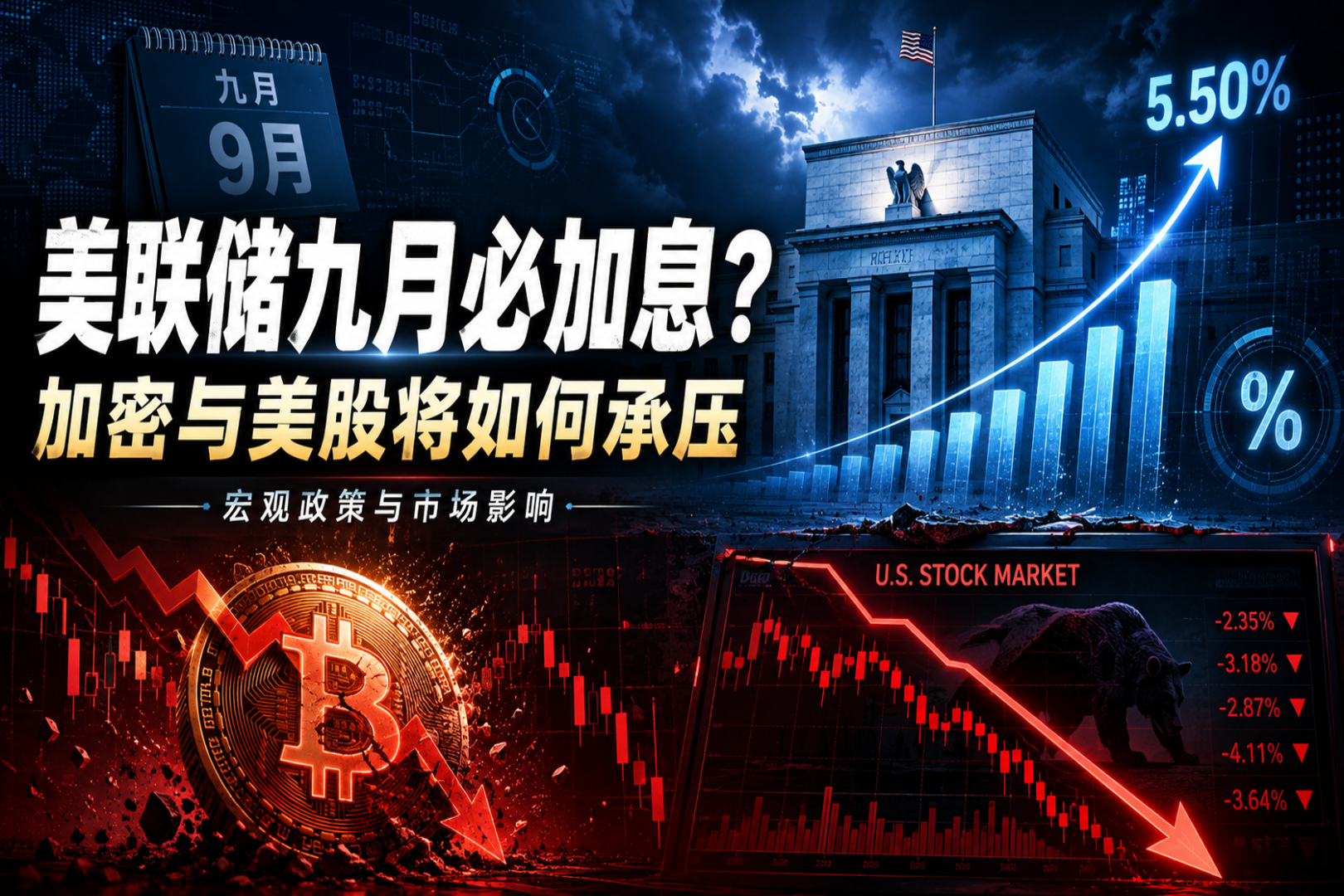
Will the Fed Definitely Raise Interest Rates in September? How Will Crypto and U.S. Stocks Withstand the Pressure?

The market's expectation for a September Fed rate hike surged dramatically in early August, jumping from under 50% to over 80% within a week. This shift followed a contentious July FOMC meeting, where a 9-3 vote to hold rates revealed growing dissent from hawkish members advocating for an immediate hike to combat persistent inflation. The primary catalyst for this repricing is rising oil prices, driven by renewed geopolitical tensions around the Strait of Hormuz, which threaten global supply. Energy costs directly influence inflation metrics, making the upcoming July CPI report (due August 12th) a critical data point. If it shows inflation reaccelerating, the probability of a September hike will solidify. For Bitcoin and crypto assets, this is typically bearish news. Bitcoin continues to behave as a high-beta, liquidity-sensitive risk asset. A rate hike raises the opportunity cost of holding non-yielding assets and could drive capital toward money markets, pressuring crypto prices in the short term. However, historical patterns suggest that if a hike is perceived as the end of a tightening cycle rather than the start, any negative price impact may be brief. U.S. stocks, particularly crypto-linked equities like Coinbase and growth-oriented tech stocks, are also vulnerable. Higher rates increase discount rates in valuation models, putting pressure on high-multiple companies. This coincides with a pivotal tech earnings season where investor focus has shifted from massive AI capital expenditure to tangible revenue and cash flow generation. Companies with negative cash flow and weak growth narratives could face heightened volatility if borrowing costs rise in September. In summary, a September Fed hike has evolved into a mainstream market scenario. Key factors to watch are oil prices, the July CPI report, and Fed communications, which will determine the final decision and its impact on volatile crypto and equity markets.

marsbitHá 2m

Will the Fed Definitely Raise Interest Rates in September? How Will Crypto and U.S. Stocks Withstand the Pressure?

marsbitHá 2m

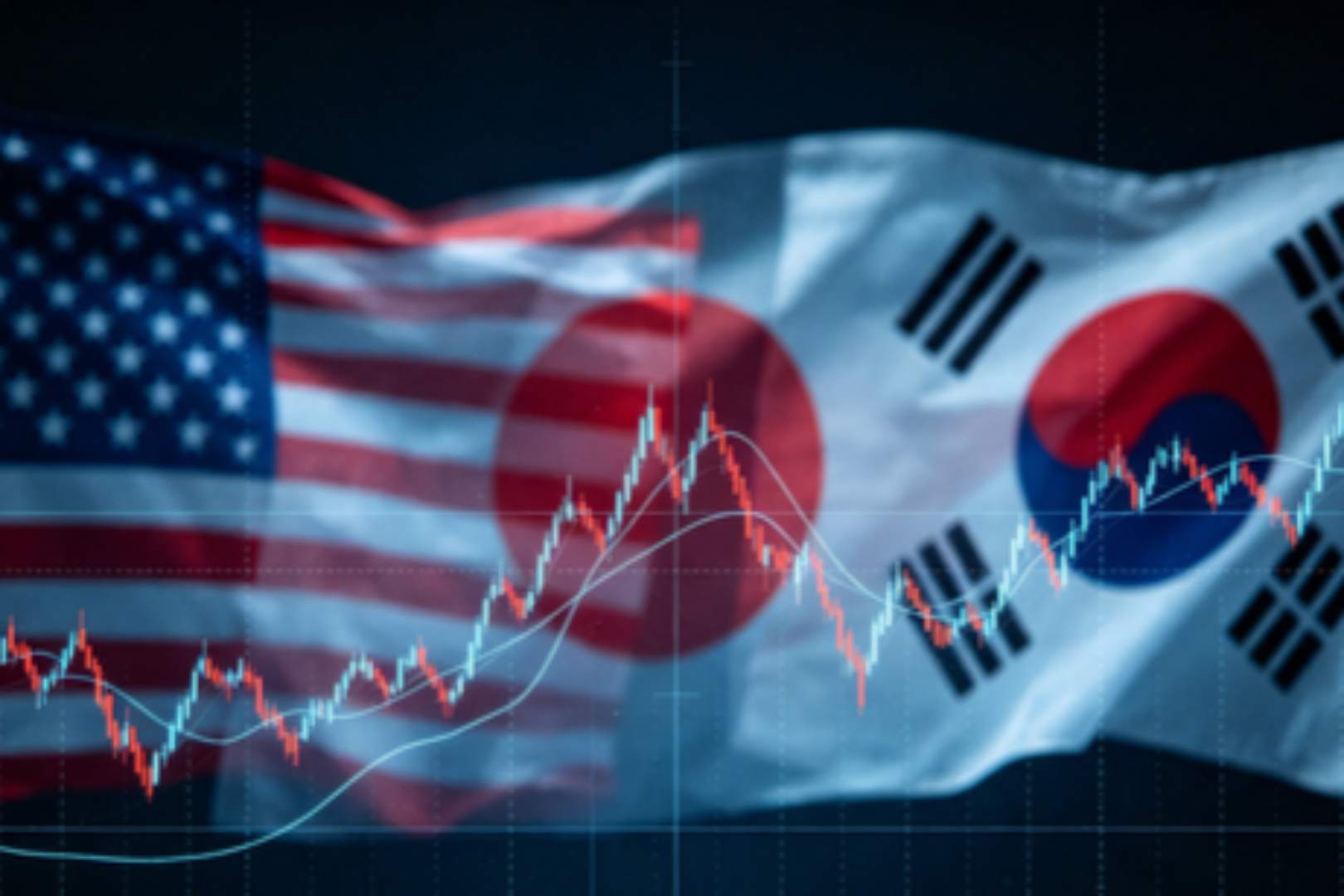
A 'Overlooked' Market Event: Joint US-Japan-South Korea Intervention, Rare US Treasury Involvement, and Bessent's Quiet 'Market Rescue'?

Summary: The United States, Japan, and South Korea executed their largest coordinated foreign exchange intervention in nearly 30 years. The action targeted depreciation pressure on the Japanese yen and South Korean won. This move is seen as a significant effort by the US to stabilize the financial markets of its key allies and prevent the spillover of risks. Key details: * Japan reportedly intervened on July 30 using approximately 8.45 trillion yen (about $52.8 billion). South Korean authorities also intervened that day, selling dollars to support the won. * Notably, the US Treasury Department intervened directly in yen markets for the first time in roughly 30 years. The New York Fed, reportedly acting on behalf of the Treasury, sold euros to buy yen via Goldman Sachs and Morgan Stanley on July 31. Analysts view the use of the euro-yen pair as a way to alleviate yen pressure without adding selling pressure to the US dollar. * Prior to the action, the New York Fed conducted "rate checks" on both USD/JPY and EUR/JPY, a newer signaling tool that falls between verbal and physical intervention. The intervention is interpreted as going beyond traditional currency stabilization. Analysts, such as Michael Hartnett of Bank of America, suggest it resembles a "Price Keeping Operation" for the AI era. The core US objectives are perceived to be: 1. Preventing rapid yen depreciation from triggering a sharp rise in Japanese government bond yields. 2. Containing financial stress from spreading across Asian markets like South Korea and Japan. 3. Reducing the risk of disorderly capital flows impacting the US bond market. This coordinated action underscores the importance of Japan and South Korea as critical partners in the US semiconductor and AI supply chain. Stabilizing their financial markets is seen as vital to mitigating risks to the broader tech industry and the US market itself. The intervention coincides with market pressures, including the KOSDAQ index hitting a low since October 2022. While seen as a move to control volatility, some analysts caution it may not fundamentally reverse existing market trends.

marsbitHá 5m

A 'Overlooked' Market Event: Joint US-Japan-South Korea Intervention, Rare US Treasury Involvement, and Bessent's Quiet 'Market Rescue'?

marsbitHá 5m

Will the Federal Reserve Definitely Raise Interest Rates in September? How Will Cryptocurrencies and US Stocks Bear the Pressure?

In early August 2024, market expectations for a September Federal Reserve rate hike surged dramatically, from below 50% to over 80%, driven by renewed inflation concerns. This shift followed a contentious July FOMC meeting where a 9-3 vote to hold rates revealed a growing hawkish faction advocating for an immediate hike, citing prolonged above-target inflation. The key catalyst is escalating conflict near the Strait of Hormuz, which has pushed oil prices up approximately 20% in July, threatening to reignite inflation. The next critical data point is the July CPI report on August 12th; a hot reading could solidify hike expectations. For crypto assets, particularly Bitcoin, this represents near-term pressure. Bitcoin continues to exhibit high-beta, risk-on characteristics, making it sensitive to tightening liquidity and higher opportunity costs. However, historical precedent suggests that if a hike is perceived as the cycle's end rather than its start, the negative impact may be brief, with markets quickly pivoting to anticipate future rate cuts. U.S. stocks, especially crypto-linked equities like Coinbase and high-valuation tech stocks, face amplified volatility. Higher rates increase discount rates in valuation models, pressuring growth stocks. This coincides with a pivotal tech earnings season where investor focus has shifted from massive AI capital expenditures to demonstrable revenue and cash flow generation. Companies with negative cash flows and weak growth narratives could see severe pressure if a September hike materializes, as financing costs would rise. Key indicators to watch include oil prices, upcoming inflation data, and Fed commentary at events like the Jackson Hole symposium.

Odaily星球日报Há 5m

Will the Federal Reserve Definitely Raise Interest Rates in September? How Will Cryptocurrencies and US Stocks Bear the Pressure?

Odaily星球日报Há 5m

Trading

Spot
活动图片