Cash App Adds XRP, SOL, and ETH via Moonpay for 59 Million Users

cryptonews.ruPublicado em 2026-08-19Última atualização em 2026-08-19

Resumo

Cash App has integrated Cash App Pay into the MoonPay system, allowing eligible U.S. users to purchase XRP, Solana (SOL), Ether (ETH), and USDT directly from their Cash App balance. This integration is notable as Block, Cash App's parent company, has never directly listed these tokens within its own app; MoonPay handles the purchases and can send the assets to a user's external wallet of choice. This move effectively provides Cash App's 59 million active users access to a broader range of cryptocurrencies without the app needing to build its own listing and custody infrastructure for each asset. Cash App Pay becomes the third major payment method on MoonPay, joining PayPal and Venmo. After purchase, tokens can be sent to various external wallets, including Trust Wallet, MetaMask, and Ledger. MoonPay's co-founder noted the integration is a market expansion, giving tens of millions of users instant access to the digital asset ecosystem from a trusted app they already use. The integration also marks another step in expanding XRP's presence in mainstream financial apps in 2026, following earlier additions to platforms like SoFi and Rakuten Wallet. This development occurs after Block faced regulatory scrutiny, including a $40 million fine from New York regulators for past shortcomings in transaction monitoring within Cash App.

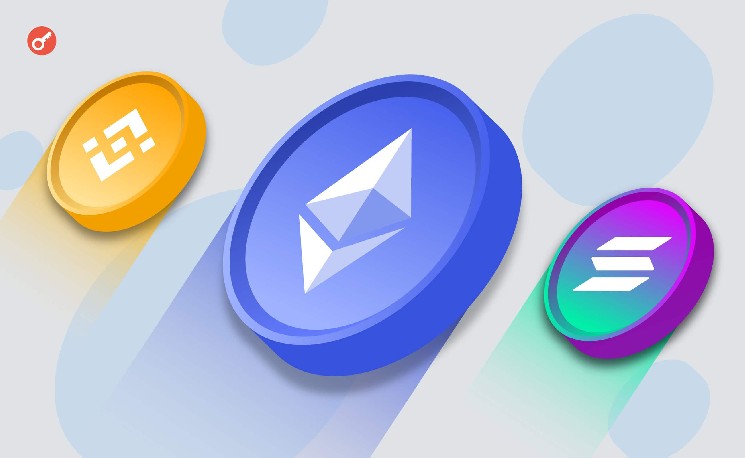
Cash App has integrated Cash App Pay as a payment method within the Moonpay system, allowing eligible U.S. users to purchase $XRP, Solana, Ether, and USDT by directing payment directly from their Cash App balance.

This move is notable because Block, Cash App's parent company, has never included these tokens directly in its app; instead, MoonPay handles the purchase and can send the assets to an external wallet of the user's choice. Thus, Cash App customers can now access tokens that the platform itself has never supported.
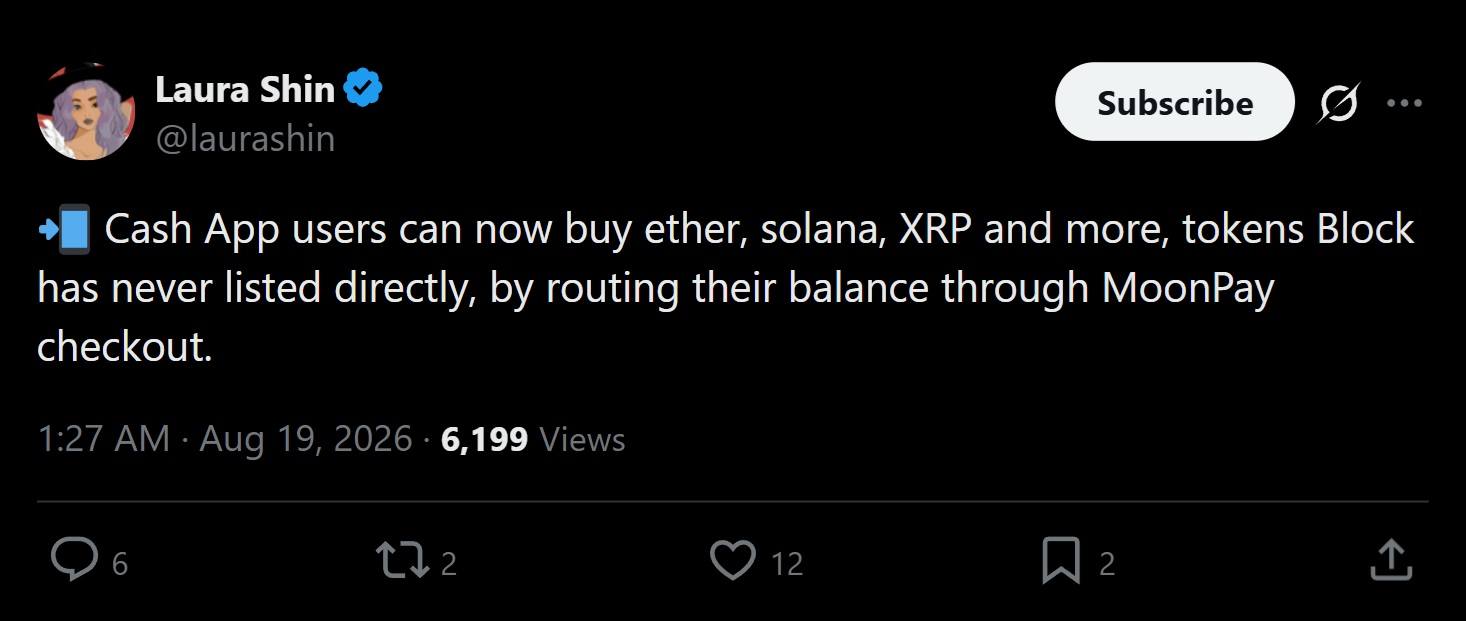
Image source: X

Bitcoin.com News has closely followed Cash App's cryptocurrency features over the years—from the launch of the "Paid in Bitcoin" paycheck conversion feature to BTC round-up tools and receiving payments via Lightning Network. However, until now, direct cryptocurrency purchases in Cash App have been limited to Bitcoin, with USDC only added earlier this year.

Consequently, the integration with Moonpay effectively allows Cash App to offer a much wider selection of tokens without needing to build its own infrastructure for listing and storing each asset.

Cash App Pay Joins a Growing List of Funding Methods

Cash App Pay is now the third major payment method supported by Moonpay for funding cryptocurrency purchases, joining PayPal, added in 2024, and Venmo. After completing a purchase, Moonpay can deliver tokens to a range of external wallets, including Trust Wallet, Bitcoin.com, Metamask, Moonshot, Ledger, Bitpay, Uniswap, Tangem, LOBSTR, and Edge, providing tens of millions of Cash App users with direct access to self-custody wallets, rather than holding funds within the Cash App itself.

Moonpay Co-founder and CEO Ivan Soto-Wright described this integration not so much as a product update but as a step to expand the market, adding:

"Cash App is an app where tens of millions of Americans already manage their money. This integration means those users will gain access to the digital asset ecosystem, funding accounts instantly from an app they already know and trust."

Given that as of June, Cash App has 59 million active users, this integration provides Moonpay with one of the country's largest fintech user bases as a channel for cryptocurrency purchases.

Growing List of Major Access Channels for $XRP

This innovation is also the latest example of expanding $XRP's presence in mainstream financial apps in 2026. Earlier this year, SoFi added support for $XRP deposits, with Ripple positioning the move as part of broader efforts to give more users direct access and practical utility.

$XRP also appeared in Rakuten Wallet, making it accessible to over 5 million merchants in Japan through that integration. Each new access channel adds a mass distribution channel independent of any single cryptocurrency exchange—a trend that began with the Moonpay integration in Cash App and is now extending to one of the largest peer-to-peer payment apps in the U.S.

Finally, it's worth noting that this expansion comes after a period that has not been entirely smooth for Cash App in terms of cryptocurrency regulatory compliance. Prior to this, Block was fined $40 million by New York regulators for violations related to monitoring Bitcoin and fiat currency transactions within Cash App, including reports that the company ignored approximately 169,000 warnings of misconduct.

end-content
Criptomoedas em alta

Perguntas relacionadas

QWhat significant feature has Cash App integrated, and which payment processor is involved?

ACash App has integrated Cash App Pay as a payment method with the payment processor MoonPay.

QThrough this integration, which specific cryptocurrencies can eligible US users now purchase directly from their Cash App balance?

AEligible US users can purchase XRP, Solana (SOL), Ether (ETH), and USDT directly from their Cash App balance through MoonPay.

QAccording to the article, why is this integration significant for Block, Cash App's parent company?

AIt is significant because Block never listed these specific tokens (XRP, SOL, ETH, USDT) directly within the Cash App. The integration allows Cash App to offer a wider range of tokens without having to build its own infrastructure for listing and custoding each asset.

QHow does MoonPay's co-founder and CEO, Ivan Soto-Wright, characterize the integration with Cash App?

AIvan Soto-Wright characterized it not so much as a product update but as a market expansion move, giving Cash App's tens of millions of US users instant access to the digital assets ecosystem from an app they already know and trust.

QBesides Cash App Pay, which other major payment methods were already supported by MoonPay for funding cryptocurrency purchases, as mentioned in the article?

ABefore adding Cash App Pay, MoonPay already supported PayPal (added in 2024) and Venmo as major payment methods for funding cryptocurrency purchases.

Leituras Relacionadas

Latest: Korean QFI Has Bought Changxin Technology

Latest Data Shows Korean QFI Has Purchased Changxin Technology According to data from SEIBro (under Korea Securities Depository, KSD), Korean investors, acting as Qualified Foreign Investors (QFI), have been actively purchasing shares of Changxin Technology (stock code 688825), a company recently listed on China's Sci-Tech Innovation Board (STAR Market). Over the past month until August 18, they made a net purchase of this stock worth approximately $45.32 million (around CNY 307 million), making it the top A-share by net purchase volume for Korean investors during that period. This activity has significantly boosted overall Korean net buying in A-shares. As Changxin Technology is not yet included in the Stock Connect schemes, QFI is currently the only channel for overseas investors like these Koreans to access its shares. SEIBro data indicates Korean buying began as early as July 28, the stock's second trading day. The stock appeared in Korean investor purchase lists using a temporary virtual ISIN code in settlement instructions, as its official international code had not yet been assigned. The listing has garnered significant international attention. On its first trading day (July 27), the actively managed U.S. ETF Tema Memory ETF (DISK) swiftly added Changxin Technology to its portfolio, giving it a substantial 10.56% weighting. Another active ETF, Roundhill Memory ETF (DRAM), also quickly included the stock. Furthermore, global index provider MSCI has added Changxin Technology to its MSCI China All Shares Index, prompting passive fund inflows. Analysts highlight Changxin Technology's unique position to serve China's rapidly growing AI ecosystem amid a global semiconductor memory supply shortage driven by AI demand. Besides Changxin Technology, other A-shares heavily bought by Korean investors recently include Weichai Power, Demingli, Changdian Technology, and CSOP China STAR Chip ETF.

marsbitMesmo agora

Latest: Korean QFI Has Bought Changxin Technology

marsbitMesmo agora

China Pinches the Vital Point of CPO

The article "China Grips the Achilles' Heel of CPO" details how China holds a strategic position in the global indium phosphide (InP) supply chain, a critical material for high-speed optical modules and CPO (Co-Packaged Optics) technology used in AI data centers. China controls over 70% of global indium reserves and produces more than half of the world's primary indium, primarily as a by-product of zinc/tin smelting. It further refines 70-80% of the globe's refined indium. This upstream dominance is compounded by the fact that key InP wafer producer AXT operates its primary production through its Chinese subsidiary, Beijing Tongmei. Adding to this leverage are China's export controls, first on InP products and later extending to high-purity indium (6N+ grade). These restrictions have created supply bottlenecks and uncertainty, straining foreign manufacturers like Japan's Sumitomo and Dowa, who rely heavily on Chinese materials. The resulting shortage has led to intense demand, with industry figures like Lumentum's CEO warning of severe constraints and companies like Coherent seeking direct assurances from China. This situation benefits Chinese InP supply chain companies. Firms like Yunnan Chihong Zinc & Germanium (a leading domestic InP wafer producer) and Zhuzhou Keneng (high-purity indium) report surging domestic revenues and orders. They are also making progress in high-end product validation and capacity expansion. However, challenges remain, including lengthy customer qualification cycles and a significant capacity gap compared to foreign leaders. The article frames the current AI-driven demand surge as a pivotal moment for China's InP industry. It references a historical lesson where China, despite controlling indium resources, once ceded value-add and pricing power to Japanese processors. The current scenario is seen as an opportunity to leverage upstream resource control to develop advanced manufacturing capabilities and secure greater influence in the global semiconductor materials market.

marsbitHá 9m

China Pinches the Vital Point of CPO

marsbitHá 9m

Russian Suspected of Stealing Cryptocurrency from Cold Wallet Worth Almost 10 Million Rubles

Russian authorities are investigating a suspect accused of stealing nearly 10 million rubles worth of cryptocurrency from a cold wallet. According to investigators, the wallet belonged to an unnamed commercial company executive's assistant. In March, the suspect allegedly gained access to the victim's wallet by "an unidentified method" and transferred the digital assets to another address. During a search of the suspect's home, police seized three computers and three mobile phones for forensic examination, as they may contain important digital evidence. The case is being investigated as grand larceny under the Russian Criminal Code, carrying a potential sentence of up to ten years in prison. Police are also checking the suspect's possible involvement in other cryptocurrency thefts and identifying potential accomplices. The article notes that while cold wallets (hardware wallets storing private keys offline) are considered more secure against remote hacking, they remain vulnerable if a perpetrator gains physical or direct access to the keys. In a related case earlier in June, a court in Tomsk sentenced two men to 8 and 9.5 years in a strict-regime colony for a robbery and cryptocurrency theft. They forced an acquaintance at knifepoint to log into a crypto exchange account and transfer over 85 bitcoins, valued at approximately $5.1 million at the time.

cryptonews.ruHá 58m

Russian Suspected of Stealing Cryptocurrency from Cold Wallet Worth Almost 10 Million Rubles

cryptonews.ruHá 58m

Bitwise Names Three Mistakes Investors Make When Assessing the Cryptocurrency Market

Bitwise's chief investment officer, Matt Hougan, identifies three common mistakes investors make when evaluating the cryptocurrency market, all stemming from a disconnect between its current perception and potential evolution. First, investors often view crypto applications like Uniswap or Aave solely through the lens of the $2 trillion crypto market. However, with the tokenization of traditional assets (like $150 trillion in equities and $350 trillion in bonds), the potential market for these platforms could become 100 times larger. Second, there's an underestimation of crypto-native companies. Despite entry by major financial firms (e.g., PayPal in stablecoins, Fidelity in custody), native players like Tether, Circle, and Coinbase retain dominant market shares due to speed, focus, and established user bases (though exceptions like BlackRock's Bitcoin ETF success exist). Third, future blockchain transaction volumes are underestimated. Tokenized securities could trade 24/7, not just 33 hours per week, and the rise of AI agents managing portfolios could increase transaction activity by 50-100 times. Hougan concludes that investors assess the sector based on its present state while the underlying infrastructure is rapidly changing through tokenization, expanding use cases, and increased operational scale. This gap between current perception and future potential creates significant investment opportunities.

cryptonews.ruHá 1h

Bitwise Names Three Mistakes Investors Make When Assessing the Cryptocurrency Market

cryptonews.ruHá 1h

Trading

Spot

Artigos em Destaque

O que é XRP 2.0

XRP 2.0: Uma Nova Fronteira no Landscape das Criptomoedas Introdução ao XRP 2.0 No reino em constante evolução das criptomoedas, novos projetos surgem continuamente, lutando por atenção e adoção. Uma dessas iniciativas promissoras é o XRP 2.0, um novo projeto de criptomoeda concebido para aproveitar a tecnologia de blockchain avançada e as metodologias de criptografia robustas. Embora o nome tenha paralelos com o XRP da Ripple, é crucial notar que o XRP 2.0 opera de forma independente, focando em melhorar a segurança das transações, a privacidade e a escalabilidade. À medida que o panorama financeiro digital abraça cada vez mais soluções descentralizadas, o XRP 2.0 visa contribuir de forma significativa para a web3 e a expansão global dos projetos de criptomoedas. O que é o XRP 2.0? No seu núcleo, o XRP 2.0 é um projeto de criptomoeda que visa criar um ecossistema de moeda digital seguro e descentralizado. Sua tecnologia fundamental integra princípios de blockchain sofisticados com técnicas de criptografia de ponta. O objetivo abrangente do XRP 2.0 é estabelecer-se como uma plataforma confiável e eficiente que possibilita a execução rápida de transações, priorizando a proteção de privacidade aprimorada para os seus usuários. O projeto é promovido como uma solução para muitas limitações enfrentadas pelas criptomoedas existentes, propondo um sistema que pode lidar com um volume maior de transações com velocidade e privacidade melhoradas. Esta versatilidade posiciona o XRP 2.0 como um concorrente significativo em um mercado repleto de várias moedas digitais. Quem é o Criador do XRP 2.0? A identidade do criador por trás do XRP 2.0 foi identificada como 'Wilbur.' No entanto, detalhes abrangentes sobre Wilbur ou a sua entidade associada permanecem elusivos. O anonimato de muitos criadores de criptomoedas não é um fenômeno incomum na indústria, muitas vezes concebido para manter um grau de privacidade e segurança. Quem são os Investidores do XRP 2.0? Até agora, informações específicas relacionadas às fundações ou organizações de investimento que apoiam o XRP 2.0 não estão disponíveis publicamente. No setor das criptomoedas, o apoio de investidores reputados pode influenciar significativamente a credibilidade e o sucesso de um projeto, no entanto, a transparência em relação aos apoiantes financeiros do XRP 2.0 não foi estabelecida. Como Funciona o XRP 2.0? O XRP 2.0 destaca-se por empregar uma combinação de tecnologia blockchain e algoritmos de criptografia avançados que asseguram transações seguras e descentralizadas. Sua estrutura inovadora inclui características únicas projetadas para fomentar o envolvimento dos usuários e ampliar as funcionalidades além das transações convencionais de criptomoedas. Entre essas características, o XRP 2.0 incorpora capacidades potenciadas por IA, como funcionalidades de texto-para-imagem e texto-para-fala. Estas adições são projetadas para melhorar a experiência interativa dos usuários, promovendo uma maior aplicabilidade em vários setores. Ao unir avanços tecnológicos com um design centrado no utilizador, o XRP 2.0 pretende captar a atenção de uma diversa gama de indivíduos e empresas que procuram integrar soluções de criptomoedas em suas estruturas operacionais. Cronologia do XRP 2.0 Compreender o XRP 2.0 requer examinar os marcos que definiram sua jornada até agora: 23 de Julho de 2023: O XRP 2.0 é apresentado como um novo projeto de criptomoeda, visando revolucionar as capacidades de transação seguras e descentralizadas no domínio do blockchain. 8 de Setembro de 2023: O lançamento de outro projeto, XRP20, ocorre, marcando o surgimento de um token ERC-20 na blockchain Ethereum que permanece não relacionado ao XRP 2.0. 13 de Novembro de 2023: O XRP Ledger passa por uma atualização significativa com o lançamento da versão 2.0.0 do software do servidor rippled. É importante notar que este desenvolvimento está desconectado do projeto de criptomoeda XRP 2.0. Pontos-chave sobre o XRP 2.0 Para destilar a essência do XRP 2.0, vários fatores críticos emergem: Características Únicas: A inclusão de características como texto-para-imagem e texto-para-fala potenciadas por IA diversifica ainda mais as aplicações potenciais do XRP 2.0. Tecnologia Blockchain: A estrutura utiliza mecanismos de blockchain avançados e protocolos de criptografia, assegurando um ambiente seguro e descentralizado para transações. Escalabilidade e Privacidade: O XRP 2.0 prioriza proteção de privacidade aprimorada nos processos de transação e a escalabilidade necessária para acomodar uma base de utilizadores crescente. Sem Afiliação com a Ripple: Importante, apesar do seu nome, o XRP 2.0 não tem qualquer lealdade ou colaboração com o XRP da Ripple, distinguindo sua estrutura operacional e objetivos dentro do ecossistema das criptomoedas. Conclusão O XRP 2.0 representa uma empreitada ambiciosa no domínio das criptomoedas, visando oferecer uma combinação de segurança, privacidade e eficiência em transações digitais. Ao integrar tecnologias sofisticadas e características amigáveis ao utilizador, o projeto propõe-se a ampliar os horizontes do que as criptomoedas podem alcançar na economia digital atual. Embora o anonimato do seu criador e a falta de investidores divulgados possam levantar questões para alguns, o foco do XRP 2.0 em funcionalidades avançadas e descentralização aumenta seu apelo num mercado de criptomoedas cada vez mais congestionado. À medida que o panorama das criptomoedas continua a evoluir, o XRP 2.0 pode ainda emergir como um jogador crucial na expansão de soluções de blockchain seguras e escaláveis.

242 Visualizações TotaisPublicado em {updateTime}Atualizado em 2024.12.03

O que é XRP 2.0

Como comprar XRP

Bem-vindo à HTX.com!Tornámos a compra de XRP (XRP) simples e conveniente.Segue o nosso guia passo a passo para iniciar a tua jornada no mundo das criptos.Passo 1: cria a tua conta HTXUtiliza o teu e-mail ou número de telefone para te inscreveres numa conta gratuita na HTX.Desfruta de um processo de inscrição sem complicações e desbloqueia todas as funcionalidades.Obter a minha contaPasso 2: vai para Comprar Cripto e escolhe o teu método de pagamentoCartão de crédito/débito: usa o teu visa ou mastercard para comprar XRP (XRP) instantaneamente.Saldo: usa os fundos da tua conta HTX para transacionar sem problemas.Terceiros: adicionamos métodos de pagamento populares, como Google Pay e Apple Pay, para aumentar a conveniência.P2P: transaciona diretamente com outros utilizadores na HTX.Mercado de balcão (OTC): oferecemos serviços personalizados e taxas de câmbio competitivas para os traders.Passo 3: armazena teu XRP (XRP)Depois de comprar o teu XRP (XRP), armazena-o na tua conta HTX.Alternativamente, podes enviá-lo para outro lugar através de transferência blockchain ou usá-lo para transacionar outras criptomoedas.Passo 4: transaciona XRP (XRP)Transaciona facilmente XRP (XRP) no mercado à vista da HTX.Acede simplesmente à tua conta, seleciona o teu par de trading, executa as tuas transações e monitoriza em tempo real.Oferecemos uma experiência de fácil utilização tanto para principiantes como para traders experientes.

1.9k Visualizações TotaisPublicado em {updateTime}Atualizado em 2026.06.02

Como comprar XRP

Discussões

Bem-vindo à Comunidade HTX. Aqui, pode manter-se informado sobre os mais recentes desenvolvimentos da plataforma e obter acesso a análises profissionais de mercado. As opiniões dos utilizadores sobre o preço de XRP (XRP) são apresentadas abaixo.

活动图片