A whale sells 7.6K ETH – So why didn’t Ethereum break down?

ambcryptoPublicado em 2025-12-14Última atualização em 2025-12-14

Resumo

Despite significant selling pressure from a whale selling 7,621 ETH ($23.85M) and U.S. ETH spot ETFs recording -$19.41M in daily net outflows, Ethereum’s price remained stable around $3,129. The market absorbed the supply without a sharp decline, indicating strong underlying demand. ETH continued to trade near its realized price, a historically significant support level that often acts as a springboard for upward moves. Spot and futures data showed net outflows from exchanges, preventing liquidation cascades and maintaining stability. Key factors to watch include the realized price holding as support, MACD convergence, and ascending trendlines. A hold above support could target $3,600, while a break below $2,973 may lead to a deeper retracement.

Selling pressure built from two angles, ETFs and whale supply — it all arrived at the same price zone.

U.S. ETH spot ETFs posted -$19.41M in daily net outflows, while the market digested a whale sale of 7,621 ETH worth $23.85M near $3,129 over the past three days.

That kind of stacked supply usually forces a sharper flush, especially when traders are already lean and cautious.

Instead, Ethereum kept trading as if buyers were waiting for that supply on purpose.

Spot and Futures flow readings leant negative across multiple short windows, yet price action stayed controlled, with limited follow-through to the downside.

ETH hovering around the realized price made the message louder; sellers showed up, but demand absorbed the hit and refused to hand bears momentum.

Who’s buying all this ETH?

ETF outflows stayed orderly, pointing to rotation rather than panic. Whale transfers added supply, yet the price didn’t crack, a clear sign of absorption.

Spot and Futures data showed Ethereum [ETH] continuing to leave exchanges on a net basis.

That outflow profile avoided any liquidation cascade and kept ETH steady around the realized price, locking the market in “sell gets met” mode.

Realized Price still acts like a springboard

Ethereum’s realized price has repeatedly marked inflection points across prior cycles, with strong upside expansions following once sell pressure exhausts.

ETH now sits on that same zone again, and the current reaction matches the historical behavior, price stabilizes first, then volatility expands.

That sets up a clean read for traders.

If the realized price keeps holding while supply keeps getting absorbed, the market often shifts from distribution into accumulation. If the realized price fails, the chart typically searches for the next demand pocket.

Momentum tightens, and structure decides the next leg

Since the $2,632 sell-off, Ethereum has maintained an uptrend with higher highs and higher lows. RSI holds in the low 40s, which fits consolidation rather than a full breakdown.

On MACD, the blue line keeps moving closer to the orange signal line, and bulls need that crossover sooner rather than later to avoid additional downside bleed.

Ascending support remains the clean trigger. A bounce keeps $3,600 in play.

A loss of $2,973 weakens the setup and increases the odds of a deeper retrace toward the 50% Fibonacci zone, where buyers previously reacted.


Final Thoughts

  • Realized Price remains the battlefield where absorption either holds or fails.
  • MACD convergence and ascending support will decide whether ETH expands or bleeds.

Criptomoedas em alta

Leituras Relacionadas

Galaxy Research: Can SEC's New Regulations Usher in a New Era for Token Financing?

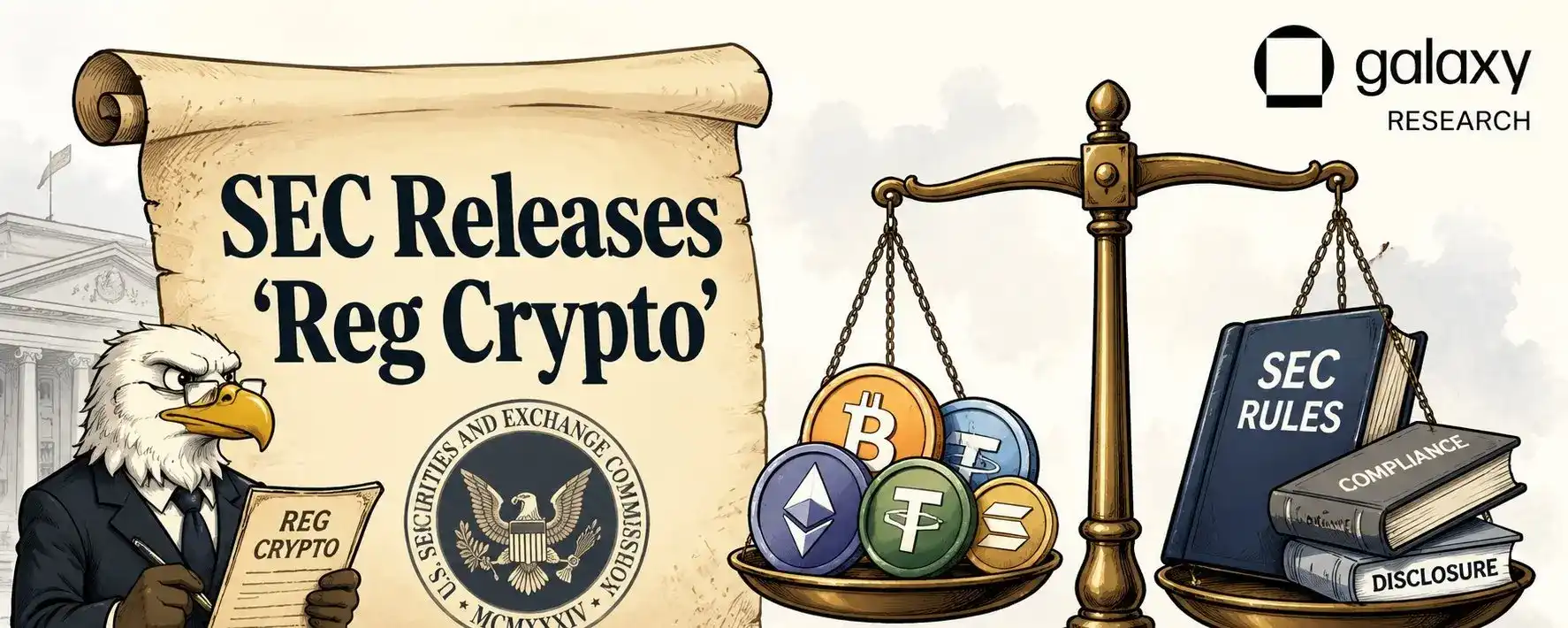
**SEC Proposes New Framework for Token Offerings, Potentially Unlocking Legal Paths for U.S. Crypto Fundraising** On August 18, the U.S. Securities and Exchange Commission (SEC) proposed new rules, dubbed "Reg Crypto," specifically tailored for crypto asset offerings. This framework marks a departure from applying traditional securities rules designed for stocks to tokens. It creates a potential legal pathway for token sales to the U.S. public, including non-accredited investors, without full registration. The proposed rules apply to crypto assets that are not themselves securities but were sold as part of an investment contract where the issuer promised to build a product, network, or ecosystem. It establishes a four-phase lifecycle: Raise, Disclose, Build, and Exit. The "Raise" phase includes two new fundraising exemptions: a startup exemption allowing up to $5 million over four years and a larger, Regulation A-based exemption for up to $20 million or $75 million over 12 months. The "Disclose" phase requires specific token-related disclosures like supply schedules, governance, and development progress. After the issuer completes its promised development work and files a transition report, the "Exit" phase allows the associated investment contract to terminate, even if the token continues to trade. The analysis highlights that the framework's most immediate impact may be providing a formal "exit" path for existing tokens with unclear legal status, rather than immediately sparking a new wave of U.S.-based token offerings. It offers advantages over traditional private placements by allowing public sales and immediate token transferability but imposes ongoing disclosure and reporting obligations. A key hurdle is that the larger exemption requires a substantial U.S. operational presence, which may deter projects with offshore structures. Overall, the proposal is seen as a constructive step toward regulatory clarity, acknowledging that token offerings differ from equity offerings and require tailored investor disclosures. However, it remains a proposal subject to a 60-day public comment period, and its long-term stability may ultimately depend on congressional action.

marsbitHá 6m

Galaxy Research: Can SEC's New Regulations Usher in a New Era for Token Financing?

marsbitHá 6m

Bitcoin and Ethereum Soar Together! Eight Altcoins Worth Watching in the Later Market

Bitcoin and Ethereum Surge, Fueling Altcoin Speculation. Bitcoin Eyes $77,000, Ethereum Gains 20% in a Single Day. Market anticipates capital rotation from major cryptos to high-beta altcoins, but a selective rise is expected, favoring projects with genuine users, protocol revenue, and healthy tokenomics. Analysts highlight eight altcoins across key sectors: **High-Performance Blockchains:** * **SOL (Solana):** Market cap ~$51.88B. A dominant player with a strong ecosystem. Considered a relatively safe bet for potential catch-up growth. * **SUI (Sui):** Market cap ~$3.03B. High volatility potential but faces risks from its low circulating supply and future token unlocks. **DeFi Lending:** * **UNI (Uniswap):** Market cap ~$2.38B. Transitioning to a revenue-capturing asset post-fee switch implementation. * **AAVE (Aave):** Market cap ~$1.53B. Features balanced tokenomics and revenue but has seen significant recent gains. * **MORPHO:** Market cap ~$1.50B. Rapid protocol growth but weaker token value capture and opaque supply data. **Perpetual DEX:** * **HYPE (Hyperliquid):** Market cap ~$16.41B. The clear sector leader with strong revenue but high valuation and a large portion of tokens still locked, warranting caution. **RWA & On-Chain Finance Infrastructure:** * **LINK (Chainlink):** Market cap ~$8.09B. A key oracle provider positioned to benefit from multiple trends like RWA and institutional adoption, offering strong fundamentals. * **ONDO (Ondo Finance):** Market cap ~$1.77B. Shows strong business growth but carries high risks due to concentrated token holdings and a massive unlock scheduled for 2027. **Conclusion:** The altcoin rally is expected to be selective. Recommendations include a medium position in SOL, small allocations to SUI and UNI/AAVE for DeFi exposure, and caution with HYPE and ONDO due to their specific risks. LINK is suggested as a core holding for the RWA thematic.

marsbitHá 2h

Bitcoin and Ethereum Soar Together! Eight Altcoins Worth Watching in the Later Market

marsbitHá 2h

Shanghai's $10 Billion Unicorn Is About to Go Public

Shanghai-based automotive-grade millimeter-wave radar chip unicorn Calterah Microelectronics Technology (Shanghai) Co., Ltd. has filed for an IPO on Shanghai's STAR Market, aiming to raise 3.49 billion yuan. Founded in 2014 by Chen Jiashu, a UC Berkeley PhD graduate, and his professor Ali Niknejad, Calterah pioneered CMOS technology for 77GHz radar chips, breaking the decades-long monopoly of international giants like Texas Instruments. Its low-cost, highly integrated solutions enabled millimeter-wave radar to move from luxury to mass-market vehicles. By 2025, Calterah captured a 31.1% share in China's automotive millimeter-wave radar chip market (second domestically, fourth globally), with cumulative shipments exceeding 30 million units. Its client list includes BYD, Geely, Nio, and Volvo. The company has undergone 11 funding rounds, attracting high-profile investors such as the National Integrated Circuit Industry Investment Fund Phase II, China Capital Management, and GD Capital. Its valuation has reached tens of billions of yuan, with a projected post-IPO valuation of approximately 14 billion yuan. Despite rapid revenue growth—increasing from 206 million yuan in 2023 to 632 million yuan in 2025 with a 75.28% CAGR—Calterah remains unprofitable. It reported net losses of 323 million yuan, 334 million yuan, and 193 million yuan from 2023 to 2025, accumulating over 900 million yuan in losses over three and a half years. These losses are primarily attributed to heavy R&D investment, which totaled over 1.039 billion yuan in the reporting period, often exceeding annual revenue. The company faces significant risks, including high customer concentration (its top five customers accounted for over 99% of revenue from 2023-2025, with BYD alone representing over 50% in 2025) and supply chain concentration. Revenue pressure from key customers and dependencies on overseas suppliers for EDA tools and IP pose challenges to sustainable growth. The IPO is seen as crucial for securing capital to expand production, diversify its customer base, and reduce supply chain dependencies.

marsbitHá 2h

Shanghai's $10 Billion Unicorn Is About to Go Public

marsbitHá 2h

Ray Dalio's Latest Macro Analysis Full Text: Buy More Gold, Add Some Bitcoin

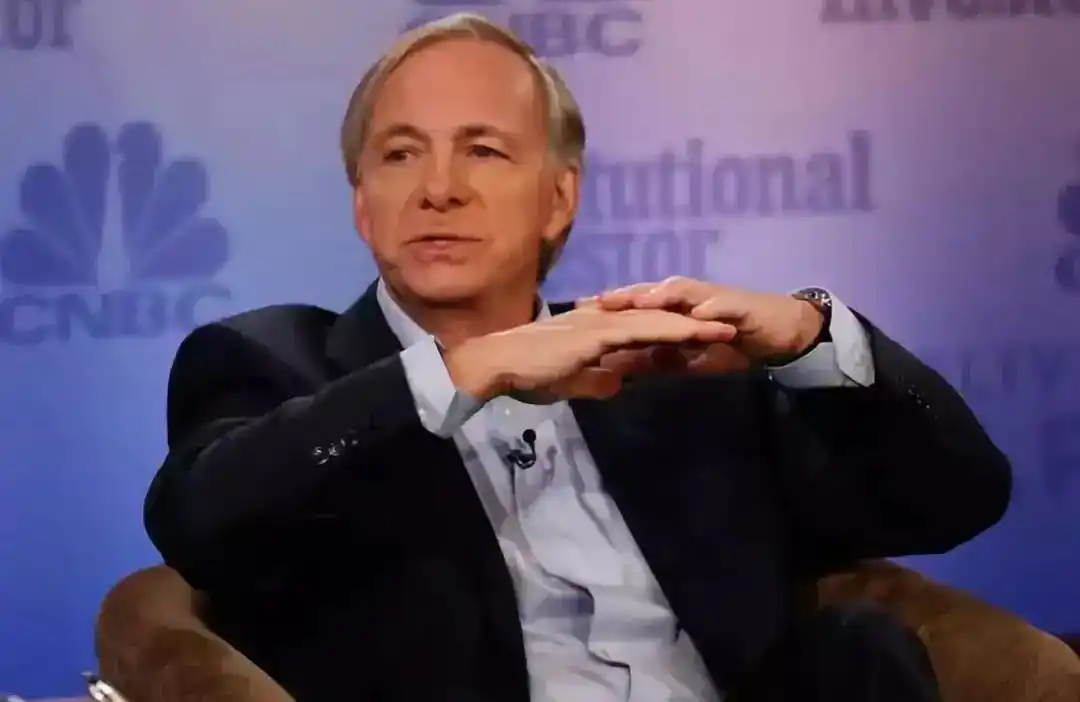
In his latest macro analysis, Ray Dalio applies his framework from "How Countries Go Broke: The Big Cycle" to the current global debt environment. He highlights recent events like Japan selling U.S. Treasuries and rising U.S. long-term yields as signs of an unsustainable debt dynamic. Dalio explains that excessive government debt leads to either unacceptably high interest rates, severe economic downturns, or significant currency debasement through central bank money printing. He summarizes the U.S. fiscal situation: with $5.5 trillion in revenue, $7.5 trillion in spending, a $2 trillion deficit, and total debt at six times annual revenue, debt servicing costs are immense. Without correction, U.S. debt could reach $55-$60 trillion in a decade. Dalio proposes a "3% Three-Way" solution: reducing the budget deficit to 3% of GDP through balanced spending cuts, tax increases, and interest rate reductions to avoid a traumatic adjustment. In response to FAQs, he argues that the risk of a U.S. debt crisis is high and could materialize within a few years if the current path continues. He dismisses the notion that the dollar's reserve status makes the U.S. immune, citing historical precedents of reserve currency declines. He is also unconvinced by Japan's high-debt stability, noting poor returns for yen-denominated assets. For investors, Dalio recommends diversifying globally, underweighting bonds, and overweighting assets like gold and a small allocation to Bitcoin (around 10-15% to gold) to hedge against currency debasement and poor debt returns.

marsbitHá 3h

Ray Dalio's Latest Macro Analysis Full Text: Buy More Gold, Add Some Bitcoin

marsbitHá 3h

Trading

Spot

Artigos em Destaque

Como comprar SKDD

Bem-vindo à HTX.com!Tornámos a compra de GraniteShares 2x Short SK Hynix Daily ETF (SKDD) simples e conveniente.Segue o nosso guia passo a passo para iniciar a tua jornada no mundo das criptos.Passo 1: cria a tua conta HTXUtiliza o teu e-mail ou número de telefone para te inscreveres numa conta gratuita na HTX.Desfruta de um processo de inscrição sem complicações e desbloqueia todas as funcionalidades.Obter a minha contaPasso 2: vai para Comprar Cripto e escolhe o teu método de pagamentoCartão de crédito/débito: usa o teu visa ou mastercard para comprar GraniteShares 2x Short SK Hynix Daily ETF (SKDD) instantaneamente.Saldo: usa os fundos da tua conta HTX para transacionar sem problemas.Terceiros: adicionamos métodos de pagamento populares, como Google Pay e Apple Pay, para aumentar a conveniência.P2P: transaciona diretamente com outros utilizadores na HTX.Mercado de balcão (OTC): oferecemos serviços personalizados e taxas de câmbio competitivas para os traders.Passo 3: armazena teu GraniteShares 2x Short SK Hynix Daily ETF (SKDD)Depois de comprar o teu GraniteShares 2x Short SK Hynix Daily ETF (SKDD), armazena-o na tua conta HTX.Alternativamente, podes enviá-lo para outro lugar através de transferência blockchain ou usá-lo para transacionar outras criptomoedas.Passo 4: transaciona GraniteShares 2x Short SK Hynix Daily ETF (SKDD)Transaciona facilmente GraniteShares 2x Short SK Hynix Daily ETF (SKDD) no mercado à vista da HTX.Acede simplesmente à tua conta, seleciona o teu par de trading, executa as tuas transações e monitoriza em tempo real.Oferecemos uma experiência de fácil utilização tanto para principiantes como para traders experientes.

105 Visualizações TotaisPublicado em {updateTime}Atualizado em 2026.08.19

Como comprar SKDD

O que é SKUU

Destinado a proporcionar o dobro dos retornos diários alavancados das ações da SK Hynix, este é um ETF alavancado de um único dia sob a GraniteShares. É adequado para investidores com uma perspetiva otimista de curto prazo sobre a SK Hynix para alocação tática.

154 Visualizações TotaisPublicado em {updateTime}Atualizado em 2026.08.19

O que é SKUU

Como comprar SKUU

Bem-vindo à HTX.com!Tornámos a compra de GraniteShares 2x Long SK Hynix Daily ETF (SKUU) simples e conveniente.Segue o nosso guia passo a passo para iniciar a tua jornada no mundo das criptos.Passo 1: cria a tua conta HTXUtiliza o teu e-mail ou número de telefone para te inscreveres numa conta gratuita na HTX.Desfruta de um processo de inscrição sem complicações e desbloqueia todas as funcionalidades.Obter a minha contaPasso 2: vai para Comprar Cripto e escolhe o teu método de pagamentoCartão de crédito/débito: usa o teu visa ou mastercard para comprar GraniteShares 2x Long SK Hynix Daily ETF (SKUU) instantaneamente.Saldo: usa os fundos da tua conta HTX para transacionar sem problemas.Terceiros: adicionamos métodos de pagamento populares, como Google Pay e Apple Pay, para aumentar a conveniência.P2P: transaciona diretamente com outros utilizadores na HTX.Mercado de balcão (OTC): oferecemos serviços personalizados e taxas de câmbio competitivas para os traders.Passo 3: armazena teu GraniteShares 2x Long SK Hynix Daily ETF (SKUU)Depois de comprar o teu GraniteShares 2x Long SK Hynix Daily ETF (SKUU), armazena-o na tua conta HTX.Alternativamente, podes enviá-lo para outro lugar através de transferência blockchain ou usá-lo para transacionar outras criptomoedas.Passo 4: transaciona GraniteShares 2x Long SK Hynix Daily ETF (SKUU)Transaciona facilmente GraniteShares 2x Long SK Hynix Daily ETF (SKUU) no mercado à vista da HTX.Acede simplesmente à tua conta, seleciona o teu par de trading, executa as tuas transações e monitoriza em tempo real.Oferecemos uma experiência de fácil utilização tanto para principiantes como para traders experientes.

109 Visualizações TotaisPublicado em {updateTime}Atualizado em 2026.08.19

Como comprar SKUU

Discussões

Bem-vindo à Comunidade HTX. Aqui, pode manter-se informado sobre os mais recentes desenvolvimentos da plataforma e obter acesso a análises profissionais de mercado. As opiniões dos utilizadores sobre o preço de A (A) são apresentadas abaixo.

活动图片