Is Elon Musk Actually the Victim?
"Victim or Vindicator? Inside the OpenAI Trial That Shattered the Myth."
In May 2026, the federal court in Oakland became the stage for deconstructing the carefully curated narrative of OpenAI. The trial revealed a complex reality far removed from its founding ideals.
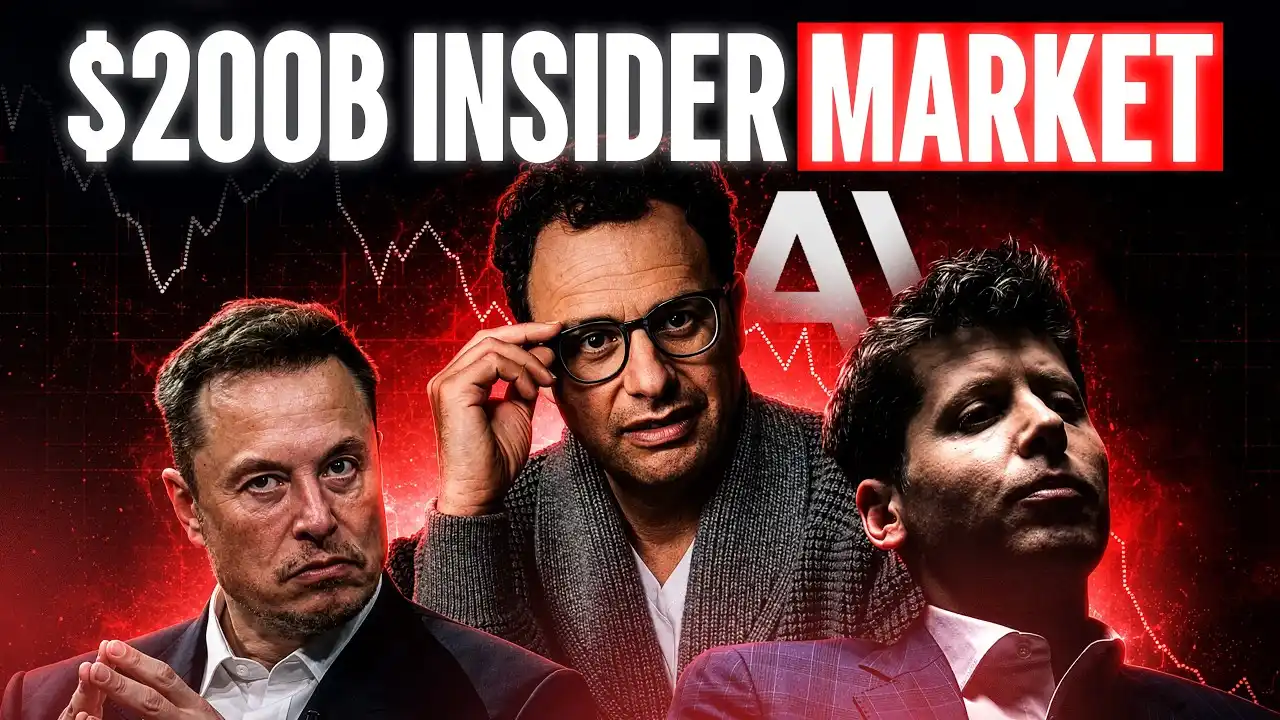
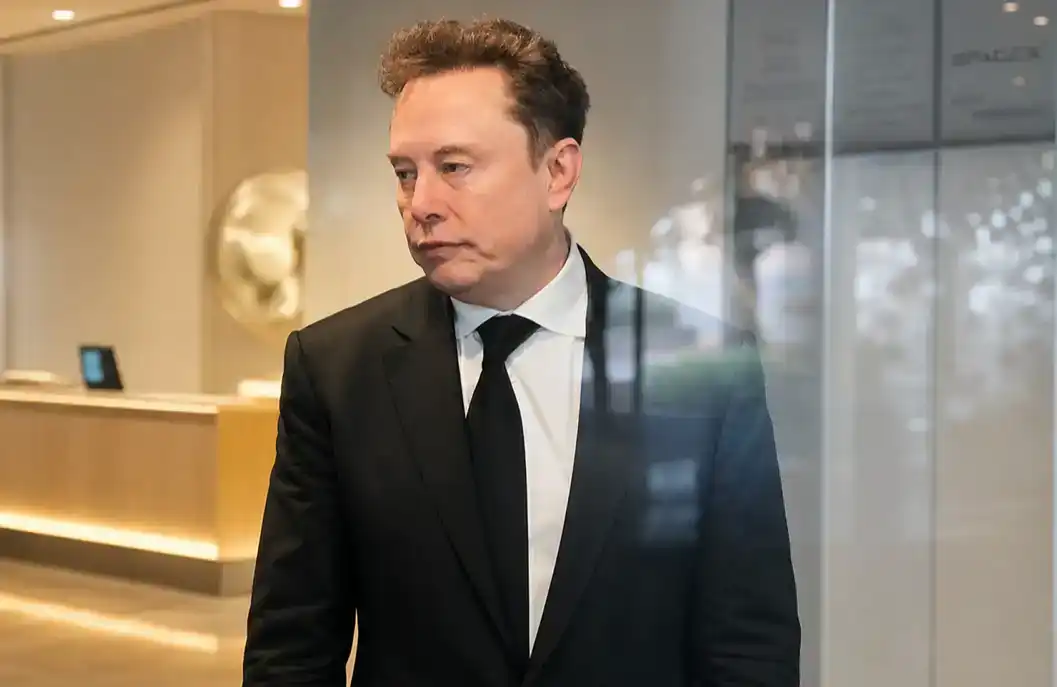
The core dispute centered on whether OpenAI, founded in 2015 as a non-profit dedicated to benefiting "all of humanity," had betrayed its mission by shifting towards a lucrative commercial structure, particularly after its 2019 capped-profit affiliate (OpenAI LP) was established and Microsoft invested $13 billion. Elon Musk, a co-founder and early funder, sued, claiming the organization was "stolen" and turned into a de facto Microsoft subsidiary for private gain. OpenAI countered that Musk's funds were unconditional donations and his lawsuit was driven by a desire for control and regret after leaving to found his own AI venture, xAI.
The trial exposed early fractures. Evidence from 2017, years before ChatGPT's success, showed the founders were already grappling with the immense financial demands of pursuing Artificial General Intelligence (AGI). Musk himself had proposed having Tesla fund OpenAI. The court scrutinized whether the founders knowingly crossed a moral line. Greg Brockman's personal diary, entered as evidence, contained entries about wealth goals and anxieties over the company's revenue path, alongside self-reminders about the moral bankruptcy of "stealing" the non-profit. Brockman later testified his OpenAI stake was worth nearly $30 billion.
The character of CEO Sam Altman was a key battleground. Musk's legal team cited five individuals, including co-founder Ilya Sutskever and former board members, who had described Altman as dishonest. This highlighted a recurring "trust debt" within OpenAI's leadership, exemplified by the chaotic 2023 boardroom coup and subsequent reinstatement. Altman defended his position, arguing Musk sought to absorb OpenAI into Tesla and that commercial success amplified OpenAI's charitable impact.
Testimony from Microsoft CEO Satya Nadella underscored how commercial realities now dominated. While framing Microsoft's massive investment as a way to enlarge the non-profit's funding "pie," texts revealed Nadella pressuring Altman to launch ChatGPT's paid version quickly. Nadella also revealed that during the 2023 crisis, Microsoft was prepared to hire Altman and his team, showcasing the board's diminished power against the gravity of capital, talent, and infrastructure.
Ultimately, the trial depicted OpenAI not as a singular act of betrayal but as a gradual, systemic transformation. Its grand AGI mission required a "heavier machine" to sustain it—a machine of computing power (largely from Microsoft), capital, and commercial obligations that inevitably reshaped its priorities. The non-profit board, tasked with guarding the mission, found itself unable to control the commercial juggernaut it had enabled.
For the public, the proceedings served as a sobering window into the making of a foundational technology. The AI tools increasingly integrated into daily life—from writing and coding to customer service—are not born from a transparent, purely altruistic process. They emerge from a tangled web of personal ambitions, private negotiations, control struggles, and cloud computing bills. The trial's legacy is the stark realization that as AI becomes societal infrastructure, its steering wheel remains in very few, and very human, hands.
marsbit05/15 09:06