Behind Changxin Technology, Stands a Group of A-Share Companies
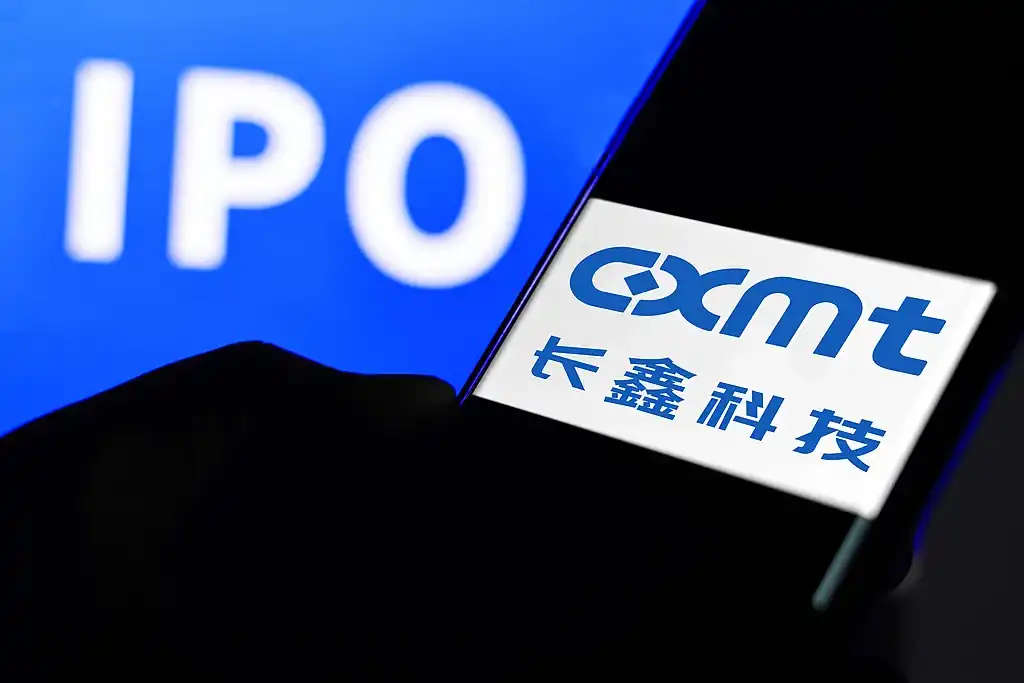
Changxin Technology, a leading Chinese DRAM (Dynamic Random Access Memory) manufacturer, has passed the review by the STAR Market listing committee, moving closer to an IPO. The company, seeking to raise 29.5 billion yuan, is the first to utilize the new "pre-review mechanism" on the STAR Market, expediting its approval process within five months.
As China's largest and most technologically advanced integrated DRAM company, Changxin has achieved mass production of mainstream DDR5 and LPDDR5X products. It holds the fourth-largest global market share and ranks first in China, though it still trails behind industry leaders Samsung, SK Hynix, and Micron in areas like HBM technology. The company reported its first annual profit in 2025, with net profit surging to 24.762 billion yuan in Q1 2026, driven by booming AI-related demand.
The IPO has drawn significant market attention due to Changxin's extensive and prestigious shareholder base. This includes state-backed funds like the National Integrated Circuit Industry Investment Fund II, industrial partner GigaDevice, internet giants (Xiaomi, Alibaba, Tencent), and several securities firms and A-share listed companies such as InfoMotion, Shangfeng Cement, and Hefei Urban Construction, which stand to benefit from the listing.
The company's founder, Zhu Yiming, a pivotal figure in China's semiconductor industry who also founded GigaDevice, has committed to an unprecedented long-term lock-up of his shares and a massive personal equity incentive plan worth an estimated over 20 billion yuan for employees, excluding himself, upon listing.
marsbit05/28 03:25