2026-08-09 Domingo

Notícias de cripto - Página 382

Mantenha-se a par do mercado de cripto. Notícias em tempo real, análises, preços, histórias em alta e análise de especialistas — tudo num só lugar.

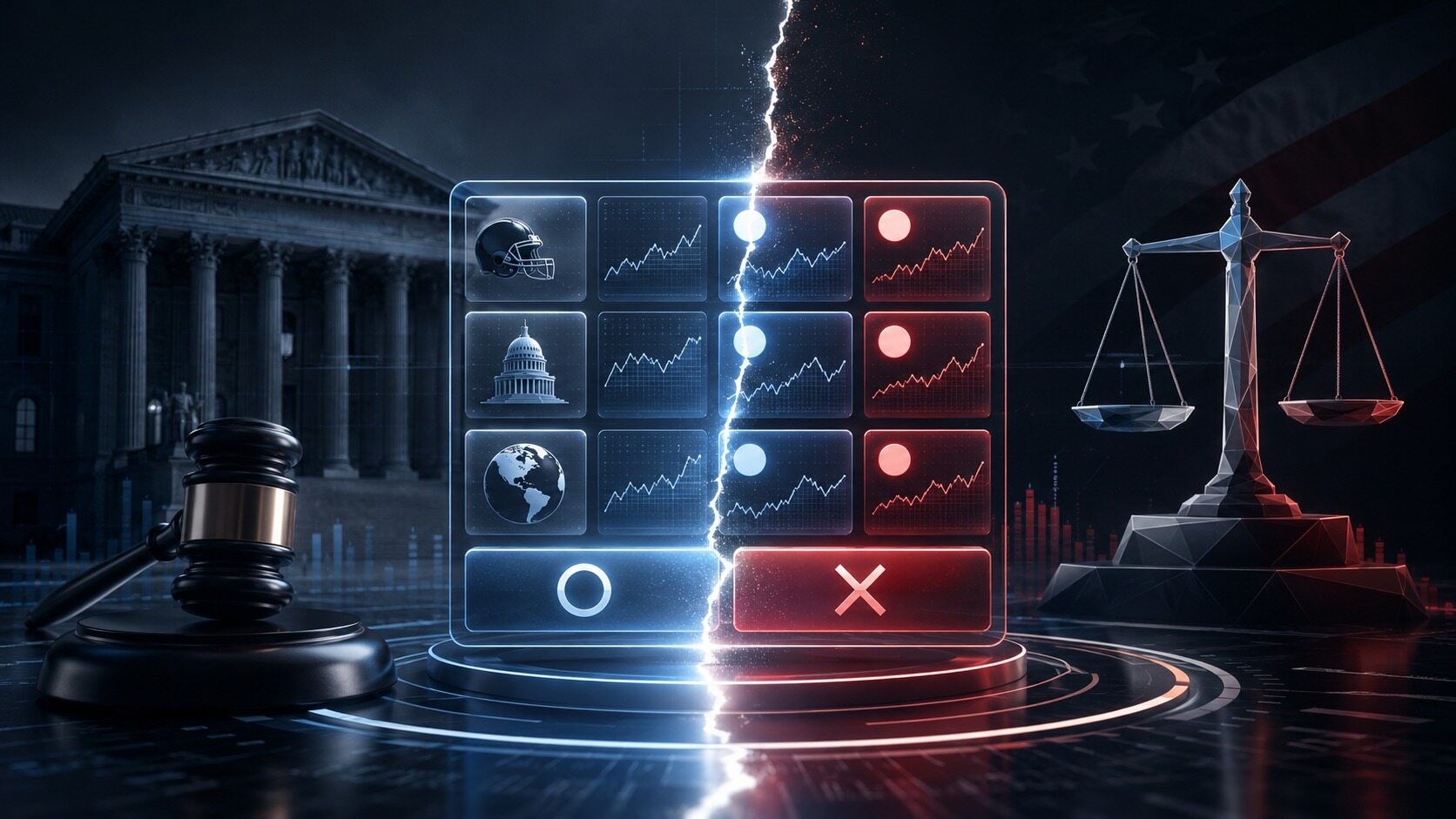
CFTC Proposes New Rules for Prediction Markets, Redefining Which Events Can Be Listed and Who Can Participate

The U.S. Commodity Futures Trading Commission (CFTC) has proposed new rules to establish a clearer regulatory framework for prediction markets. The proposal aims to modify how "event contracts" are reviewed, creating a structured process to determine if contracts involving terrorism, assassination, war, or illegal activities violate the public interest. This moves away from a blanket ban toward a case-by-case assessment of whether a contract's subject matter is acceptable for financial trading. A key focus is distinguishing between predicting the impact of risks and predicting the occurrence of harm. The proposal suggests that many sports-based prediction markets—such as those on game outcomes, scores, or season standings—may be permissible as they can provide price discovery and meaningful information. However, markets on easily manipulated events like specific player injuries, referee calls, or outcomes of youth sports would face stricter scrutiny. The rules directly target insider trading and manipulation risks, highlighting cases where individuals with non-public information or the ability to influence an event's outcome could unfairly profit. This underscores a shift toward ensuring market fairness. The proposal does not end the regulatory debate, particularly with state gambling regulators who argue that sports prediction markets are essentially sports betting and should fall under state jurisdiction. Nonetheless, the CFTC's action signals a move toward formalizing prediction markets, pushing the industry from a phase of rapid, often unregulated expansion into a more institutionalized, rule-based environment that more closely resembles traditional financial markets.

marsbit06/11 02:42

CFTC Proposes New Rules for Prediction Markets, Redefining Which Events Can Be Listed and Who Can Participate

marsbit06/11 02:42

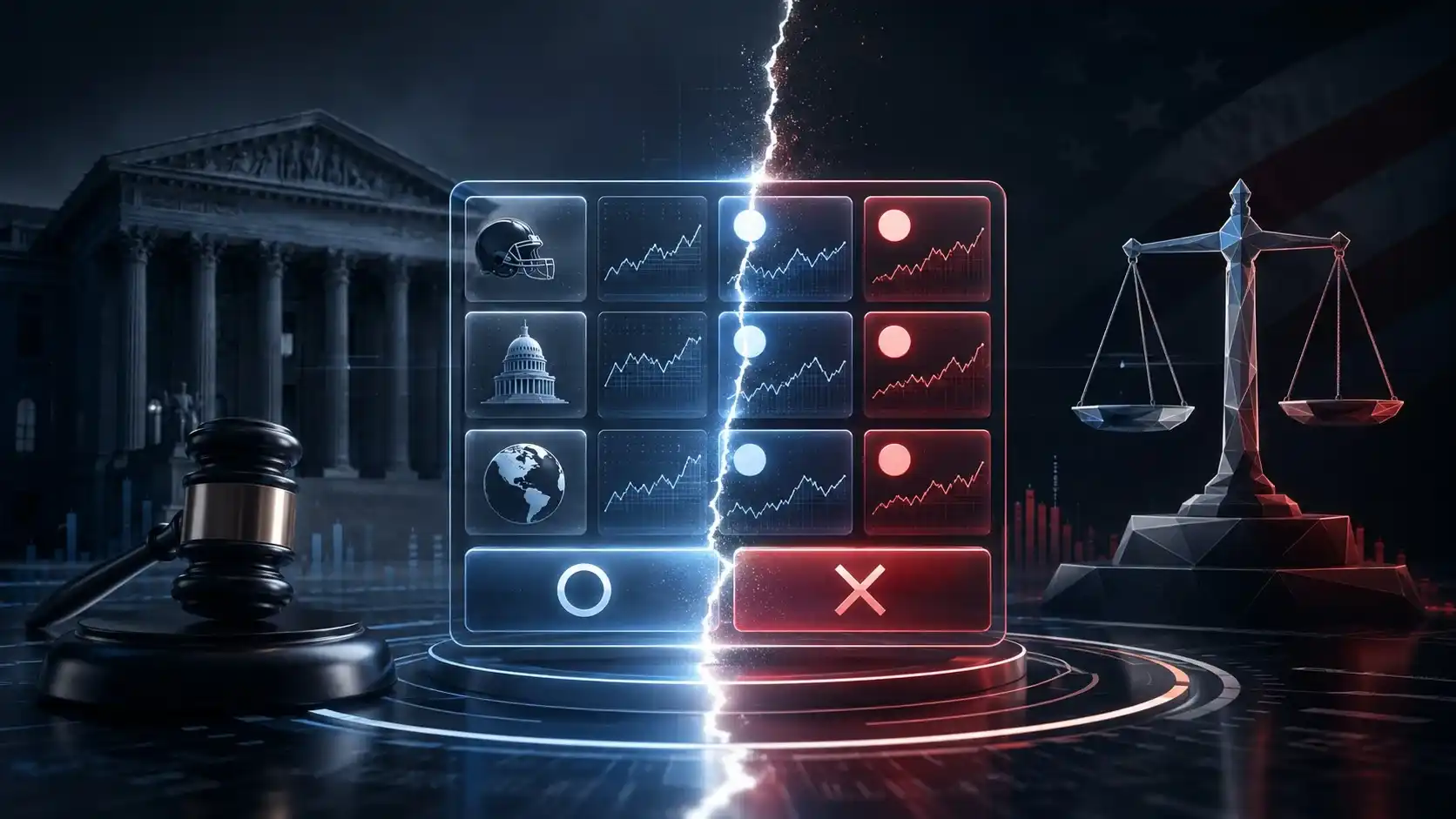
CFTC Proposes New Rules for Prediction Markets, Redefining Which Events and Who Can Participate

The U.S. Commodity Futures Trading Commission (CFTC) has proposed new rules to establish a regulatory framework for prediction markets, aiming to define which event contracts can be traded and who can participate. The 267-page proposal seeks to amend regulations to create a structured review process for "event contracts." The core goal is to determine whether contracts involving sensitive topics like terrorism, assassination, war, or illegal activities are contrary to the "public interest." The CFTC's approach is not an outright ban but a case-by-case assessment, focusing on whether a contract predicts harmful acts themselves or merely their commercial or risk-related impacts. The proposal suggests that most mainstream sports prediction markets—based on final scores, winners, or season outcomes—may be permissible as they provide price discovery and informational value. However, markets on easily manipulated granular events (e.g., player injuries, specific referee calls) or those encouraging harm/cheating would face stricter scrutiny. A primary regulatory target is insider trading and market manipulation, where individuals with non-public knowledge or influence over an event's outcome could unfairly profit. Recent alleged incidents involving military personnel, former politicians, and corporate insiders highlight this risk. The move clarifies federal oversight but does not end the debate. State regulators and gambling associations argue that many prediction markets, especially on sports, constitute gambling and should fall under state, not federal, jurisdiction. This sets up a potential conflict over regulatory authority. Overall, the CFTC's proposal signals a shift for prediction markets from rapid, less-regulated expansion toward a more institutionalized, rules-based model resembling traditional financial markets. Growth will increasingly depend on demonstrating market fairness, transparent settlement, and controlled risks.

Odaily星球日报06/11 02:34
CFTC Proposes New Rules for Prediction Markets, Redefining Which Events and Who Can Participate

Odaily星球日报06/11 02:34

U.S. Stock Market Trend: Dow Plunges Below 50,000 Points, Strongest Earnings Can't Save Oracle

U.S. stocks fell sharply on Wednesday, June 10th, with the Dow Jones Industrial Average dropping 1.87% to close below the 50,000 point mark. The sell-off was driven by a dual shock: hotter-than-expected inflation data and a significant escalation in U.S.-Iran military conflict, which pushed the VIX fear index above 20. While the May CPI matched expectations, afternoon news of retaliatory strikes between the U.S. and Iran triggered a broad market retreat, particularly hitting industrial and tech sectors. The prospect of renewed inflationary pressure from rising oil prices has fully priced in a Fed rate hike by December, shifting the monetary policy narrative. Concurrently, the AI investment theme faced a severe reality check. Super Micro Computer's stock plummeted nearly 28% after announcing a major fundraising plan to fulfill orders, highlighting the massive capital demands of the AI infrastructure build-out. This was underscored by Oracle's post-market reaction: despite posting a strong quarterly earnings beat and a massive $850 billion increase in remaining performance obligations (RPO), its stock fell due to negative free cash flow and a new $40 billion financing plan for data centers. The market's pivot towards defensive plays like Coca-Cola and TJX Companies, which hit record highs, signals a shift from growth to safety. Analysts view the downturn as a convergence of an "AI credit cycle"—where the market questions the funding for massive capital expenditures—and a "geopolitical inflation cycle." While a technical rebound is possible, the structural change is that AI giants are now funding growth through significant equity and debt, forcing a re-pricing of risk and valuation anchors.

marsbit06/11 01:43

U.S. Stock Market Trend: Dow Plunges Below 50,000 Points, Strongest Earnings Can't Save Oracle

marsbit06/11 01:43

Alarm Bells Ringing: BOJ's Imminent 25bp Rate Hike, a Repeat of the 2024-Style Flash Crash for US Stocks and Crypto?

The Bank of Japan (BoJ) is highly expected to raise its short-term policy rate by 25 basis points to 1.0% at its June 15-16 meeting, marking the highest level since 1995. This imminent hike, driven by energy-induced inflation and a persistently weak yen, risks triggering a global market correction by forcing the unwinding of an estimated $500 billion in yen carry trades. As investors borrow cheap yen to fund investments in higher-yielding assets like U.S. stocks and cryptocurrencies, a BoJ rate hike would increase funding costs and potentially strengthen the yen. This could force a rapid deleveraging cycle: investors would sell overseas assets, buy back yen to repay loans, and amplify selling pressure. A similar scenario in August 2024 caused a global flash crash, with Bitcoin plunging nearly $20,000 in a single day. High-valuation assets are particularly vulnerable. AI-driven tech stocks, sensitive to liquidity and financing costs, face pressure from rising energy expenses and potential regulatory shifts. For cryptocurrencies, already competing with AI for market liquidity, the tightening of global leverage poses a significant near-term risk. Analysts warn this liquidity shock could lead to sharp corrections in both equities and crypto, urging investors to exercise caution regarding leverage amid heightened volatility.

Odaily星球日报06/11 01:33

Alarm Bells Ringing: BOJ's Imminent 25bp Rate Hike, a Repeat of the 2024-Style Flash Crash for US Stocks and Crypto?

Odaily星球日报06/11 01:33

12.9 Million Candidates: The First Summer of Fate in the Hands of AI

The 2026 Chinese college entrance exam, or Gaokao, saw a novel phenomenon: AI aggressively entering the college application advice arena before results were even released. Major tech companies like Alibaba, Tencent, Baidu, and others launched free AI-powered "agents" and tools designed to generate personalized university and major recommendations for over 12.9 million candidates. For years, a lucrative industry thrived on the "information gap" in college applications, with personalized consulting services costing families thousands of dollars. AI is now disrupting this by providing similar, data-driven analysis for free. These tools process standardized data—scores, rankings, historical admission trends—to create tailored application strategies, offering a form of information parity previously unavailable, especially to students from rural or less-resourced backgrounds. This shift represents more than just a marketing trend; it signifies AI's first large-scale entry into a critical, high-stakes life decision for millions of Chinese families. The Gaokao application, with its clear inputs and outputs, is an ideal scenario for AI. Its involvement begins to level the informational playing field, potentially reducing the advantage held by families with greater social capital or access to expensive consultants. However, the article raises a profound question: while AI can optimize choices for employability and financial return based on cold data, it risks promoting a homogenized, utilitarian path. It might steer a passionate student away from a less lucrative field like literature or archaeology toward supposedly "safer" options like computer science. The core dilemma remains: as AI flattens information disparities, does it also flatten the diversity of life choices and the freedom to make—and learn from—mistakes? Ultimately, 2026 may be remembered not for exam questions, but as the year AI began formally influencing the life trajectories of ordinary Chinese people. The real test lies not in the algorithm's recommendations, but in whether individuals will retain the courage to make their own choices and bear the consequences in an increasingly algorithmic age.

marsbit06/11 00:49

12.9 Million Candidates: The First Summer of Fate in the Hands of AI

marsbit06/11 00:49

活动图片