2026-06-20 Sábado

Notícias de cripto - Página 317

Mantenha-se a par do mercado de cripto. Notícias em tempo real, análises, preços, histórias em alta e análise de especialistas — tudo num só lugar.

Hong Kong Issues Licenses, Stablecoin Landscape Shifts: Who is Reshaping the Next Generation Financial Map?

Hong Kong's financial landscape has entered a new phase with the issuance of the first stablecoin licenses by the Hong Kong Monetary Authority (HKMA) on April 10, 2026. Anchor Fintech and HSBC were granted the initial approvals, marking the completion of a regulatory framework that spans legislation, review, and licensing. This move signals a strategic shift in the role of stablecoins—from being auxiliary tools in crypto trading to integral components in cross-border payments, tokenized asset transactions, and programmable finance. With only 2 licenses issued from 36 applications, HKMA has adopted a highly selective, quality-over-quantity approach. The licensing process underscores Hong Kong’s ambition to position itself as a leader in digital finance infrastructure, combining banking credibility, payment networks, and blockchain capabilities. Compared to the EU’s MiCA framework and the UK’s upcoming crypto regulations, Hong Kong has gained a first-mover advantage in institutionalizing stablecoins. The city has already laid the foundation with initiatives like tokenized green bonds, e-HKD trials, and the Project Ensemble Sandbox. Globally, dollar-backed stablecoins still dominate over 90% of the market. Hong Kong’s strategy is not to directly challenge the dollar’s dominance but to create a regulated, scalable path for non-dollar stablecoins. It also complements mainland China’s digital yuan system, forming a two-tiered structure: onshore digital RMB for domestic use, and Hong Kong’s licensed stablecoins for offshore and international applications. While this is a significant step, success will depend on whether Hong Kong can build sufficient network effects and real-world adoption to compete with established dollar stablecoins. The focus remains on turning a high-standard regulatory model into a system with tangible scale and influence.

marsbit04/14 15:53

Hong Kong Issues Licenses, Stablecoin Landscape Shifts: Who is Reshaping the Next Generation Financial Map?

marsbit04/14 15:53

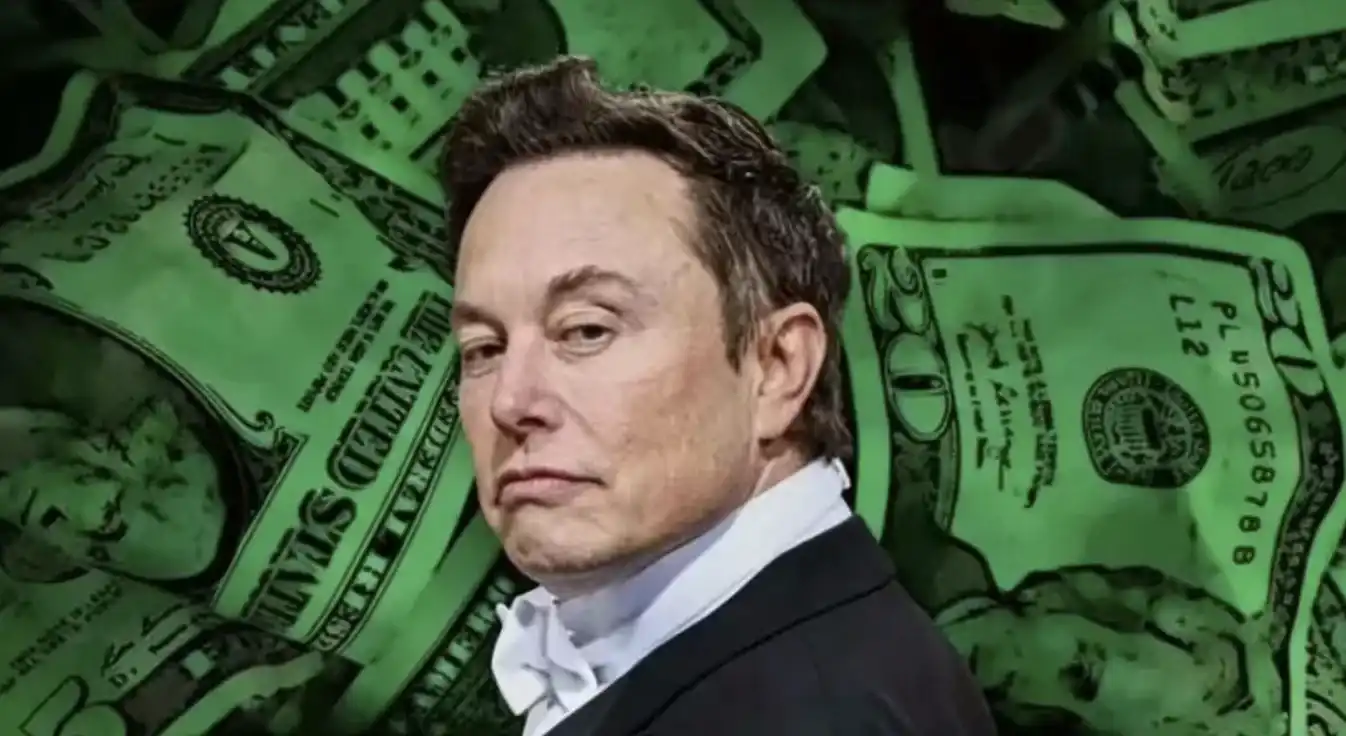
XChat Is Here: Musk's Super App Plan Is Reshaping the Encrypted Social Landscape

Elon Musk’s X (formerly Twitter) is launching XChat, an encrypted communication tool supporting text, file sharing, and voice/video calls, on April 17. This move is part of a broader strategy to transform X into a global super-app similar to WeChat, integrating social, payment, and financial services. XChat aims to address Twitter’s historical weakness in private messaging and relationship-building, shifting from a public square to a closed-loop ecosystem. By retaining user relationships within X, the platform can enhance engagement and pave the way for commercial and financial activities. Encrypted messaging is not just a privacy feature but a foundational layer for trust, enabling future payment integrations. X may explore traditional payment systems, stablecoins, or even direct Bitcoin transactions. This could significantly impact the crypto industry by introducing mainstream users to encrypted payments and SocialFi concepts. While XChat may boost adoption and attract attention to crypto narratives, it also poses a threat to existing Web3 social projects that lack scale. Infrastructure projects like wallets and stablecoins may benefit, but consumer-facing decentralized social platforms could face intense competition from X’s vast user base. In summary, XChat represents a structural shift toward integrating social, informational, and financial flows, positioning X as a key player in the future of encrypted communications and digital payments.

marsbit04/14 12:46

XChat Is Here: Musk's Super App Plan Is Reshaping the Encrypted Social Landscape

marsbit04/14 12:46

Franklin Templeton's Latest Research: How to Understand RWA Tokenization

Franklin Templeton's research explores the rapid growth and structural evolution of real-world asset (RWA) tokenization, which has expanded from $5 billion in 2023 to over $25 billion by early 2026. This surge is driven by clearer regulations and greater trust in blockchain technology. RWA tokenization covers assets like stocks, bonds, commodities, and real estate, distinguishing them from native cryptocurrencies. The market saw a turning point as tokenization expanded from government bonds to equities, with early movers like Robinhood, Kraken, and Ondo launching tokenized stock offerings. Traditional institutions, including DTCC, NYSE, and Nasdaq, have since announced significant tokenization initiatives, signaling a major shift in securities processing. The article identifies three tokenization models: 1. **Digital Native Tokens**: Direct ownership of the underlying asset with on-chain settlement (e.g., Franklin Templeton’s money market fund). 2. **Synthetic Asset Tokens**: Indirect economic exposure via special purpose vehicles, allowing broader DeFi utility but limited investor rights. 3. **Digital Mirror Tokens**: Tokenized receipts of off-chain assets, with legacy settlement systems and restricted transferability. Synthetic tokens are permissionless, requiring only KYT checks, while digital native and mirror tokens require full KYC/AML compliance. Each model offers distinct advantages in transparency, utility, and efficiency compared to traditional systems. Tokenization is driving convergence between crypto and traditional finance, with wallets emerging as a universal financial interface.

marsbit04/14 11:35

Franklin Templeton's Latest Research: How to Understand RWA Tokenization

marsbit04/14 11:35

活动图片