2026-08-12 Quarta

Notícias de cripto - Página 1743

Mantenha-se a par do mercado de cripto. Notícias em tempo real, análises, preços, histórias em alta e análise de especialistas — tudo num só lugar.

Ethereum Is Becoming the New Global Financial Backend

Ethereum is emerging as a global financial backend, reducing the complexity and cost of building financial services while increasing speed and security. It embeds core financial operations—such as ownership recording, value transfer, and obligation enforcement—into software, executed via a distributed validator set. This shared infrastructure eliminates the need for redundant internal systems, transforming capital-intensive processes into software-driven activities. The platform addresses key economic frictions: triangulation (discovery and agreement), transfer (value movement), and trust (enforcement). By providing a transparent, programmable, and cryptographically secured environment, Ethereum enables real-time settlement, automated compliance, and global interoperability. This reduces operational risks and costs, particularly for new entrants and markets with fragile financial systems. Ethereum’s impact is most significant in emerging economies, where it offers immediate functional improvements, while in developed markets, benefits accumulate gradually as more processes become programmable. It shifts institutional focus from infrastructure maintenance to innovation and product design, promoting leaner, more efficient financial services. As a resilient, open, and verifiable system, Ethereum is positioned to serve as the foundational layer for future financial infrastructure, driven by economic incentives favoring transparency and reliability.

marsbit12/13 10:36

Ethereum Is Becoming the New Global Financial Backend

marsbit12/13 10:36

The Silver Crisis: When the Paper System Begins to Fail

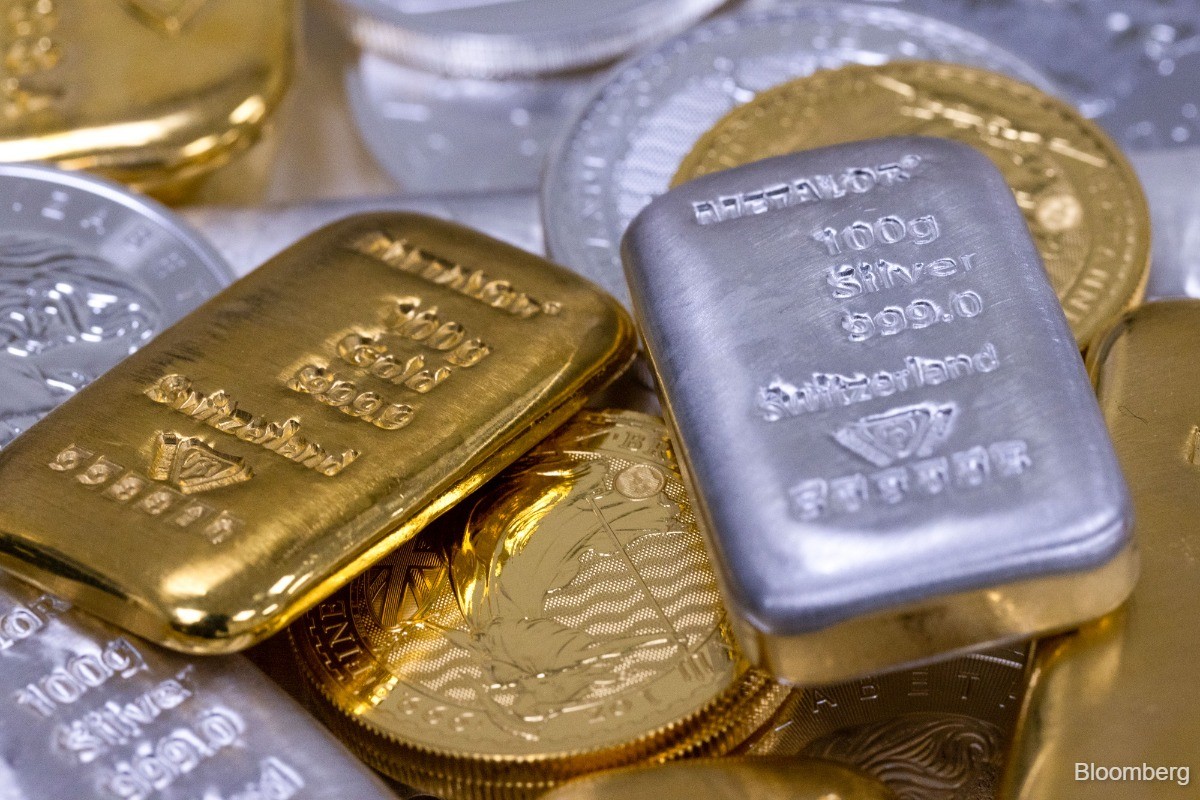
Silver Crisis: When the Paper System Begins to Fail In December, silver became the most volatile asset in the precious metals market, surging from $40 to over $64 per ounce—a year-to-date increase of nearly 110%, far outpacing gold. While the rally appears fundamentally justified—driven by Fed rate cut expectations, industrial demand from solar/EV/AI sectors, and declining global inventories—it masks deeper structural risks. Unlike gold, which is backed by central bank purchases, silver lacks institutional support and has minimal official reserves. Its market is shallow, with a daily trading volume of only $5 billion (vs. gold’s $150 billion), dominated by paper derivatives like futures and ETFs. This makes it vulnerable to volatility and manipulation. The real driver of the rally is a futures squeeze. The market has entered a persistent “backwardation” (futures prices exceeding spot prices), indicating either extreme bullishness or deliberate market manipulation. Physical delivery demands have surged, with COMEX and Shanghai exchange inventories dropping sharply. The system—where paper claims vastly exceed physical silver—is under stress. JPMorgan, a historically dominant player in silver markets, controls ~43% of COMEX silver inventory and acts as custodian for major silver ETFs. Its influence over physical supply and delivery eligibility adds to market fragility. The silver crisis reflects a broader shift: investors are losing faith in financialized paper assets and moving toward physical holdings. This “physicalization” trend, also seen in gold, signals declining trust in traditional financial intermediaries and a reevaluation of monetary security in a deglobalizing world. As the paper system strains, those holding physical silver—and gold—may hold the ultimate advantage.

深潮12/13 10:27

The Silver Crisis: When the Paper System Begins to Fail

深潮12/13 10:27

You Should Still Believe in Crypto

The article "You Should Still Believe in Crypto" addresses the growing sense of burnout and disillusionment within the cryptocurrency industry, sparked by a post from Aevo co-founder Ken Chan titled "I Wasted 8 Years of My Life in Crypto." It acknowledges the collective fatigue many feel due to the industry's fast-paced, often speculative nature, where narratives shift rapidly, and projects frequently fail or disappear. However, the piece argues that the core value of crypto remains vital. It references Nic Carter’s response, highlighting crypto’s potential to create a more robust monetary system, encode business logic via smart contracts, establish true digital property rights, improve capital market efficiency, and enhance global financial inclusion. The article revisits Bitcoin’s origin as a peer-to-peer electronic cash system born from the 2008 financial crisis, emphasizing its purpose as a trustless, decentralized alternative to traditional finance. It points to real-world adoption in high-inflation countries like Argentina and Turkey, where Bitcoin and stablecoins serve as essential financial tools, and notes increasing institutional embrace from firms like BlackRock and Fidelity. Finally, it draws a parallel to the early internet era, arguing that despite chaos, failed projects, and speculative excess, the crypto industry—like the internet—is laying foundational groundwork for future technological and financial evolution. The conclusion is a call to persevere, recognizing that the collective efforts of developers, researchers, and builders worldwide are contributing to a transformative global shift.

marsbit12/13 06:53

You Should Still Believe in Crypto

marsbit12/13 06:53

活动图片