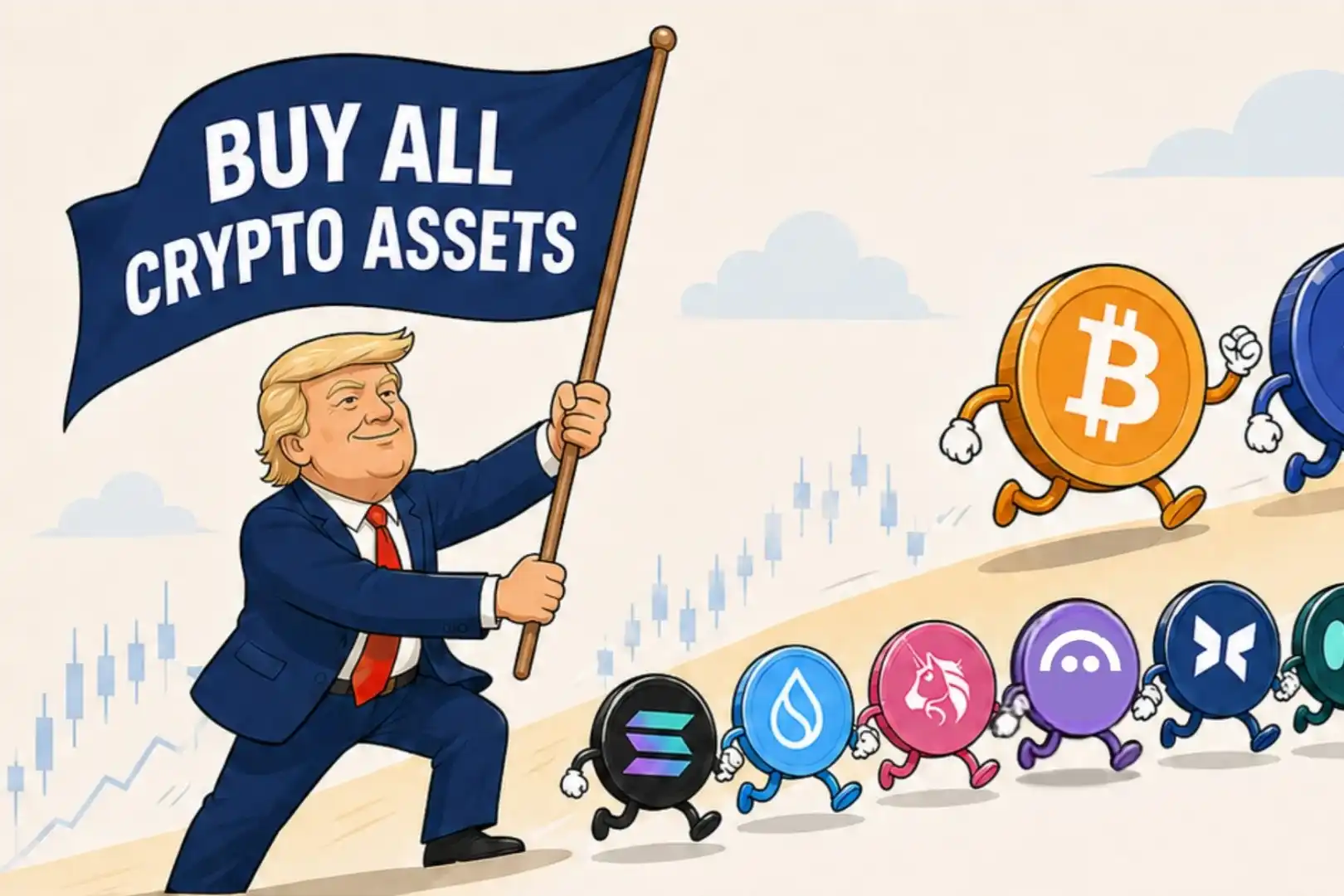
The Silver Crisis: When the Paper System Begins to Fail

深潮Publicado em 2025-12-13Última atualização em 2025-12-13

Resumo

Silver Crisis: When the Paper System Begins to Fail In December, silver became the most volatile asset in the precious metals market, surging from $40 to over $64 per ounce—a year-to-date increase of nearly 110%, far outpacing gold. While the rally appears fundamentally justified—driven by Fed rate cut expectations, industrial demand from solar/EV/AI sectors, and declining global inventories—it masks deeper structural risks. Unlike gold, which is backed by central bank purchases, silver lacks institutional support and has minimal official reserves. Its market is shallow, with a daily trading volume of only $5 billion (vs. gold’s $150 billion), dominated by paper derivatives like futures and ETFs. This makes it vulnerable to volatility and manipulation. The real driver of the rally is a futures squeeze. The market has entered a persistent “backwardation” (futures prices exceeding spot prices), indicating either extreme bullishness or deliberate market manipulation. Physical delivery demands have surged, with COMEX and Shanghai exchange inventories dropping sharply. The system—where paper claims vastly exceed physical silver—is under stress. JPMorgan, a historically dominant player in silver markets, controls ~43% of COMEX silver inventory and acts as custodian for major silver ETFs. Its influence over physical supply and delivery eligibility adds to market fragility. The silver crisis reflects a broader shift: investors are losing faith in financialized paper as...

Author: Xiaobing | Deep Tide TechFlow

In December's precious metals market, the protagonist wasn't gold; silver was the most dazzling light.

From $40, it surged to $50, $55, $60, piercing through one historical price point after another at an almost uncontrollable pace, leaving the market little room to breathe.

On December 12th, spot silver once hit a historical high of $64.28 per ounce before sharply reversing and falling. Year-to-date, silver has accumulated a gain of nearly 110%, far exceeding gold's 60% increase.

This appears to be an "extremely rational" rise, which also makes it seem particularly dangerous.

The Crisis Behind the Rise

Why is silver rising?

Because it seems worthy of rising.

From the explanations of mainstream institutions, it all seems rational sense.

The Fed's interest rate cut expectations reignited the precious metals rally; recent weak employment and inflation data led the market to bet on further rate cuts by early 2026. Silver, as a high-beta asset, reacted more violently than gold.

Industrial demand is also adding fuel to the fire. The explosive growth in solar energy, electric vehicles, data centers, and AI infrastructure has fully manifested silver's dual attributes (precious metal + industrial metal).

Persistently declining global inventories are adding insult to injury. Mexican and Peruvian mine production fell short of expectations in Q4, and silver ingot stocks in major exchange warehouses are lower year after year.

......

If one only looks at these reasons, the rise in silver prices is a "consensus," even a belated value re-rating.

But the danger of the story lies in this:

Silver's rise seems rational, but it's not solid.

The reason is simple: Silver is not gold. It lacks the consensus gold has; it is missing "national team" support.

Gold remains robust because central banks worldwide are buying. Over the past three years, global central banks have purchased over 2,300 tons of gold, which sits on national balance sheets as an extension of sovereign credit.

Silver is different. Global central bank gold reserves exceed 36,000 tons, while official silver reserves are almost zero. Without central bank backstop, silver lacks any systemic stabilizer during extreme market volatility, making it a typical "island asset."

The difference in market depth is even more stark. Gold's daily trading volume is about $150 billion; silver's is only $5 billion. If gold is the Pacific Ocean, silver is, at best, Poyang Lake.

It has a small market cap, fewer market makers, insufficient liquidity, and limited physical reserves. Most crucially, the primary form of silver trading is not physical metal but "paper silver"—futures, derivatives, and ETFs dominate the market.

This is a dangerous structure.

Shallow water capsizes easily; large funds entering can churn the entire surface.

And this is precisely what happened this year: A wave of funds suddenly rushed in, rapidly pushing up a market that wasn't deep to begin with, lifting prices off the ground.

Futures Squeeze

What derailed silver prices wasn't the seemingly rational fundamental reasons above; the real price war is in the futures market.

Normally, the spot price of silver should be slightly higher than the futures price. This makes sense—holding physical silver incurs storage and insurance costs, while a futures contract is just paper, naturally cheaper. This price difference is generally called "backwardation" (现货升水).

But starting in the third quarter of this year, this logic reversed.

Futures prices began systematically exceeding spot prices, and the gap kept widening. What does this mean?

Someone is frantically pushing up prices in the futures market. This "contango" (期货升水) phenomenon usually only appears in two situations: either the market is extremely bullish on the future, or someone is forcing a squeeze (逼仓).

Considering that the improvement in silver fundamentals is gradual—solar and new energy demand doesn't exponentially explode in a few months, and mine output doesn't suddenly dry up—the aggressive performance in the futures market更像 the latter: Funds are pushing up futures prices.

A more dangerous signal comes from anomalies in the physical delivery market.

Operational history data from the world's largest precious metals trading market, COMEX (Commodity Exchange Inc.), shows that physical delivery of precious metals futures contracts is less than 2%, with the remaining 98% settled in US dollars cash or through contract rollovers.

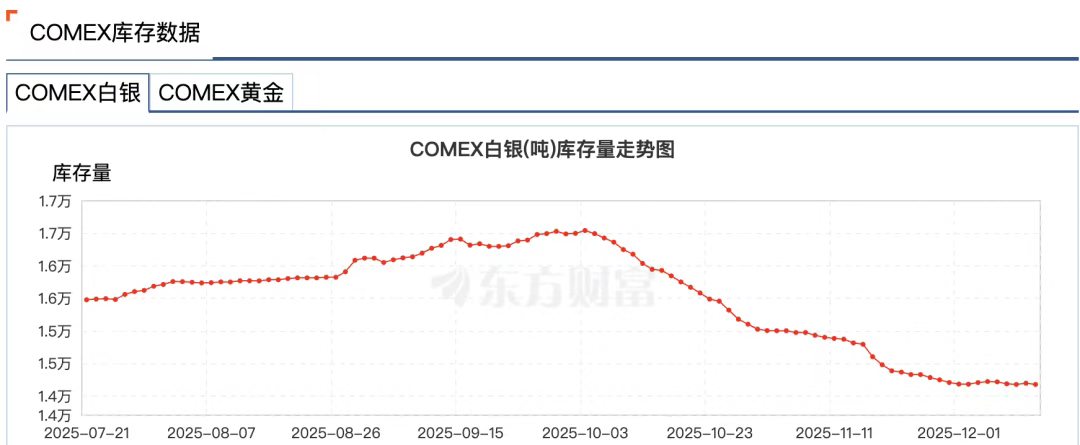
However, over the past few months, physical silver deliveries on COMEX have surged, far exceeding historical averages. More and more investors are losing trust in "paper silver"; they are demanding actual silver bars.
Silver ETFs have seen a similar phenomenon. While large amounts of funds flowed in, some investors began redeeming, demanding physical silver instead of fund shares. This "run-like" redemption is putting pressure on the ETFs' silver bar reserves.

<极狐 style="font-size:16px">This year, runs have occurred in succession in the three major silver markets: New York COMEX, London LBMA, and the Shanghai Metal Exchange.

Wind data shows that in the week of November 24th, silver inventories on the Shanghai Gold Exchange fell by 58.83 tons to 715.875 tons, hitting a new low since July 3, 2016. CME COMEX silver inventories plummeted from 16,500 tons in early October to 14,100 tons, a drop of 14%.

The reason isn't hard to understand: under the US interest rate cut cycle, people are unwilling to settle in dollars. Another hidden worry is that exchanges might not have enough silver available for delivery.

The modern precious metals market is a highly financialized system. Most "silver" is just book entries, with real silver bars being repeatedly pledged, leased, and derived globally. One ounce of physical silver might correspond to a dozen different entitlement certificates simultaneously.

Veteran trader Andy Schectman cited London as an example: LBMA has only 140 million ounces of floating supply, but daily trading volume reaches 600 million ounces. On top of this 140 million ounces, there exist paper claims exceeding 2 billion ounces.

This "fractional reserve system" works well in normal times, but once everyone wants physical metal, the entire system faces a liquidity crisis.

When the shadow of a crisis looms, a strange phenomenon似乎总是出现在金融市场, commonly called "pulling the plug."

On November 28th, CME was down for nearly 11 hours due to "data center cooling issues," a record-long outage, preventing COMEX gold and silver futures from updating normally.

Notably, the outage occurred at a critical moment as silver broke through historical highs. Spot silver breached $56 that day, and silver futures broke through $57.

Market rumors speculated that the outage was to protect commodity market makers exposed to extreme risk and potentially facing large losses.

Later, data center operator CyrusOne stated that this major interruption stemmed from human operational error, further fueling various "conspiracy theories."

In short, this futures squeeze-dominated market注定 results in剧烈 volatility in the silver market. Silver has essentially transformed from a traditional safe-haven asset into a high-risk speculative target.

Who is the Market Maker?

In this squeeze drama, one name cannot be bypassed: JPMorgan Chase.

The reason is simple: it is internationally recognized as the silver market maker.

For at least eight years, from 2008 to 2016, JPMorgan manipulated gold and silver market prices through its traders.

The method was simple and crude: placing large orders to buy or sell silver contracts on the futures market to create false supply and demand impressions, inducing other traders to follow the momentum, and then canceling the orders at the last second, profiting from the price fluctuations.

This practice, known as spoofing,最终 led to JPMorgan receiving a $920 million fine in 2020, once setting a record for a single CFTC fine.

But the real textbook-level market manipulation goes beyond that.

On one hand, JPMorgan depressed silver prices through massive short selling and spoofing in the futures market. On the other hand, it massively acquired physical metal at the low prices it itself created.

Starting around the 2011 silver price high near $50, JPMorgan began hoarding silver in its COMEX warehouses, consistently adding positions while other large institutions reduced theirs, at one point accounting for 50% of total COMEX silver inventory.
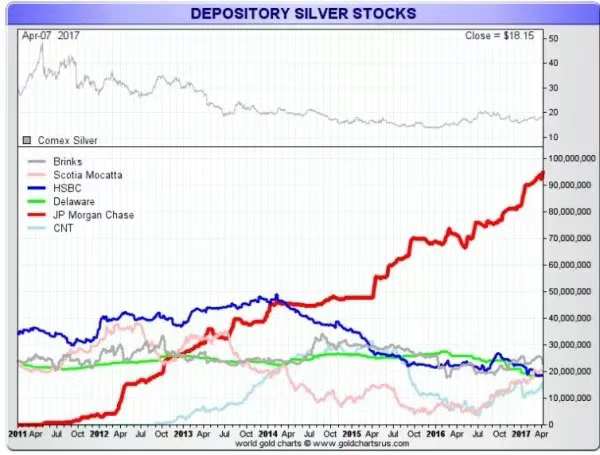
This strategy exploited the structural缺陷 of the silver market: Paper silver prices dictate physical silver prices, and JPMorgan could influence paper prices while being one of the largest physical silver holders.

So what role does JPMorgan play in this round of silver squeeze?

On the surface, JPMorgan seems to have "turned over a new leaf." Following the 2020 settlement, it underwent systematic compliance reforms, including hiring hundreds of new compliance officers.

There is currently no evidence表明 JPMorgan participated in the short squeeze行情. But in the silver market, JPMorgan still holds significant influence.

According to the latest CME data from December 11th, JPMorgan holds approximately 196 million ounces of silver within the COMEX system (proprietary + brokerage), accounting for nearly 43% of the exchange's total inventory.
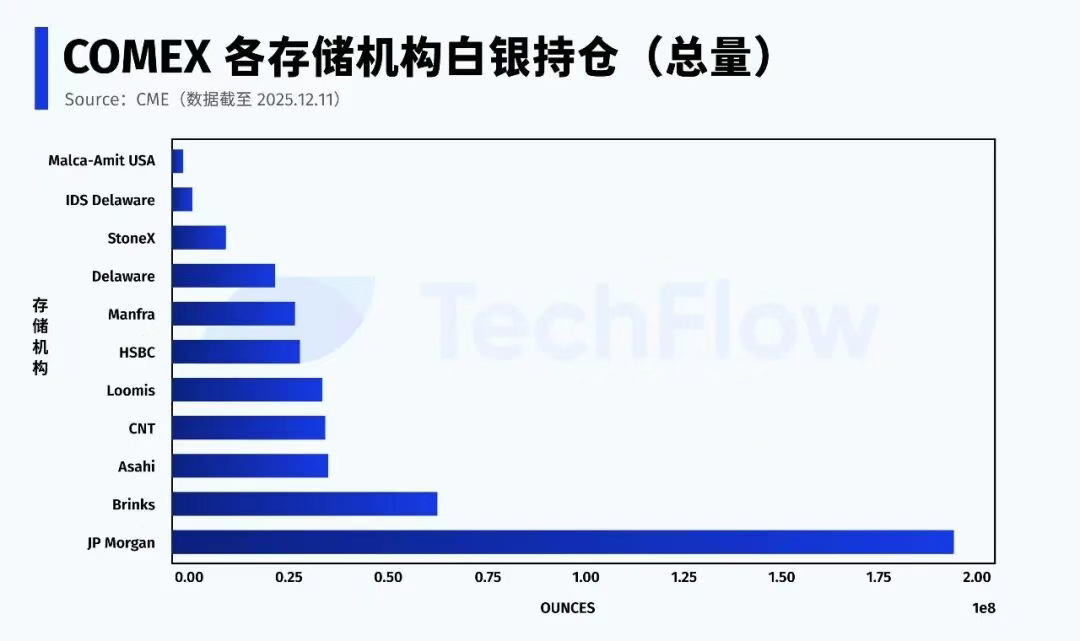
Furthermore, JPMorgan has a special身份: the custodian for the silver ETF (SLV). As of November 2025, it custodies 517 million ounces of silver, worth $32.1 billion.

More crucially, in the Eligible silver category (silver that qualifies for delivery but hasn't been registered as deliverable), JPMorgan controls over half the volume.

In any round of silver squeeze行情, the market truly博弈 over two points: First, who can produce physical silver; Second, whether, and when, this silver is allowed into the delivery pool.

Unlike its past role as a major silver short, JPMorgan now sits at the "silver gate."

Currently, Registered (deliverable) silver accounts for only about 30% of total inventory. When the majority of Eligible silver is highly concentrated in a few institutions, the stability of the silver futures market effectively depends on the behavioral choices of very few key players.

The Paper System Gradually Failing

If one had to describe the current silver market in one sentence, it would be:

The rally continues, but the rules have changed.

The market has undergone an irreversible shift; trust in the silver "paper system" is crumbling.

Silver is not an isolated case; the same change is happening in the gold market.

Gold inventories in New York futures exchanges continue to decline, Registered gold repeatedly touches lows, forcing exchanges to transfer bars from originally non-deliverable "Eligible" gold to complete matches.

Globally, capital is quietly undergoing a migration.

Over the past decade-plus, the direction of mainstream asset allocation was highly financialized—ETFs, derivatives, structured products, leverage tools. Everything could be "securitized."

Now, more and more capital is withdrawing from financial assets,转而 seeking physical assets that don't rely on financial intermediaries or credit背书,典型的 being gold and silver.

Central banks are continuously and massively increasing gold holdings, almost无一例外 opting for physical form. Russia has banned gold exports; even Western countries like Germany and the Netherlands have demanded the repatriation of gold reserves stored overseas.

Liquidity is giving way to certainty.

When gold supply cannot meet the huge physical demand, capital begins to look for substitutes, and silver naturally becomes the first choice.

The essence of this physicalization movement is the re-contesting of monetary pricing power against the backdrop of a weak US dollar and deglobalization.

According to a Bloomberg report in October, global gold is moving from West to East.

Data from US CME and the London Bullion Market Association (LBMA) show that since late April, over 527 tons of gold have flowed out of the vaults of New York and London, the two largest Western markets. Meanwhile, gold imports have increased in major Asian gold-consuming countries like China. China's gold imports in August hit a four-year high.

In response to market changes, in late November 2025, JPMorgan moved its precious metals trading desk from the US to Singapore.

Behind the surge in gold and silver lies the return of the concept of the "gold standard." It might not be realistic short-term, but one thing is certain: Whoever holds more physical metal holds greater pricing power.

When the music stops, only those holding real gold and silver can sit down safely.

Perguntas relacionadas

QWhat are the main factors driving the recent surge in silver prices according to mainstream analysis?

AAccording to mainstream analysis, the surge in silver prices is driven by the Federal Reserve's interest rate cut expectations, which reignited the precious metals market, as well as strong industrial demand from solar energy, electric vehicles, data centers, and AI infrastructure. Additionally, global inventories have been consistently declining due to lower-than-expected mine output from Mexico and Peru.

QWhy is the structure of the silver market considered dangerous compared to gold?

AThe silver market is considered dangerous because it lacks the 'national team' support that gold has, as central banks hold almost no official silver reserves. It has a much smaller market depth with a daily trading volume of only $5 billion compared to gold's $150 billion. The market is dominated by 'paper silver' products like futures and ETFs, making it highly susceptible to volatility and liquidity crises when large funds enter.

QWhat is a 'short squeeze' in the futures market, and how is it related to the current silver price movement?

AA 'short squeeze' occurs when traders who have bet on falling prices (short sellers) are forced to buy back contracts at higher prices to limit losses, further driving up prices. In the silver market, this is evidenced by the unusual 'futures premium' where futures prices are systematically higher than spot prices, suggesting that funds are aggressively pushing up futures prices rather than the movement being solely based on gradual fundamental improvements.

QWhat role does JPMorgan play in the silver market, and why is it significant?

AJPMorgan is a dominant player in the silver market, holding approximately 43% of COMEX silver inventories and acting as the custodian for the iShares Silver Trust (SLV) ETF, which holds over 517 million ounces of silver. It controls more than half of the 'Eligible' silver (metal that qualifies for delivery but isn't yet registered). This positions JPMorgan as a key 'gatekeeper' that significantly influences the availability of physical silver for delivery, thereby impacting market stability.

QWhat broader trend does the current situation in the silver market represent regarding financial assets?

AThe situation represents a broader trend of a 'physicalization' movement, where trust in the 'paper' financial system (ETFs, derivatives) is eroding. Investors and central banks are increasingly moving away from highly financialized assets and seeking safety in physical assets like gold and silver that do not rely on financial intermediaries or credit backing. This shift is a response to de-globalization and a contest for monetary pricing power in a weaker dollar environment, emphasizing that 'whoever holds more physical metal holds greater pricing power.'

Leituras Relacionadas

Will the Fed Still Cut Interest Rates? Tonight's Data Is Crucial

The core debate surrounding the Federal Reserve's potential interest rate cuts is intensifying amid geopolitical conflict and rebounding inflation. The key question is whether high energy prices will cause persistent inflation or weaken consumer demand enough to force the Fed to cut rates. Citigroup presents a bullish case for cuts, arguing that oil supply disruptions from the Strait of Hormuz are temporary and will not lead to lasting inflationary pressure. They point to receding bond yields and oil prices as evidence the market is pricing in a short-lived shock. Citi's data also shows tightening financial conditions, a stabilizing labor market, and healthy tax returns, supporting their view that the path to lower rates remains open. Conversely, Deutsche Bank offers a starkly contrasting, more hawkish outlook. They argue the Fed's current policy is already neutral and expect rates to remain unchanged indefinitely. Their view is based on stalled disinflation progress and a shift toward more hawkish rhetoric from key Fed officials like Waller, who cited risks from prolonged Middle East conflict and tariffs. Other officials, including Williams and Hammack, signaled rates would likely stay on hold for a "considerable time." The market pricing has shifted dramatically, now forecasting zero cuts in 2026. The imminent release of the March retail sales "control group" data is highlighted as a critical test. This metric, which excludes gas station sales, will reveal if high gasoline prices are eroding consumer spending in other areas. A weak reading could support the case for imminent rate cuts, while a strong one would bolster the argument for the Fed to hold steady. This data is pivotal for determining the near-term policy path.

marsbitHá 5m

Will the Fed Still Cut Interest Rates? Tonight's Data Is Crucial

marsbitHá 5m

The Second Half of Macro Influencer Fu Peng's Career

Fu Peng, a prominent Chinese macroeconomist and former chief economist of Northeast Securities, has joined Hong Kong-based digital asset management firm Bitfire Group (formerly New Huo Group) as its chief economist. This move, announced in April 2026, triggered an 11% surge in Bitfire's stock price. Fu, known for his accessible macroeconomic commentary and large social media following, will focus on integrating digital assets into global asset allocation frameworks, particularly combining FICC (fixed income, currencies, and commodities) with cryptocurrencies for institutional clients. His career includes roles at Lehman Brothers and Solomon International, with significant influence gained through public communication. However, in late 2024, Fu faced temporary social media bans after a controversial private speech at HSBC on China's economic challenges, though he denied regulatory sanctions. He later left Northeast Securities citing health reasons. Bitfire, a licensed virtual asset manager serving high-net-worth clients, seeks to build trust and attract traditional capital through Fu’s expertise and credibility. The partnership represents a strategic shift for both: Fu enters the crypto sector after a traditional finance peak, while Bitfire aims to leverage his macro framework for institutional adoption. Outcomes remain uncertain regarding capital inflows and compatibility within corporate structure.

marsbitHá 1h

The Second Half of Macro Influencer Fu Peng's Career

marsbitHá 1h

Trading

Spot
Futuros

Artigos em Destaque

O que é $S$

Compreender o SPERO: Uma Visão Abrangente Introdução ao SPERO À medida que o panorama da inovação continua a evoluir, o surgimento de tecnologias web3 e projetos de criptomoeda desempenha um papel fundamental na formação do futuro digital. Um projeto que tem atraído atenção neste campo dinâmico é o SPERO, denotado como SPERO,$$s$. Este artigo tem como objetivo reunir e apresentar informações detalhadas sobre o SPERO, para ajudar entusiastas e investidores a compreender as suas bases, objetivos e inovações nos domínios web3 e cripto. O que é o SPERO,$$s$? O SPERO,$$s$ é um projeto único dentro do espaço cripto que procura aproveitar os princípios da descentralização e da tecnologia blockchain para criar um ecossistema que promove o envolvimento, a utilidade e a inclusão financeira. O projeto é concebido para facilitar interações peer-to-peer de novas maneiras, proporcionando aos utilizadores soluções e serviços financeiros inovadores. No seu núcleo, o SPERO,$$s$ visa capacitar indivíduos ao fornecer ferramentas e plataformas que melhoram a experiência do utilizador no espaço das criptomoedas. Isso inclui a possibilidade de métodos de transação mais flexíveis, a promoção de iniciativas impulsionadas pela comunidade e a criação de caminhos para oportunidades financeiras através de aplicações descentralizadas (dApps). A visão subjacente do SPERO,$$s$ gira em torno da inclusão, visando fechar lacunas dentro das finanças tradicionais enquanto aproveita os benefícios da tecnologia blockchain. Quem é o Criador do SPERO,$$s$? A identidade do criador do SPERO,$$s$ permanece algo obscura, uma vez que existem recursos publicamente disponíveis limitados que fornecem informações detalhadas sobre o(s) seu(s) fundador(es). Esta falta de transparência pode resultar do compromisso do projeto com a descentralização—uma ética que muitos projetos web3 partilham, priorizando contribuições coletivas em vez de reconhecimento individual. Ao centrar as discussões em torno da comunidade e dos seus objetivos coletivos, o SPERO,$$s$ incorpora a essência do empoderamento sem destacar indivíduos específicos. Assim, compreender a ética e a missão do SPERO é mais importante do que identificar um criador singular. Quem são os Investidores do SPERO,$$s$? O SPERO,$$s$ é apoiado por uma diversidade de investidores que vão desde capitalistas de risco a investidores-anjo dedicados a promover a inovação no setor cripto. O foco desses investidores geralmente alinha-se com a missão do SPERO—priorizando projetos que prometem avanço tecnológico social, inclusão financeira e governança descentralizada. Essas fundações de investidores estão tipicamente interessadas em projetos que não apenas oferecem produtos inovadores, mas que também contribuem positivamente para a comunidade blockchain e os seus ecossistemas. O apoio desses investidores reforça o SPERO,$$s$ como um concorrente notável no domínio em rápida evolução dos projetos cripto. Como Funciona o SPERO,$$s$? O SPERO,$$s$ emprega uma estrutura multifacetada que o distingue de projetos de criptomoeda convencionais. Aqui estão algumas das características-chave que sublinham a sua singularidade e inovação: Governança Descentralizada: O SPERO,$$s$ integra modelos de governança descentralizada, capacitando os utilizadores a participar ativamente nos processos de tomada de decisão sobre o futuro do projeto. Esta abordagem promove um sentido de propriedade e responsabilidade entre os membros da comunidade. Utilidade do Token: O SPERO,$$s$ utiliza o seu próprio token de criptomoeda, concebido para servir várias funções dentro do ecossistema. Esses tokens permitem transações, recompensas e a facilitação de serviços oferecidos na plataforma, melhorando o envolvimento e a utilidade gerais. Arquitetura em Camadas: A arquitetura técnica do SPERO,$$s$ suporta modularidade e escalabilidade, permitindo a integração contínua de funcionalidades e aplicações adicionais à medida que o projeto evolui. Esta adaptabilidade é fundamental para manter a relevância no panorama cripto em constante mudança. Envolvimento da Comunidade: O projeto enfatiza iniciativas impulsionadas pela comunidade, empregando mecanismos que incentivam a colaboração e o feedback. Ao nutrir uma comunidade forte, o SPERO,$$s$ pode melhor atender às necessidades dos utilizadores e adaptar-se às tendências do mercado. Foco na Inclusão: Ao oferecer taxas de transação baixas e interfaces amigáveis, o SPERO,$$s$ visa atrair uma base de utilizadores diversificada, incluindo indivíduos que anteriormente podem não ter participado no espaço cripto. Este compromisso com a inclusão alinha-se com a sua missão abrangente de empoderamento através da acessibilidade. Cronologia do SPERO,$$s$ Compreender a história de um projeto fornece insights cruciais sobre a sua trajetória de desenvolvimento e marcos. Abaixo está uma cronologia sugerida que mapeia eventos significativos na evolução do SPERO,$$s$: Fase de Conceituação e Ideação: As ideias iniciais que formam a base do SPERO,$$s$ foram concebidas, alinhando-se de perto com os princípios de descentralização e foco na comunidade dentro da indústria blockchain. Lançamento do Whitepaper do Projeto: Após a fase conceitual, um whitepaper abrangente detalhando a visão, os objetivos e a infraestrutura tecnológica do SPERO,$$s$ foi lançado para atrair o interesse e o feedback da comunidade. Construção da Comunidade e Primeiros Envolvimentos: Esforços ativos de divulgação foram feitos para construir uma comunidade de primeiros adotantes e investidores potenciais, facilitando discussões em torno dos objetivos do projeto e angariando apoio. Evento de Geração de Tokens: O SPERO,$$s$ realizou um evento de geração de tokens (TGE) para distribuir os seus tokens nativos a apoiantes iniciais e estabelecer liquidez inicial dentro do ecossistema. Lançamento da dApp Inicial: A primeira aplicação descentralizada (dApp) associada ao SPERO,$$s$ foi lançada, permitindo que os utilizadores interagissem com as funcionalidades principais da plataforma. Desenvolvimento Contínuo e Parcerias: Atualizações e melhorias contínuas nas ofertas do projeto, incluindo parcerias estratégicas com outros players no espaço blockchain, moldaram o SPERO,$$s$ em um jogador competitivo e em evolução no mercado cripto. Conclusão O SPERO,$$s$ é um testemunho do potencial do web3 e das criptomoedas para revolucionar os sistemas financeiros e capacitar indivíduos. Com um compromisso com a governança descentralizada, o envolvimento da comunidade e funcionalidades inovadoras, abre caminho para um panorama financeiro mais inclusivo. Como em qualquer investimento no espaço cripto em rápida evolução, potenciais investidores e utilizadores são incentivados a pesquisar minuciosamente e a envolver-se de forma ponderada com os desenvolvimentos em curso dentro do SPERO,$$s$. O projeto demonstra o espírito inovador da indústria cripto, convidando a uma exploração mais aprofundada das suas inúmeras possibilidades. Embora a jornada do SPERO,$$s$ ainda esteja a desenrolar-se, os seus princípios fundamentais podem, de facto, influenciar o futuro de como interagimos com a tecnologia, as finanças e uns com os outros em ecossistemas digitais interconectados.

69 Visualizações TotaisPublicado em {updateTime}Atualizado em 2024.12.17

O que é $S$

O que é AGENT S

Agent S: O Futuro da Interação Autónoma no Web3 Introdução No panorama em constante evolução do Web3 e das criptomoedas, as inovações estão constantemente a redefinir a forma como os indivíduos interagem com plataformas digitais. Um projeto pioneiro, o Agent S, promete revolucionar a interação humano-computador através do seu framework aberto e agente. Ao abrir caminho para interações autónomas, o Agent S visa simplificar tarefas complexas, oferecendo aplicações transformadoras em inteligência artificial (IA). Esta exploração detalhada irá aprofundar-se nas complexidades do projeto, nas suas características únicas e nas implicações para o domínio das criptomoedas. O que é o Agent S? O Agent S é um framework aberto e agente, especificamente concebido para abordar três desafios fundamentais na automação de tarefas computacionais: Aquisição de Conhecimento Específico de Domínio: O framework aprende inteligentemente a partir de várias fontes de conhecimento externas e experiências internas. Esta abordagem dupla capacita-o a construir um rico repositório de conhecimento específico de domínio, melhorando o seu desempenho na execução de tarefas. Planeamento ao Longo de Longos Horizontes de Tarefas: O Agent S emprega planeamento hierárquico aumentado por experiência, uma abordagem estratégica que facilita a decomposição e execução eficientes de tarefas intrincadas. Esta característica melhora significativamente a sua capacidade de gerir múltiplas subtarefas de forma eficiente e eficaz. Gestão de Interfaces Dinâmicas e Não Uniformes: O projeto introduz a Interface Agente-Computador (ACI), uma solução inovadora que melhora a interação entre agentes e utilizadores. Utilizando Modelos de Linguagem Multimodais de Grande Escala (MLLMs), o Agent S pode navegar e manipular diversas interfaces gráficas de utilizador de forma fluida. Através destas características pioneiras, o Agent S fornece um framework robusto que aborda as complexidades envolvidas na automação da interação humana com máquinas, preparando o terreno para uma infinidade de aplicações em IA e além. Quem é o Criador do Agent S? Embora o conceito de Agent S seja fundamentalmente inovador, informações específicas sobre o seu criador permanecem elusivas. O criador é atualmente desconhecido, o que destaca ou o estágio nascente do projeto ou a escolha estratégica de manter os membros fundadores em anonimato. Independentemente da anonimidade, o foco permanece nas capacidades e no potencial do framework. Quem são os Investidores do Agent S? Como o Agent S é relativamente novo no ecossistema criptográfico, informações detalhadas sobre os seus investidores e financiadores não estão explicitamente documentadas. A falta de informações disponíveis publicamente sobre as fundações de investimento ou organizações que apoiam o projeto levanta questões sobre a sua estrutura de financiamento e roteiro de desenvolvimento. Compreender o apoio é crucial para avaliar a sustentabilidade do projeto e o seu impacto potencial no mercado. Como Funciona o Agent S? No núcleo do Agent S reside uma tecnologia de ponta que lhe permite funcionar eficazmente em diversos ambientes. O seu modelo operacional é construído em torno de várias características-chave: Interação Humano-Computador Semelhante: O framework oferece planeamento avançado em IA, esforçando-se para tornar as interações com computadores mais intuitivas. Ao imitar o comportamento humano na execução de tarefas, promete elevar as experiências dos utilizadores. Memória Narrativa: Utilizada para aproveitar experiências de alto nível, o Agent S utiliza memória narrativa para acompanhar os históricos de tarefas, melhorando assim os seus processos de tomada de decisão. Memória Episódica: Esta característica fornece aos utilizadores orientações passo a passo, permitindo que o framework ofereça suporte contextual à medida que as tarefas se desenrolam. Suporte para OpenACI: Com a capacidade de funcionar localmente, o Agent S permite que os utilizadores mantenham o controlo sobre as suas interações e fluxos de trabalho, alinhando-se com a ética descentralizada do Web3. Fácil Integração com APIs Externas: A sua versatilidade e compatibilidade com várias plataformas de IA garantem que o Agent S possa integrar-se perfeitamente em ecossistemas tecnológicos existentes, tornando-o uma escolha apelativa para desenvolvedores e organizações. Estas funcionalidades contribuem coletivamente para a posição única do Agent S no espaço cripto, à medida que automatiza tarefas complexas e em múltiplos passos com mínima intervenção humana. À medida que o projeto evolui, as suas potenciais aplicações no Web3 podem redefinir a forma como as interações digitais se desenrolam. Cronologia do Agent S O desenvolvimento e os marcos do Agent S podem ser encapsulados numa cronologia que destaca os seus eventos significativos: 27 de Setembro de 2024: O conceito de Agent S foi lançado num artigo de pesquisa abrangente intitulado “Um Framework Agente Aberto que Usa Computadores como um Humano”, mostrando a base para o projeto. 10 de Outubro de 2024: O artigo de pesquisa foi disponibilizado publicamente no arXiv, oferecendo uma exploração aprofundada do framework e da sua avaliação de desempenho com base no benchmark OSWorld. 12 de Outubro de 2024: Uma apresentação em vídeo foi lançada, proporcionando uma visão visual das capacidades e características do Agent S, envolvendo ainda mais potenciais utilizadores e investidores. Estes marcos na cronologia não apenas ilustram o progresso do Agent S, mas também indicam o seu compromisso com a transparência e o envolvimento da comunidade. Pontos-Chave Sobre o Agent S À medida que o framework Agent S continua a evoluir, várias características-chave destacam-se, sublinhando a sua natureza inovadora e potencial: Framework Inovador: Concebido para proporcionar um uso intuitivo de computadores semelhante à interação humana, o Agent S traz uma abordagem nova à automação de tarefas. Interação Autónoma: A capacidade de interagir autonomamente com computadores através de GUI significa um avanço em direção a soluções computacionais mais inteligentes e eficientes. Automação de Tarefas Complexas: Com a sua metodologia robusta, pode automatizar tarefas complexas e em múltiplos passos, tornando os processos mais rápidos e menos propensos a erros. Melhoria Contínua: Os mecanismos de aprendizagem permitem que o Agent S melhore a partir de experiências passadas, aprimorando continuamente o seu desempenho e eficácia. Versatilidade: A sua adaptabilidade em diferentes ambientes operacionais, como OSWorld e WindowsAgentArena, garante que pode servir uma ampla gama de aplicações. À medida que o Agent S se posiciona no panorama do Web3 e das criptomoedas, o seu potencial para melhorar as capacidades de interação e automatizar processos significa um avanço significativo nas tecnologias de IA. Através do seu framework inovador, o Agent S exemplifica o futuro das interações digitais, prometendo uma experiência mais fluida e eficiente para os utilizadores em diversas indústrias. Conclusão O Agent S representa um ousado avanço na união da IA e do Web3, com a capacidade de redefinir a forma como interagimos com a tecnologia. Embora ainda esteja nas suas fases iniciais, as possibilidades para a sua aplicação são vastas e cativantes. Através do seu framework abrangente que aborda desafios críticos, o Agent S visa trazer interações autónomas para o primeiro plano da experiência digital. À medida que avançamos mais profundamente nos domínios das criptomoedas e da descentralização, projetos como o Agent S desempenharão, sem dúvida, um papel crucial na formação do futuro da tecnologia e da colaboração humano-computador.

521 Visualizações TotaisPublicado em {updateTime}Atualizado em 2025.01.14

O que é AGENT S

Como comprar S

Bem-vindo à HTX.com!Tornámos a compra de Sonic (S) simples e conveniente.Segue o nosso guia passo a passo para iniciar a tua jornada no mundo das criptos.Passo 1: cria a tua conta HTXUtiliza o teu e-mail ou número de telefone para te inscreveres numa conta gratuita na HTX.Desfruta de um processo de inscrição sem complicações e desbloqueia todas as funcionalidades.Obter a minha contaPasso 2: vai para Comprar Cripto e escolhe o teu método de pagamentoCartão de crédito/débito: usa o teu visa ou mastercard para comprar Sonic (S) instantaneamente.Saldo: usa os fundos da tua conta HTX para transacionar sem problemas.Terceiros: adicionamos métodos de pagamento populares, como Google Pay e Apple Pay, para aumentar a conveniência.P2P: transaciona diretamente com outros utilizadores na HTX.Mercado de balcão (OTC): oferecemos serviços personalizados e taxas de câmbio competitivas para os traders.Passo 3: armazena teu Sonic (S)Depois de comprar o teu Sonic (S), armazena-o na tua conta HTX.Alternativamente, podes enviá-lo para outro lugar através de transferência blockchain ou usá-lo para transacionar outras criptomoedas.Passo 4: transaciona Sonic (S)Transaciona facilmente Sonic (S) no mercado à vista da HTX.Acede simplesmente à tua conta, seleciona o teu par de trading, executa as tuas transações e monitoriza em tempo real.Oferecemos uma experiência de fácil utilização tanto para principiantes como para traders experientes.

927 Visualizações TotaisPublicado em {updateTime}Atualizado em 2025.03.21

Como comprar S

Discussões

Bem-vindo à Comunidade HTX. Aqui, pode manter-se informado sobre os mais recentes desenvolvimentos da plataforma e obter acesso a análises profissionais de mercado. As opiniões dos utilizadores sobre o preço de S (S) são apresentadas abaixo.

活动图片