2026-08-21 Sexta

Notícias de cripto - Página 1019

Mantenha-se a par do mercado de cripto. Notícias em tempo real, análises, preços, histórias em alta e análise de especialistas — tudo num só lugar.

Fortune Investigates Binance's Iran Fund Flow: $439 Million Chinese VIP Accounts Surface

Binance, the world's largest cryptocurrency exchange, is facing renewed scrutiny over its compliance practices following a Fortune investigation. The report reveals that a VIP account, registered under the name of a 79-year-old Chinese resident, transferred $439 million in Tether stablecoins to external wallets. These funds were subsequently moved to wallets linked to Iranian entities, including the Islamic Revolutionary Guard Corps. Despite Binance's $4.3 billion plea deal with the U.S. government in 2023, which it committed to strengthen its compliance programs, these massive transactions did not trigger immediate alerts. A second Chinese VIP account, held by a 38-year-old woman, transferred nearly $200 million to the same Iranian-linked network. Internal investigators found that both accounts were likely accessed from the same device, suggesting possible common control. The funds were funneled through a Hong Kong-based entity, Blessed Trust, which also handled back-office operations for Binance. The exchange has denied that internal investigators were fired for uncovering these activities, stating their departures were due to violations of data policies. The U.S. Department of Justice is reportedly investigating whether Iran used Binance to evade sanctions, though the exchange says it is unaware of any such probe. These findings have prompted a U.S. Senate investigation and raised serious questions about the effectiveness of Binance's compliance program.

marsbit03/14 03:49

Fortune Investigates Binance's Iran Fund Flow: $439 Million Chinese VIP Accounts Surface

marsbit03/14 03:49

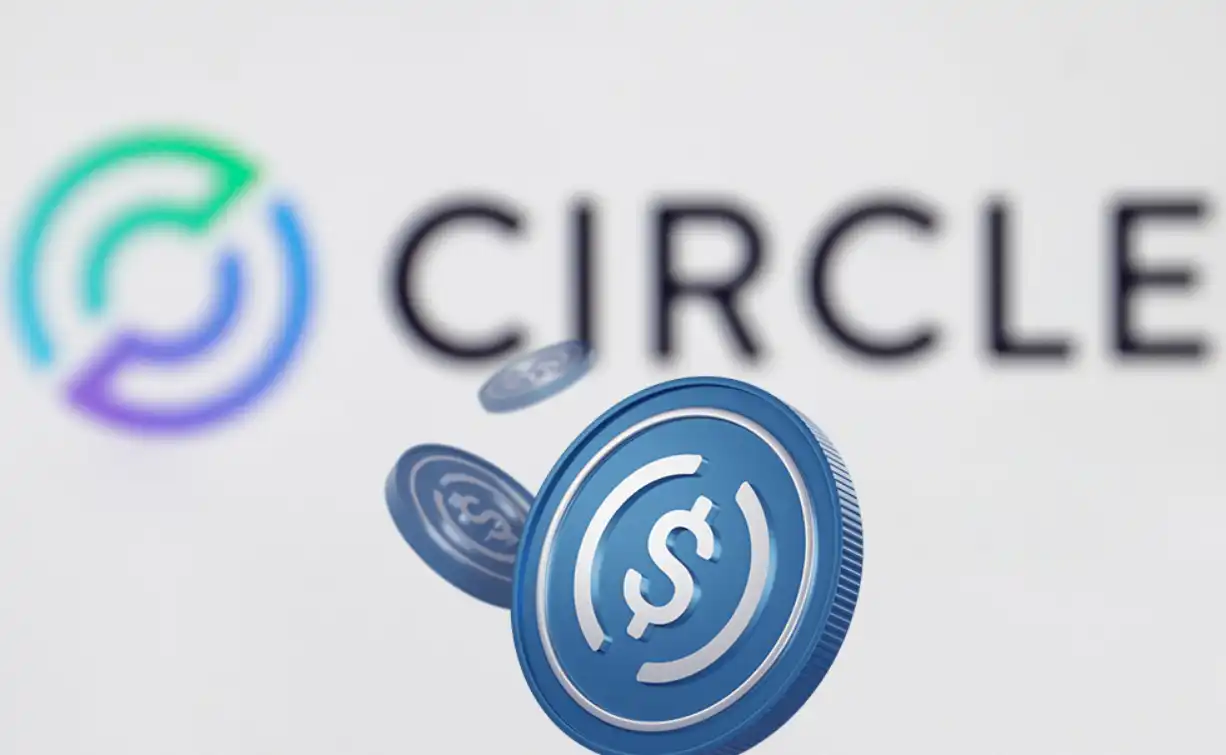
After $1.26 Trillion: Why Are Circle and Stripe Rushing to Pay 'Wages' to AI Agents?

The article discusses the significant rise of stablecoins, particularly USDC, as the preferred payment method for AI agents. In March 2026, Circle and Stripe are competing to build stablecoin infrastructure for AI agent payments, with USDC processing $1.26 trillion in transactions, accounting for 70% of stablecoin activity. Key points include: - AI agents require programmable, instant, low-friction payment systems, which traditional finance (banks, credit cards) cannot provide. Stablecoins on blockchain meet these needs with 24/7 transfers, smart contract automation, and price stability. - Data shows 98.6% of AI agent payments on platforms like Stripe's x402 use USDC, indicating stablecoins are becoming the default for machine-to-machine transactions. - Regulatory developments are supporting this growth: Hong Kong is issuing its first stablecoin licenses, the US OCC has proposed a federal framework, and the EU has MiCA regulations, signaling global institutional adoption. - Stablecoins act as a "blood system" connecting the digital and real economies, facilitating both internal digital transactions (e.g., tokenized assets) and external fiat conversions. - Risks include security vulnerabilities, regulatory fragmentation, and market instability, but the trend is clear: stablecoins are evolving from crypto tools to essential infrastructure for AI-driven economies. The article concludes that as AI agents autonomously transact, stablecoins will be critical infrastructure, urging businesses and investors to prepare for this shift.

marsbit03/14 00:41

After $1.26 Trillion: Why Are Circle and Stripe Rushing to Pay 'Wages' to AI Agents?

marsbit03/14 00:41

From 'Collective Intelligence' to 'Super Individuals': How AI is Reshaping DAOs and the Ethereum Ecosystem?

From "Collective Intelligence" to "Super-Individual": How AI is Reshaping DAOs and the Ethereum Ecosystem AI is fundamentally transforming how work and governance are structured in Web3. While DAOs have long symbolized decentralized collective intelligence, AI is now enabling a shift toward the "individual + AI" unit, where a single person, augmented by AI agents, can perform tasks that previously required entire teams—such as research, trading, asset management, and governance. This shift raises a critical question: Is this beneficial for DAOs and the broader crypto ecosystem? AI addresses key DAO challenges like inefficient information processing, complex decision-making, and high participation costs by automating governance processes, analyzing proposals, and executing on-chain operations. This allows DAOs to operate with smaller core teams while significantly improving efficiency. For AI to participate in the on-chain economy, it requires asset custody, transaction execution, and trusted settlement—capabilities native to blockchain. Initiatives like Ethereum Foundation’s dAI team and the ERC-8004 standard aim to establish trust and verification for AI agents in a decentralized context. Wallets are evolving into "Agent Wallets," enabling non-custodial authorizations, cross-chain asset management, and human-AI collaboration through restricted sub-wallets and automated execution within set limits. Ethereum is positioning itself as the financial infrastructure for the AI economy, offering a trusted settlement layer for AI-driven activities. With its growing staking economy and mature DeFi ecosystem, Ethereum could serve as the neutral base where AI agents across platforms settle value and establish trust. In summary, AI and crypto convergence is reshaping organizations and infrastructure: AI amplifies individual capability and automates execution, while blockchain provides secure and decentralized settlement. Ethereum and crypto wallets are poised to become key interfaces connecting humans, AI, and the on-chain world.

marsbit03/14 00:10

From 'Collective Intelligence' to 'Super Individuals': How AI is Reshaping DAOs and the Ethereum Ecosystem?

marsbit03/14 00:10

活动图片