Reasons Behind Stablecoins Losing Their Peg

u.todayPublicado em 2022-12-15Última atualização em 2022-12-15

Resumo

This year has been one of the toughest for the cryptocurrency market.

Contents

  • Why does this happen?
  • Mismanagement also contributes to stablecoin's downfall

This year has been one of the toughest for the cryptocurrency market. The bears managed to hit even the stablecoins that could not maintain their peg with the U.S. dollar.
USTC, formerly Terraform Labs' stablecoin, for example, lost its peg with the U.S. currency in May, putting heavy downward pressure on other blockchain assets.
Another algorithmic stablecoin that has been struggling to stay paired with the dollar is USDD, Tron's stablecoin. On June 19, 2022, the altcoin fell to $0.93, and since Nov. 27, it has failed to return to trading at $1.
Moreover, it is not just algorithmic stablecoins that are being negatively impacted this year. USDT, citing an analogous case, despite being the main stablecoin asset on the crypto market, has also had its down days in 2022, moving away from the $1 mark at times.
The trajectory of the giants USDC and BUSD has been no different. Even at the time of writing, Circle's stablecoin is trading at $0.99.
Why does this happen?
First, it is necessary to analyze the decline of algorithmic stablecoins. They are the most troublemakers on the crypto market. These stablecoins do not use an asset as collateral to maintain their parity with the dollar.
In this sense, they are controlled by algorithms. They are designed to expand or contract their total circulating supply, while maintaining their stability, according to market conditions.
The big problem is that sometimes the algorithm is faulty or misconfigured. This causes conditions other than what was planned to take away a stablecoin's parity with the dollar.
In the case of USTC, for example, the Terraform Labs ecosystem had flaws that allowed the exploitation of arbitrage opportunities due to the low liquidity of Curve (CRV) that underpinned the stablecoin's parity.
Also, in May, the DeFi Anchor project, a protocol that allowed users to deposit USTC to earn rewards, reduced its yield from 20% to just 4%. This took many investors by surprise, and they decided to take UST out of Anchor and sell it on the market.
As a result, in a brief time, USTC lost its peg, fell to pennies on the dollar, and took the economy of many people who believe in the stablecoin to zero.
Mismanagement also contributes to stablecoin's downfall
You read that right. Stablecoins like Dai, USDT, USDC and BUSD need to be professionally managed so that they do not lose their peg with the dollar.
Dai, MakerDAO's stablecoin, for example, has a particularly good proposition of being decentralized and having its parity guaranteed with cryptocurrencies.
However, in times of market crisis, with the price of cryptos falling, if Dai does not have a good reserve, it might lose its peg with the dollar. That is happening at the time of writing.
Centralized stablecoins, on the other hand, such as USDC and USDT, should have a calculated reserve, for times in which the crypto market may experience distrust and including stablecoins in uncertain market moments.
During the collapse of the Terra ecosystem and FTX, two major crypto scandals of 2022, USDT failed to hold steady, and the sale of the stablecoin on the market caused it to lose its parity with the dollar.
In theory, this should not happen at all, as stablecoins arose precisely to bring security in times of panic and no more fear to investors.
However, in practice, it is possible to observe that everything is completely different, and stable assets are only less volatile than Bitcoin (BTC) and do not fulfill their value proposition.

Criptomoedas em alta

Leituras Relacionadas

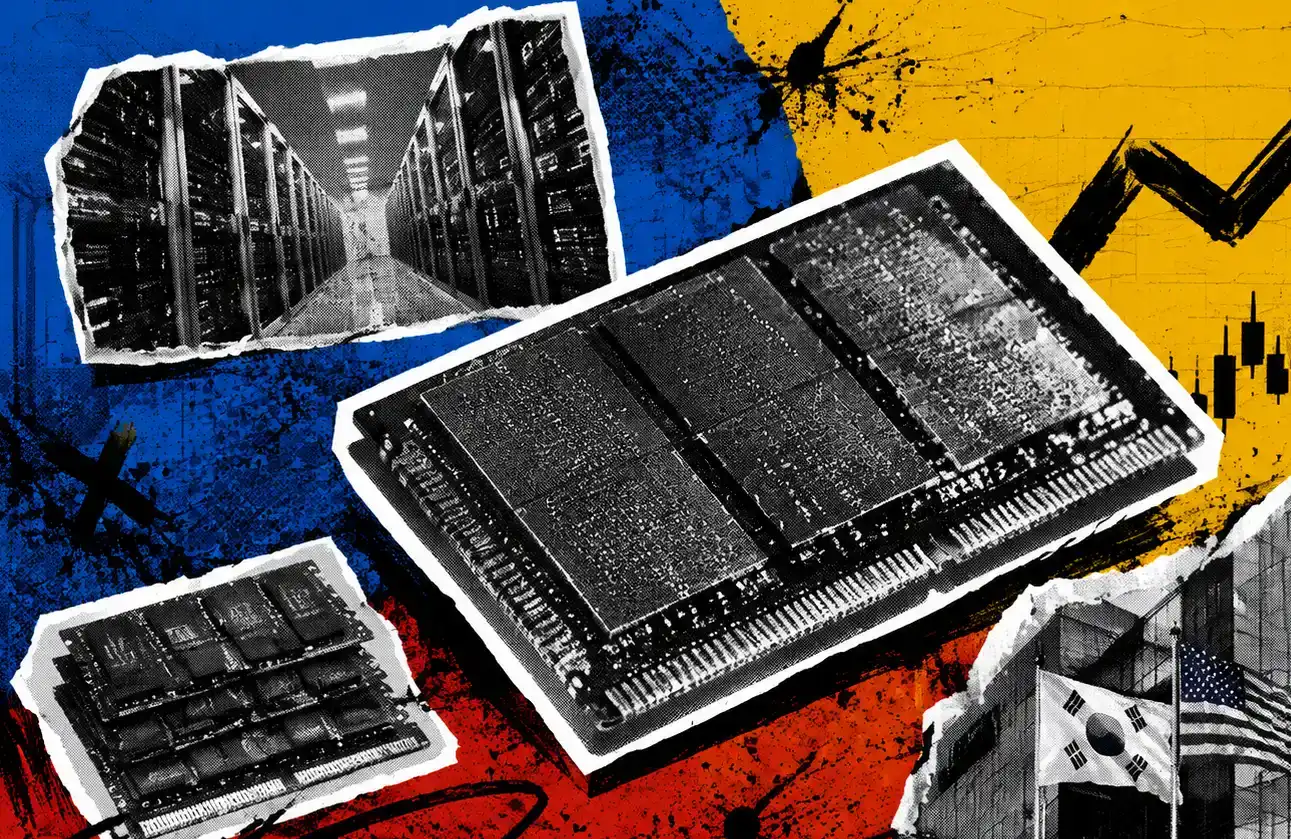
Semiconductor Stock Rebound: Is the Technical Correction Over or a Trend Reversal?

The core of recent semiconductor stock volatility is not about daily price swings, but rather the market questioning whether AI-driven semiconductor pricing has entered a new phase. Following a sharp sell-off in Korean stocks on June 23rd, led by Samsung and SK Hynix, a subsequent rebound is seen more as a technical positioning adjustment rather than a confirmed trend reversal. The key variable is HBM (High Bandwidth Memory), essential for AI chips. Its supply-demand imbalance granted memory makers significant pricing power. The current market focus is on whether this dynamic remains strong enough to justify elevated valuations. All eyes are on Micron's upcoming earnings report. The critical factor is not whether results meet already high expectations, but whether the company's guidance confirms that AI memory pricing power, order visibility, and future margins are still expanding. Micron's outlook will serve as a crucial test for the broader AI semiconductor chain, including Samsung, SK Hynix, and other infrastructure players. The recent bounce appears to be a pre-earnings positioning repair. For it to evolve into a sustained uptrend, concrete evidence is needed that the AI infrastructure expansion cycle's fundamentals—particularly for high-end memory—remain robust and can continue to surpass elevated market expectations. The risk is that strong demand alone may not be sufficient if future guidance hints at peaking momentum or increasing supply-side pressures.

marsbitHá 3m

Semiconductor Stock Rebound: Is the Technical Correction Over or a Trend Reversal?

marsbitHá 3m

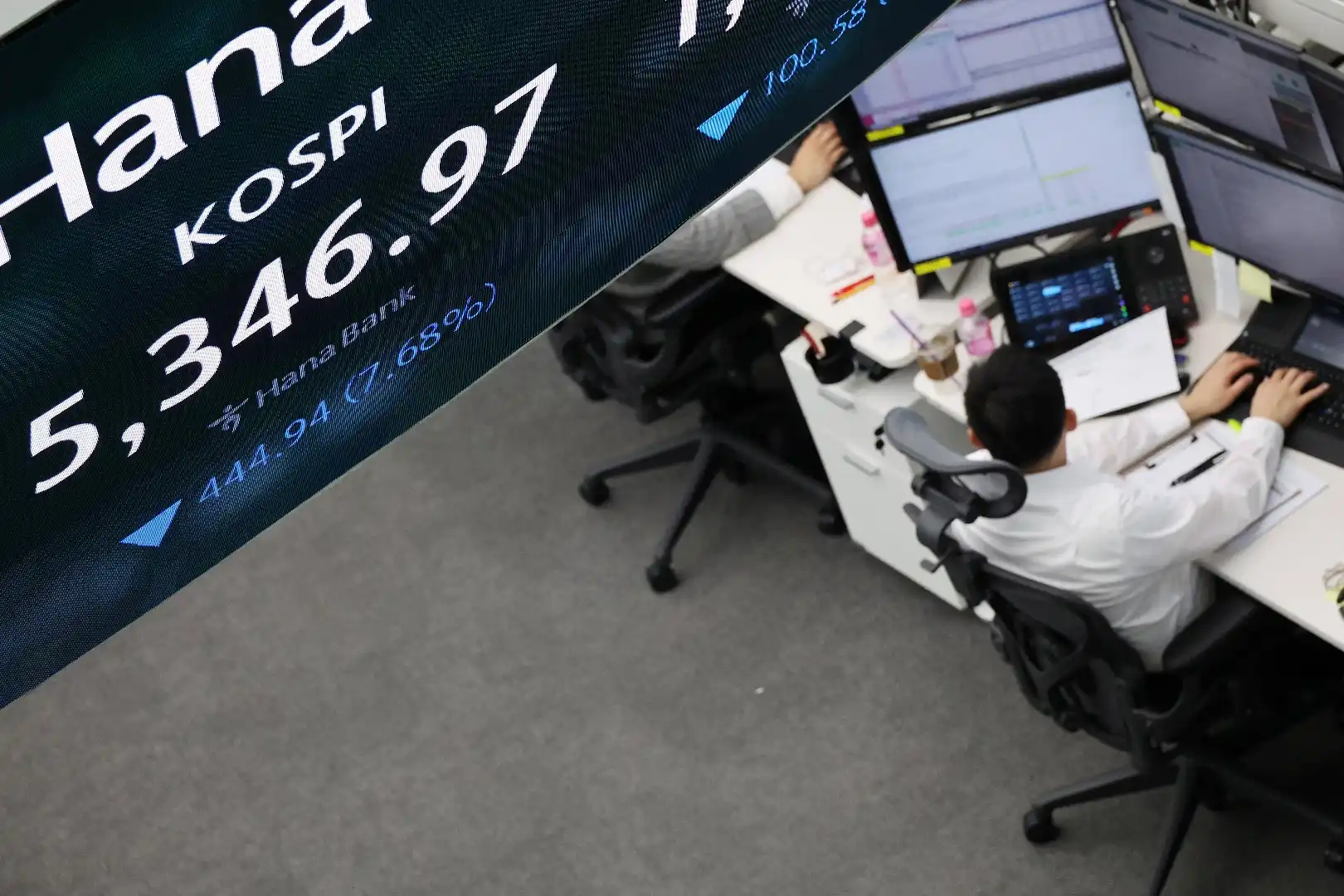
Global Tech Stocks Plunge: Another Stress Test for the AI Bull Market

Global tech stocks plummeted in a sharp selloff on June 23, with South Korea's KOSPI index crashing nearly 10%, triggering a trading halt. The plunge was led by semiconductor giants Samsung and SK Hynix, dragging down major Asian and US tech indexes and levered ETFs. The immediate trigger was a confluence of three signals within 24 hours: 1) reports that SK Hynix was slowing HBM4 expansion, raising doubts about a key AI chip bottleneck; 2) profit-taking ahead of Micron's earnings report after its massive year-to-date rally; and 3) a warning from Korean regulators about the risks of single-stock leveraged ETFs. The selloff's severity was amplified by Korea's uniquely leveraged market structure: record-high retail margin debt, over $30 billion in volatile single-stock leveraged ETFs requiring daily rebalancing (which creates selling pressure during declines), and the surprising shift of the National Pension Service from a net buyer to a net seller. The event reignited debates about an AI bubble. Analysts differed on timing—some warned of imminent rupture, others saw a temporary liquidity-driven correction—but agreed that sky-high valuations, a shift to retail/leveraged buying, and rising rates created a fragile setup. The parallel steep drop in SpaceX's stock, alongside its massive debt raise for AI infrastructure, underscored a broader market shift from narrative-driven "infinite imagination" to a "return on investment" calculation phase. All eyes are now on Micron's upcoming earnings report, seen as a key test for the AI hardware trade's fundamental logic. A strong report could stabilize markets, while a miss could validate deeper fears. The episode serves as a stark warning: when a bull run becomes dependent on leveraged bets on a single narrative, a violent and rapid correction should not be a surprise. The core question for investors is how much drawdown they are willing to tolerate to stay invested.

marsbitHá 5m

Global Tech Stocks Plunge: Another Stress Test for the AI Bull Market

marsbitHá 5m

Ethereum Foundation Cuts 20% of Staff, 54 Depart: The Survival Logic Behind the Restructuring

The Ethereum Foundation (EF) has announced a major restructuring, resulting in the departure of 54 staff members, representing approximately 20% of its workforce. This reorganization is not merely a cost-cutting measure but a strategic refocusing. The EF will now concentrate its resources on what it deems critical and unique tasks, structured around five new operational clusters. The new structure comprises clusters dedicated to: the Protocol Layer (ensuring Ethereum's core properties like censorship resistance and security); the Access Layer (enabling trusted, non-intermediated user interactions); the User Layer (grounding decisions in real user needs and constraints); the Community Layer (representing EF's stance and building alliances); and the Institutional Layer (engaging with enterprises, governments, and academia to promote principled adoption). The foundation stated that the layoffs were a difficult but necessary step to align its organization and spending with its long-term mandate, insulating its core work from short-term market fluctuations. Affected employees were offered a severance package and transition support. The restructured EF emerges as a leaner and more focused organization, poised to prioritize the development and preservation of Ethereum's foundational promise of self-sovereignty. Further details on the new operational model are expected in the coming weeks.

marsbitHá 8m

Ethereum Foundation Cuts 20% of Staff, 54 Depart: The Survival Logic Behind the Restructuring

marsbitHá 8m

Talking About Returns But Not Collection? Goldfinch's Liquidation Sounds the Alarm for RWA Credit

Goldfinch, a crypto lending platform connecting investors with real-world borrowers, has proposed a full wind-down via governance proposal GIP-87. The plan would halt all new development, shut down its flagship Goldfinch Prime product, and allocate 150,000 USDC to manage the collection of outstanding loans. While the proposal is under community vote, it highlights a critical shift for the RWA (Real World Asset) lending sector: the transition from a growth phase focused on yields to a difficult recovery phase focused on collections. The proposal reveals that while the protocol's on-chain TVL is low, it still holds tens of millions in active, non-performing loans off-chain. This gap underscores that tokenizing debt makes tracking exposure transparent but does not simplify the offline, labor-intensive, and legally complex process of loan recovery. The case of the Lend East pool, where only an estimated 42% of a $10.15 million loan may be recovered, exemplifies the potential for significant investor losses. The wind-down plan forces token holders to govern not expansion but the maintenance of a debt collection system, including funding legal trust structures and preserving user access for repayments. This move starkly contrasts with the sector's typical narrative of rapid, AI-powered underwriting and high yields, exposing the often-overlooked necessity for robust borrower vetting, standardized disclosure, and sustainable collection mechanisms. Ultimately, Goldfinch's situation serves as a crucial stress test for the entire RWA lending space. It demonstrates that a platform's true resilience is tested not during capital deployment but during the protracted, costly, and uncertain process of recovering defaulted loans from real-world borrowers, a challenge blockchain transparency alone cannot solve.

Foresight NewsHá 13m

Talking About Returns But Not Collection? Goldfinch's Liquidation Sounds the Alarm for RWA Credit

Foresight NewsHá 13m

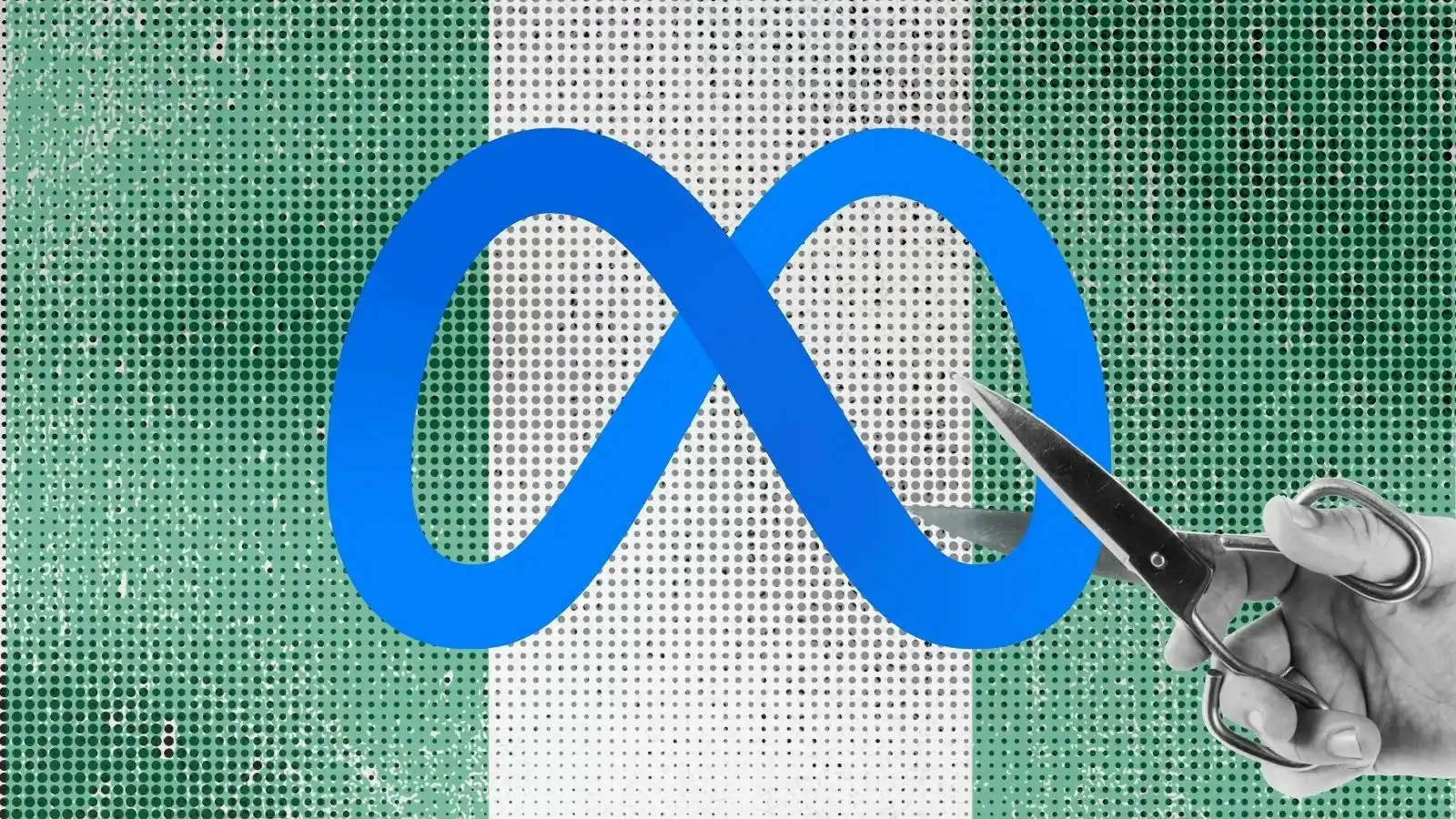
Meta Launches Prediction Market, Code-Named "Arena": Not Using Real Money, 3.56 Billion Daily Active Users Are Its Biggest Bargaining Chip

Meta, under the codename "Arena," is developing a standalone prediction market application, according to a June 23 report by The New York Times. Initially, the app will operate on a points-based system rather than real-money betting, though future integration of financial transactions is not ruled out. Meta plans to leverage its vast ecosystem of apps, boasting 3.56 billion daily active users, to distribute the product. The strategy aims to lower user acquisition costs and navigate regulatory complexities associated with real-money prediction markets, which are overseen by bodies like the CFTC. News of Meta's entry caused stock dips for established players like DraftKings and Robinhood, reflecting market concerns over Meta's potential to disrupt incumbents like Polymarket and Kalshi with its massive scale. The prediction market sector has seen explosive growth, with monthly trading volume on major platforms surging to approximately $24 billion as of April 2026. This marks Meta's second foray into the space, having launched and later shut down a similar virtual-points app called Forecast in 2020. While Arena poses a competitive threat to crypto-based platforms like Polymarket, its mainstream reach could also significantly expand the overall user base and awareness for prediction markets. The project remains in development with no public launch timeline, but its announcement has already impacted market sentiment.

marsbitHá 18m

Meta Launches Prediction Market, Code-Named "Arena": Not Using Real Money, 3.56 Billion Daily Active Users Are Its Biggest Bargaining Chip

marsbitHá 18m

Trading

Spot
Futuros

Artigos em Destaque

Como comprar CRV

Bem-vindo à HTX.com!Tornámos a compra de Curve DAO Token (CRV) simples e conveniente.Segue o nosso guia passo a passo para iniciar a tua jornada no mundo das criptos.Passo 1: cria a tua conta HTXUtiliza o teu e-mail ou número de telefone para te inscreveres numa conta gratuita na HTX.Desfruta de um processo de inscrição sem complicações e desbloqueia todas as funcionalidades.Obter a minha contaPasso 2: vai para Comprar Cripto e escolhe o teu método de pagamentoCartão de crédito/débito: usa o teu visa ou mastercard para comprar Curve DAO Token (CRV) instantaneamente.Saldo: usa os fundos da tua conta HTX para transacionar sem problemas.Terceiros: adicionamos métodos de pagamento populares, como Google Pay e Apple Pay, para aumentar a conveniência.P2P: transaciona diretamente com outros utilizadores na HTX.Mercado de balcão (OTC): oferecemos serviços personalizados e taxas de câmbio competitivas para os traders.Passo 3: armazena teu Curve DAO Token (CRV)Depois de comprar o teu Curve DAO Token (CRV), armazena-o na tua conta HTX.Alternativamente, podes enviá-lo para outro lugar através de transferência blockchain ou usá-lo para transacionar outras criptomoedas.Passo 4: transaciona Curve DAO Token (CRV)Transaciona facilmente Curve DAO Token (CRV) no mercado à vista da HTX.Acede simplesmente à tua conta, seleciona o teu par de trading, executa as tuas transações e monitoriza em tempo real.Oferecemos uma experiência de fácil utilização tanto para principiantes como para traders experientes.

469 Visualizações TotaisPublicado em {updateTime}Atualizado em 2026.06.02

Como comprar CRV

Discussões

Bem-vindo à Comunidade HTX. Aqui, pode manter-se informado sobre os mais recentes desenvolvimentos da plataforma e obter acesso a análises profissionais de mercado. As opiniões dos utilizadores sobre o preço de CRV (CRV) são apresentadas abaixo.

活动图片