Original | Odaily Planet Daily (@OdailyChina)
Author | Asher (@Asher_ 0210)

PiP World: Web3 Gamified Trading Learning Platform
Project Introduction
PiP World is a Web3 gamified trading learning platform, creating a "hedge fund in your pocket," allowing every user to create, train, and deploy their own smart trading agents. Users can build, train, and backtest trading strategies in a simulated environment, then let the agents participate in competitions, and even deploy them to real markets to earn rewards, learning finance while having fun.
According to ROOTDATA, PiP World completed a $10 million seed round on October 10, 2024, with participation from Exinity.
On November 10, PiP World announced the start of Season 0 activities on X platform.
Interaction Tutorial
STEP 1. Enter the interaction website (Link: https://mm.pip.world/), and register for a platform account via a social media account.
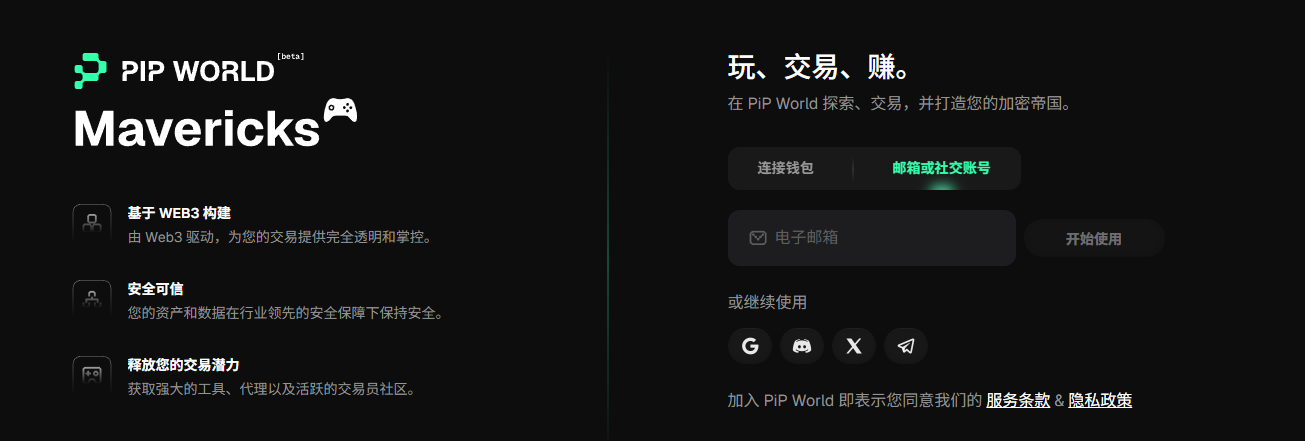
STEP 2. After successful registration, click "Activate My Funds" to receive $100,000 in simulated funds.

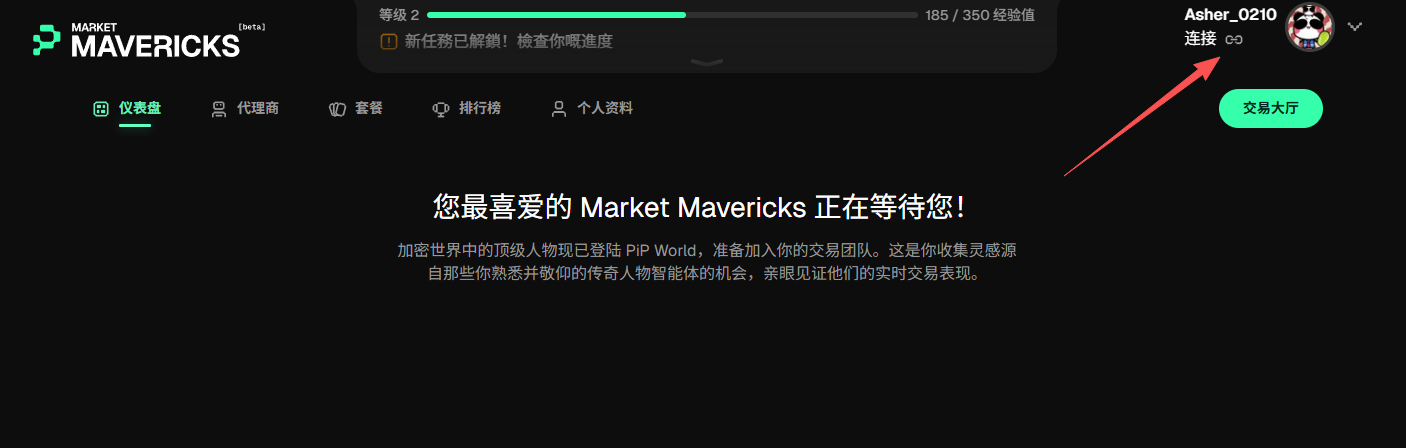
STEP 3. Click the avatar in the upper right corner to complete Web3 wallet binding.
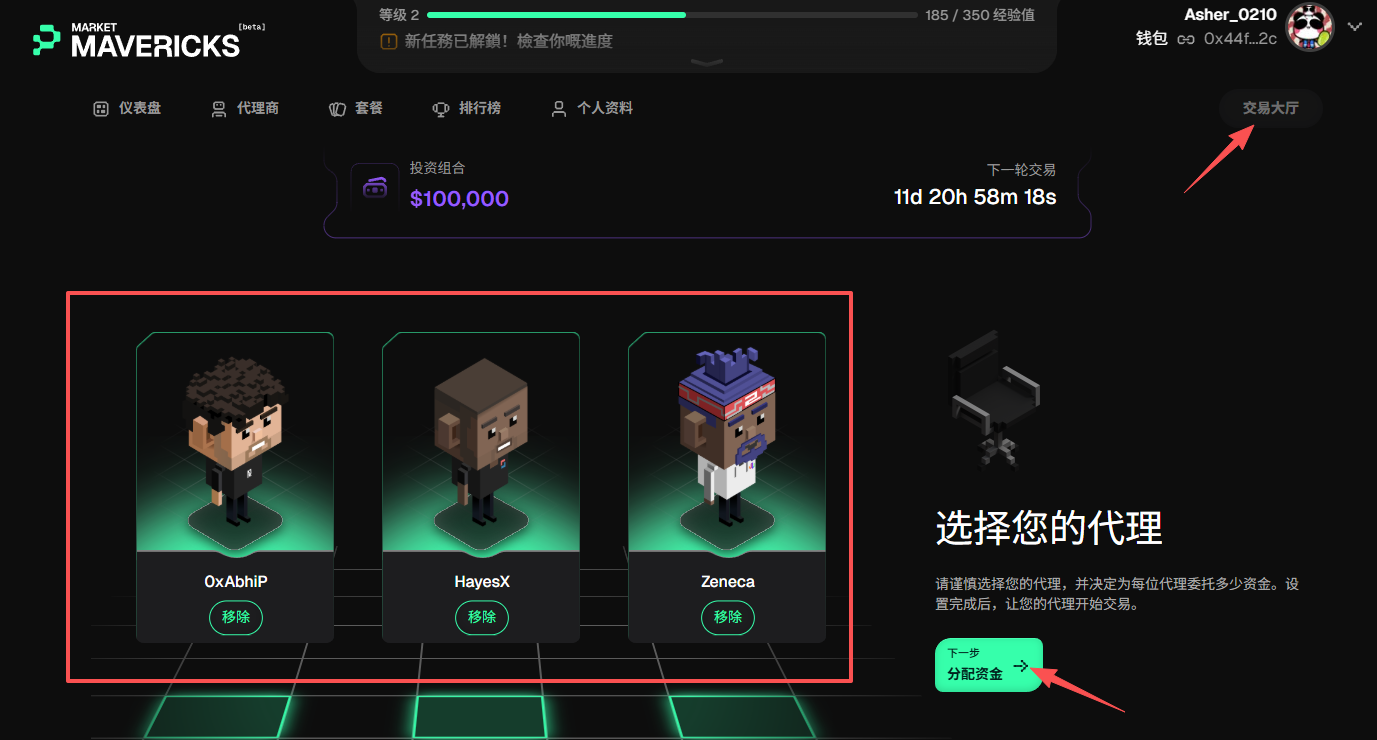
STEP 4. Click "Trading Hall," select three "Trading Agents" as prompted, and then click "Allocate Funds."
STEP 4. After allocating funds, click "Confirm."
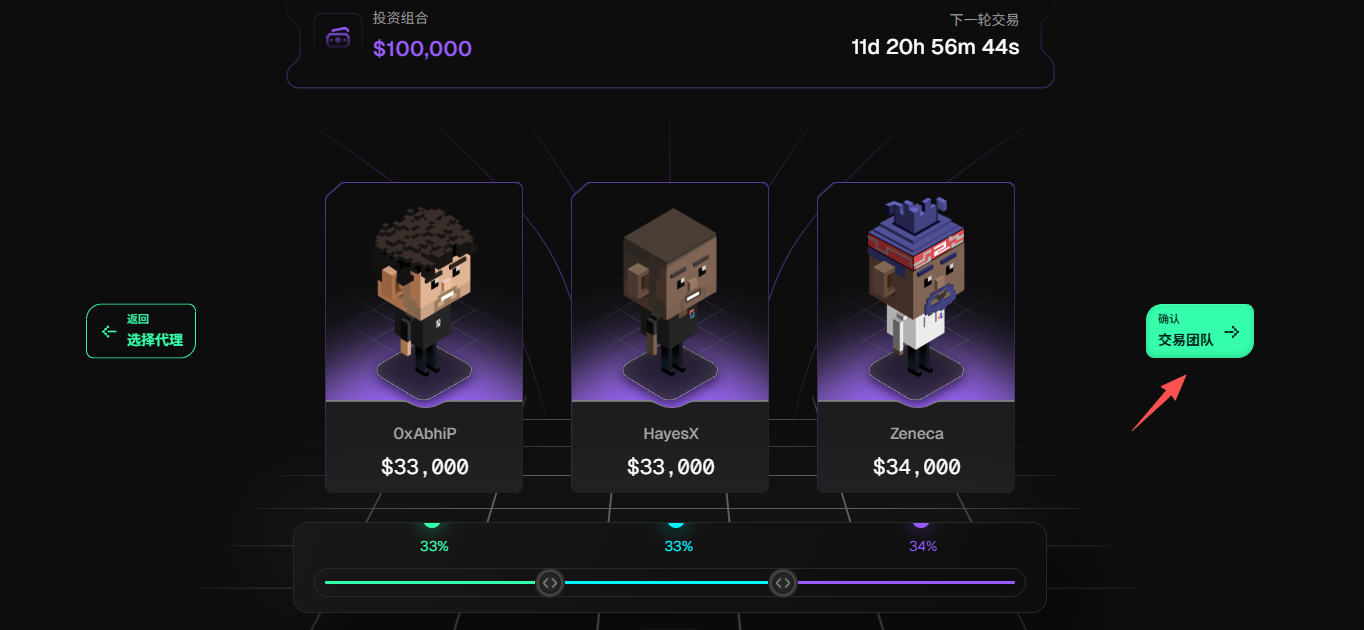
STEP 5. Click "Profile," scroll down the page to view badge unlocking status, which includes tasks such as consecutive check-ins and product experience.

ETHGas: A DeFi Project Born to Solve Ethereum's High Gas Fees and Network Congestion
Project Introduction
ETHGas is committed to building real-time Ethereum infrastructure. By partnering with top-tier protocols, it markets block space (Blockspace), achieving the vision of "Instant Ethereum, Invisible Gas" with just 3-millisecond pre-confirmation technology. The starting point of ETHGas is to solve the pain point of high Gas fees on the mainnet. By cooperating with protocols, it partially or fully refunds Gas fees to users, significantly reducing Gas fees or even achieving "Gas-free" effects when users use the protocols.
According to ROOTDATA, ETHGas completed a $12 million seed round on December 17 this year, led by Polychain Capital, with participation from Stake Capital, BlueYard Capital, Lafayette Macro Advisors, SIG DT, and Amber Group. The project previously completed an undisclosed ~$5 million Pre-Seed round around mid-2024.
Interaction Tutorial
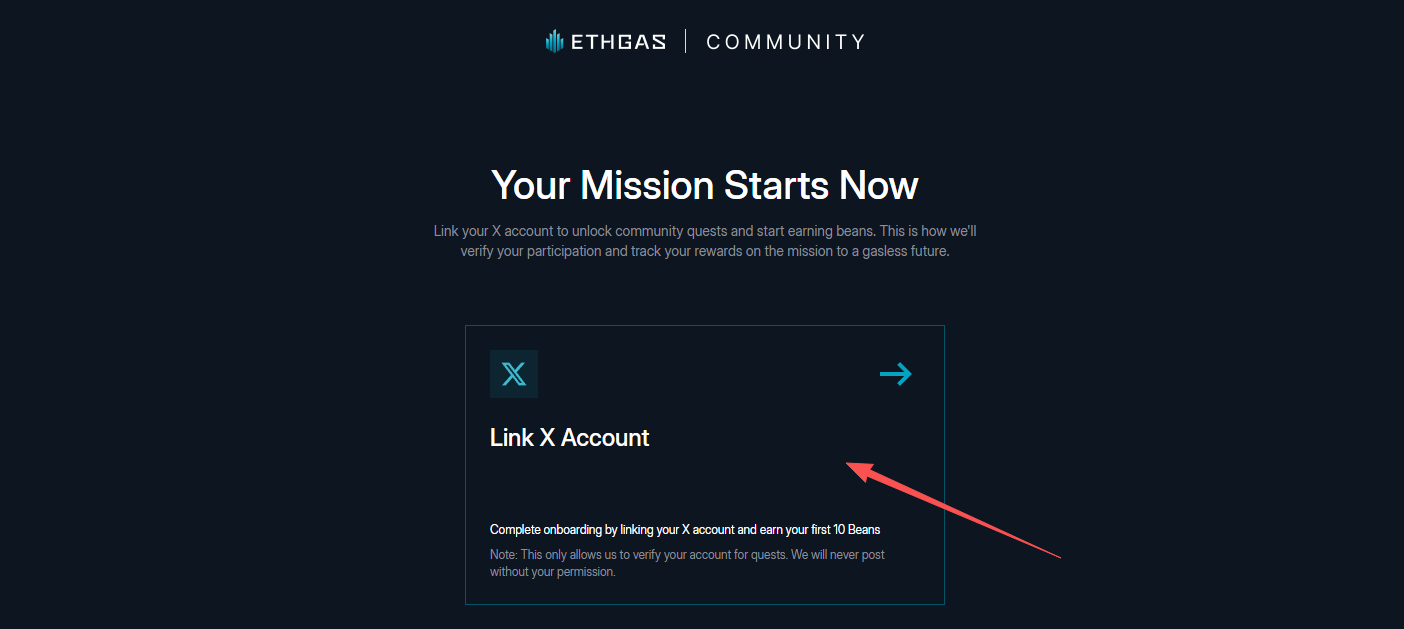
STEP 1. Enter the interaction website (Link: https://www.ethgas.com/community/onboarding/), and bind your personal X account.
STEP 2. After entering the main page, click the avatar in the upper right corner to bind your personal Web3 wallet.
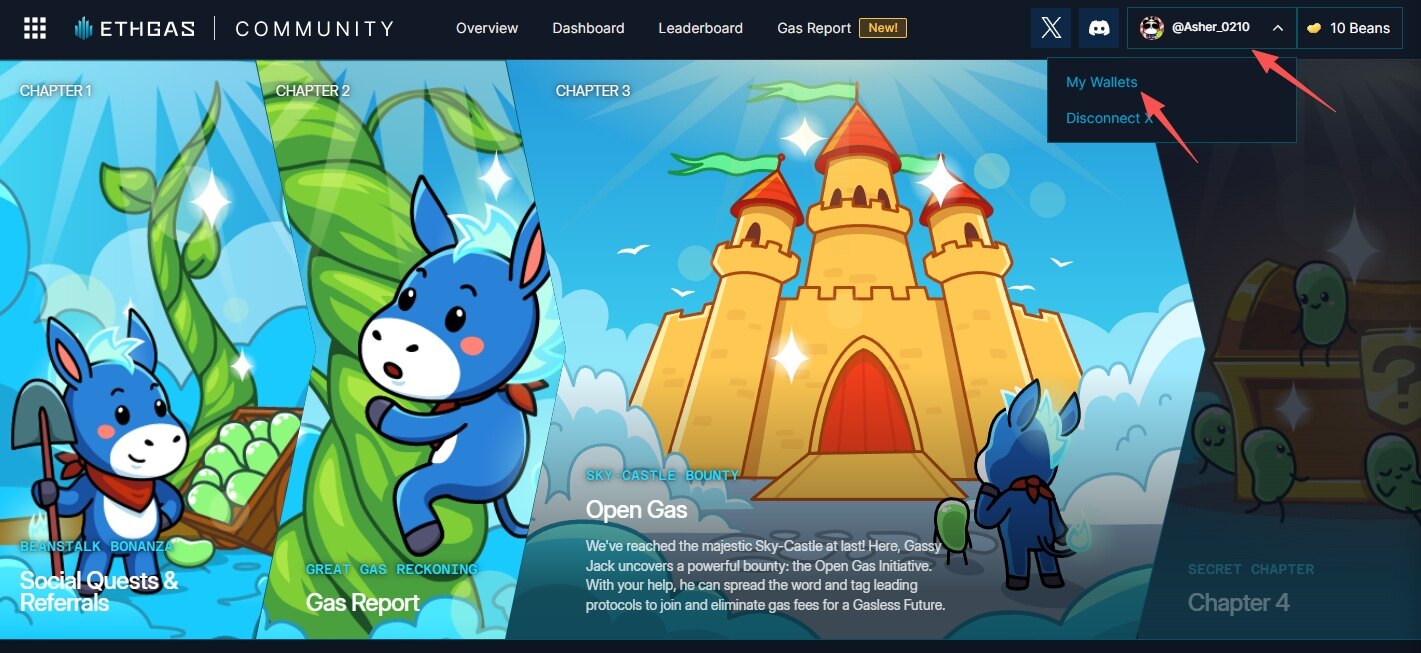
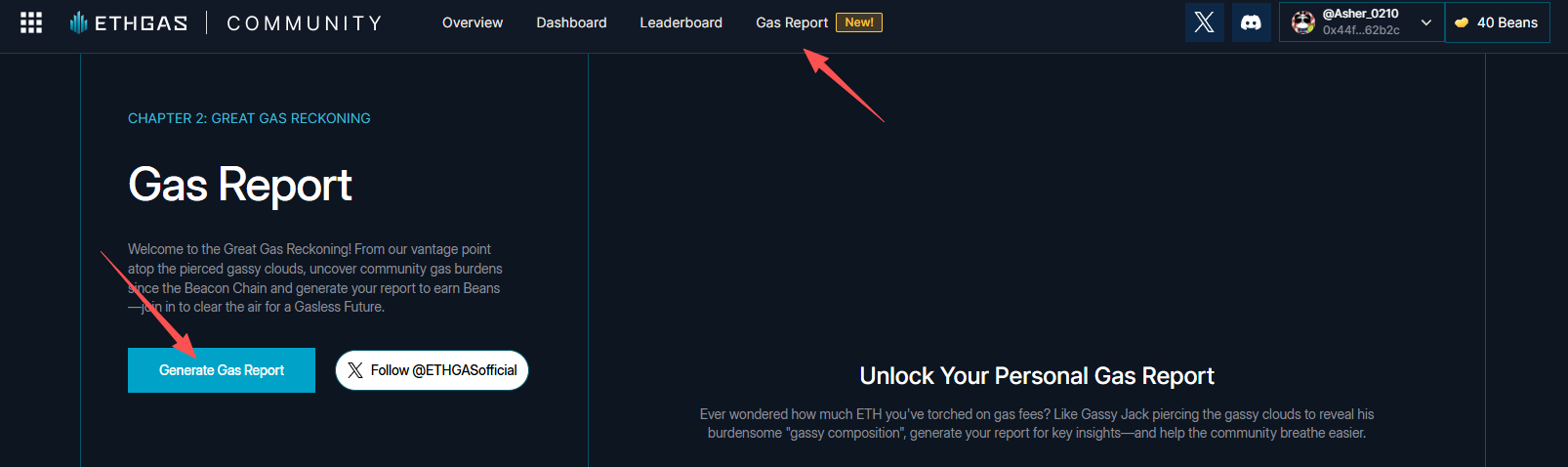
STEP 3. Enter the "Gas Report" section, follow the official Twitter, and select "Generate Gas Report" to generate your personal Gas report.
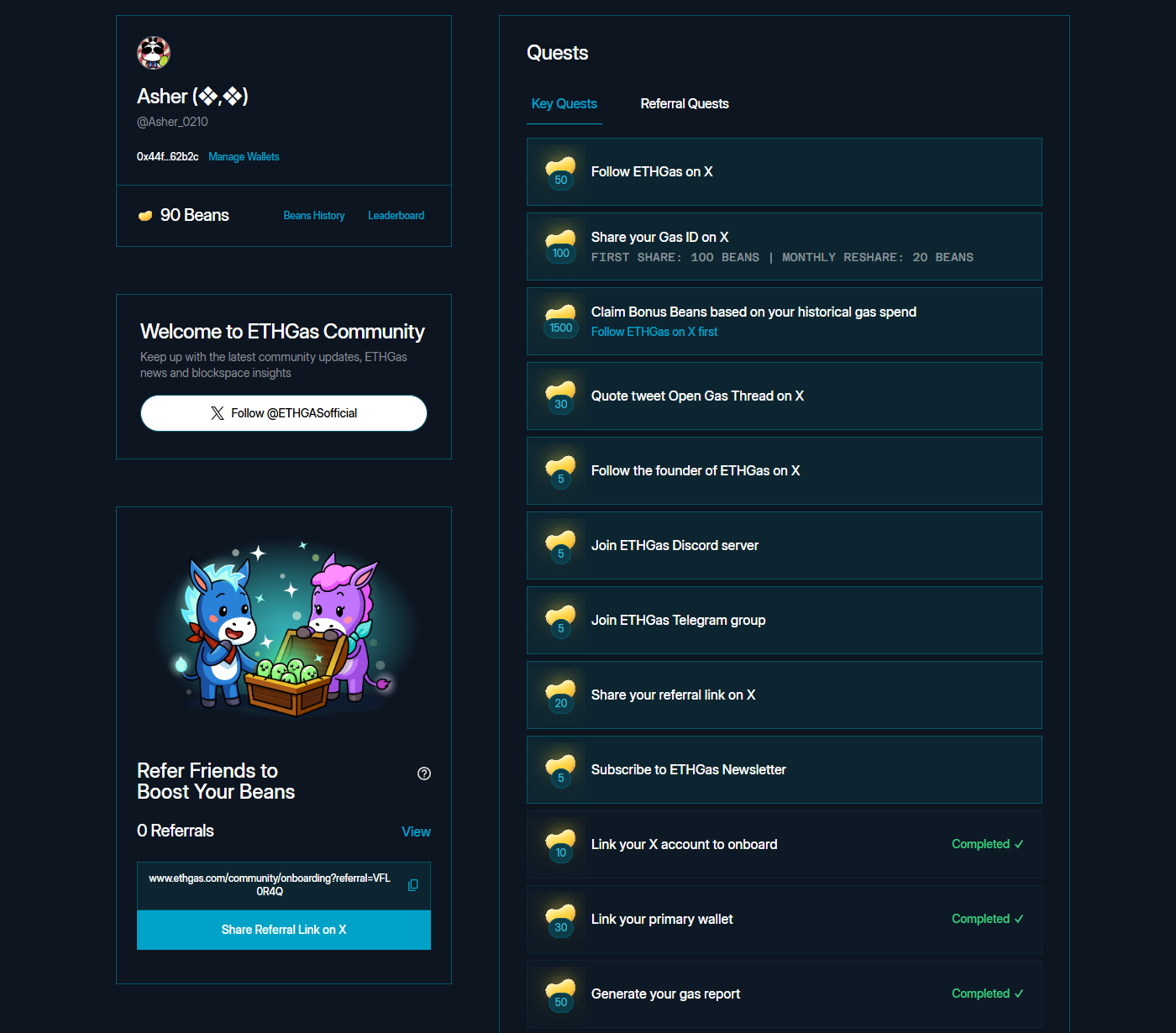
STEP 4. Return to the main page to view social tasks and invitation tasks; complete tasks to earn corresponding points rewards.
Mocaverse: The Metaverse Product Under Animoca Brands
Project Introduction

Mocaverse is a metaverse product under Animoca Brands, building Web3-native tools to empower products in gaming, culture, and entertainment verticals. It allows users to create their own digital identities, accumulate reputation, earn and spend loyalty points, and use their digital identities to access the Mocaverse ecosystem supported by Animoca Brands' network of over 450 portfolio companies and partners.
On December 9, Mocaverse announced on X platform the launch of MocaProof Beta. MocaProof is a gamified digital identity verification and rewards platform that leverages blockchain technology to simplify and advance the progress of privacy protection and sovereignty over personal data. Its core is privacy-preserving credit verification; users do not need to reveal any raw data or identifiable private information when completing verification.
Interaction Tutorial
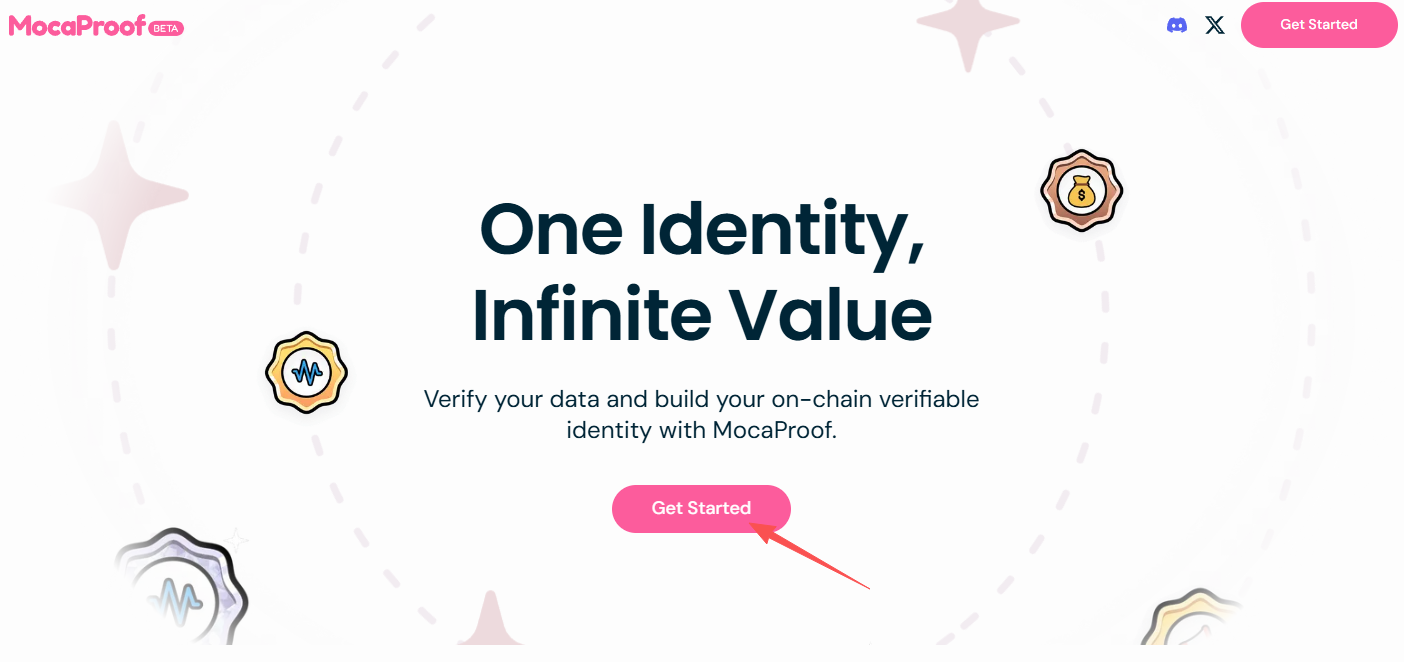
STEP 1. Enter the official interaction website (Link: https://app.moca.network/), click "Get Started," and register an account using a Google email.
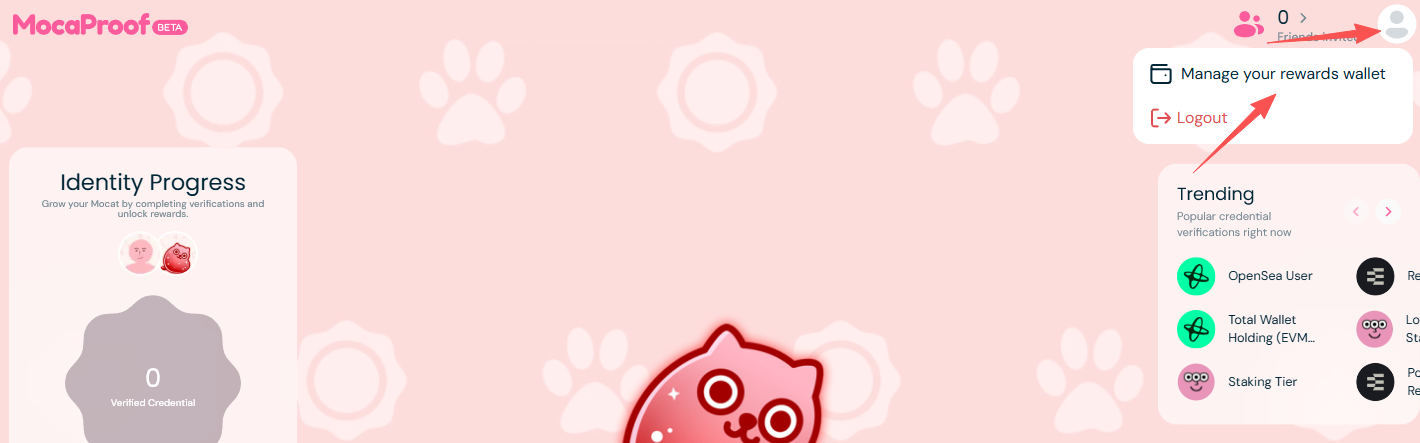
STEP 2. Click the personal avatar in the upper right corner to add an EVM address for receiving rewards.
STEP 3. Click "Start Verification" to begin verification tasks. Currently available tasks include: assets and staking related, Blue Chip NFT holdings, Opensea active users, addresses labeled by Nansen, Ethos and Cookie3 related activity addresses, etc.
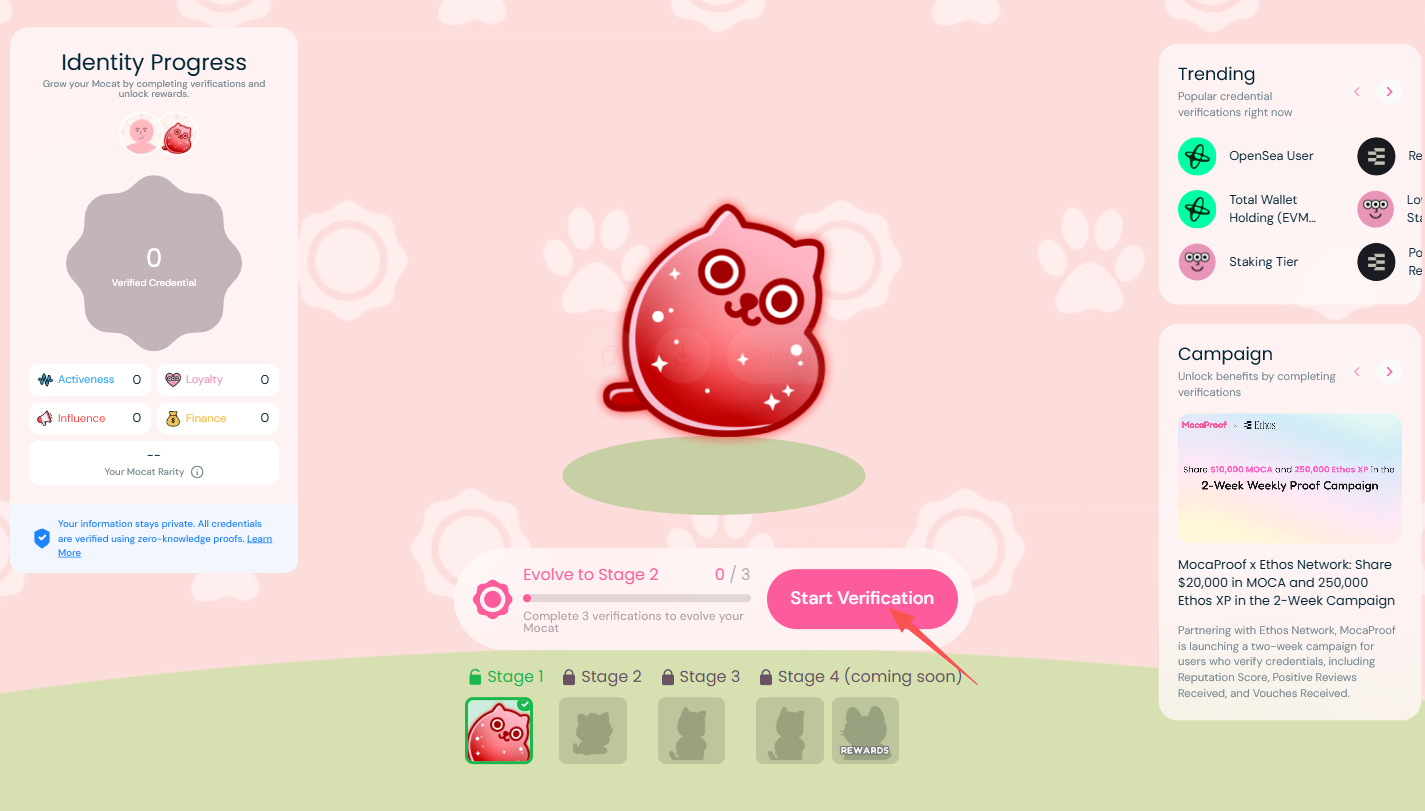
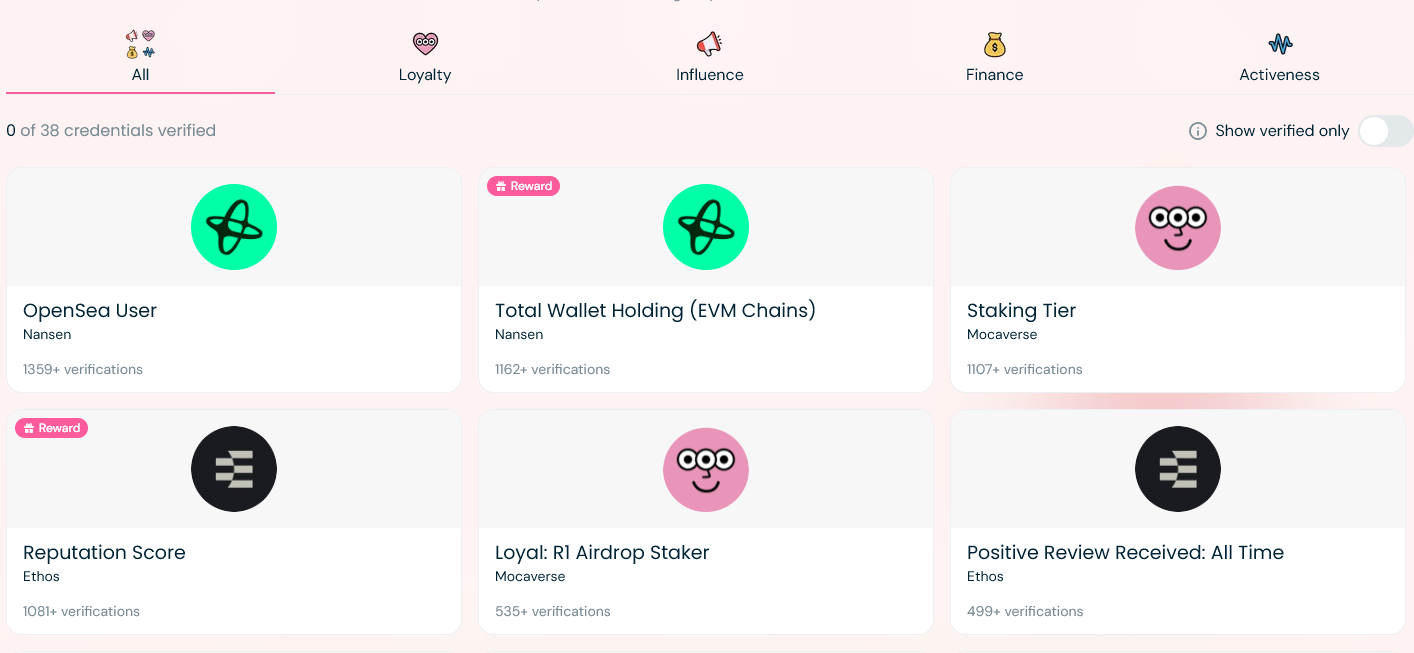
Each user will have a pet called Mocat. The more types and quantities of verifications passed, the more points earned, the higher the level of Mocat, and potentially unlocking of more rewards.
Criptomoedas em alta












Perguntas relacionadas
QWhat is PiP World and what is its main purpose?
APiP World is a Web3 gamified trading learning platform that aims to be a 'hedge fund in your pocket.' It allows users to create, train, and deploy their own smart trading agents in a simulated environment to build, test, and compete with trading strategies, and even deploy them in real markets to earn rewards.
QHow much funding did PiP World raise in its seed round and who participated?
APiP World raised $10 million in a seed funding round on October 10, 2024, with participation from Exinity.
QWhat problem does ETHGas aim to solve in the Ethereum ecosystem?
AETHGas aims to solve the problem of high Gas fees and network congestion on Ethereum by building real-time infrastructure that markets block space. It collaborates with top protocols to partially or fully refund Gas fees to users, achieving an 'instant Ethereum, invisible Gas' vision.
QWho led the $12 million seed round for ETHGas and when was it announced?
AThe $12 million seed round for ETHGas was led by Polychain Capital and announced on December 17, 2024. Other participants included Stake Capital, BlueYard Capital, Lafayette Macro Advisors, SIG DT, and Amber Group.
QWhat is Mocaverse and what new feature did it recently launch in beta?
AMocaverse is a metaverse product under Animoca Brands, focused on building Web3-native tools for gaming, culture, and entertainment. It recently launched MocaProof Beta, a gamified digital identity verification and rewards platform that uses blockchain for privacy-preserving credential verification without revealing users' original data.
Leituras Relacionadas





Trading
Artigos em Destaque
Como comprar HOT
Bem-vindo à HTX.com!Tornámos a compra de Holo (HOT) simples e conveniente.Segue o nosso guia passo a passo para iniciar a tua jornada no mundo das criptos.Passo 1: cria a tua conta HTXUtiliza o teu e-mail ou número de telefone para te inscreveres numa conta gratuita na HTX.Desfruta de um processo de inscrição sem complicações e desbloqueia todas as funcionalidades.Obter a minha contaPasso 2: vai para Comprar Cripto e escolhe o teu método de pagamentoCartão de crédito/débito: usa o teu visa ou mastercard para comprar Holo (HOT) instantaneamente.Saldo: usa os fundos da tua conta HTX para transacionar sem problemas.Terceiros: adicionamos métodos de pagamento populares, como Google Pay e Apple Pay, para aumentar a conveniência.P2P: transaciona diretamente com outros utilizadores na HTX.Mercado de balcão (OTC): oferecemos serviços personalizados e taxas de câmbio competitivas para os traders.Passo 3: armazena teu Holo (HOT)Depois de comprar o teu Holo (HOT), armazena-o na tua conta HTX.Alternativamente, podes enviá-lo para outro lugar através de transferência blockchain ou usá-lo para transacionar outras criptomoedas.Passo 4: transaciona Holo (HOT)Transaciona facilmente Holo (HOT) no mercado à vista da HTX.Acede simplesmente à tua conta, seleciona o teu par de trading, executa as tuas transações e monitoriza em tempo real.Oferecemos uma experiência de fácil utilização tanto para principiantes como para traders experientes.
123 Visualizações TotaisPublicado em {updateTime}Atualizado em 2026.06.02

O que é HOLO
Compreender o HOLO: O Futuro das Aplicações Descentralizadas Introdução ao HOLO, $holo No panorama em rápida evolução das criptomoedas e tecnologias descentralizadas, o HOLO, também conhecido como Holo, emergiu como um jogador notável. Este projeto inovador facilita o desenvolvimento de aplicações descentralizadas (DApps) através da sua arquitetura subjacente conhecida como Holochain. Com uma visão de criar uma ponte entre a internet centralizada que conhecemos hoje e o ecossistema descentralizado do futuro, o HOLO visa tornar as DApps acessíveis ao utilizador comum, sem os obstáculos de instalações complexas e habilidades técnicas. O que é HOLO, $holo? No seu cerne, o HOLO é uma plataforma distribuída projetada para hospedar DApps construídas sobre Holochain. Ao contrário das plataformas de blockchain tradicionais, o Holochain adota uma abordagem única ao permitir que cada aplicação funcione com o seu próprio conjunto de regras. O mandato do HOLO é conectar estas aplicações Holochain (hApps) com os utilizadores através de tecnologias web familiares. O objetivo principal do HOLO é democratizar o acesso e uso das DApps, permitindo que os utilizadores acedam a estas aplicações diretamente através de navegadores web padrão. Esta acessibilidade é fundamental para reduzir a fricção para os utilizadores médios da internet, permitindo-lhes utilizar aplicações de próxima geração sem precisar de navegar nas complexidades frequentemente associadas às criptomoedas e ao uso de DApps. Criadores do HOLO, $holo O HOLO surge da visão dos seus criadores, Arthur Brock e Eric Harris-Braun. Ambos são desenvolvedores experientes e programadores de contratos, e embarcaram no projeto em dezembro de 2016 como parte do MetaCurrency Project. Esta iniciativa estava inicialmente focada no desenvolvimento de ferramentas e tecnologias destinadas a fomentar uma economia peer-to-peer. Os seus antecedentes em programação e empreendimentos empresariais posicionaram-nos de forma única para enfrentar os desafios do desenvolvimento e hospedagem de aplicações descentralizadas. Investidores do HOLO, $holo Embora detalhes específicos sobre investidores individuais no HOLO não estejam facilmente disponíveis, é evidente que o projeto recebeu um apoio significativo e atenção da comunidade mais ampla de criptomoedas. A sua abordagem inovadora para a hospedagem de aplicações descentralizadas, juntamente com uma comunidade de apoio, alimentou o interesse e investimento no projeto. Como funciona o HOLO, $holo? O HOLO opera criando um extenso ecossistema onde os anfitriões contribuem com armazenamento e poder de processamento para as DApps baseadas em Holochain. Ao transformar os seus dispositivos ou até mesmo hardware dedicado como HoloPorts em nós de hospedagem, os indivíduos podem efetivamente monetizar os recursos não utilizados dos seus computadores. Os principais componentes funcionais do HOLO incluem: Fornecedor de Aplicações: Estas entidades compram créditos de hospedagem do HOLO, que são mantidos numa conta de reserva. Este mecanismo permite que os desenvolvedores de DApp garantam os recursos necessários para executar as suas aplicações. Anfitrião: Indivíduos ou organizações que escolhem hospedar DApps geram registos de serviço assinados à medida que respondem a pedidos dos utilizadores. Este processo assegura que todas as interações na rede sejam rastreadas e autenticadas. Prova de Serviço: Um elemento crucial da integridade operacional do HOLO, os anfitriões submetem faturas aos fornecedores de aplicações, que então validam o serviço prestado. Após a validação, os anfitriões recebem compensação na forma de créditos de hospedagem. HoloFuel: Servindo como o token nativo da rede Holo, o HoloFuel é projetado para microtransações. Este token facilita o extenso throughput de transações necessário para que a plataforma suporte bilhões de transações simultâneas de forma fluida. A sinergia combinada destes componentes assegura um ambiente de hospedagem robusto e descentralizado, impulsionando a utilidade e alcance das aplicações Holochain. Cronologia do HOLO, $holo A jornada do HOLO tem sido marcada por vários marcos desde a sua criação: Dezembro de 2016: A criação do HOLO por Arthur Brock e Eric Harris-Braun como parte do MetaCurrency Project. 2018: A emissão de um token ERC20, conhecido como HoloToken (HOT), serviu como um “IOU” que é resgatável por HoloFuel após o lançamento do projeto. Desenvolvimento Contínuo: Avanços contínuos, testes e otimização da rede Holo e HoloFuel, garantindo que o projeto permaneça na vanguarda da tecnologia de hospedagem de aplicações descentralizadas. Características Únicas do HOLO, $holo O HOLO destaca-se no campo saturado das criptomoedas e plataformas descentralizadas devido às suas características distintivas e à estrutura inovadora em que opera: Hospedagem Peer-to-Peer: O HOLO abre a porta para que qualquer pessoa se torne um anfitrião de DApps simplesmente utilizando os seus computadores. Esta democratização da hospedagem é semelhante à forma como plataformas como o Airbnb perturbaram a indústria hoteleira tradicional, capacitando indivíduos a participar na economia. Estrutura Holochain: Central para as inovações do HOLO está a própria estrutura Holochain. Posicionada como uma tecnologia de próxima geração, o Holochain possui escalabilidade sem igual, velocidades de transação rápidas, eficiência energética excepcional e custo-efetividade em comparação com tecnologias de blockchain convencionais. HoloFuel para Microtransações: O HoloFuel é meticulosamente projetado para acomodar microtransações, permitindo que a rede Holo gerencie eficientemente bilhões de transações simultaneamente. Esta capacidade é fundamental para a adoção em massa, permitindo que os desenvolvedores criem aplicações que sejam economicamente viáveis em grande escala. Conclusão O HOLO representa um avanço significativo no panorama das aplicações descentralizadas e da tecnologia blockchain. Com a sua infraestrutura robusta, abordagem amigável ao utilizador e a inovadora estrutura Holochain, o HOLO está preparado para desempenhar um papel crucial no futuro da web. Se irá melhorar as experiências quotidianas na internet ou redefinir a forma como desenvolvedores e utilizadores interagem com aplicações digitais, permanece por ver, mas o seu progresso até agora vale a pena acompanhar à medida que o mundo continua a mover-se em direção a uma economia digital descentralizada. À medida que o projeto evolui, os seus desenvolvimentos contínuos e o envolvimento da comunidade serão componentes cruciais do seu sucesso, potencialmente estabelecendo o HOLO como uma plataforma mainstream para aplicações descentralizadas. Com o crescente interesse em torno das tecnologias descentralizadas, a importância e o impacto de projetos como o HOLO só aumentarão nos anos vindouros.
124 Visualizações TotaisPublicado em {updateTime}Atualizado em 2024.12.26


