ECB Pushes US Stablecoin Panic While Quietly Lobbying for Digital Euro

ccn.comPublicado em 2025-04-22Última atualização em 2025-04-22

Key Takeaways

  • The ECB has warned about the risks posed by U.S. stablecoins to Europe’s financial stability.
  • ECB President Christine Lagarde is pushing for updates to the MiCA regulation to counter this perceived threat.
  • EU officials are downplaying the concerns, suggesting the ECB’s warnings are politically motivated.

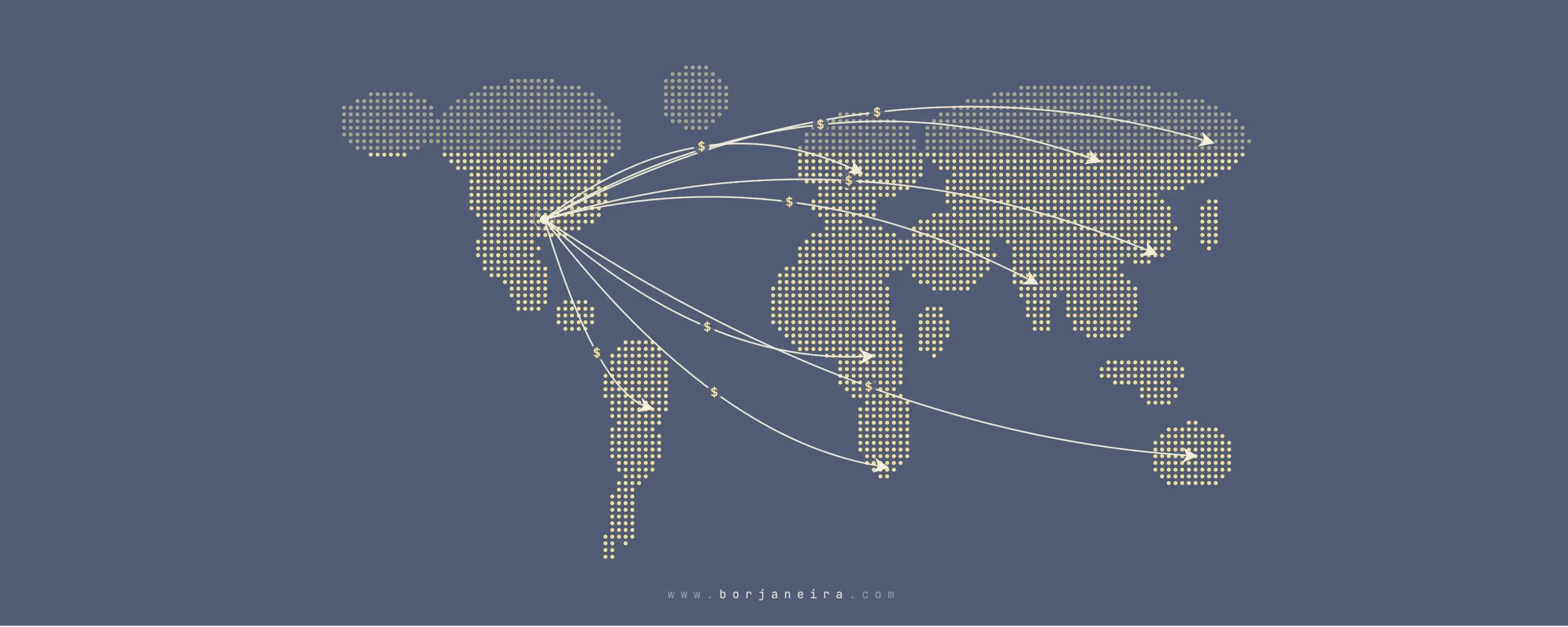
The European Central Bank (ECB) is sounding the alarm over what it sees as a growing threat to financial stability in the Eurozone: the rise of U.S.-backed stablecoins, especially under Donald Trump’s crypto-friendly administration.

According to the ECB, the United States is easing crypto regulations to attract capital and business, which could trigger a wave of dollar-denominated stablecoins flooding Europe.

ECB officials fear this could siphon investment from the EU and undermine the euro’s dominance in regional financial markets.

ECB Calls for Tighter Rules on Stablecoins

ECB President Christine Lagarde has called for changes to the EU’s Markets in Crypto-Assets (MiCA) regulation, arguing it doesn’t go far enough to deal with the potential fallout from a booming U.S. stablecoin market.

The ECB’s main concern is that stablecoins, especially those tied to the dollar, could become widely used in Europe, potentially challenging the euro’s role and disrupting the EU’s monetary policy.

Washington, meanwhile, is considering new legislation like the GENIUS Act and the STABLE Act, both of which aim to set ground rules for stablecoins.

However, from the ECB’s perspective, this regulatory green light only raises the stakes in Europe.

Brussels Pushes Back, Calls ECB Fears Overblown

The European Commission isn’t on the same page. EU officials have dismissed the ECB’s warning as overblown—and possibly politically motivated.

A source familiar with the matter told CCN that fears of a mass “run” on euro-backed stablecoins due to U.S. demand are “economically nonsensical.”

They also suggested that the ECB may be using the stablecoin debate to rally support for its digital euro project, an effort some critics see as struggling to gain political traction.

The Commission emphasized that MiCA already gives regulators the power to step in if stablecoin issuers pose a threat.

So far, only one global stablecoin has been authorized under the new framework, and officials say it’s far too early to judge how U.S.-based assets might affect the European market.


Was this Article helpful? Yes No

Leituras Relacionadas

Collateral Dollars: How Does a 'Second-Layer Dollar' Above Stablecoins Form?

Collateral Dollars: How Does a "Second Layer of Dollars" Form on Top of Stablecoins? Most assume stablecoins replicate Eurodollar functions, expanding the offshore dollar system. However, stablecoins primarily replace specific functions like operational dollar balances for settlement. They do not inherently create new dollar credit; they substitute existing claims. The key question is: what happens when financial intermediaries use stablecoins as collateral to create a new layer of dollar-denominated claims? This "collateral dollar" channel operates through secured lending, not direct money creation. A money-like event only occurs when a liability issued against the controlled stablecoin is funded, rolled over, or accepted at near-par value by another balance sheet. The discount (haircut) prices the gap between "effective control over the token" and "reliable convertibility to bank dollars." Elasticity stems not from the stablecoin itself but from the liability issued against it and the willingness of third-party balance sheets to treat that liability as a near-par asset. Compared to the traditional Eurodollar system—where elasticity originates from bank deposit creation—the stablecoin collateral chain is structurally different. Eurodollar deposits are credit-expansive from inception. Stablecoins are initially substitutive; elasticity emerges later if an intermediary's liability against them gains monetary acceptance. Stablecoins disrupt specific tiers of the offshore dollar system, mainly replacing operational settlement balances. They do not replace the need for full dollar balance-sheet capacity (credit lines, hedging, maturity transformation). For systemic impact, the second-layer liability must pass three tests: transferability, funding capacity, and monetary acceptance (being fundable or held at par by others). Pressure transmission also differs. In the Eurodollar system, stress moves up a hierarchy of claims. In a stablecoin collateral chain, the second-layer liability can lose its money-like status well before the underlying stablecoin faces a run, often triggered by haircut increases and margin calls that create a dynamic spiral of falling token prices and rising discounts. In conclusion, the "collateral dollar" is not the stablecoin itself. It is the second-layer liability issued against a controlled token balance that is willing to be funded and maintained at near-par value. Its existence depends on that liability surviving the leap from "token liquidity" to "bank dollar liquidity."

marsbitHá 1h

Collateral Dollars: How Does a 'Second-Layer Dollar' Above Stablecoins Form?

marsbitHá 1h

Trading

Spot
活动图片