Pi Network Unveils Mainnet Migration Roadmap

TheCryptoTimesPublicado em 2025-04-19Última atualização em 2025-04-19

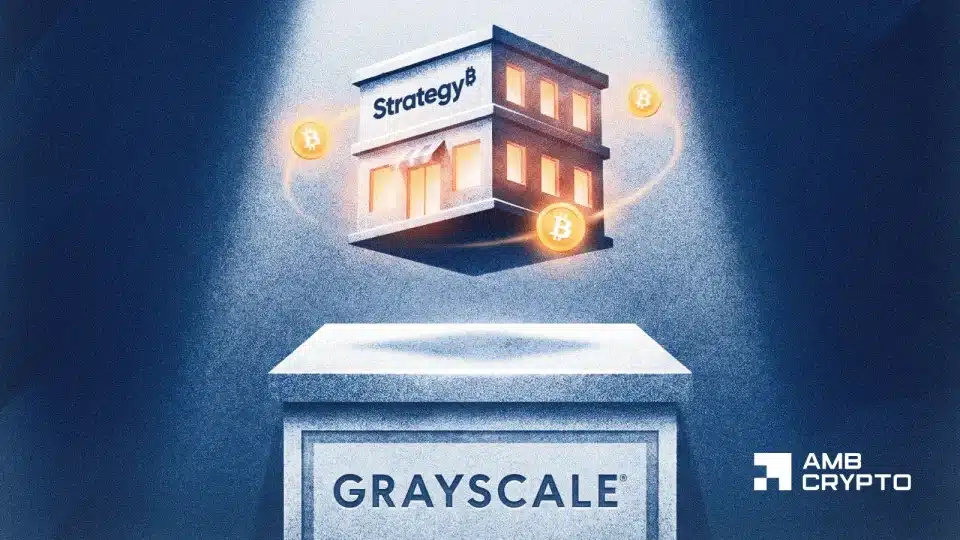
Pi Network has published an extensive update detailing its Mainnet migration roadmap and explaining its tokenomics and mining process.

The Mainnet migration is a sophisticated and scale-intensive process, including the migration of Pi balances for tens of millions of users built up over six years.

In contrast to a simple airdrop executed by most other crypto projects, the migration of Pi is rooted in audited mining data and contains protections against cheating and guarantees fairness.

This project has already successfully migrated more than 12 million users, which is a significant milestone in scalability terms, particularly keeping in mind the in-house KYC and migration procedure offered at no fiat expense to users.

The Mainnet migration roadmap is organized into three main phases depending on the network priorities.

  • First Migrations: The initial phase is migrating existing users in the queue. It comprises verified base mining rewards, Security Circle rewards, lockup rewards, utility app usage rewards, and confirmed Node rewards.
  • Second Migrations: Upon finishing the initial phase, the network will migrate referral bonuses. These are only awarded when the referred team members have successfully completed KYC.
  • Periodic Migrations: In the last phase, Pi Network will transfer to periodic migration cycles (monthly or quarterly), incrementally transferring all outstanding rewards and bonuses to users’ Mainnet wallets.

Pi Network explained that the “Transferable Balance” available on the app is simply a simplified calculation used to save computational load. Real amounts transferred into Mainnet wallets are often more than calculated, since they’re computed through extensive calculations of years of mining behavior and rewards.

The network also specified its tokenomics: of a 100 billion Pi maximum supply, 65% is reserved for community mining rewards, 10% for the foundation, 5% for liquidity, and 20% for the Core Team. These reserves increase proportionally with the amount of Pi migrated to maintain the system fair and well-balanced.

Finally, the mining rewards of Pi operate under a declining trend over time. Users receive greater rewards by participating through Security Circles, utility apps, and operating Nodes with rewards dependent upon a declining base rate that contracts each month. This way, sustainability and decentralization are promoted.

In conclusion, Pi Network is steadily progressing with its Mainnet migration fairly and securely while maintaining transparency about token distribution and mining rewards.

Also Read: Pi Network Founder Nicolas Kokkails to speak at Consensus 2025


Leituras Relacionadas

HKEX Welcomes Its Largest IPO of the Day

Today (July 8th), Momenta successfully listed on the Hong Kong Stock Exchange, becoming the "first Physical AI stock." The company, founded in 2016 by Tsinghua University alumnus Cao Xudong, focuses on autonomous driving as an entry point into Physical AI research. Momenta's IPO price was HK$295.6 per share. With a market cap exceeding HK$70 billion post-listing, it was the largest among the five companies debuting that day. The offering raised approximately HK$6.8 billion and attracted a "star-studded" lineup of 14 cornerstone investors, including top-tier international funds, leading strategic industrial investors like Mercedes-Benz and BYD, and major Chinese financial institutions. The company has pioneered a "flywheel" strategy, integrating mass-produced advanced driver-assistance systems (ADAS) with its full-self-driving (L4) development. Data from over 1 million vehicles equipped with its systems fuels its AI models, enabling continuous improvement. This massive real-world data scale is a core competitive advantage. In April, Momenta launched its self-developed R7 World Model for mass production, a foundational model designed to understand and predict physical world dynamics. The company positions itself not just as an automotive tech supplier, but as a platform-level Physical AI company. Its technology platform has the potential to expand beyond autonomous vehicles into areas like logistics and embodied AI. Financially, Momenta's revenue grew from RMB 743 million in 2023 to RMB 2.413 billion in 2025, with licensing income surging 42-fold during this period. While still reporting adjusted losses, it is nearing breakeven. The company boasts partnerships with 24 global automakers, including 9 of the world's top 10, and holds a 65% market share in China's third-party urban NOA segment. The listing marks a significant moment for Physical AI in global capital markets, reflecting strong investor confidence in Momenta's unique technology path and commercial execution.

marsbitHá 3m

HKEX Welcomes Its Largest IPO of the Day

marsbitHá 3m

Not Betting on Goals but on 'Tears': Polymarket Users Argue Over Ronaldo's Final World Cup Match

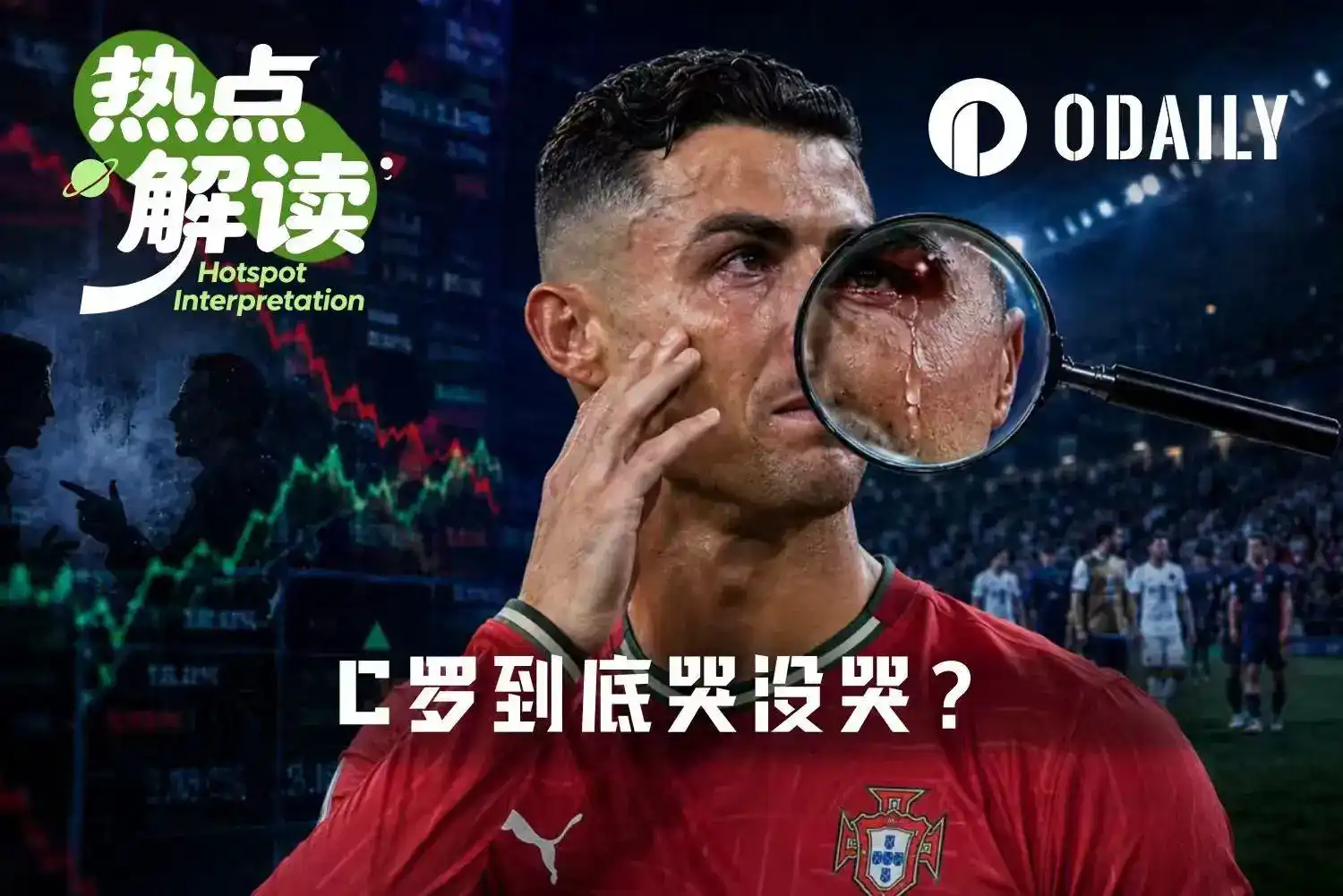
Title: Beyond Goals, Betting on Tears: Polymarket Users Clash Over Ronaldo's Emotional World Cup Exit On July 6, Portugal's 0-1 loss to Spain in the World Cup round of 16 marked the final tournament for Cristiano Ronaldo. The 41-year-old star's emotional reaction—red eyes, wiping his face, fighting back tears—was captured globally. Concurrently, a fierce debate erupted on the crypto prediction platform Polymarket over a specific market: "Will Ronaldo cry during the 2026 FIFA World Cup?" The market, with over $23 million in volume, saw its "YES" probability surge to 99% after the match, but the result was disputed and entered a final review phase. The core conflict centered on the market's precise rules: it required "clearly visible tears streaming down [Ronaldo's] face" in photos/videos taken on the field or bench area during Portugal's matches. While major media outlets described Ronaldo as "in tears" and footage showed him emotional, "NO" bettors argued visible tear tracks were not conclusively evident, only red eyes and dampness. Polymarket's official clarification on July 8 stated that eligible evidence existed showing Ronaldo crying with visible tears on his face post-match. The dispute now goes to a UMA oracle community vote for resolution. This incident highlights a recurring challenge for prediction markets: they excel with quantifiable events but can spark major controversies over subjective, visual, or emotional interpretations. It also serves as a reminder for participants to scrutinize rule wording meticulously, not rely on general perception. Ultimately, such high-profile disputes drive significant trading volume and attention for the platform.

Foresight NewsHá 1h

Not Betting on Goals but on 'Tears': Polymarket Users Argue Over Ronaldo's Final World Cup Match

Foresight NewsHá 1h

Trading

Spot
活动图片