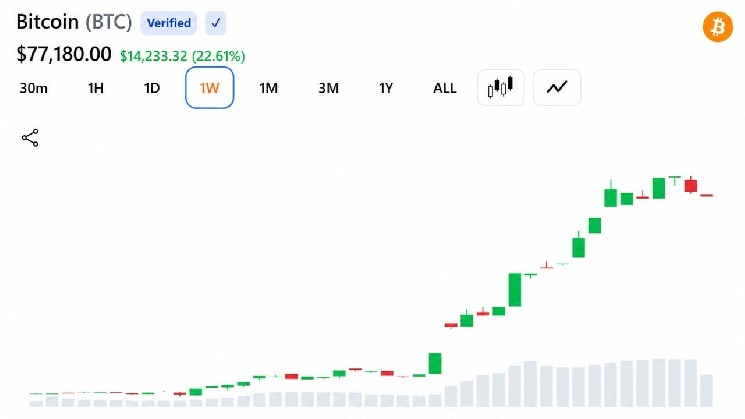
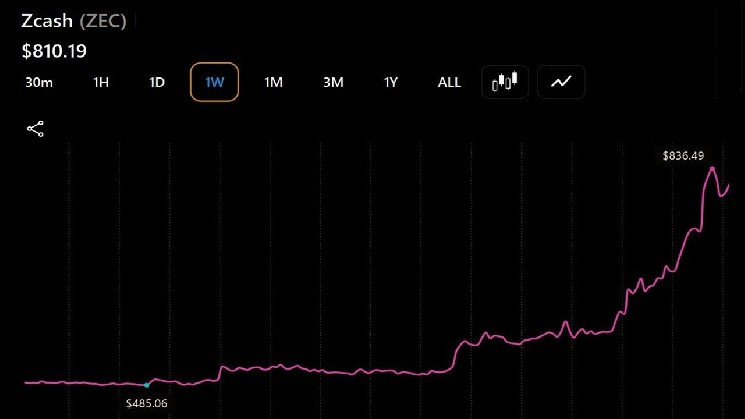
Первый квартал 2025 года оказался худшим периодом для криптовалют

investing.ruPublicado em 2025-04-17Última atualização em 2025-04-17

Happycoin.club - Директор по инвестициям компании Bitwise Мэтт Хоуган сообщил, что первый квартал 2025 года оказался худшим за всю историю криптовалют.

Курс цифровых активов упал. Очень сильно. Индекс Bitwise 10 Large Cap Crypto [отслеживающий изменение стоимости 10 ведущих по уровню капитализации виртуальных валют] снизился на 19%, акции криптовалютных компаний подешевели на 27%, а стоимость эфириума, занимающего вторую строчку в рейтинге монет с самой высокой рыночной капитализацией, рухнула на невероятные 45%, — написал Хоуган в отчёте Bitwise.

Тем не менее для биткоина и эфириума первый триместр 2025-го нельзя назвать самым провальным. В первом и третьем кварталах «чёрного» 2018 года ETH дешевел сильнее — на 46,61% и 48,69% соответственно. BTC, потерявший в цене лишь 11,82% с января по март 2025-го, переживал гораздо более депрессивные периоды. Например, в четвёртом триместре 2018-го стоимость биткоина рухнула на рекордные 42,16%.

Колебания стоимости биткоина и эфириума по итогам кварталов

Вместе с тем Хоуган позитивно оценивает будущее криптовалют и считает, что во втором квартале монеты подорожают благодаря:

  • Ослаблению кредитно-денежной политики центробанков разных государств;
  • Росту денежной массы;
  • Принятию прокриптовалютных законов в США;
  • Популяризации стейблкоинов;
  • Геополитическому хаосу, вызванному вооружёнными конфликтами и торговыми войнами.
Экономист Лин Олден проанализировала исторические данные и пришла к выводу о том, что цена BTC в 83% случаев коррелирует с изменением денежной массы. В связи с этим как минимум один из вышеперечисленных факторов действительно может оказать положительное влияние на курс биткоина.

Изменение денежной массы (жёлтая линия) и цены биткоина (оранжевая)

Читайте оригинальную статью на сайте Happycoin.club

Leituras Relacionadas

Second Half of U.S. Crypto Policy: The Clarity Act Aims for 60 Votes, CFTC's "One-Person Commission" Becomes Biggest Variable

In a pivotal year for US crypto policy, the "CLARITY Act" is advancing in the Senate but faces a high hurdle, needing 60 votes to pass. Key challenges include bridging partisan divides on ethics and swaying undecided Republican senators within a tight legislative calendar of only about 40 working days. The policy "second half" involves intense negotiations on a broader framework for Web3 and DeFi, including crypto tax reforms and the Blockchain Regulatory Certainty Act. A significant uncertainty is the understaffed CFTC, operating with four commissioner vacancies, which complicates regulatory clarity. Meanwhile, the departure of key "crypto champions"—SEC Commissioner Hester Peirce and Senator Cynthia Lummis—will impact ongoing policy efforts. Industry experts are cautiously optimistic but realistic. Sara K. Weed notes that while progress is being made, CLARITY is unlikely to pass this Congress, pushing agencies like the SEC and CFTC to provide more guidance. Sulolit Mukherjee suggests meaningful crypto tax legislation is more likely to be attached to larger must-pass bills. Rashan Colbert discusses the jurisdictional debate over prediction markets, emphasizing the need for a regulatory framework that fosters their development as financial tools rather than treating them broadly as gambling. The clock is ticking, but opportunities remain for substantive progress through continued bipartisan dialogue and pragmatic efforts.

marsbitHá 2h

Second Half of U.S. Crypto Policy: The Clarity Act Aims for 60 Votes, CFTC's "One-Person Commission" Becomes Biggest Variable

marsbitHá 2h

Research Report Analysis: Morgan Stanley Details SanDisk SNDK, The Truth About Cloud Data Center Pricing Power and AI Inference Benefits

Morgan Stanley raised its price target for SanDisk (SNDK) from $1100 to $1750 on June 22, maintaining an Overweight rating. The upgrade is driven by AI inference demand reshaping the NAND market, particularly for KV Cache and context window storage in cloud data centers. These cloud clients exhibit price inelasticity and sign long-term contracts, granting SanDisk significant pricing power. SanDisk's New Business Model (NBM) agreements, covering over one-third of FY27 bit shipments with 3-5 year terms and fixed price/price collar structures, are crucial. They are projected to sustain gross margins around 80% even at floor prices, providing a buffer against cyclical downturns. Morgan Stanley forecasts gross margins to surge from 30.3% in FY25 to 86.7% in FY27e. With NAND supply expected to remain tight into 2026/2027 and cloud/data centers becoming the largest end-market, SanDisk holds supply-side pricing power. The company targets 15-19% bit growth via technology transitions, not capacity expansion. Revenue is projected to grow ~6.6x from FY25 to FY27, with EPS rising from $2.74 to $14.73, driven by high-margin cloud business. Key upside catalysts include faster enterprise SSD adoption and edge AI growth. Downside risks involve slower industry growth, competitor capex increases, market share loss, and competition from Chinese players like YMTC. The investment thesis rests on AI-driven structural demand, NBM's margin protection, and sustained supply tightness. The $1750 target implies ~28x FY27e P/E.

marsbitHá 3h

Research Report Analysis: Morgan Stanley Details SanDisk SNDK, The Truth About Cloud Data Center Pricing Power and AI Inference Benefits

marsbitHá 3h

Trading

Spot
Futuros
活动图片