MoonPay получила регистрацию VASP в Нидерландах по MiCA

cryptonews.ruPublicado em 2020-03-30Última atualização em 2024-12-30

Компания MoonPay, ведущий мировой поставщик инфраструктуры Web3, объявила о получении регистрации в качестве поставщика услуг виртуальных активов (VASP) от Центрального банка Нидерландов (DNB) в соответствии с новыми правилами Европейского союза по криптоактивам (MiCA). Это достижение знаменует собой важную веху для MoonPay, укрепляя ее позицию в качестве ключевого игрока в европейском криптовалютном пространстве и открывая путь для дальнейшего расширения на континенте.

Получение регистрации MiCA в Нидерландах является значительным шагом для MoonPay, поскольку это первая страна в ЕС, внедрившая эти строгие правила. MiCA устанавливает единый набор правил для криптовалютных компаний, действующих в ЕС, направленных на повышение прозрачности, защиту потребителей и обеспечение стабильности рынка. Регистрация MoonPay демонстрирует ее приверженность соблюдению самых высоких стандартов соответствия и регулирования.

Стратегическое значение одобрения MiCA

Одобрение MiCA имеет решающее значение для стратегии роста MoonPay в Европе. Это позволяет компании предлагать свои услуги по всей Европе, используя «паспортный» механизм MiCA. Это означает, что регистрация в одной стране-члене ЕС автоматически признается другими странами, что значительно упрощает процесс выхода на новые рынки.

Благодаря регистрации MiCA, MoonPay может расширить свой набор услуг, предлагая европейским клиентам более широкий спектр решений для доступа к криптовалютам. Это включает в себя такие услуги, как⁚

  • Онрамп-решения⁚ Предоставление пользователям возможности легко покупать криптовалюту с помощью традиционных платежных методов, таких как кредитные карты и банковские переводы.
  • Оффрамп-решения⁚ Обеспечение возможности конвертировать криптовалюту обратно в фиатные валюты.
  • Инфраструктура для NFT⁚ Поддержка создания, покупки и продажи невзаимозаменяемых токенов (NFT).
  • Решения для бизнеса⁚ Предоставление компаниям инструментов для интеграции криптовалютных платежей и других Web3-сервисов.

Планы расширения в Европе

MoonPay планирует использовать свое одобрение MiCA в качестве трамплина для дальнейшего расширения в Европе. Компания уже работает над получением аналогичных регистраций в других ключевых европейских странах, включая Францию, Германию и Великобританию. Это позволит MoonPay охватить более широкую аудиторию и укрепить свою позицию в качестве ведущего поставщика инфраструктуры Web3 в регионе.

Преимущества для пользователей и рынка

Регистрация MoonPay по MiCA приносит пользу не только самой компании, но и всему европейскому криптовалютному рынку. Повышенная прозрачность и соответствие нормативным требованиям способствуют укреплению доверия к индустрии и привлекают новых пользователей. Кроме того, упрощенный доступ к криптовалютам через платформу MoonPay способствует развитию инноваций и росту Web3-экосистемы в Европе.

Дальнейшие шаги MoonPay

  1. Получение регистраций MiCA в других странах ЕС.
  2. Расширение спектра предлагаемых услуг.
  3. Развитие партнерских отношений с ключевыми игроками в европейской криптовалютной экосистеме.
  4. Инвестиции в исследования и разработки для создания новых инновационных решений.

MoonPay стремится сделать криптовалюты более доступными и удобными для всех. Компания верит в потенциал Web3 и продолжит инвестировать в развитие инфраструктуры, необходимой для массового внедрения криптовалют.

Благодаря своему стратегическому подходу и приверженности соблюдению нормативных требований, MoonPay готова к дальнейшему успеху в Европе и за ее пределами. Компания продолжит играть важную роль в формировании будущего Web3, делая криптовалюты доступными для всех. Это важный шаг для MoonPay и для всей индустрии.
Leituras Relacionadas

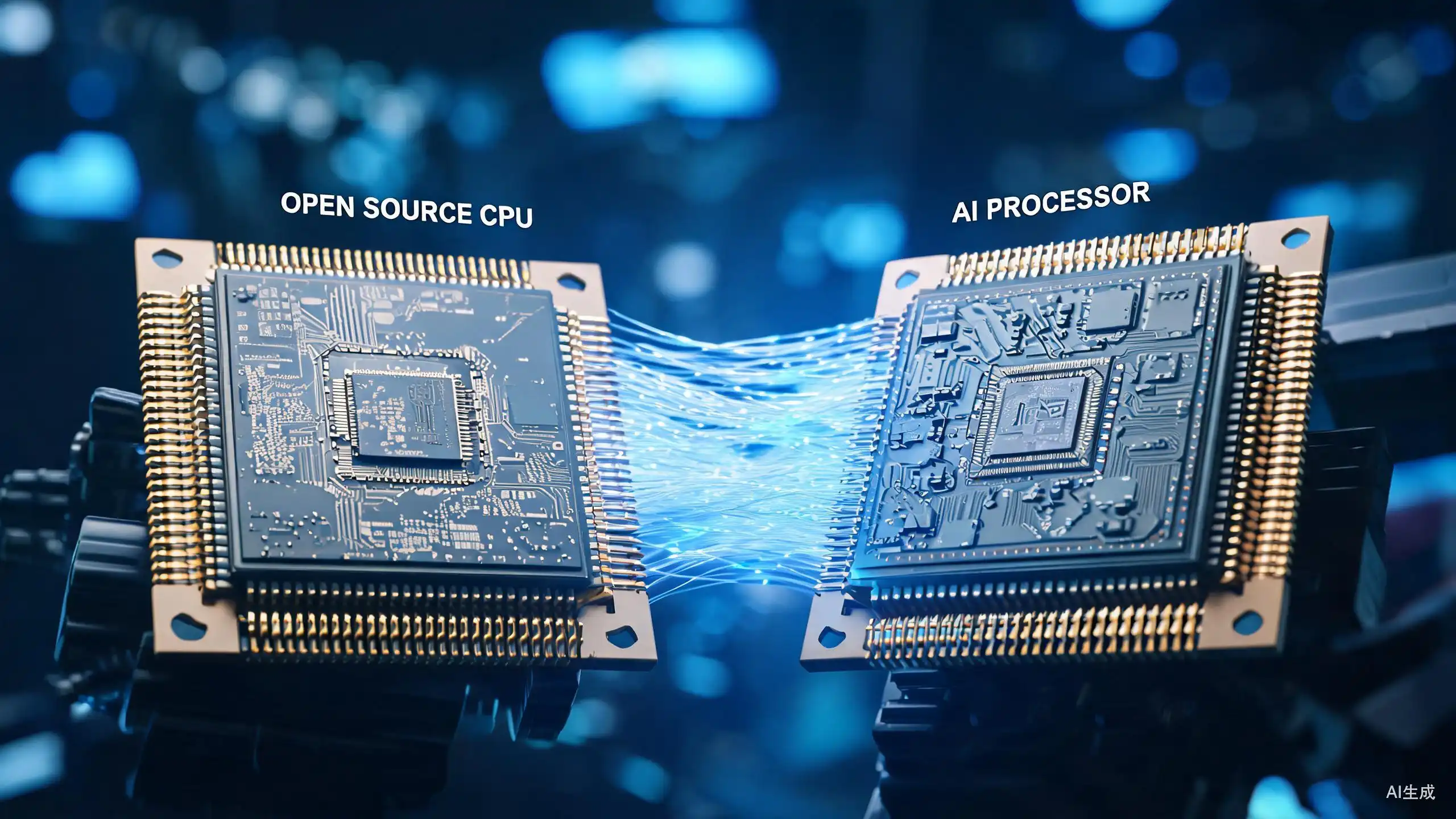
NVIDIA CPU Advances, China's RISC-V Responds: Semiconductor Deep Dive - Part Four

NVIDIA is set to launch its new Vera AI data center CPU in China as early as August, with high pricing. While this move offers a new option, it highlights China's continued dependence on foreign-controlled Arm architecture. In response, the Chinese semiconductor industry is increasingly turning to RISC-V as a strategic alternative for achieving high-performance computing autonomy. The article explores the concept of the "impossible triangle" in CPU development—balancing prosperity, control, and autonomy—and posits that RISC-V's open-source, modular nature offers a unique path to achieving all three. While RISC-V is already dominant in embedded systems, the focus is now shifting to data centers and AI workloads. China has become a global hotspot for RISC-V development, driven by AI-driven compute demand, supply chain concerns from export controls, cost benefits of open-source, and strong policy support. Multiple Chinese companies have reportedly crossed the key performance threshold of 15 SPECint per GHz, a benchmark for entering the high-performance CPU club. Progress extends beyond single-core benchmarks. Companies are developing complete computing subsystems, including commercial-grade coherent network-on-chip (NoC) technology and server processors with up to 40 cores that strictly adhere to the RVA23 standard to ensure software compatibility. Real-world applications are emerging in areas like video transcoding and edge AI. However, significant challenges remain. The RISC-V ecosystem faces fragmentation, immature toolchains and verification processes, and gaps in single-core performance and energy efficiency compared to mature x86 and Arm architectures. The formidable software moat, epitomized by NVIDIA's CUDA, is a long-term hurdle. In conclusion, while RISC-V cannot immediately replace offerings like NVIDIA's Vera, it represents a viable long-term path for China to develop a self-sufficient, high-performance CPU ecosystem. The journey is acknowledged to be long and arduous, requiring sustained effort to overcome technical and ecosystem challenges.

marsbitHá 3h

NVIDIA CPU Advances, China's RISC-V Responds: Semiconductor Deep Dive - Part Four

marsbitHá 3h

My Coding Betting Dashboard is Profiting, but Polymarket is Truly Not a Good Place for 'Arbitrage'

The author built a custom monitoring dashboard for Polymarket, a prediction market platform, and tested it with $1,600, achieving over 30% returns. However, the core argument is that Polymarket is not a good venue for traditional arbitrage. The dashboard has two main sections: a "Portfolio Dashboard" for tracking active positions with key metrics like total capital, P&L, and a risk-control module using a tier system (T1, T2, T3), and an "Opportunity Watchlist" for monitoring markets. The article details a critical structural trap in binary markets: a bet with a high perceived probability of success still carries a 100% loss risk if wrong. The author's T1/T2/T3 system is designed to manage this by limiting position sizes based on conviction and time horizon, emphasizing that high confidence should not equal high concentration. A key insight is the danger of "pseudo-diversification"—betting on different markets driven by the same underlying variable. The author concludes that Polymarket offers few true low-risk, arbitrage opportunities. It is instead a high-risk environment where wins can create a false sense of mastery, leading to large losses. The platform is better viewed as a training ground for honing judgment through disciplined, framework-driven betting rather than a reliable income source. The tools help transform intuition into structured, rule-based decisions to mitigate the risk of catastrophic errors.

marsbitHá 6h

My Coding Betting Dashboard is Profiting, but Polymarket is Truly Not a Good Place for 'Arbitrage'

marsbitHá 6h

WeChat AI Card Hands-On Guide: Has the AI Shopping Era Arrived?

**"WeChat AI Card" Practical Test Guide: Has the Era of AI Shopping Arrived?** WeChat has officially launched the "AI Exclusive Card," a feature integrated into its Workbuddy AI assistant. This card is designed to handle payments for AI-initiated purchases. Our hands-on test reveals it's not yet a tool for fully autonomous AI shopping, but rather a controlled payment layer for AI agents. The AI Card functions as an isolated sub-wallet within WeChat Pay. Users must bind the card and transfer funds into it from their main wallet. Crucially, every transaction requires explicit user confirmation via smartphone scan; AI cannot spend autonomously. Currently accessible through the Workbuddy agent, the card targets specific digital consumption scenarios: purchasing paid content (reports, data), calling paid APIs/tools, and subscribing to services. Its design prioritizes security and control by separating funds and mandating approval for each payment. We tested a real-world scenario: ordering bubble tea via Workbuddy using a "Meituan Life Assistant" skill. The process encountered multiple hurdles: high "skill" usage costs (exceeding daily free credits), and most importantly, while a payment was successfully initiated, the AI purchased an incorrect product (a mismatched group-buy coupon instead of the desired drink). This highlights the current limitation: the **AI Card only solves the payment step**. The broader challenge lies in the **AI agent's execution chain**—accurately understanding intent, navigating third-party platforms, selecting the right product, and ensuring proper fulfillment. The payment succeeded, but the purchase failed to meet the user's need. In conclusion, the WeChat AI Exclusive Card is a cautious, early-step experiment in AI commerce. It provides a secure, user-controlled payment method for agent interactions but is not yet capable of reliable, end-to-end complex purchases. For now, it's best used for low-value, low-risk digital services with careful user verification at each step. The vision of AI handling complete shopping tasks remains a work in progress.

marsbitHá 9h

WeChat AI Card Hands-On Guide: Has the AI Shopping Era Arrived?

marsbitHá 9h

Trading

Spot
Futuros
活动图片