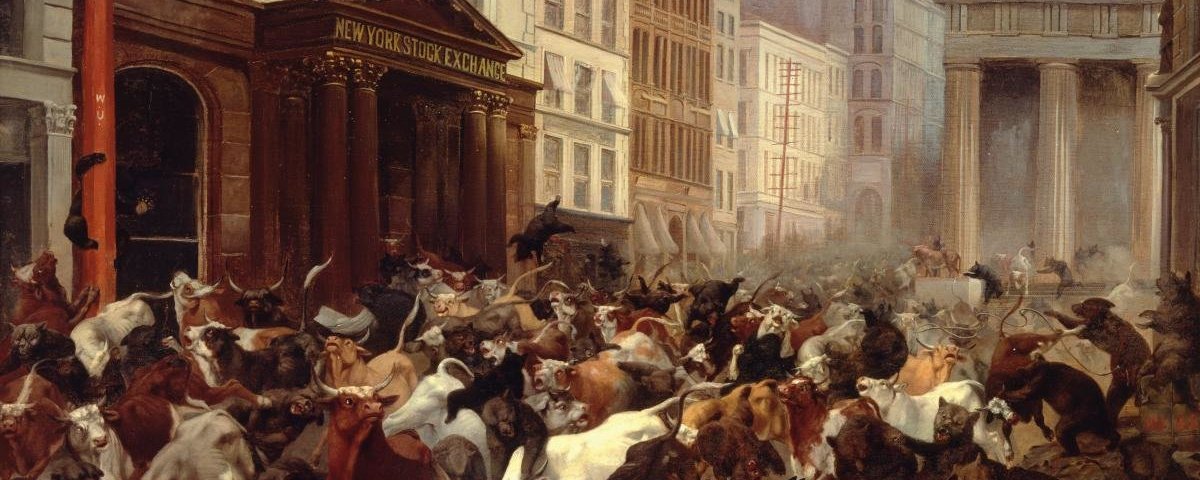
Крис Бурниске: рынок криптовалют готов к росту в 2025 году

cryptonews.ruPublicado em 2022-05-28Última atualização em 2024-12-28

Партнер PlaceHolder VC Крис Бурниске поделился своим видением текущего состояния крипторынка. По его словам, курс цифровой монеты Bitcoin прошел через серьезную коррекцию, упав примерно на 15% от своих последних максимумов, но при этом сохранил устойчивость.

Эксперты рынка также отметил, что все ключевые альткоины демонстрируют более высокие минимумы на важных таймфреймах. По словам специалиста, это говорит о том, что инвесторы продолжают доверять перспективным проектам. По заверению Бурниске, паника среди «поздних быков» уже позади, а настроения на рынке начали постепенно стабилизироваться.

Крис отметил, что события 4-го квартала 2024 года, включая развитие инфраструктуры блокчейнов и запуск новых проектов, заложили основу для будущего роста отрасли. Он заверил: хотя краткосрочная волатильность никуда не делась, фундаментальные показатели укрепились, создавая выгодные условия для долгосрочных инвесторов.

«Если вы человек с убеждениями, то сейчас самое время воспользоваться возможностью», — подчеркнул он. Бурниске отметил, что настроения на рынке лучше, чем кажется, и текущее положение создает «сладкую точку» для входа в 2025 год.

Он также добавил, что криптовалютный рынок часто движется волнами страха и жадности, и текущий период страха может стать идеальным моментом для покупки цифровых активов. По заверению Криса, временное снижение цен на ключевые альткоины лишь усиливает позиции тех, кто готов вкладываться на долгий срок.

Несмотря на неоднозначный конец года, Бурниске уверен, что 2025 станет периодом новых возможностей на рынке криптовалют и блокчейнов. Он полагает, что важные разработки и накопленная ликвидность придадут мощный старт для отрасли в новом году. Осталось только дождаться сбудутся или нет прогнозы известного венчурного капиталиста.

Ошибка в тексте? Выделите её мышкой и нажмите Ctrl + Enter

Leituras Relacionadas

White-Label Stablecoins: More Than Just a Logo Change

"White-Label Stablecoins: Beyond a Logo Change" The article clarifies the often-misunderstood concept of "white-label stablecoins," which refers to businesses leveraging established providers like Circle or Coinbase to offer stablecoin functionality under their own brand. It details four distinct models, emphasizing that this is not a simple branding exercise but involves complex legal and operational responsibilities split across issuance, reserves, custody, and distribution. The four primary models are: 1. **Circle xReserve**: Enables blockchains (L1/L2) to launch their own stablecoin backed 1:1 by USDC locked in a Circle smart contract. The chain deploys and operates the token contract. 2. **Circle Partner Stablecoins**: Connects existing regional stablecoin issuers to Circle's global payment and liquidity network (e.g., StableFX). The local issuer remains responsible for issuance, reserves, and compliance. 3. **Circle Digital Asset Accounts**: Provides businesses with branded digital asset accounts where users hold established stablecoins (like USDC). Circle handles custody, conversion, and compliance; the business manages the front-end user experience. 4. **Coinbase Custom Stablecoins**: The model closest to a true "white-label" stablecoin. Coinbase manages the issuance, reserves, smart contracts, and redemption for a new, custom-branded stablecoin (e.g., Flipcash's USDF), while the partner business handles branding, distribution, and user-facing scenarios. The article stresses that legal and regulatory risks depend heavily on the specific model and the partner's role. Key concerns include clear user disclosure about the issuer and redemption rights, managing consumer perceptions, careful structuring of any revenue-sharing or yield features, and navigating local regulatory frameworks for payments, distribution, and marketing—responsibilities that cannot be outsourced simply by using a "white-label" service.

marsbitHá 14m

White-Label Stablecoins: More Than Just a Logo Change

marsbitHá 14m

Farewell to Speculation: The Graham Moment of the Crypto Industry

"Farewell to Speculation: The Graham Moment for the Crypto Industry" The article draws a parallel between today's cryptocurrency market and the speculative, unregulated US stock market of the 1920s. That era lacked mandatory corporate disclosure, enabling rampant manipulation and turning stocks into gambling tools. The 1929 crash led to foundational reforms: the Securities Acts of 1933/34 mandated transparent, audited financial reporting, and Benjamin Graham's "Security Analysis" provided a framework for fundamental valuation. Together, they created modern investing, requiring both reliable data and a methodology to value assets. Similarly, the crypto market is currently driven by narratives and speculation. However, it possesses a key advantage: unlike 1920s corporations, blockchain protocols have inherently transparent, on-chain data for revenue, treasury, and activity. The core obstacle is not transparency, but the lack of legal claim to that value. Due to regulatory uncertainty (primarily the Howey Test), most tokens are deliberately stripped of economic rights like profit-sharing to avoid being classified as securities. This creates a paradox where protocols generate revenue, but token holders have no right to it. The turning point, argues the author, is imminent US legislation. The already-passed GENIUS Act provides a framework for stablecoins. The crucial CLARITY Act, currently in advanced legislative stages, aims to clearly categorize digital assets and define their regulatory treatment (SEC vs. CFTC). This would allow developers to legally design tokens with enforceable economic rights, such as profit distribution. If passed, this would enable a shift from speculation to fundamental investment. Analysis would focus on protocol revenue sustainability, network effects, valuation multiples, and the specific rights encoded in a token's contract—mirroring traditional equity analysis. The article notes significant legislative hurdles and timelines (1-3 years for rulemaking post-passage), but emphasizes the direction is set. A deeper challenge remains: building decentralized, legally enforceable governance and ownership structures to protect token holder rights, akin to corporate law. This will be a core development focus. The transformation applies mainly to revenue-generating protocol tokens, not to assets like Bitcoin (digital gold). The article concludes that the industry's question has evolved from "can tokens create value?" to "who gets to allocate that value?". Solving the latter, as in the 1920s, will mark crypto's transition to a legitimate asset class for fundamental investment.

Foresight NewsHá 36m

Farewell to Speculation: The Graham Moment of the Crypto Industry

Foresight NewsHá 36m

Trading

Spot
Futuros
活动图片