稳定币市场:万亿美元的未来机会

marsbitPublicado em 2024-12-07Última atualização em 2024-12-08

稳定币是个万亿美元的机会。

这并非夸张。

虽然人们通常认为加密货币具有波动性、代币和流动性,但加密货币的另一面,也就是更默默地举着加密货币采用大旗的稳定币。对于新手来说,这些加密美元与底层法定货币 1:1 挂钩,使用算法(不太流行)或储备(更流行)来维持挂钩。

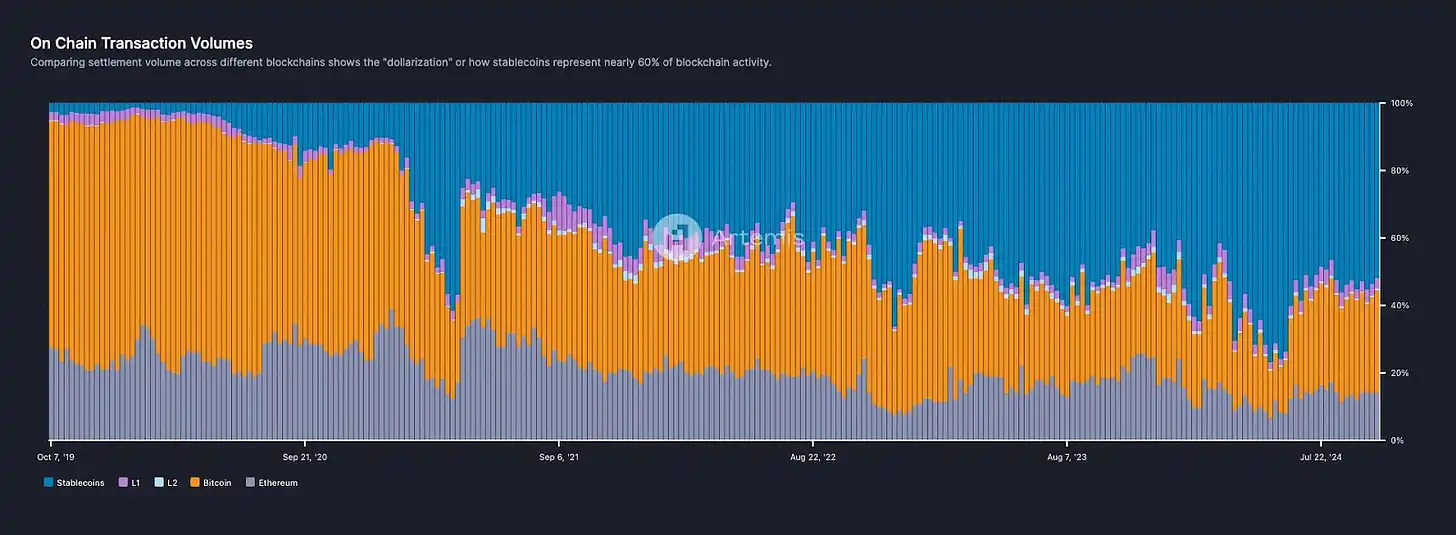
稳定币占区块链交易的比例从 2020 年的 3% 上升到现在的 50% 以上。稳定币是加密货币杀手级应用的主张,与许多加密货币不同,稳定币本质上是非投机性的。
市场


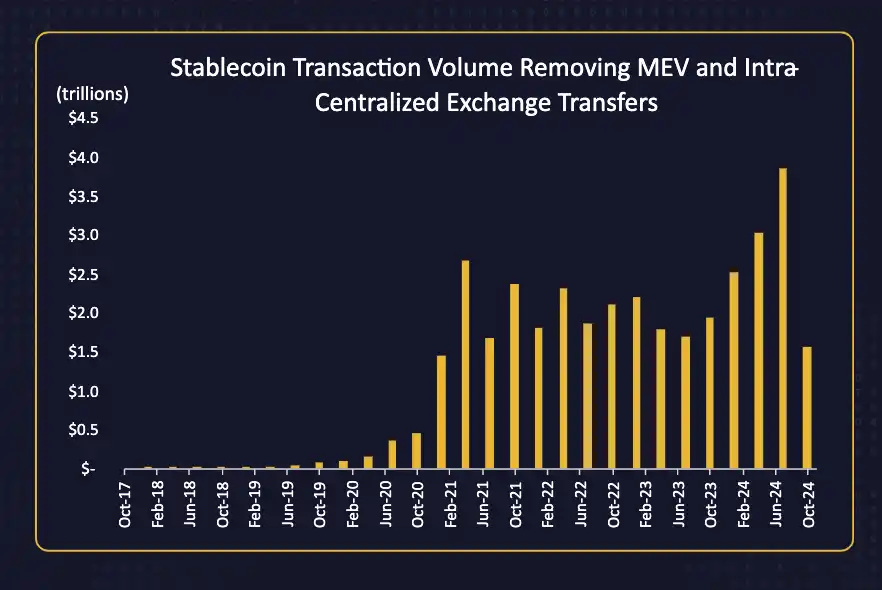
在短时间内,稳定币就展现出了成为加密货币领域变革性创新之一的能力。2024 年是稳定币的突破时刻,调整后交易量超过约 5 万亿美元,交易额超过 10 亿美元,涉及近 2 亿个账户。

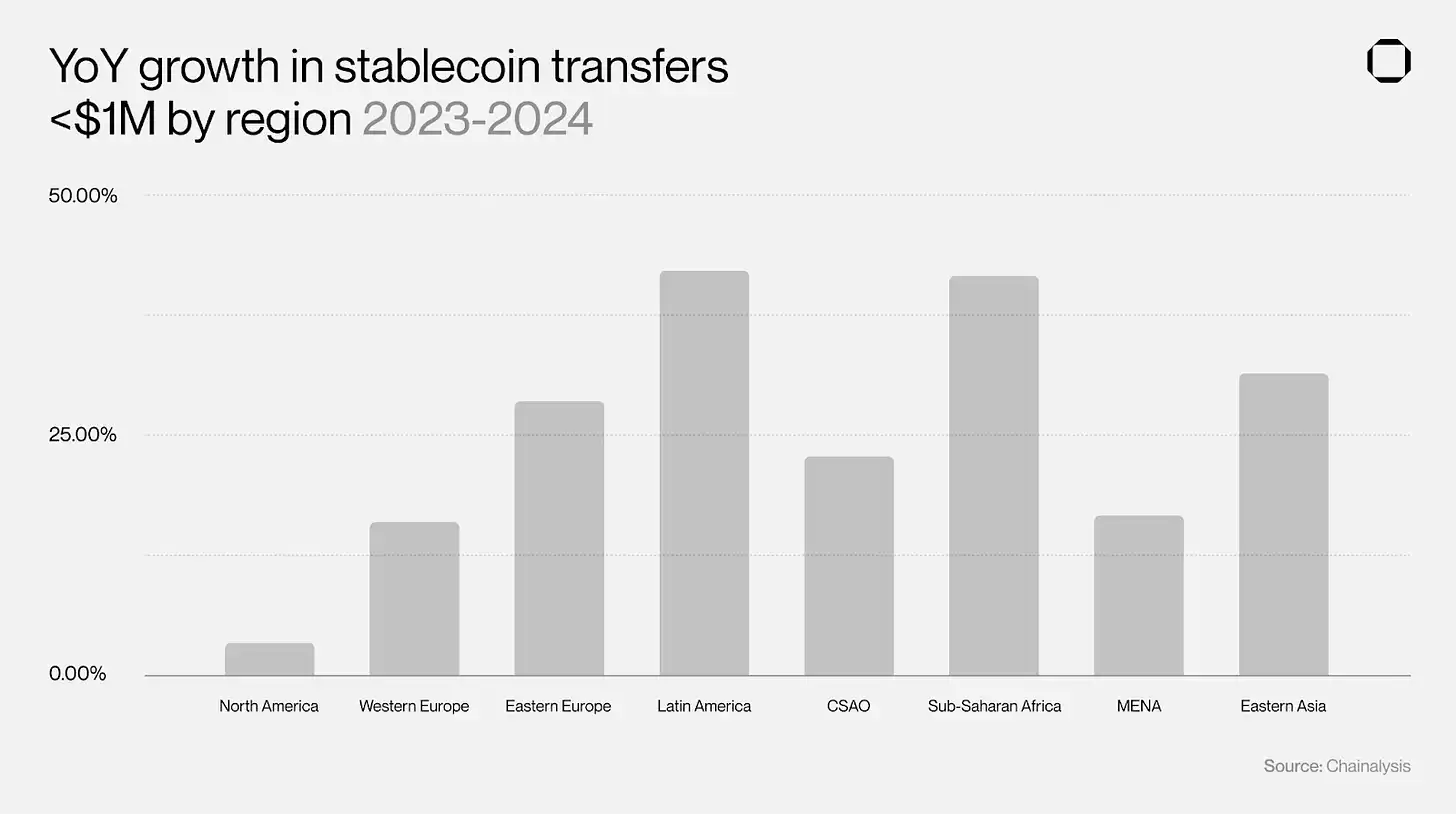
在上一轮加密货币牛市中,稳定币取得了令人瞩目的增长,但这一次,稳定币的应用范围已超出了 DeFi 生态系统。过去几年,稳定币已经展示了其核心价值主张——无缝跨境支付,其最初是通过获取美元来实现的。相应地,稳定币增长最快的地区是新兴市场,这些市场对美元的需求很高。

市场


稳定币为 B2C 支付(例如汇款)以及 B2B 跨境交易的传统支付方式提供了 10 倍的价值主张。

加密货币长期以来一直有望为万亿美元的跨境支付市场提供解决方案。到 2024 年,通过传统支付渠道进行的跨境 B2B 支付将达到约 40 万亿美元(不包括批发 B2B 支付)( Juniper Research )。在消费者支付市场中,全球汇款每年的收入高达数千亿美元。现在,稳定币提供了通过加密渠道实现全球跨境汇款支付的手段。

随着 B2C 和 B2B 支付领域对稳定币的采用越来越快,链上稳定币的供应量和交易量都达到了历史最高水平。

市场


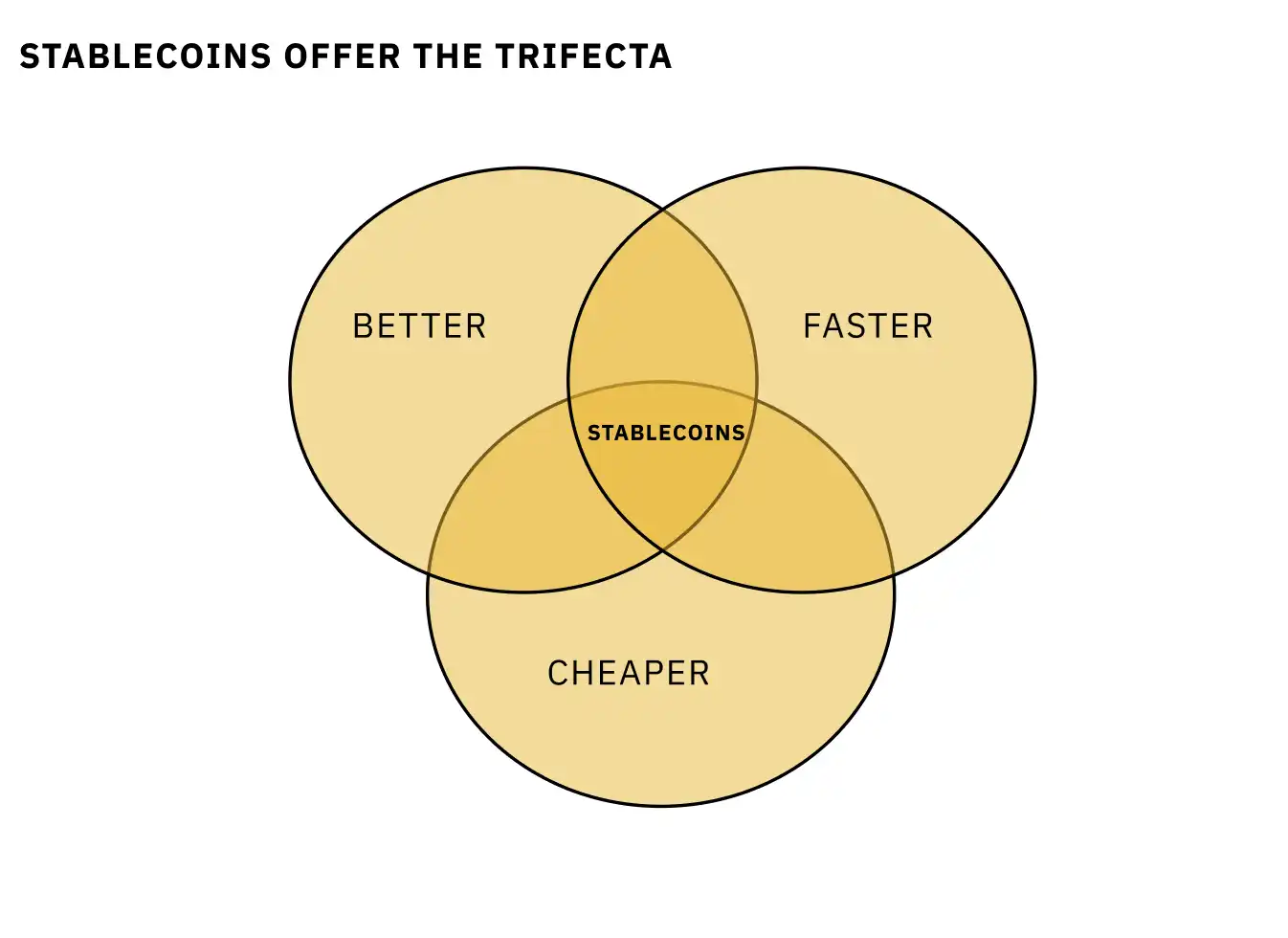
稳定币三重奏:更好。更快。更便宜。

商业界有句老话:很少有产品能够同时提供更好、更快、更便宜的东西。通常,产品可以同时满足其中两个条件,但不可能同时满足三个条件。稳定币提供了一种更好、更快、更便宜的全球资金转移方式。

市场


对于企业和消费者来说,稳定币提供了比传统美元高出 10 倍的价值主张。

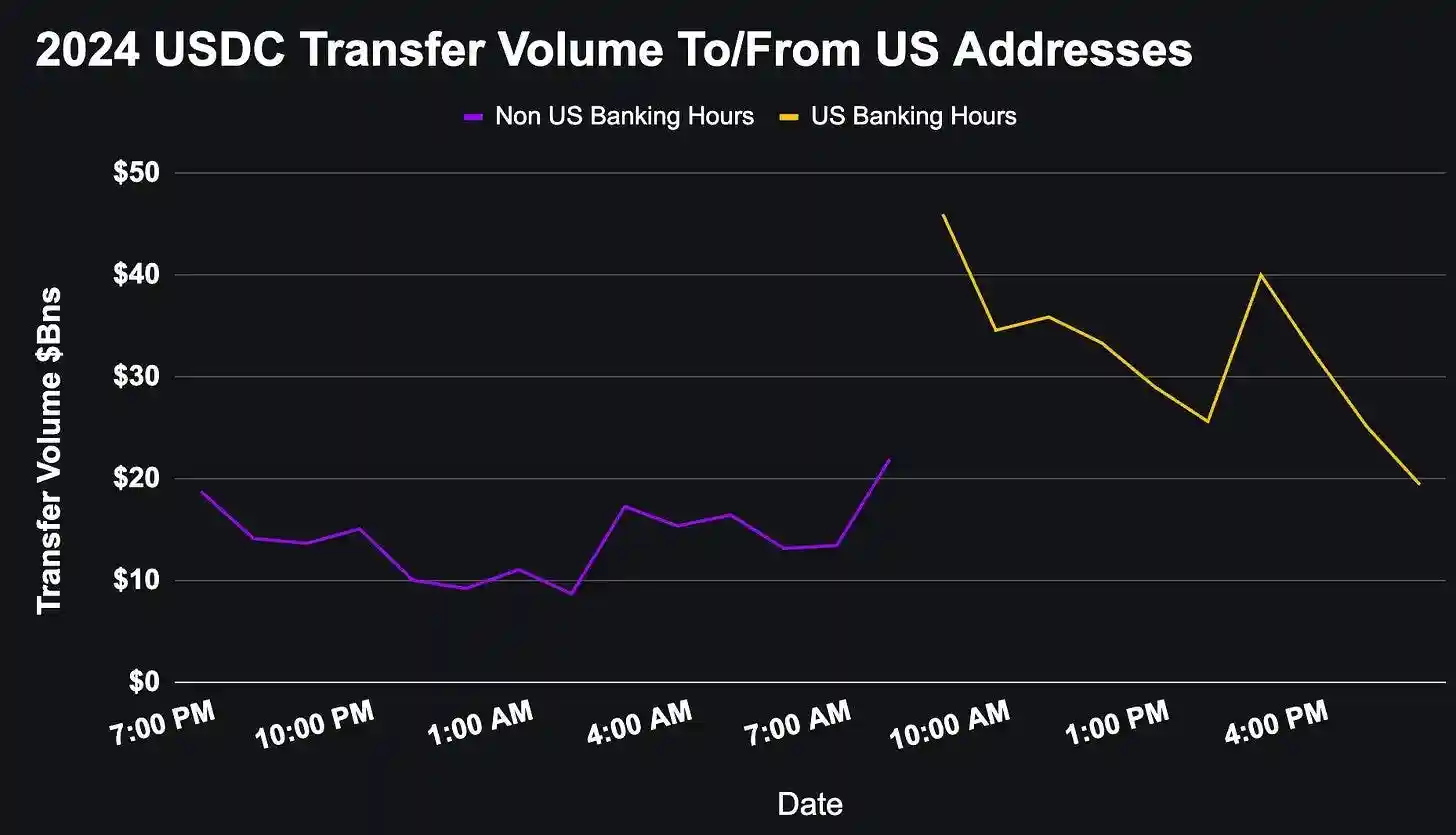
更好:稳定币是一种更容易获得的产品,一年 365 天、每天 24 小时都可以使用。它们可以轻松进行全球跨境传输,并且具有可编程性,这使得稳定币成为优于法定货币的产品。

市场


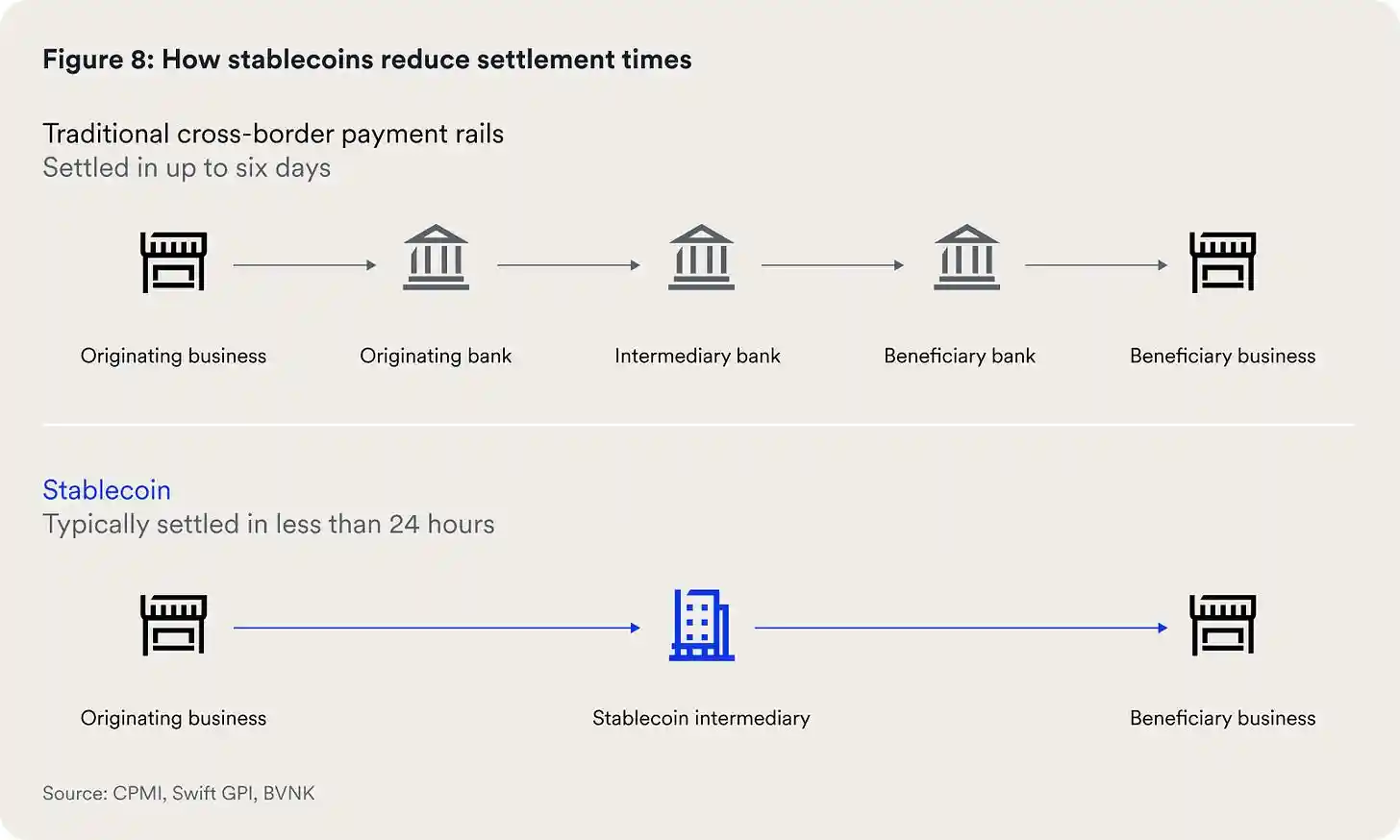
更快:稳定币无疑更快,可以立即结算,而不是需要 T-minus 2 或 T-minus 1 天才能结算。

市场

图片来自 BVNK 报告


更便宜:稳定币的发行、转移和维护成本低于法定货币。2023 年,Stripe 促成了超过 1 万亿美元的支付量,其费用结构为 2.9% 起,国内卡交易另加 30 美分。在 Solana 等高吞吐量区块链或 Base 等以太坊 L2 上,平均稳定币支付成本不到一美分。


新兴的稳定币技术栈

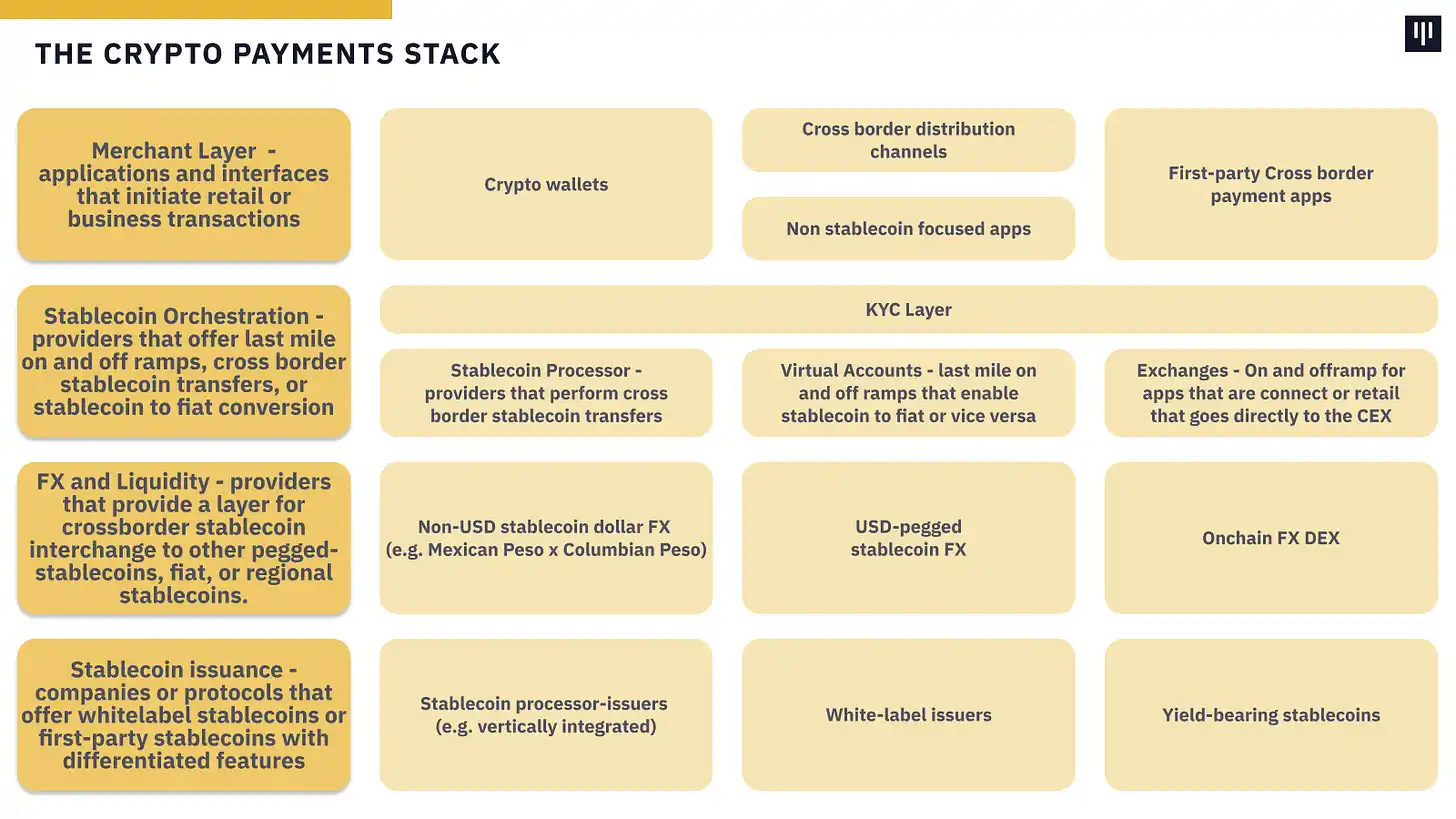
尽管稳定币技术栈不断发展,但以下是新兴的几个层次:

  1. 商户层 – 起源于零售或商业交易的应用和接口。
  2. 稳定币协调层 – 提供最后一公里的上下链服务、虚拟账户、跨境稳定币转账或稳定币与法币兑换的服务商。
  3. 外汇与流动性层 – 提供跨境稳定币与其他美元挂钩稳定币、法币或区域稳定币之间互换的服务商。
  4. 稳定币发行层 – 提供白标稳定币或具有差异化特性的首发稳定币的公司或协议。


市场


与加密货币交易所在世界各个角落涌现以迎合当地参与者的方式类似,我们预计各种加密货币跨境应用程序和处理器将会出现,因为它们迎合特定的稳定币市场。

就像传统金融和支付一样,在堆栈的每个部分构建护城河对于扩大超越初始价值主张的商业机会非常重要。我们已经考虑了哪些护城河是可防御的,并且可以随着时间的推移在每一层扩展:

· 商户层——护城河是通过拥有用户或企业的稳定币流来建立的。这提供了追加销售其他服务、销售用户流和拥有端到端客户体验的机会。稳定币的 Robinhood 将遵循类似的策略出现。

· 稳定币整合——许可证!谁拿到许可证,谁将以最便宜的价格获得最可靠、最全球覆盖。它会对开发人员友好吗?看看 Stripe x Bridge 的收购,了解这里的护城河在哪里以及如何形成。

· 外汇和流动性——流动性产生流动性,流量产生价值累积。任何能够获取专有流动性并有效定价的参与者都将胜过没有它的新进入者。这就是为什么一些大型交易所今天为某些主要渠道的大部分稳定币流量提供服务。我们还认为,从场外交易式外汇到交易所式外汇再到链上式外汇的过渡将促进这一层更快的支付和交易。

· 稳定币发行——随着时间的推移,发行将商品化,并必然导致数十种大型品牌稳定币(例如 PYUSD)的推出。随着堆栈其他层级的增长(即商家、业务流程和流动性),我们预计这些层级将有能力推出自己的稳定币,无论是获取收益、构建自己的品牌稳定币,还是构建专有的稳定币流动性和流量。

随着堆栈各层逐渐捆绑在一起,这些层会随着时间的推移而合并。商户层最适合聚合堆栈的其他层,从而为最终用户提供更多价值、增加利润并创造更多收入来源。他们将有权选择自己进行哪些外汇交易、拥有或租用哪些出入通道以及使用哪些发行商。

此外,我们预计,对于促进大量资金流动的大型金融科技公司和电子商务提供商来说,稳定币的发行将变得越来越普遍。下一代新银行和金融科技公司将由稳定币定义。就在本月,我们听说 Visa 等大型信用卡网络、JPM 等银行以及 Blackrock 等资产管理公司对探索自己的稳定币项目感兴趣。


展望未来:数字美元的下一个十年

美元的代币化仍处于起步阶段。

即使稳定币的 MAU 达到历史最高水平,我们相信,随着未来十年数亿人与稳定币互动,其采用仍将继续。

重要的是,即使在交易所交易量波动的情况下,稳定币用户仍在不断增加。从牛市到熊市,稳定币都占据主导地位并扩大其数字影响力。

随着加密货币从头开始重建金融体系,稳定币也同时存在,并融入传统金融支付网络。

虽然 Stripe、Visa 和 Paypal 等大型公司都已进入稳定币市场,但我们看到专注于稳定币的新协议和公司拥有大量机会。

以下是一些让我们兴奋的想法:

· 稳定币新银行(Neobank)——移动设备的出现使 Neobanks 获得了巨大的价值。加密 Neobanks 不仅将提供一流的支付渠道,还将支持下一代消费者金融应用,这些应用将聚合支付、交易、收益、贷款和其他核心金融服务。

· 链上外汇——虽然目前大多数稳定币都与美元挂钩,但我们预计会有更多货币上链,从而推动链上外汇层的发展。更直接的是,随着大量与美元挂钩的收益稳定币提供不同的收益和价值主张,我们预计这些最初的与美元挂钩的稳定币需要外汇层。

· Telegram 支付轨道——Telegram 提供原生支付钱包,但我们也看到了一个独特的机会,可以利用 TG 小程序等新界面在 Telegram 之上构建新的支付层。

· 加密轨道上的汇款——Remitly、Wise、Intermex、Ria、MoneyGram、Western Union。所有汇款公司,每家都有数亿至数十亿美元的年收入。汇款公司收取固定费用,对于低金额(例如 60 美元交易收取 6 美元)或高费用(每笔交易 30-100bps)来说,这些费用是有意义的。稳定币降低了全球汇款的成本,并使流程变得无缝。金钱。「汇款利润是稳定币的机会。」- Jeff「Stables」Besos

· 全球 Venmo——构建 P2P 轨道,将类似 Venmo 的功能推向全球范围。汇款通常是单向流动,而这将在更为双向的流动中服务于社交商务用例。

· 稳定币支持资金管理和运营——随着金融科技领域从 PayPal 支付扩展,它在财富管理、个人理财、工资单、企业支出和费用管理、新银行、财务会计和报告、贷款 / 抵押贷款等领域创造了数十亿美元的机会。同样,稳定币提供了一个机会,可以用稳定币支持的更好的轨道重建许多这些繁琐的流程。在短期内,资金管理和运营要处理复杂的操作,这使得稳定币的价值主张可以被颠覆。


结束语

稳定币代表着万亿美元的商机。我们希望支持那些能够看到稳定币未来前景、不受金融体系影响的创始人和有远见的人。

Leituras Relacionadas

June Transaction Volume Doubles: x402 Ecosystem Continues to Expand, Content Monetization Narrative Faces Crucial Test

X402, a protocol for AI and data services, experienced significant growth in June. Its transaction volume doubled compared to May, primarily driven by the AI inference routing service BlockRun. The ecosystem expanded with new integrations: Apify enabled data scraping services, Exa extended its AI search to Solana, and Seal launched 'Hacks', a marketplace for automated AI agents. The protocol itself received crucial upgrades, including 'Builder Codes' for tracking and affiliate systems and 'Batch Settlement' to enable practical micropayments for high-frequency AI tasks. Major external validation came from tech giants. Amazon Web Services (AWS) launched a solution for AI traffic metering at its edge nodes. More significantly, Cloudflare opened its waitlist for a Content Monetization Gateway. This gateway allows websites to charge AI bots and other automated agents for accessing content, using x402 for stablecoin payments. This addresses a core internet monetization problem and represents x402's most promising path to mass adoption, though Cloudflare's CEO noted current blockchain scalability remains a critical hurdle. Current leading use cases are AI inference routing and paid data feeds. However, the large-scale real-world test with Cloudflare's gateway will be decisive in determining if x402 can transition from a useful tool to a fundamental infrastructure component for a new web economy where AI agents pay for the content they consume.

Foresight NewsHá 20m

June Transaction Volume Doubles: x402 Ecosystem Continues to Expand, Content Monetization Narrative Faces Crucial Test

Foresight NewsHá 20m

RWA Weekly: EU Proposes Revision of MiCA to Cover Tokenization and Non-EU Stablecoins; Swift and 17 Banks to Pilot Tokenized Cross-Border Payments

RWA Weekly: EU Proposes MiCA Revision for Tokenization and Non-EU Stablecoins; Swift to Pilot Tokenized Cross-Border Payments with 17 Banks During the statistical period of July 3-10, 2026, the RWA sector showed signs of recovery. The total on-chain market capitalization of RWAs rebounded to $33.12 billion, ending a prolonged decline. The stablecoin market cap also returned above $300 billion, with active addresses and holders increasing, indicating restored market vitality. Key regulatory developments include China promoting the use of digital yuan in consumption vouchers, the EU considering revisions to its MiCA framework to cover tokenization and non-EU stablecoins, and Kazakhstan authorizing stablecoin use for cross-border corporate and government payments. In Hong Kong, HSBC issued its first "digitally native" structured product. Major project updates feature Swift announcing readiness of its blockchain ledger for a 24/7 tokenized cross-border payment pilot involving 17 global banks. Ondo launched a perpetuals platform allowing tokenized stocks as collateral. Sony received conditional U.S. OCC approval to launch a stablecoin-focused trust bank in 2027. Tether plans to natively issue USDT on Bitcoin via the RGB protocol. Significant funding rounds saw Securitize planning to deploy over $400 million for acquisitions to expand its institutional tokenization business, while Tether invested $20 million in Brazil's Mercado Bitcoin to support its growth in on-chain financial services. Analysis highlights that stablecoins are evolving into global financial infrastructure with regional specializations and that institutions should consider international expansion to gain practical experience in the RWA tokenization space amidst evolving regulations.

marsbitHá 54m

RWA Weekly: EU Proposes Revision of MiCA to Cover Tokenization and Non-EU Stablecoins; Swift and 17 Banks to Pilot Tokenized Cross-Border Payments

marsbitHá 54m

The first to catch the wave of the Robinhood Chain hype is Arbitrum, up nearly 20%

"ARB, the native token of Arbitrum, surged nearly 20% recently, emerging as a top-performing L2 token. This rally is attributed to the launch of 'Robinhood Chain,' a Real-World Asset (RWA) Layer 2 built using Arbitrum's technology. The launch has brought renewed attention to the 'Arbitrum Expansion Plan' (AEP), a year-and-a-half-old program. AEP allows external projects to build their own chains using Arbitrum's Orbit technology. In return, these 'tenant' chains that do not settle on Arbitrum's main networks must share 10% of their net protocol revenue with the Arbitrum ecosystem—8% to the DAO treasury and 2% to the developer guild. While smaller chains like Degen Chain previously triggered AEP, Robinhood Chain is the first major, high-profile tenant, making the revenue-sharing model economically significant for the first time. Initial data from Robinhood Chain is impressive, with over 35 million transactions, 350,000 addresses, $2.5 billion in TVL, and over $1 billion in DEX volume shortly after launch. However, its current protocol revenue, at roughly $146,000 net, translates to only a minimal payout to Arbitrum DAO. The ARB price surge thus reflects the market's anticipation of future revenue as Robinhood's vast $324 billion platform assets potentially migrate on-chain. This 'landlord' model mirrors Optimism's approach with its OP Stack and Superchain. However, Optimism's model faces pressure as its largest tenant, Base, announced plans to depart, causing a significant drop in OP's price. Similarly, analysts question Robinhood Chain's long-term dependence on Arbitrum, noting its daily sequencer revenue already nears three times that of Arbitrum itself. There is speculation that, like Base, it may eventually seek independence, with ETH potentially being its primary economic token rather than ARB."

Foresight NewsHá 1h

The first to catch the wave of the Robinhood Chain hype is Arbitrum, up nearly 20%

Foresight NewsHá 1h

Trading

Spot
活动图片