Разработчики запустили вторую версию Euler Finance после взлома на $200 млн

cryptonews.ruPublicado em 2022-06-05Última atualização em 2024-09-05

Команда Euler Finance запустила вторую версию DeFi-протокола. Рестарт после атаки на $200 млн в марте 2023 года последовал за 31 аудитом от Certora, Omniscia, OtterSec, Open Zeppelin, Trail of Bits и других специалистов, пишет The Block.

v2 позиционируется как «протокол мета-кредитования». Он предназначен для того, чтобы позволить разработчикам создавать высоконастраиваемые хранилища для лендинговых операций и открыть возможности для использования кредитов ончейн.

Таким образом, устраняется фрагментация и неэффективность капитала, которые, «поразили» изолированные рынки кредитования, говорится в пресс-релизе.

Euler v2 позволяет развертывать permissionless-хранилища ERC-4626 через Euler Vault Kit, соединяясь с другими с помощью Ethereum Vault Connector.

В них можно помещать криптовалюты, RWA с permissioned-ограничениями на передачу, синтетические активы и NFT.

Создатели могут устанавливать параметры риск/вознаграждение и выбирать, оставлять ли за собой руководство для управления рисками или передать подобные опции кредиторам.

Каждое хранилище может принимать депозиты в виде залога — уникальная функция Euler, которая, по словам команды, может быть использована для повышения ликвидности в экосистеме.

При запуске v2 фронтенд-интерфейс поддерживает четыре класса хранилищ:

  • с эскроу-залогом;
  • управляемые;
  • неуправляемые;
  • хранилища-агрегаторы доходности.

Ценообразование активов осуществляется с помощью Euler Price Oracle System композитной системы ончейн-ценообразования на основе интерфейса IPriceOracle.

Euler v2 позволяет осуществлять ликвидации на «свободном рынке». Более продвинутые создатели хранилищ смогут настраивать собственные процессы для этих операций, согласно команде.

EUL по-прежнему остается governance-токеном для v2.

В ближайшие недели Euler Labs анонсирует «значительные проекты», связанные с хранилищами.

Команда также работает над решением проблем с затратами, с которыми сталкиваются пользователи DeFi при торговле между платформами, пообещали разработчики.

Ранее в MakerDAO провели ребрендинг в Sky и сменили названия у обновленных версий стейблкоина DAI и governance-токена MKR.

Напомним, взломщик Euler Finance вернул проекту почти всю украденную сумму оставив себе около $19 млн в качестве оговоренного вознаграждения.

Белый хакер назвал причину эксплойта Euler Finance на $200 млн

Leituras Relacionadas

'Bear' Doomsday Prophecy: AI 'Reaching Its Peak', U.S. Stocks to Top Out Fastest in Q3, Down 30-50%

"A Short Seller's Dire Prediction: AI Boom Fading, US Stocks to Peak by Q3 with 30-50% Decline" Prominent macro investors Jeffrey Gundlach and Felix Zulauf warn that the AI-driven market rally is nearing its end, forecasting a major US stock market correction of 30-50%, potentially beginning as early as Q3. Their analysis points to alarming parallels with historical market tops, citing extreme concentration in the top AI-related stocks within the S&P 500. Zulauf's bearish thesis hinges on unsustainable capital expenditure trends among major cloud companies, negative free cash flow emergence, and soaring semiconductor prices. Gundlach highlights dangerous parallels to the 1999 tech bubble peak. A key divergence from conventional wisdom is Gundlach's view that long-term Treasury yields will not fall meaningfully even during a recession, due to America's structurally out-of-control fiscal deficits and soaring interest costs. He warns this could force the government into yield curve control or even a sovereign debt restructuring. Both investors express severe concerns about the opaque private credit market, drawing parallels to the pre-2008 financial crisis environment. They allege widespread rating inflation, misrepresented credit quality, liquidity illusions, and fraudulent asset valuations within this sector. The analysis links the AI boom and private credit crisis through financing costs. They argue that as AI companies' cash flows weaken and they seek funding, a high and sticky long-term interest rate environment will severely stress lower-rated corporate borrowers, exposing cracks in credit markets. Finally, they predict a regime shift where the US dollar weakens and US equities underperform global markets, marking the end of their long dominance. The stage is set for a significant market reversal.

marsbitHá 6m

'Bear' Doomsday Prophecy: AI 'Reaching Its Peak', U.S. Stocks to Top Out Fastest in Q3, Down 30-50%

marsbitHá 6m

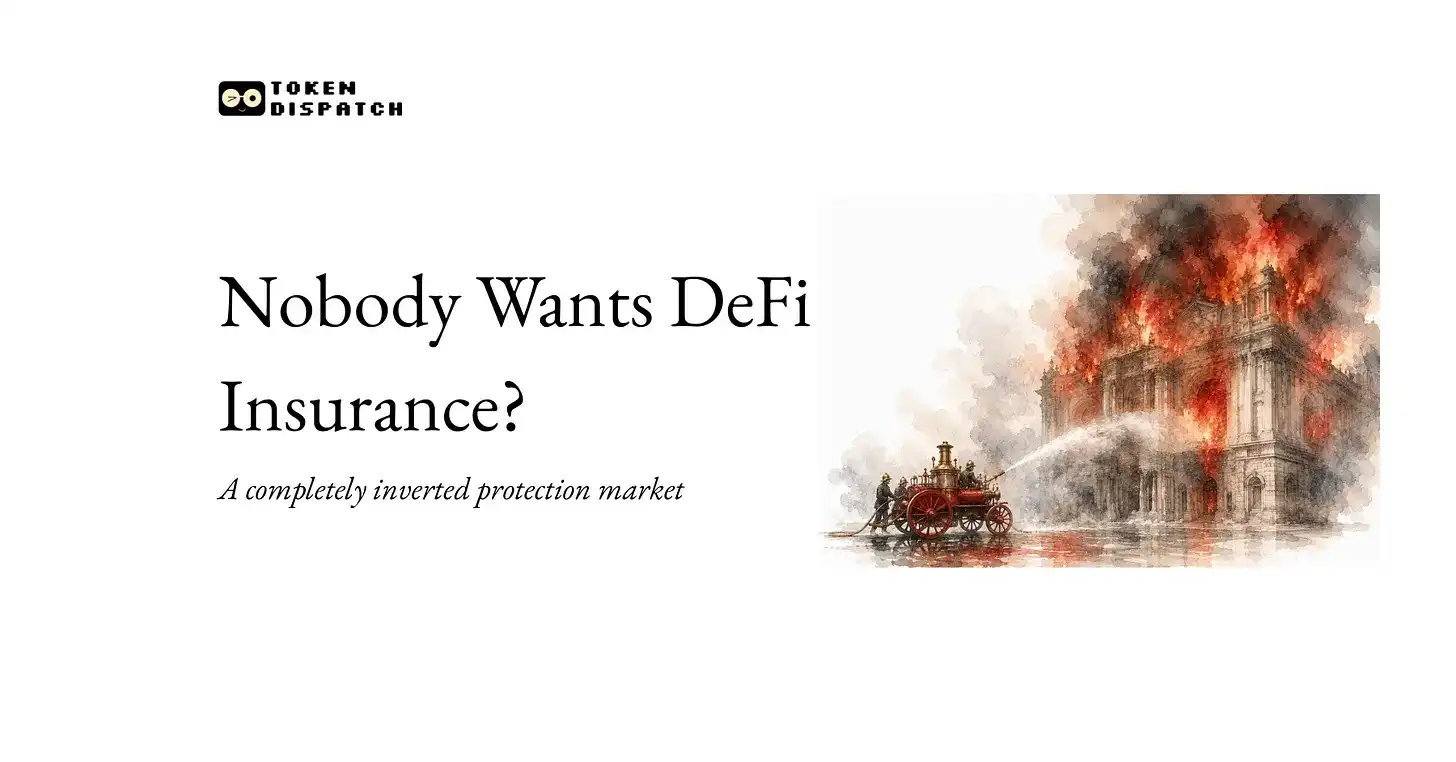
Why Does No One Buy DeFi Insurance?

**Title: Why Isn't DeFi Insurance Being Bought?** DeFi insurance, which promised automated, unbiased payouts via smart contracts, has failed to gain traction. The core issue is economic: high premiums severely erode the yields that attract users to DeFi in the first place. For example, insuring a USDC deposit on Aave V3 could cost 1.5–2.5% of the annual yield, leaving a net return barely above a savings account. For riskier platforms like Maple Finance or Ethena, premiums can even turn net yields negative. Consequently, users often forgo insurance, as it nullifies their profit motive. The market also suffers from structural flaws. First, DeFi risks are highly correlated (e.g., an oracle failure can impact multiple protocols simultaneously), unlike the independent risks in traditional insurance. This makes large-scale events potentially catastrophic for insurers. Second, the total capital in DeFi insurance pools (e.g., Nexus Mutual's ~$81.5M) is minuscule compared to the hundreds of billions in total value locked (TVL), creating a massive capacity gap. A single major hack could drain the entire industry's reserves. Furthermore, the governance model where tokenholders vote on claims creates a conflict of interest, incentivizing them to deny payouts to protect their own funds. As a result, the sector is shrinking. While pioneers like Nexus Mutual are pivoting to preventative measures (bug bounties) and seeking external capital via reinsurance, the fundamental problems remain. DeFi insurance represents a public good—its stability benefits the entire ecosystem—but without a mechanism to share costs, a "tragedy of the commons" ensues where no one is willing to pay, leaving the system vulnerable.

marsbitHá 20m

Why Does No One Buy DeFi Insurance?

marsbitHá 20m

Trading

Spot
Futuros
活动图片