Чарльз Хоскинсон допустил утрату биткоином своих рыночных позиций

cryptonews.ruPublicado em 2024-03-03Última atualização em 2024-09-03

Криптоиндустрии больше не нужен биткоин для выживания — это религия, а не экосистема, которая обречена в долгосрочной перспективе. Об этом заявил основатель Cardano Чарльз Хоскинсон.

Cardano CEO: I don’t see how #Bitcoin survives, it’s a religion not an ecosystem… hashrate will fall and it will die a slow heat death 🤔

pic.twitter.com/dR77Gvf2H3

— Bitcoin News (@BitcoinNewsCom) September 1, 2024

Предприниматель привел в пример ситуацию вокруг Windows. По его мнению, в Microsoft перестали стремиться к инновациям. В результате у пользователей появились гаджеты и операционные системы Android и iOS. Он убежден, что такие же перспективы вырисовываются у биткоина — внимание переключится на другие цифровые активы.

Хоскинсон отметил, что 98% изменений в индустрии происходит вне первой криптовалюты. По этой причине в будущем он видит сценарий снижения хешрейта блокчейна цифрового золота и его медленный переход к «тепловой смерти».

Основатель Cardano отметил, что призывал биткоин-разработчиков к инновациям и предлагал различные идеи, реализованные в том числе в одном из сайдчейнов, которые повышают функциональность первой криптовалюты и ее конкурентные позиции с Ethereum. Но движению вперед препятствует культура сообщества, посетовал он.

На интервью Хоскинсона отреагировал биткоин-максималист Туур Деместер. Эксперт отметил, что за последние три года капитализация Cardano в соотношении с цифровым золотом упала с 10% до 1%.

Classic projection. In just 3 years time, Cardano went from 10% of bitcoin's market cap to a paltry 1%. pic.twitter.com/CkfQ0izHcd

— Tuur Demeester (@TuurDemeester) September 2, 2024

2 сентября основатель сервиса Mynth Роберт Руз предложил исключить Хоскинсона из проекта для «повышения децентрализации». По его мнению, сеть выиграет с отказом от центральной фигуры, выделившись в сравнении с другими блокчейнами.

Sure. He doesn't write code. He doesn't manage the people who write the code (he manages the managers above). And he's not invovled with the decisions over technical direction.

Charles can correct me if I'm wrong of course 😊 I can only comment from my outside perspective of…

— SynthLuvr (@SynthLuvr) September 2, 2024

«[Хоскинсон] не пишет код. Он не управляет людьми, которые это делают (он руководит менеджерами выше). [Хоскинсон] не участвует в принятии решений по техническому направлению. […] Переход технологических компаний к более плоской структуре, где у авторов кода больше контроля, как правило, является позитивным шагом. Это делает ненужными менеджеров менеджеров (определение CEO). IOG уже представляет собой фирму, состоящую из множества небольших команд. Я бы предложил пойти дальше и сделать каждую из них отдельной организацией, подотчетной пользователям», — предложил Руз.

Специалист признал вклад Хоскинсона в создание Cardano, но подчеркнул, что теперь развитием проекта должно заниматься сообщество.

No. Charles leaving Cardano would be a positive. He did a great job to create Cardano. Now let him move on and let the community take over.

— SynthLuvr (@SynthLuvr) September 1, 2024

Дискуссия развернулась после активации обновления хардфорка Chang.

Напомним, в апреле основатель Cardano Чарльз Хоскинсон сообщил, что до конца года блокчейн ожидает еще один важный апгрейд — внедрение новой версии механизма консенсуса Proof-of-Stake.

Что такое Cardano (ADA)?
Leituras Relacionadas

Korean Companies That Learned to Hoard Coins from MicroStrategy: From Bull Market to Delisting?

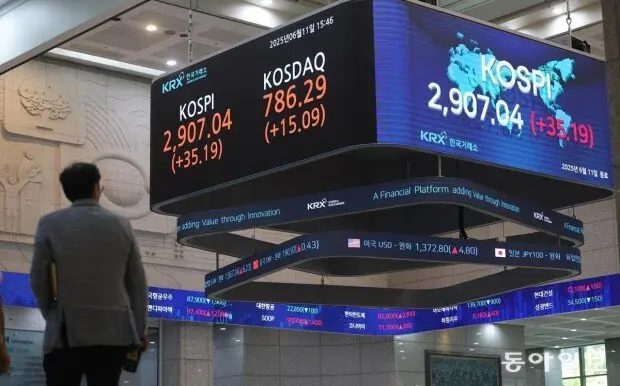
South Korean companies that adopted the “Digital Asset Treasury” (DAT) strategy—issuing shares to buy and hold Bitcoin, inspired by MicroStrategy—now face delisting risks on the KOSDAQ market. New regulations effective July 1, 2026, tightened listing maintenance rules, notably raising the minimum market capitalization threshold from 150 billion KRW to 200 billion KRW (about $1.3 million), with a further increase to 300 billion KRW scheduled for January 2027. Companies failing to meet both the share price and market cap requirements for specified periods risk being designated for delisting, with fewer options for financial engineering like stock splits to artificially boost prices. The downturn in cryptocurrency prices has severely impacted these firms. Bitcoin, which peaked above $120,000 in mid-2025, has fallen below $60,000, forcing DAT companies to report large valuation losses. Compounding this, the KOSDAQ index has dropped about 10% year-to-date, while the main KOSPI index surged nearly 95%, diverting investor interest away from smaller-cap stocks. Examples like BitPlanet (holding 300 BTC) and Parataxis Ethereum currently hover just above the new market cap limits, but face heightened scrutiny and potential delisting starting in 2027. Industry analysts warn that the combination of weak crypto markets, a struggling KOSDAQ, and stricter regulations creates a significant survival challenge for these companies, highlighting the risks of business models overly reliant on volatile digital asset prices.

链捕手Há 6m

Korean Companies That Learned to Hoard Coins from MicroStrategy: From Bull Market to Delisting?

链捕手Há 6m

Countdown to the CLARITY Act: 25 Days Left—What Will Happen to the Crypto Market if It Fails to Pass Before the August Recess?

"The CLARITY Act, a key US crypto market structure bill, faces a tight deadline with only 25 working days left before the Senate's August 10 recess. The bill aims to clarify SEC/CFTC jurisdiction and establish a non-security path for decentralized tokens. Despite passing the House in 2025 and a Senate committee in May 2026, final negotiations have stalled over ethics and law enforcement provisions, jeopardizing the 60 Senate votes needed. If the bill fails to pass before the recess, its chances in 2026 drop significantly, with prediction markets giving only a 40% probability. Analyst Galaxy Digital has lowered its 2026 passage odds to 50%. Failure would likely lead to continued 'slow bleeding' in crypto markets, as seen in June's record $4.5 billion net outflow from US Bitcoin ETFs. XRP, which stands to gain permanent commodity status from the bill, could lose its 'regulatory premium.' Bitcoin and Ethereum, already classified as commodities via a joint agency interpretation, would face less direct impact but broader regulatory uncertainty would persist, delaying institutional capital and DeFi innovation. The path forward includes: 1) Passage before August (a major catalyst), 2) Delay to 2027 (extending market uncertainty), or 3) Failure, requiring the bill to be reintroduced in the next Congress. While delay is a setback, the bill's progress indicates the US is closer than ever to resolving crypto regulatory ambiguity."

marsbitHá 40m

Countdown to the CLARITY Act: 25 Days Left—What Will Happen to the Crypto Market if It Fails to Pass Before the August Recess?

marsbitHá 40m

Trading

Spot
活动图片