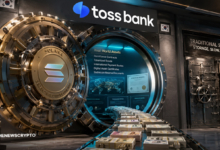
Люк Дашжр: Две крупные майнинговые компании стали угрозой для биткоина

cryptonews.ruPublicado em 2021-12-26Última atualização em 2024-08-26

Разработчик и программист заявил, что сейчас у всего двух компаний под контролем находится более 55% глобального хешрейта сети Биткоина. По мнению эксперта, децентрализованная природа первой криптовалюты оказалась под угрозой.

Люк Дашжр (LukeDashjr) указал на американскую компанию Foundry USA, на долю которой приходится 196,9 EH/s от мирового хешрейта, что в процентном выражении составляет 30,6%, и на китайскую AntPool, имеющую хешрейт в 163 EH/s — 25,3% от общего показателя.

«Децентрализованная природа биткоина под угрозой существования, поскольку две компании, американская и китайская, являющиеся частью крупных корпораций, поставили под контроль около 56% глобального хешрейта», — объявил Дашжр.

Эксперт считает, что в подобных обстоятельствах так называемая атака 51% (хакерская атака, при которой третья сторона захватывает контроль над блокчейн-сетью) становится все более вероятной. Образование двух крупнейших пулов для майнинга криптовалюты может окончательно похоронить философию свободы биткоина, подчеркнул аналитик.

Ранее крупнейший канадский оператор майнинга Bitfarms и американская компания Stronghold Digital Mining объявили о слиянии бизнеса.


Leituras Relacionadas

Which Crypto Sectors Have Been "Eaten" by AI Agents?

The article examines which crypto sectors have been increasingly dominated by AI Agents and which remain human-centric. In certain high-speed, efficiency-driven areas, AI Agents have taken clear control. This includes derivatives/perpetuals trading, where bots outperform humans significantly (e.g., a contest showed 0% of AI Agents were liquidated vs. 43% of humans), arbitrage/MEV extraction, and yield optimization (with ~68% of new DeFi protocols in Q1 2026 featuring autonomous AI Agents). Spot trading and portfolio optimization are also seeing heavy Agent adoption. However, the shift is not universal. In "battleground" sectors, both Agents and humans coexist. In prediction markets, Agents dominate short-term arbitrage, but humans still outperform in long-term, nuanced judgment calls. In DeFi lending, while liquidation is automated, core deposit/borrow decisions remain largely human-driven. Sectors still firmly led by human activity include stablecoin payments and card-based spending (driven by real-world economic activity and remittances) and wallets, which serve as the crucial human-verification and approval layer. The rise of Agents increases the need for robust human-Agent verification layers. Projects like World/AgentKit, t54, Self Protocol, and Kite AI are building infrastructure to create trust, security, and accountability by binding Agents to verified human identities. In conclusion, while AI Agents have decisively "eaten" speed and optimization-focused crypto sectors, human judgment, trust, and real-world context remain dominant in areas that create broad economic value, such as payments and identity. The future likely involves a symbiotic relationship where Agents require human verification and oversight to operate effectively.

Foresight NewsHá 6m

Which Crypto Sectors Have Been "Eaten" by AI Agents?

Foresight NewsHá 6m

After Rising 11 Times in a Year, Micron's Earnings Report Becomes a Stress Test for the AI Memory Market

**Micron's Upcoming Earnings: A Crucial Test for the AI Memory Rally** Investors in AI memory stocks face a critical moment on June 24th, when Micron Technology reports quarterly earnings. The stock, having surged approximately 11-fold from $103 to $1,134 over the past year, carries immense market expectations. Wall Street consensus forecasts a staggering ~932% year-over-year jump in EPS to around $19.72 and ~270% revenue growth to ~$345 billion, largely driven by sold-out HBM (High Bandwidth Memory) capacity through 2026. Analysts have aggressively revised estimates upward over the last 90 days, with EPS expectations rising 68%. This creates a high bar: even strong results risk a sell-off if they fail to meet these elevated projections. Notably, price forecasts from institutions like Citi (predicting ~200% DRAM price increases in 2026) are already among the most bullish on Wall Street, not conservative. The key metric to watch is gross margin, guided to a record ~81%. Such peak profitability raises questions about sustainability in the historically cyclical memory sector. While management has signaled continued strength, the stock's direction post-earnings will likely hinge more on forward guidance for the next quarter and details on HBM capacity expansion for 2027, rather than the already-anticipated stellar past results. The report represents a major pressure test for the high-flying AI memory trade.

marsbitHá 10m

After Rising 11 Times in a Year, Micron's Earnings Report Becomes a Stress Test for the AI Memory Market

marsbitHá 10m

Trading

Spot
Futuros
活动图片