为什么唐纳德·特朗普坚持控制美联储?

币界网Publicado em 2024-08-13Última atualização em 2024-08-13

币界网报道:

唐纳德·特朗普无法停止谈论美联储。这家伙一直在告诉我们,他认为总统应该对美联储的运作方式有更大的发言权,尤其是在利率方面。

在最近于马阿拉歌庄园举行的新闻发布会上,这位共和党候选人重申了他对美联储“大错特错”的看法

他以典型的特朗普风格辩称,他的直觉——由多年的商业赚钱塑造——比目前管理美联储的人要好。

但特朗普并不是唯一一个这么想的人。他的竞选搭档、俄亥俄州参议员JD Vance也在他身边。在最近的一次采访中,万斯表示,利率决定“从根本上说应该是一个政治决定”

副总统卡玛拉·哈里斯

当然,民主党候选人卡玛拉·哈里斯(Kamala Harris)没有这些。她在亚利桑那州停留时回击说:

“美联储是一个独立的实体,作为总统,我永远不会干涉美联储做出的决定。”

特朗普与美联储:权力斗争正在酝酿

事情是这样的:美联储一直与白宫分开。总统无权决定利率,这是美联储的工作。这种设置旨在使货币政策等事情免受政治废话的影响。

《联邦储备法》基本上说,美联储需要把重点放在保持人们就业、保持价格稳定和确保利率不疯狂上。但作为特朗普,特朗普并不喜欢这种安排。
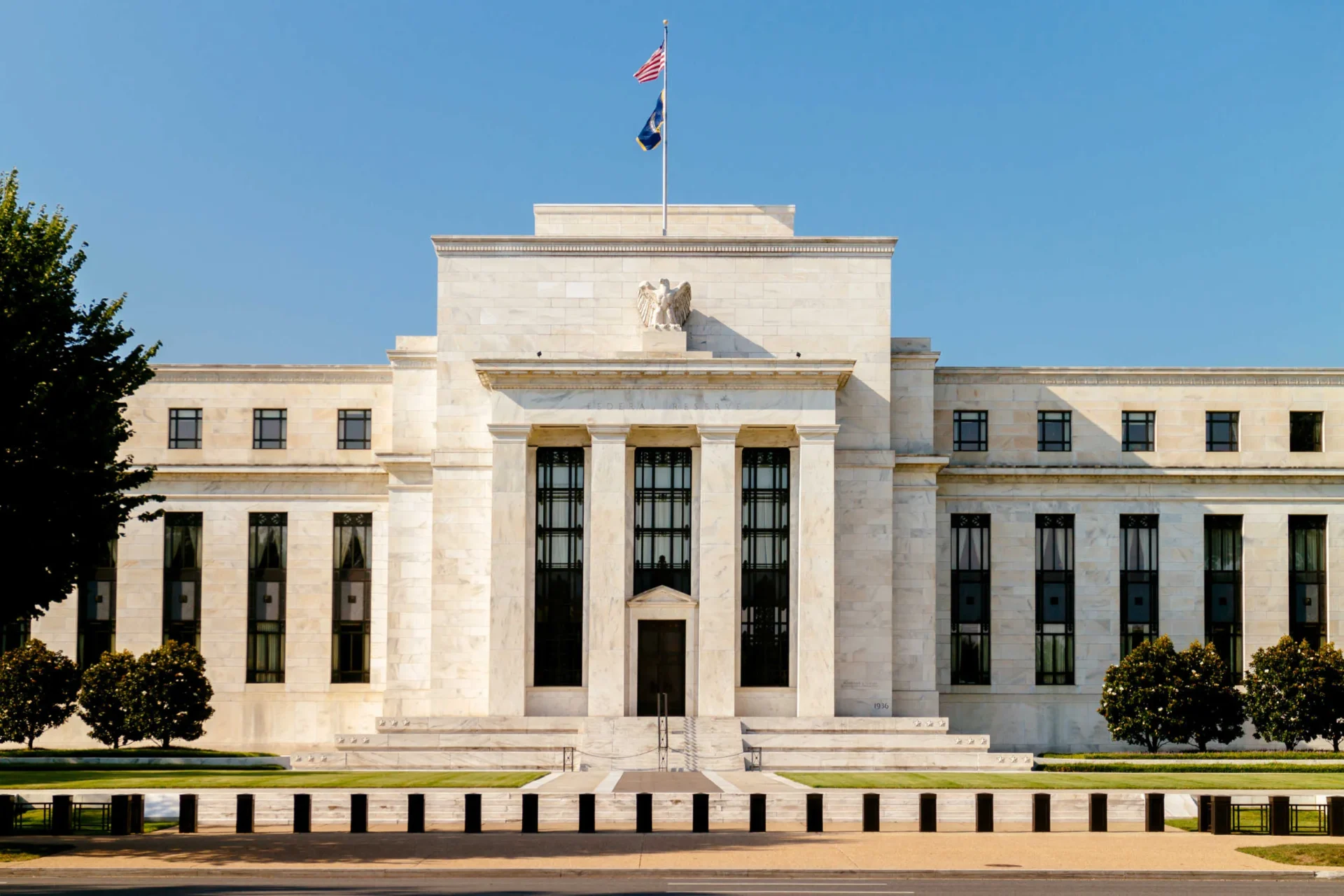
Why does Donald Trump insist on controlling the Federal Reserve?

就在上个月,特朗普表示,如果他再次当选,他将“大幅降低利率”。他认为通货膨胀和高利率正在“摧毁我们的国家”

“我把通货膨胀率降下来了,”他承诺,“这样人们就可以再次购买培根,这样人们就能够再次购买火腿三明治,这样人们就能去餐馆买得起。”经典的特朗普,对吧?带有民粹主义色彩的大胆承诺。

通货膨胀、利率和特朗普无休止的斗争

自从新冠肺炎爆发以来,通货膨胀一直让人头疼。价格疯狂飙升,达到了40多年来从未见过的水平。美联储试图通过在2022年3月至2023年7月期间11次加息来降温。

联邦基金利率目前在5.25%至5.50%之间。这个想法是让经济放缓到足以控制通货膨胀的程度。

但现在,事情开始稳定下来。通货膨胀率正在缓慢回落,接近美联储2%的目标。

6月,个人消费支出价格指数(基本上是美联储最喜欢的通胀指标)同比增长2.5%。

随着通胀降温,美联储可能最终开始考虑多年来首次降低基准利率。

当然,特朗普多年来一直在呼吁降低利率。记住,他在2018年提名杰罗姆·鲍威尔领导美联储,但这并没有阻止他公开抨击鲍威尔和美联储的决定。

特朗普抨击美联储将利率维持在过高水平,认为这使企业和普通人更难借钱。

杰罗姆·鲍威尔在参议院作证

他还声称,与利率较低的国家相比,这使美国处于经济劣势。但是,尽管他的声音很大,美联储还是没有让步。

现在,特朗普有了一个新的抱怨:潜在降息的时机。他一直在警告美联储在即将到来的总统选举之前不要降息。

上周,他表示,在选举前几周的9月份降息是“(央行官员)知道他们不应该做的事情”

特朗普仍然不信任鲍威尔。今年早些时候,他表示,如果有机会,他不会再次任命鲍威尔为美联储主席。
Leituras Relacionadas

Hong Kong Web3 Carnival: The Watershed Moment for Web3 Entering the Execution Phase

The 2026 Hong Kong Web3 Carnival marked a significant shift from previous industry discussions, signaling that Web3 has moved beyond theoretical validation into a phase of institutional and structural implementation. Hong Kong is not merely building a "Web3 industry cluster" but developing an operating system for the next-generation financial infrastructure. Key developments include the expansion of asset tokenization beyond cryptocurrencies to encompass bonds, real estate, and future income rights. This transition represents a fundamental restructuring of financial logic—shifting from institution-dominated asset control to rule-driven, programmable asset流动性 and distribution. Tokenization enables lower-friction participation and broader access to financial resources. Concurrently, AI is evolving from a tool into an autonomous economic agent. The proposed Decentralized Agentic Economy (DAE) framework suggests AI agents, empowered by blockchain-based identity and programmable money, will independently execute transactions and strategies—redefining market dynamics and reducing intermediation. Regulatory progress has been systematic: Hong Kong has expanded oversight to include exchanges, custody, staking, and derivatives, while gradually approving products like tokenized funds and stablecoins. The "same risk, same regulation" principle, combined with sandbox mechanisms, provides stability and transparency—key advantages in a globally fragmented regulatory landscape. Hong Kong’s approach integrates three core elements: real-world asset (RWA) tokenization, stablecoin settlement networks, and AI-driven economic agents. This systemic build-up positions Hong Kong not just as a participant but as a potential rule-maker in the next-era financial system, where asset flow, rules, and participants are simultaneously transformed.

marsbitHá 1h

Hong Kong Web3 Carnival: The Watershed Moment for Web3 Entering the Execution Phase

marsbitHá 1h

Trading

Spot
Futuros
活动图片