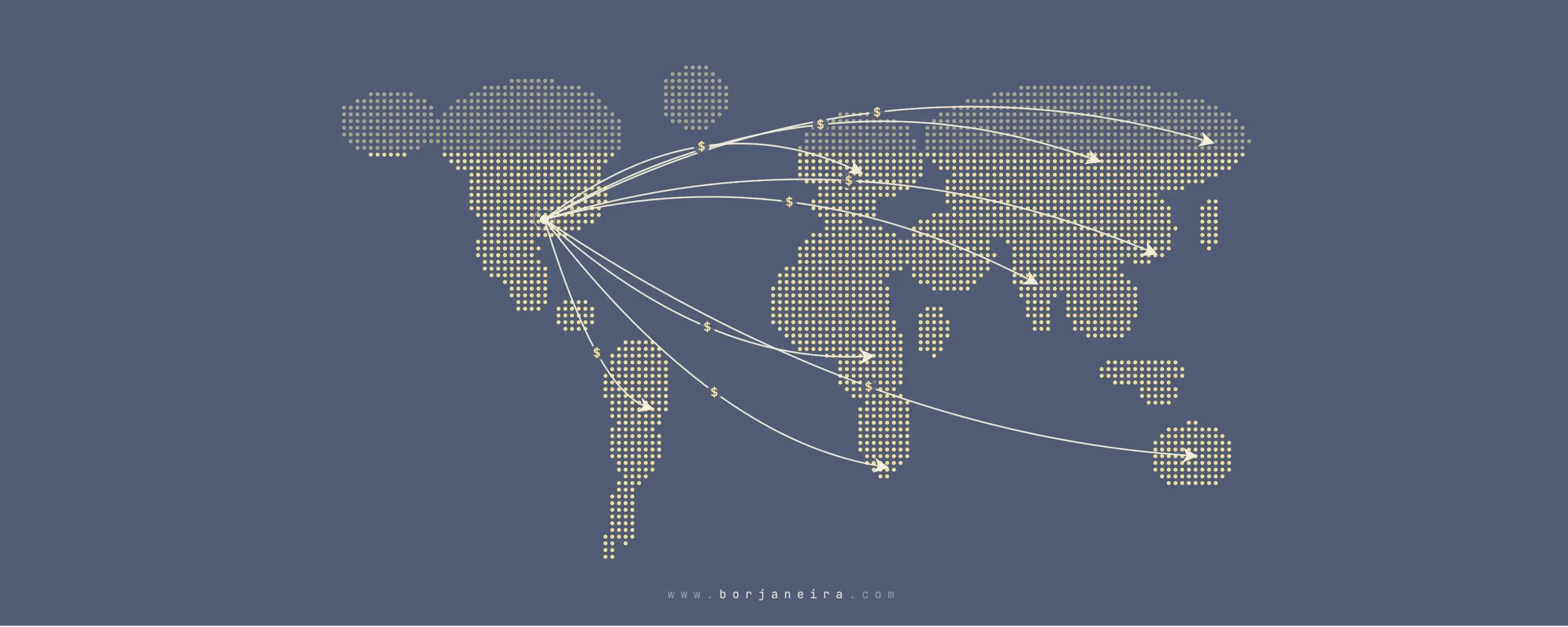
Суд Нью-Йорка обязал FTX и Alameda Research выплатить кредиторам $12,7 млрд

investing.ruPublicado em 2024-08-08Última atualização em 2024-08-08

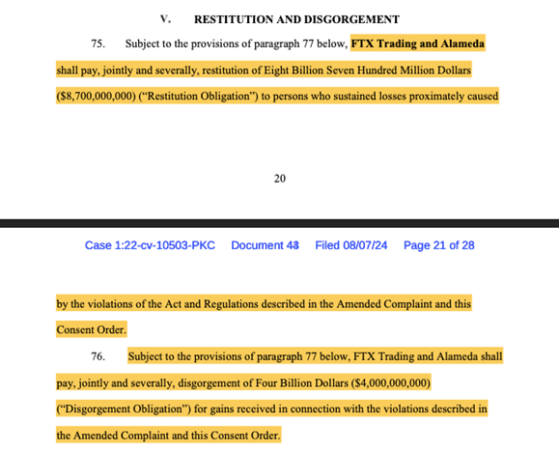
Судья Питер Кастел (Peter Castel) постановил, что FTX и Alameda должны выплатить, совместно и по отдельности, реституцию в размере $8,7 млрд лицам, которые понесли убытки. Кроме этого, соглашение предусматривает выплату $4 млрд в качестве комиссии за возврат незаконно полученного дохода.

Генеральный директор компании-ответчика FTX Джон Дж. Рэй III (John J. Ray III) в конце квартала каждого календарного года должен будет предоставлять CFTC отчет с подробной информацией о выплате средств или активов.

Напомним, что регулятор подал в суд на бывшего генерального директора FTX Сэма Бэнкмана-Фрида (Sam Bankman-Fried) и дочернюю компанию биржи Alameda Research в декабре 2022 года, обвинив их в мошенничестве. Изначальная сумма иска составляла $52,2 млрд.

В июле 2024 года CFTC заключила мировое соглашение с администрацией FTX, в рамках которого отказалась от требования уплаты гражданского штрафа.

Предложенный в мае план реорганизации предусматривает возмещение не менее 118% требований 98% кредиторов FTX, но часть инвесторов выступила против него. Голосование должно пройти 16 августа 2024 года.

Ранее парламент Багамских островов принял закон о цифровых активах и зарегистрированных торговых платформах, который появился вследствии краха зарегистрированной в стране биржи FTX и призван ужесточить контроль за криптоиндустрией.

Читайте оригинальную статью на сайте Bits.media
Leituras Relacionadas

Collateral Dollars: How Does a 'Second-Layer Dollar' Above Stablecoins Form?

Collateral Dollars: How Does a "Second Layer of Dollars" Form on Top of Stablecoins? Most assume stablecoins replicate Eurodollar functions, expanding the offshore dollar system. However, stablecoins primarily replace specific functions like operational dollar balances for settlement. They do not inherently create new dollar credit; they substitute existing claims. The key question is: what happens when financial intermediaries use stablecoins as collateral to create a new layer of dollar-denominated claims? This "collateral dollar" channel operates through secured lending, not direct money creation. A money-like event only occurs when a liability issued against the controlled stablecoin is funded, rolled over, or accepted at near-par value by another balance sheet. The discount (haircut) prices the gap between "effective control over the token" and "reliable convertibility to bank dollars." Elasticity stems not from the stablecoin itself but from the liability issued against it and the willingness of third-party balance sheets to treat that liability as a near-par asset. Compared to the traditional Eurodollar system—where elasticity originates from bank deposit creation—the stablecoin collateral chain is structurally different. Eurodollar deposits are credit-expansive from inception. Stablecoins are initially substitutive; elasticity emerges later if an intermediary's liability against them gains monetary acceptance. Stablecoins disrupt specific tiers of the offshore dollar system, mainly replacing operational settlement balances. They do not replace the need for full dollar balance-sheet capacity (credit lines, hedging, maturity transformation). For systemic impact, the second-layer liability must pass three tests: transferability, funding capacity, and monetary acceptance (being fundable or held at par by others). Pressure transmission also differs. In the Eurodollar system, stress moves up a hierarchy of claims. In a stablecoin collateral chain, the second-layer liability can lose its money-like status well before the underlying stablecoin faces a run, often triggered by haircut increases and margin calls that create a dynamic spiral of falling token prices and rising discounts. In conclusion, the "collateral dollar" is not the stablecoin itself. It is the second-layer liability issued against a controlled token balance that is willing to be funded and maintained at near-par value. Its existence depends on that liability surviving the leap from "token liquidity" to "bank dollar liquidity."

marsbitHá 1h

Collateral Dollars: How Does a 'Second-Layer Dollar' Above Stablecoins Form?

marsbitHá 1h

Trading

Spot
活动图片