Web3 手抄报:本周不容错过的行业热点及爆款

foresightnewsPublicado em 2024-01-12Última atualização em 2024-01-13

Resumo

比特币现货 ETF 终获批,一览 Arbitrum Orbit 生态项目。

Foresight News 带你速览本周热门话题与推荐内容:


01 比特币现货 ETF

《ETF 靴子落地,谁将接棒 2024 年的主流叙事?》

《便宜就是赚?比特币现货 ETF 费率大战的背后...》

《比特币现货 ETF 上线前,深入读懂加密 ETP 现状及潜力》

02 Arbitrum Orbit 生态

《Arbitrum Orbit 生态探索:18 条 Orbit 链,加速以太坊生态多链时代》

03 Web3er 说

《对话 HashKey Exchange 新 CEO 翁晓奇:ETF 与 RWA,是持牌加密交易所「弯道超车」的机会》

《必读!以太坊基金会昨日 AMA 精华集锦》

《Cyber Capital 创始人:单体式才是区块链扩展性的未来》

04 年度报告

《The Block 年度报告精编:回顾 2023,展望 2024》

05 行业洞察

《1kx:区块链扩容的终局是信任最小化和水平扩展》

《详解模块化 MEV:如何实现公平的交易排序?》


01 比特币现货 ETF


经过了十年的周旋与波折,美国证券交易委员(SEC)终于对市场做出妥协,于美东时间 2024 年 1 月 10 日下午,正式批准现货比特币 ETF 的上市和交易。ETF 尘埃落定之后,2024 年还有哪些值得关注的潜在主流叙事?推荐文章:


ETF 靴子落地,谁将接棒 2024 年的主流叙事?

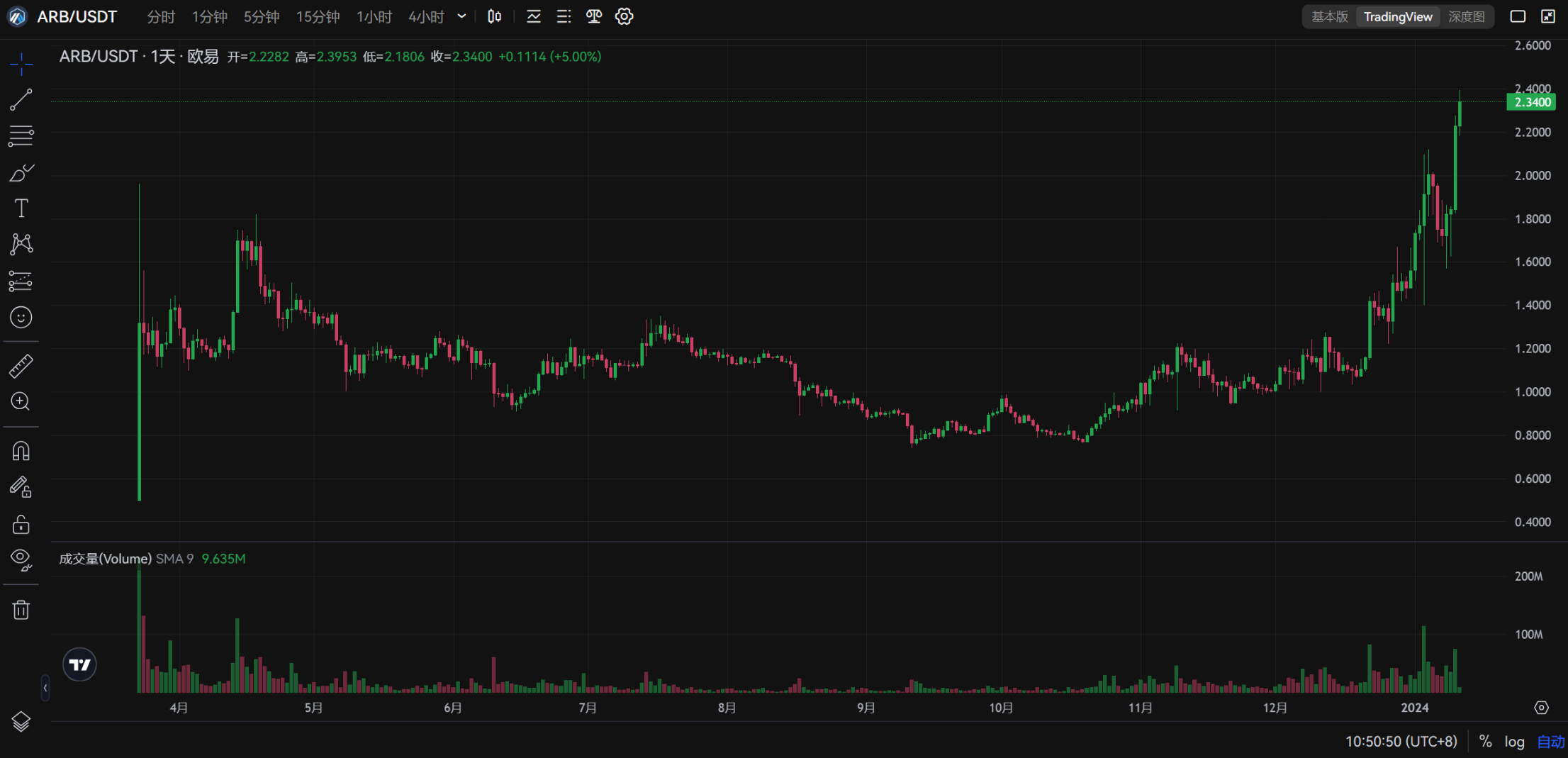
首先自然是 Layer2 板块,截至发文时,ARB 顺利突破 2.3 USDT(OKX 现货数据,下同),连续创下历史新高。
自从 12 月 21 日以来,ARB 累计涨幅已达 100%,在价格表现上成为 Layer2 赛道当之无愧的领头羊,其生态之上的 MAGIC、RDNT 的 24 小时涨幅也都超过 10%,外溢效应显现。
此外,其它 L2 项目也表现优异:OP 再度突破 4 USDT,距 4.18 USDT 的历史记录一步之遥;IMX 更是自 10 月 20 日以来连翻数倍,从不到 0.6 USDT 攀升至 2.2 USDT 上方;SKL 则短时突破 0.1 USDT,24 小时涨幅超 20% 等等。

多空拉锯的焦灼时刻,ETF 费率大战(Fees War)令人咋舌。那么,这个费率是什么,机构卷费率用意何为?与传统 ETF 相比,比特币现货 ETF 费率水平如何?在低费率的背后,对投资者来说,低费率就是真的赚吗?推荐文章:


便宜就是赚?比特币现货 ETF 费率大战的背后...

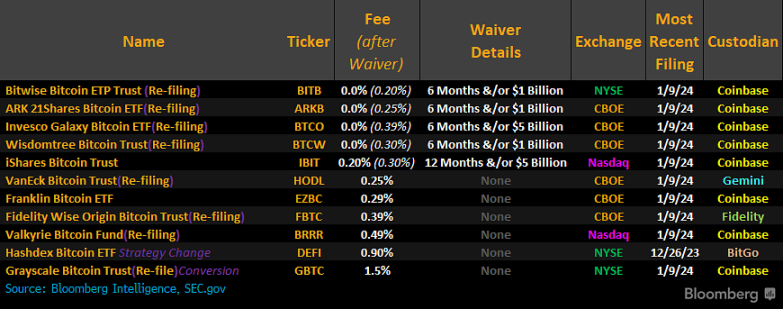
1 月 8 日开始至 9 日,11 家申请比特币现货 ETF 的机构发行商均在最后的修改文件中持续降低费率,在比特币 ETF 市场引发「降费潮」。截至 1 月 10 日,各机构最新费率如下(:

交易所交易产品(ETP)为散户和机构投资者提供了一种便捷、受监管且低成本的方式来获取一系列基础投资,加密货币就是其中之一。随着越来越多的传统金融机构加入加密货币原生公司的发行行列,ETP 不仅在扩大投资者获得加密货币机会方面发挥作用,而且也推动了在加密货币在全球金融市场的整体接受度。推荐文章:


比特币现货 ETF 上线前,深入读懂加密 ETP 现状及潜力

ETP 主要分为三种类型:交易所交易基金 (ETF)、交易所交易票据 (ETN) 和交易所交易商品 (ETC)。 ETF 是投资基金,而 ETN 和 ETC 是债务证券,ETC 跟踪黄金和石油等实物商品,ETN 用于所有其他类型的金融工具。自 1993 年第一只 ETF 创建以来,距今已有三十年了,ETP 已从股票市场跟踪产品发展成为最具创新性的投资产品类别之一,为投资者提供了一系列创新标的资产的投资机会。
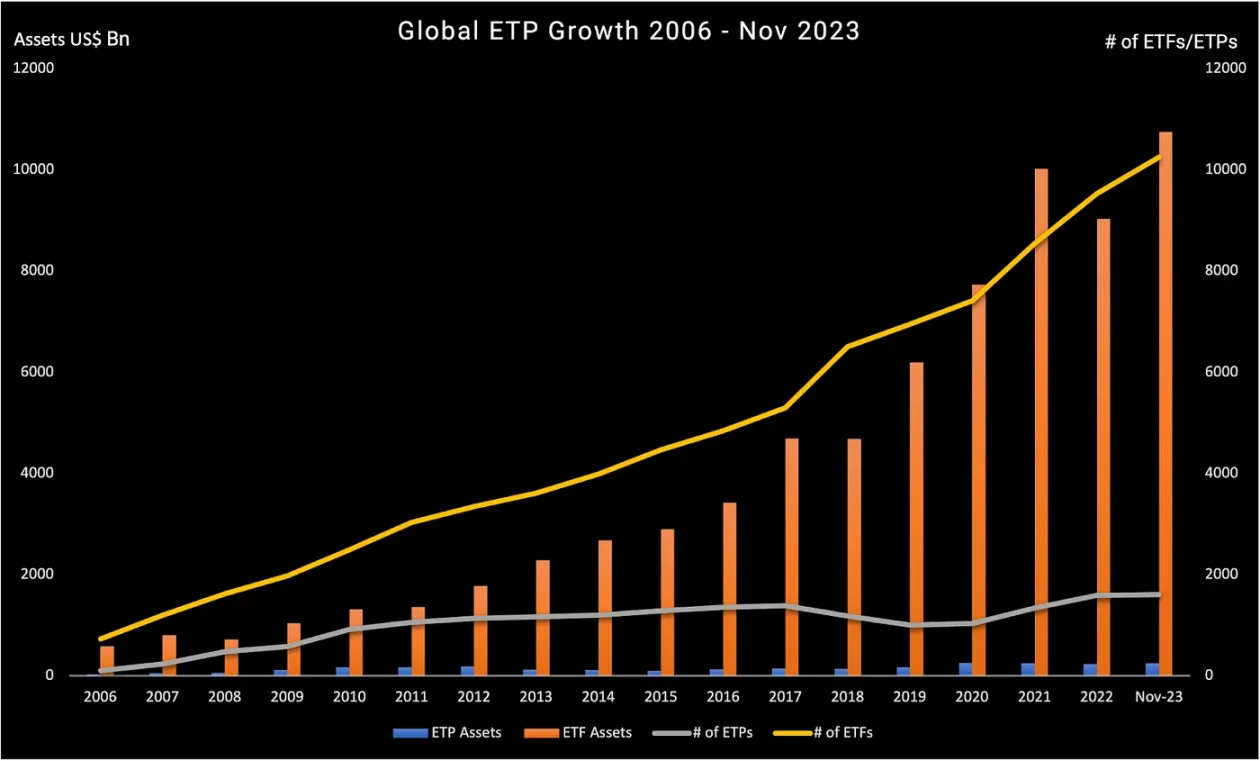
特别是在过去 20 年中,ETP 持续增长,在全球 63 个国家 / 地区 81 个交易所的 718 家提供商中,已达到 11,859 种产品和 23,931 条上市信息;其中,ETF 份额的最大,约 107,470 亿美元,占 ETP 资产总额 109,900 亿美元的 98%(数据来自 ETFGI,2023 年 11 月底)。 奥纬咨询预计 ETF 的增长将在近年加速,从 2022 年到 2027 年市场将每年增长 13% 至 18%。

02 Arbitrum Orbit 生态


比特币现货 ETF 获批后,以太坊被认为是下一场叙事的主角。Arbitrum 生态不负众望,其开发商 Offchain Labs 也跟随 OP Stack 推出了可构建专用链的 Arbitrum Orbit,目前看来,采用虽不及 OP Stack,但也有望加速基于以太坊生态的多链时代。推荐文章:


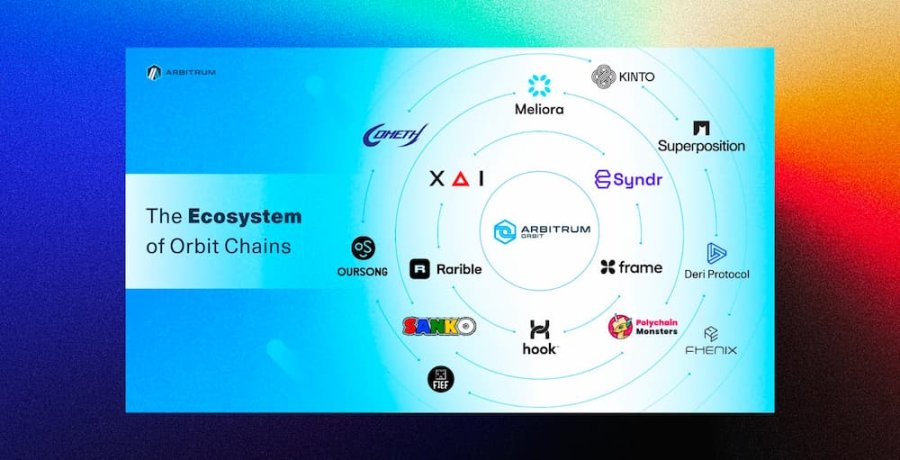
Arbitrum Orbit 生态探索:18 条 Orbit 链,加速以太坊生态多链时代

经 Foresight News 盘点,目前已披露将利用 Arbitrum Orbit 推出 Orbit 链的项目有 18 个,这些项目主要涉及游戏、衍生品、流动性、NFT 等领域,希望借助 Orbit 链发挥低成本交易 / 交互、高吞吐量,自定义 Gas,自定义治理以及灵活的安全模型等优势。
此外,Arbitrum 还与 Rollup 即服务平台 Caldera、AltLayer 以及 Conduit 建立了合作关系,支持开发者启动自己的自定义 Rollup。

03 Web3er 说


2024 年 1 月 3 日,HashKey 内部的一封信正式宣布了 Livio 成为 HashKey Exchange 新 CEO,为此 Foresight News 联系到 Livio,并在 Twitter Space 上与 Livio 做了一次公开专访。推荐文章:


对话 HashKey Exchange 新 CEO 翁晓奇:ETF 与 RWA,是持牌加密交易所「弯道超车」的机会

在这次专访中,Livio 全面回顾了 2023 年 HashKey Exchange 面临的众多挑战,并透露了 HashKey Exchange 2024 年的宏观目标。此外,他不仅讲述了自己在加密货币的历程,还分享了 HashKey Exchange 在 RWA、ETF、稳定币等有潜力的加密赛道上的相关业务进展。
翁晓奇认为 RWA 、ETF、港元稳定币等「新赛道」和「新叙事」天生是持牌加密交易所的机会和故事,非持牌机构很难参与其中,这也是持牌加密交易所弯道超车的机会。


1 月 10 日 21:00 开始,以太坊基金会研究小组在 Reddit 上举办第 11 次 AMA,Foresight News 翻阅 313 条评论,编译和汇总了 Vitalik Buterin 和以太坊基金会成员的精华观点。推荐文章:


必读!以太坊基金会昨日 AMA 精华集锦

以太坊基金会研究员 Dankrad Feist:我同意 EIP-4844 只是提供数据发布(以前称为数据可用性)的第一步。事实上,它本身只是在经济上分离了数据发布,而没有进行扩展,但确实引入了必要的加密技术来允许完全扩展。目前,我们确实在开展一些令人兴奋的研究,旨在尽快实现一定程度的扩展。看起来 PeerDAS 似乎很容易实施,我们可以在相对短的时间内推出一个基本版本,提供一定程度的扩展能力,希望能在 4844 发布后的一年内实现。虽然我们不会立即看到扩展到 256 个 blob 或 1.3 MB/s,但我们最初可能会扩展到每个区块 32 个 blob,这是当前数量的 10 倍,并且将位于 4844 和完整 danksharding 之间。扩展以太坊的数据容量绝对是 2024 年甚至 2025 年最重要的事情。


Cyber Capital 创始人 Justin Bons 就区块链实现扩展性的方式发表了自己的见解,哪种模式才是区块链扩展性的未来?推荐文章:


Cyber Capital 创始人:单体式才是区块链扩展性的未来

我尊重这个意识形态,因为有很多优秀且聪明的人支持「L2 扩展」。
然而,这种信念是基于一个有缺陷的假设。可行的 L1 扩展的证据不断堆积,它正在变成一座山。它大到无法被忽视,竞争性区块链在多个指标上超越比特币和以太坊。
真相就在那里,单体式扩展是未来,它使每个人都能够直接使用区块链,让我们重新回到中本聪的愿景。


04 年度报告


The Block Research 团队发表了《2024 Digital Assets Outlook》报告,从 2023 年数字资产市场和价格表现、基础设施提供商及监管机构发挥的作用、区块链平台的规模和演变、链上应用的发展四大方面进行了深度剖析。推荐文章:


The Block 年度报告精编:回顾 2023,展望 2024

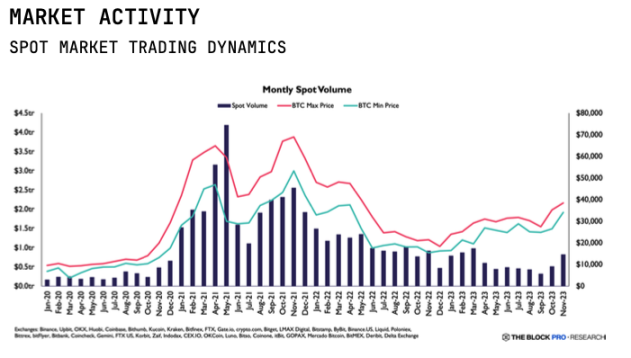
2023 年加密资产的市场活动受到多家贷款机构的破产影响而持续减少,但随着价格上涨和投资者信心的增强,交易量又开始增加。现货交易量在第一季度,1 月、2 月和 3 月的现货交易量都出现了逐月上升,但第二季度和第三季度的交易量大幅下降,第四季度交易量一直在持续上升,在 11 月份达到了 6 个月来的最高点。2023 年交易量低迷的一大原因是全球最大的加密货币交易所币安的收费机制调整,具体来说,3 月币安结束了零手续费促销活动,该活动在 2022 年推动了平台上的交易量上涨,3 月至 4 月间,整体现货交易量下降了 38%,而币安的现货交易量同期减少了 47%。

05 行业洞察


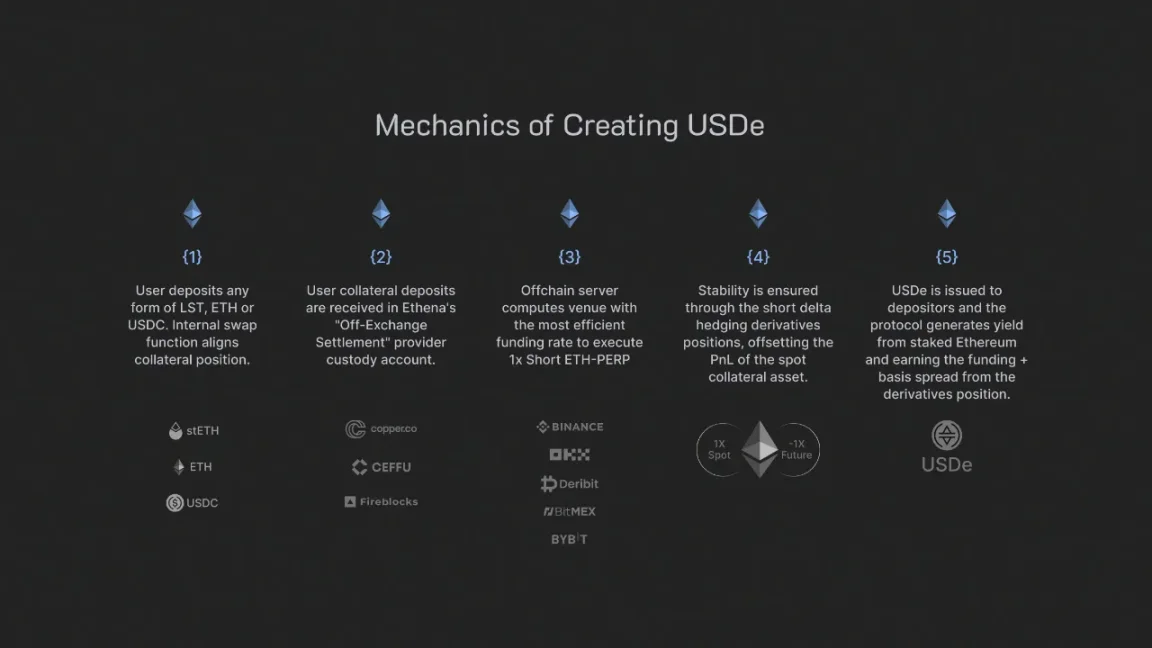
2023 年 3 月,Arthur Hayes 撰写了一篇名为「地壳上的灰尘」的文章 ,提出了一种名为「中本聪美元」的链上完全去中心化稳定币的构想,这是一种由等量的现货多头和期货空头比特币敞口支持创建的 Delta 中性的、1:1 抵押的合成美元。这个想法已被 Ethena Labs 实现,该项目正在构建 USDe,这是一种由 ETH 质押收益率和永续掉期提供支持的合成美元。推荐文章:


USDe,下一个规模 10 亿美元的稳定币?

抵押品空头方没有使用杠杆,因为 USDe 的重点是成为安全基础层:
「该产品的理念是尝试使其在基础层尽可能安全。你可以开始利用杠杆做一些有趣的事情,尝试以某种方式提高回报,但我们实际上只是想创建一个坚实的基础,其他人可以在此基础上继续发展,并开始以其他有趣的方式使用杠杆,无论是在货币市场还是永续 Dex 上。」

为了真正将区块链扩展到地球上的每个角落,我们需要构建信任最小化和水平可扩展的系统。推荐文章:


1kx:区块链扩容的终局是信任最小化和水平扩展

受信任的链下服务存在重大风险。 2022 年主要交易所和服务商的崩溃(例如 FTX 和 Celsius)是一个很好的警示故事,讲述了当受信任的服务行为不当和失败时会发生什么。
另一方面,信任最小化的应用程序可以以可验证的方式写入和读取以太坊,例如 Uniswap 等智能合约应用程序、Arbitrum 或 zkSync 等 Rollup 以及 Lagrange 和 Axiom 等协处理器。从广义上讲,随着应用程序受到以太坊网络的保护,并且更多功能被分配给 L1,信任就会被消除。因此,可以在没有交易对手或托管人风险的情况下提供信任最小化的金融服务。


作为近期热点讨论的话题,构建模块化背后的原因不应该只是为了迎合叙述,而是因为它能够带来更好、更高效和更可定制的应用程序。推荐文章:


详解模块化 MEV:如何实现公平的交易排序?

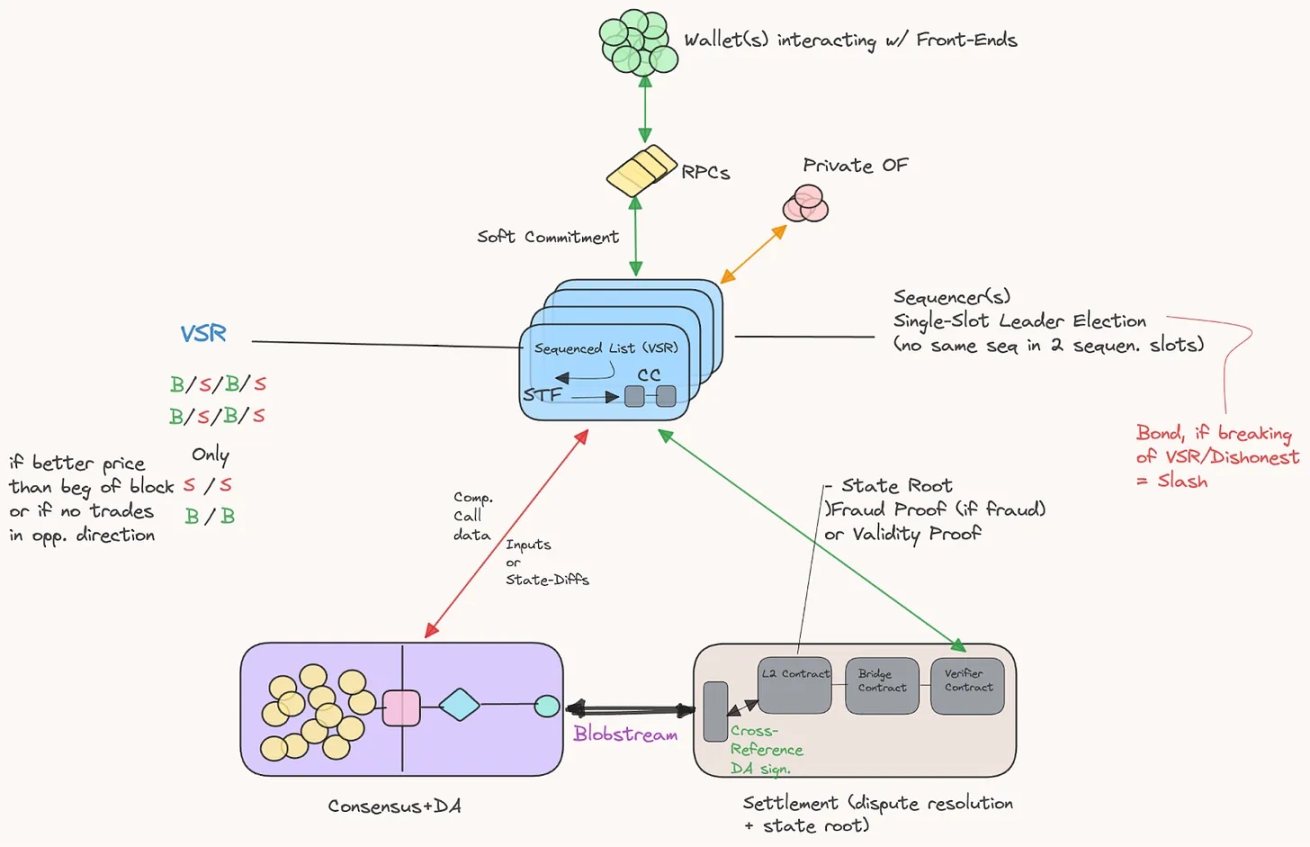
对于一般的智能合约平台而言,将这些规则作为纯粹的链上构造规则几乎是不可能的,因为你无法控制执行和排序。与此同时,你还与许多其他人竞争,因此试图强制那些处于区块顶层的人支付优先费将是不必要的昂贵。模块化设置的功能之一是,它允许应用程序开发人员自定义其执行环境应如何运行。无论是排序规则、使用不同的虚拟机还是对现有虚拟机进行自定义更改(例如添加新的操作码或更改 Gas 限制),实际上都取决于开发人员,取决于他们的产品。 
在一个 Rollup 使用数据可用性、共识层以及流动性结算层的情况下,可能的设置如下所示:
 

Leituras Relacionadas

NVIDIA CPU Advances, China's RISC-V Responds: Semiconductor Deep Dive - Part Four

NVIDIA is set to launch its new Vera AI data center CPU in China as early as August, with high pricing. While this move offers a new option, it highlights China's continued dependence on foreign-controlled Arm architecture. In response, the Chinese semiconductor industry is increasingly turning to RISC-V as a strategic alternative for achieving high-performance computing autonomy. The article explores the concept of the "impossible triangle" in CPU development—balancing prosperity, control, and autonomy—and posits that RISC-V's open-source, modular nature offers a unique path to achieving all three. While RISC-V is already dominant in embedded systems, the focus is now shifting to data centers and AI workloads. China has become a global hotspot for RISC-V development, driven by AI-driven compute demand, supply chain concerns from export controls, cost benefits of open-source, and strong policy support. Multiple Chinese companies have reportedly crossed the key performance threshold of 15 SPECint per GHz, a benchmark for entering the high-performance CPU club. Progress extends beyond single-core benchmarks. Companies are developing complete computing subsystems, including commercial-grade coherent network-on-chip (NoC) technology and server processors with up to 40 cores that strictly adhere to the RVA23 standard to ensure software compatibility. Real-world applications are emerging in areas like video transcoding and edge AI. However, significant challenges remain. The RISC-V ecosystem faces fragmentation, immature toolchains and verification processes, and gaps in single-core performance and energy efficiency compared to mature x86 and Arm architectures. The formidable software moat, epitomized by NVIDIA's CUDA, is a long-term hurdle. In conclusion, while RISC-V cannot immediately replace offerings like NVIDIA's Vera, it represents a viable long-term path for China to develop a self-sufficient, high-performance CPU ecosystem. The journey is acknowledged to be long and arduous, requiring sustained effort to overcome technical and ecosystem challenges.

marsbitHá 45m

NVIDIA CPU Advances, China's RISC-V Responds: Semiconductor Deep Dive - Part Four

marsbitHá 45m

My Coding Betting Dashboard is Profiting, but Polymarket is Truly Not a Good Place for 'Arbitrage'

The author built a custom monitoring dashboard for Polymarket, a prediction market platform, and tested it with $1,600, achieving over 30% returns. However, the core argument is that Polymarket is not a good venue for traditional arbitrage. The dashboard has two main sections: a "Portfolio Dashboard" for tracking active positions with key metrics like total capital, P&L, and a risk-control module using a tier system (T1, T2, T3), and an "Opportunity Watchlist" for monitoring markets. The article details a critical structural trap in binary markets: a bet with a high perceived probability of success still carries a 100% loss risk if wrong. The author's T1/T2/T3 system is designed to manage this by limiting position sizes based on conviction and time horizon, emphasizing that high confidence should not equal high concentration. A key insight is the danger of "pseudo-diversification"—betting on different markets driven by the same underlying variable. The author concludes that Polymarket offers few true low-risk, arbitrage opportunities. It is instead a high-risk environment where wins can create a false sense of mastery, leading to large losses. The platform is better viewed as a training ground for honing judgment through disciplined, framework-driven betting rather than a reliable income source. The tools help transform intuition into structured, rule-based decisions to mitigate the risk of catastrophic errors.

marsbitHá 3h

My Coding Betting Dashboard is Profiting, but Polymarket is Truly Not a Good Place for 'Arbitrage'

marsbitHá 3h

WeChat AI Card Hands-On Guide: Has the AI Shopping Era Arrived?

**"WeChat AI Card" Practical Test Guide: Has the Era of AI Shopping Arrived?** WeChat has officially launched the "AI Exclusive Card," a feature integrated into its Workbuddy AI assistant. This card is designed to handle payments for AI-initiated purchases. Our hands-on test reveals it's not yet a tool for fully autonomous AI shopping, but rather a controlled payment layer for AI agents. The AI Card functions as an isolated sub-wallet within WeChat Pay. Users must bind the card and transfer funds into it from their main wallet. Crucially, every transaction requires explicit user confirmation via smartphone scan; AI cannot spend autonomously. Currently accessible through the Workbuddy agent, the card targets specific digital consumption scenarios: purchasing paid content (reports, data), calling paid APIs/tools, and subscribing to services. Its design prioritizes security and control by separating funds and mandating approval for each payment. We tested a real-world scenario: ordering bubble tea via Workbuddy using a "Meituan Life Assistant" skill. The process encountered multiple hurdles: high "skill" usage costs (exceeding daily free credits), and most importantly, while a payment was successfully initiated, the AI purchased an incorrect product (a mismatched group-buy coupon instead of the desired drink). This highlights the current limitation: the **AI Card only solves the payment step**. The broader challenge lies in the **AI agent's execution chain**—accurately understanding intent, navigating third-party platforms, selecting the right product, and ensuring proper fulfillment. The payment succeeded, but the purchase failed to meet the user's need. In conclusion, the WeChat AI Exclusive Card is a cautious, early-step experiment in AI commerce. It provides a secure, user-controlled payment method for agent interactions but is not yet capable of reliable, end-to-end complex purchases. For now, it's best used for low-value, low-risk digital services with careful user verification at each step. The vision of AI handling complete shopping tasks remains a work in progress.

marsbitHá 6h

WeChat AI Card Hands-On Guide: Has the AI Shopping Era Arrived?

marsbitHá 6h

Deconstructing Notion's Growth: From a Note-taking Tool to 100 Million Users—How Notion Built a Triple Growth Flywheel Through Product, Templates, and Community

Notion's growth from a niche note-taking tool to a platform with 100 million users is powered by three interconnected flywheels: Product-Led Growth (PLG), a Template Economy, and Community-Driven Growth. First, Notion's PLG strategy relies on a highly flexible, "plastic" product that users can adapt to countless personal and team workflows. Its freemium model lowers the barrier to entry, while features like page sharing and collaboration drive organic, usage-based viral growth as users naturally invite others. Second, the Template Economy solves the "blank page" problem. Templates, created by both Notion and its community, transform abstract product capabilities into concrete, copyable solutions for specific scenarios (e.g., project management, content calendars). This dramatically lowers activation costs for new users and fuels SEO-driven discovery. Third, a vibrant Community acts as a distributed growth engine. Users and official Ambassadors create tutorials, share use cases, and host local events. This community not only educates users but also fosters a sense of identity around pursuing "better ways of working," strengthening loyalty and enabling global, low-cost expansion. Together, these flywheels create a self-reinforcing ecosystem: a great product attracts users who create templates and community content, which in turn attracts more users and deepens engagement. This system allowed Notion to scale from individuals to teams and enterprises through a bottom-up adoption path. Looking ahead, AI integration promises to accelerate these flywheels further by making templates smarter and the platform a potential AI-native work operating system. Ultimately, Notion's defensible advantage is not just its features, but this deeply entrenched network of user assets, creators, and community trust.

marsbitHá 6h

Deconstructing Notion's Growth: From a Note-taking Tool to 100 Million Users—How Notion Built a Triple Growth Flywheel Through Product, Templates, and Community

marsbitHá 6h

Trading

Spot
Futuros
活动图片