Xiaomi to pre-install Sei crypto wallet on millions of phones in global rollout

cointelegraphPublished on 2025-12-11Last updated on 2025-12-11

Abstract

Sei Labs, the developer behind the Sei blockchain, has partnered with Xiaomi to pre-install a crypto wallet and discovery app on all Xiaomi smartphones sold outside mainland China and the U.S. The app will allow users to sign in with Google or Xiaomi accounts and includes a secure MPC wallet, access to crypto applications, and support for P2P and merchant payments. The rollout will begin in Europe, Latin America, Southeast Asia, and Africa. A $5 million fund will support mobile blockchain projects. The companies also plan to enable stablecoin payments for Xiaomi products, including phones and EVs, starting in Hong Kong and the EU by mid-2026. This move follows similar efforts by Solana Mobile, which has launched two Web3 smartphones, and Samsung’s integration of crypto features via Coinbase.

Sei Labs, the core development group behind the Sei blockchain, has reached a distribution deal with Xiaomi to pre-install a new crypto wallet and discovery app on all Xiaomi smartphones sold outside mainland China and the United States.

According to Thursday’s announcement, the app will let users sign in with their existing Google or Xiaomi IDs and will feature a multiparty computation wallet for security, access to popular crypto applications, and support for both peer-to-peer and merchant payments.

The rollout will start in Europe, Latin America, Southeast Asia and Africa. Sei Labs is also creating a $5 million program aimed at funding mobile projects that bring blockchain features to consumer devices.

The companies plan to add stablecoin payments across Xiaomi’s retail and online channels, allowing customers to purchase devices, including phones and electric vehicles, using assets like USDC (USDC), which is supported by Sei. Early launches are targeted for Hong Kong and the EU by mid-2026, with broader expansion to follow.
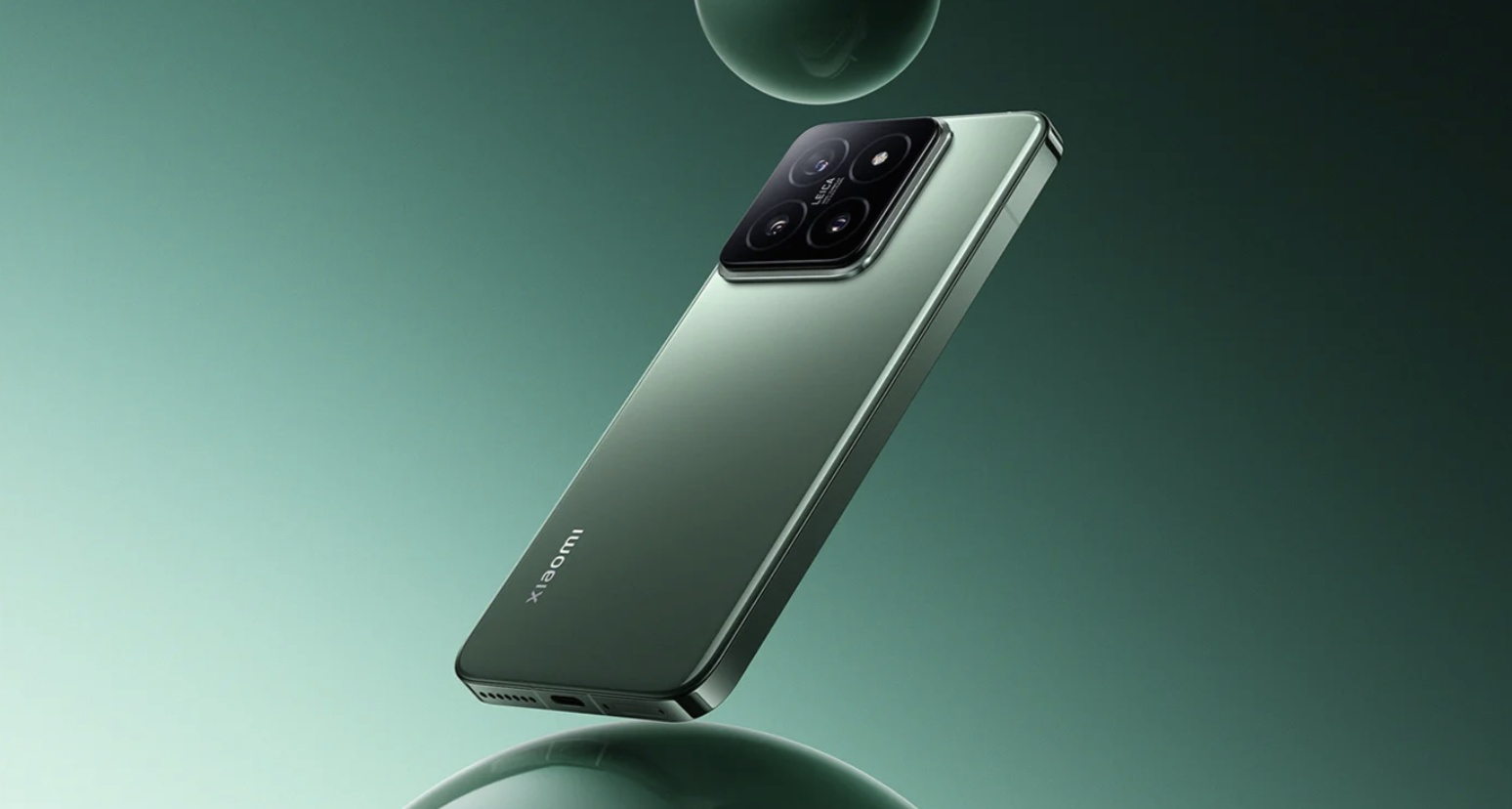
Xiaomi’s “Lens to Legend” smartphone. Source: Xiaomi

Sei, launched in 2023, is a high-speed layer-1 blockchain built for low-cost transactions. Xiaomi is a global electronics company that makes smartphones, smart-home devices, IoT hardware and electric vehicles. It was founded in 2010 and is based in Beijing.

Related: Chinese tech giants halt Hong Kong stablecoin plans amid Beijing concerns: FT

Solana’s push into smartphones

Sei Labs isn’t the first Web3 project to target smartphones as a gateway for mainstream crypto adoption.

The Solana Mobile, a subsidiary of Solana Labs, announced its first smartphone, the Saga, in June 2022 before beginning shipments the following year. In late 2023, sales surged when a BONK airdrop tied to each device briefly made the phone worth more in tokens than its retail price.

In August 2024, Solana began shipping its second-generation Seeker phone to users in over 50 countries after receiving more than 150,000 preorders. The device includes broad hardware upgrades, a built-in crypto wallet, a decentralized app store and an updated seed-vault system.
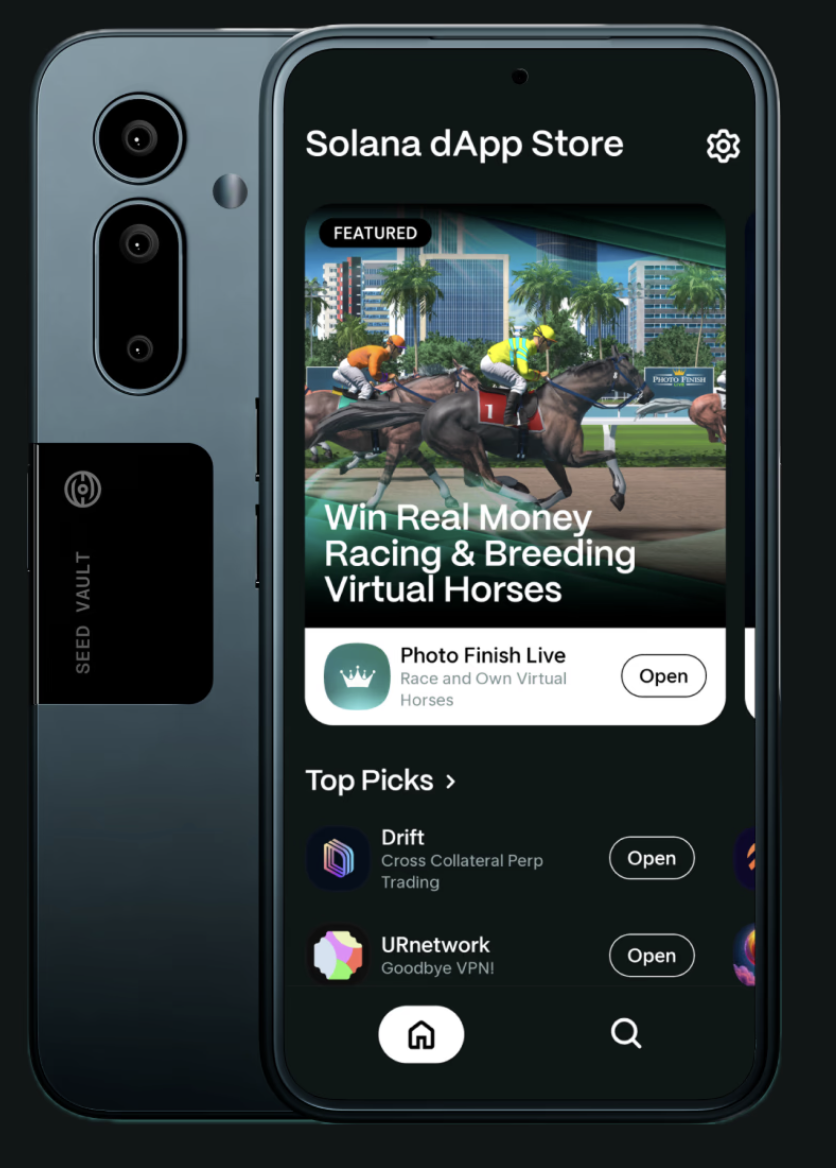
Source: Solana Mobile

On Dec. 3, Solana Mobile announced its plans to launch a native token, SKR, tied to its Seeker phone and broader mobile ecosystem in early 2026. The 10 billion-token supply will include large allocations for airdrops, growth incentives, liquidity and a community treasury, with portions also set aside for Solana Mobile and Solana Labs.

Samsung has also been expanding crypto features on its phones through a recent partnership with Coinbase. In October, the companies began allowing roughly 75 million US Galaxy users to buy crypto directly in Samsung Wallet, with plans to extend the integration to other markets.

Magazine: Meet the onchain crypto detectives fighting crime better than the cops


Trending Cryptos

Related Reads

EIP-8363 Quantitative Review: Cutting Staking 'Subsidies' – What Does Ethereum Hope to Gain?

**EIP-8363 Quantitative Review: Reducing Staking "Subsidies" – What Does Ethereum Want in Return?** EIP-8363 proposes burning an increasing portion of validator rewards as the staking rate rises, reaching 100% burn when 50% of ETH is staked. This analysis models its impact on issuance, yield, and staking equilibrium, examines whether ETH's yield explains its price, quantifies the chain economy's reliance on this yield, and presents conclusions. Key findings: 1. **EIP-1559 Burns Are Ineffective:** Post-merge, burning (via base fees) has collapsed by 98% and now offsets only 2.4% of new ETH issuance, making issuance policy Ethereum's sole remaining supply lever. 2. **EIP-8363's Real Impact:** At the current ~42.2M ETH staked, the proposal would cut issuance by ~58.6% and staking APR by ~56.4%, removing ~633k ETH ($1.55B) in annual dilution (0.53% of market cap). It's not zero issuance; that would require 43% more ETH staked. 3. **Self-Limiting Mechanism:** The design has a built-in equilibrium. At reasonable required returns (e.g., 2%), the system stabilizes at ~26% staking rate and ~0.48% annual inflation. 4. **Yield vs. Price:** No detectable statistical relationship exists between changes in staking yield and ETH price returns over 43 months. The natural 37% yield decline since 2023 did not drive price action. 5. **Chain Economy Dependence:** While LSTs like wstETH form ~34% of collateral in major lending markets, their utility as collateral remains if yield is positive. The direct revenue hit to protocols like Lido is significant (~50% of fee income) but not systemic. Staking-focused ETFs represent only 0.19% of ETH supply. 6. **Core Conflict:** The debate masks a zero-sum redistribution: cutting ~$1.55B in annual issuance transfers value from concentrated staking intermediaries (LST/LRT protocols, leverage players) to the dispersed majority of non-staking ETH holders. 7. **Outlook:** The proposal is economically sound for ETH's scarcity but politically difficult due to concentrated opposition. It is unlikely to pass in its current form.

marsbit22m ago

EIP-8363 Quantitative Review: Cutting Staking 'Subsidies' – What Does Ethereum Hope to Gain?

marsbit22m ago

Trading

Spot

Hot Articles

How to Buy SEI

Welcome to HTX.com! We've made purchasing Sei Network (SEI) simple and convenient. Follow our step-by-step guide to embark on your crypto journey.Step 1: Create Your HTX AccountUse your email or phone number to sign up for a free account on HTX. Experience a hassle-free registration journey and unlock all features.Get My AccountStep 2: Go to Buy Crypto and Choose Your Payment MethodCredit/Debit Card: Use your Visa or Mastercard to buy Sei Network (SEI) instantly.Balance: Use funds from your HTX account balance to trade seamlessly.Third Parties: We've added popular payment methods such as Google Pay and Apple Pay to enhance convenience.P2P: Trade directly with other users on HTX.Over-the-Counter (OTC): We offer tailor-made services and competitive exchange rates for traders.Step 3: Store Your Sei Network (SEI)After purchasing your Sei Network (SEI), store it in your HTX account. Alternatively, you can send it elsewhere via blockchain transfer or use it to trade other cryptocurrencies.Step 4: Trade Sei Network (SEI)Easily trade Sei Network (SEI) on HTX's spot market. Simply access your account, select your trading pair, execute your trades, and monitor in real-time. We offer a user-friendly experience for both beginners and seasoned traders.

3.3k Total ViewsPublished 2024.03.29Updated 2026.06.02

How to Buy SEI

Discussions

Welcome to the HTX Community. Here, you can stay informed about the latest platform developments and gain access to professional market insights. Users' opinions on the price of SEI (SEI) are presented below.

活动图片