Top 12 Telegram games to play in February 2026

ambcryptoPublished on 2026-02-19Last updated on 2026-02-19

Abstract

The article highlights the growing popularity of Telegram as a platform for interactive, bot-powered games, many featuring play-to-earn mechanics. With 1 billion active users, Telegram hosts a variety of games that require no extra downloads and offer rewards like cryptocurrency. The top 12 games for February 2026 include: 1. **CharacterX**: An NFT-based RPG with tap-to-earn features, character customization, and activities like group mining. 2. **BlumCrypto**: A tap-to-earn game where players earn Blum Points through simple tasks. 3. **Chiliz Farm**: A farming simulation game integrating blockchain for earning in-game currency and NFTs. 4. **Hamster Kombat**: A crypto exchange simulation where players earn HMSTR tokens by managing a virtual trading platform. 5. **Catizen**: A lighthearted pet simulation game where players expand a cat colony to earn CATI tokens. 6. **Pixel Tap**: A retro tap-to-earn game set in a cyberpunk universe with PvP battles and NFT collection. 7. **Satoshi Universe**: A pixel-style running game where players earn $GOLD points and use NFT battle passes. 8. **Rocky Rabbit**: A game on The Open Network where players train rabbits and earn RabBitcoin through challenges. 9. **Egg Drop**: A simple tap-based game from Gomble Games where players drop eggs to earn rewards. 10. **Cats Vs Monsters**: An RPG where players use feline heroes to battle monsters and earn rewards. 11. **MemeFi**: A meme-themed tap-to-earn game with boss battles and clan-based raids....

Telegram has become much more than just a messaging platform, and its importance in the crypto ecosystem as a community-building platform is immense. The app has 1 billion active users around the world and 450 million daily active users. The games on Telegram are interactive, bot-powered, and can be played directly within the app.

These games can be played directly on the app and often do not need any extra downloads. They range from simple tap-to-earn, trivia quizzes to role-playing games. Many games on the platform now offer a play-to-earn feature where users can get real-world rewards like cryptocurrency or tokens. Here are the top 12 Telegram games of the month:

1. CharacterX

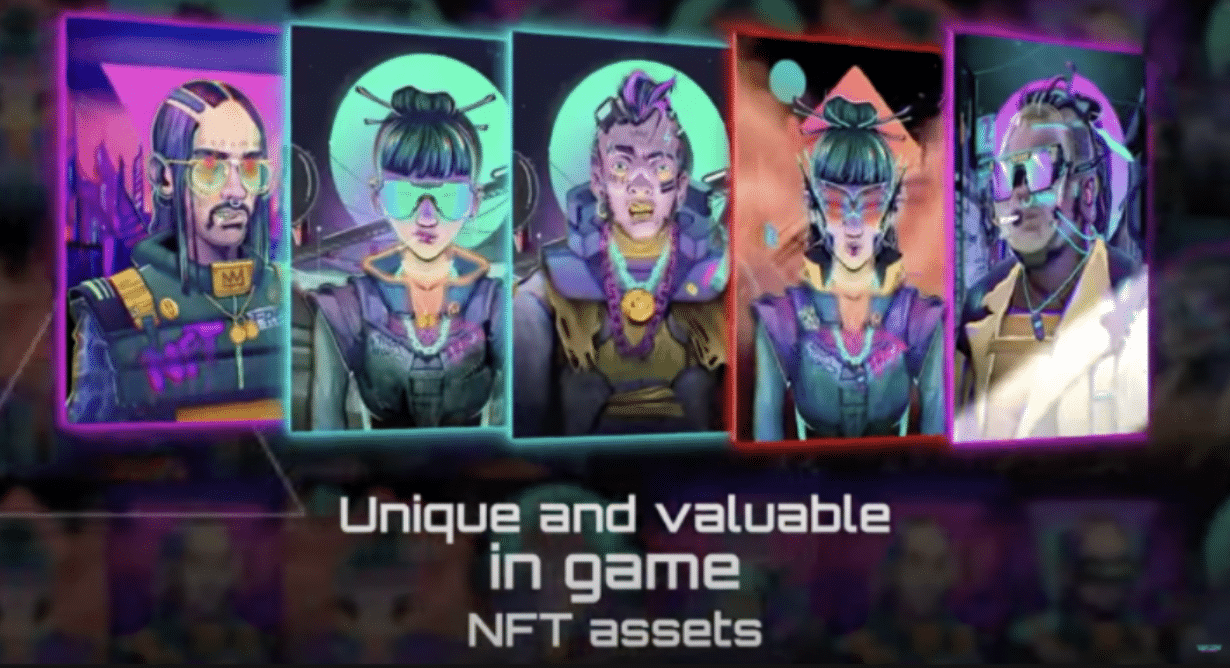
CharacterX is a collectible RPG-style game where players own NFT-based characters, each with distinct traits and abilities. The game combines character creation with light progression mechanics, allowing users to build and customize their characters while engaging with the broader ecosystem on Telegram.

Currently, the game includes a tap-to-earn feature where players can earn CAI points through regular participation. However, additional CAI can be earned through referrals and mining-based activities, with features such as group mining, PK battles, and lucky draws already live. Ongoing updates and new additions are typically rolled out through the project’s Telegram channels and social platforms.

2. BlumCrypto

A tap-to-earn game that lets players do simple tasks like tapping on falling things to earn the in-game token called Blum Points. They can also earn daily rewards through daily logins and game passes.

The game token can be used to redeem rewards in the Blum ecosystem and can also be further converted into Blum Token, which makes them more valuable for the future.

3. Chiliz Farm

Chiliz Farm is a play-to-earn farming game that gives players a chance to blend traditional farming with blockchain integration, allowing users to cultivate crops, care for animals, and earn rewards in the in-game currency and NFTs.

Players can construct and upgrade barns and other buildings, tend to gardens, manage livestock, grow crops, and also earn airdrop rewards.

4. Hamster Kombat

Hamster Kombat is one of the most widely played play-to-earn games on Telegram, with a user base that crossed tens of millions at its peak. The game is structured as a crypto exchange simulation, where players step into the role of a CEO managing a virtual trading platform. Progression is tied to completing tasks such as securing licenses, approving listings, and expanding operations, blending light strategy with incremental gameplay.

The play-to-earn element allows users to earn HMSTR tokens, with no upfront cost required to participate. An early airdrop distributed tokens to a large portion of the player base, though final rewards varied and were closely tied to market conditions at launch. As with most play-to-earn models, long-term earning potential ultimately depends on token performance, making Hamster Kombat a time-based participation game rather than a guaranteed rewards system.

5. Catizen

Catizen takes a more lighthearted approach to Telegram play-to-earn games through pet simulation. Players start with a small colony of cats and gradually expand it by completing tasks and participating in group-based challenges, with progress driven more by planning and timing than constant interaction. The game is free to enter, which has helped it attract a broad and casual player base.

Rewards in Catizen come in the form of CATI tokens, which are earned as players move through different stages of the game. While the token is not yet listed on exchanges, it already has utility within the game, where it can be used for boosters and NFT-based cat upgrades. The option to swap CATI once it is listed adds a longer-term incentive for players who stay active.

6. Pixel Tap
A retro tap-to-earn game that is based in a cyberpunk universe, Pixel Tap lets players engage in tapping mechanics to earn in-game currency and take part in player-versus-player battles and collect NFTs. This game is a part of the Pixelverse ecosystem, where the native token $PIXFI can be used as the primary medium of exchange.

The in-game token can be earned by battles, referrals, daily tasks, and tapping. Users in the game can buy and modify bots that have 3 main functions: battery, flash, and power. The stronger the bots, the higher the passive income generated, and the better the chances of winning battles.

7. Satoshi Universe
Satoshi Universe is a pixel-style mini running game where players get to control a character that jumps over obstacles, earning $GOLD points as they progress through each run.

The game also includes NFT battle passes, which can be used to unlock additional rewards and token mining multipliers. Everything runs through the project’s Telegram mini-app, with updates and feature announcements typically shared through its Telegram groups and social channels.

8. Rocky Rabbit

In this game, players can train digital rabbits, complete challenges, and engage in battles to earn crypto rewards. The game is operated on The Open Network blockchain and is integrated with Telegram very seamlessly.

Players can earn RabBitcoin or RBTC in the game through active participation and achievements. There are daily challenges and puzzles that can be used to earn points and coins.

9. Egg Drop
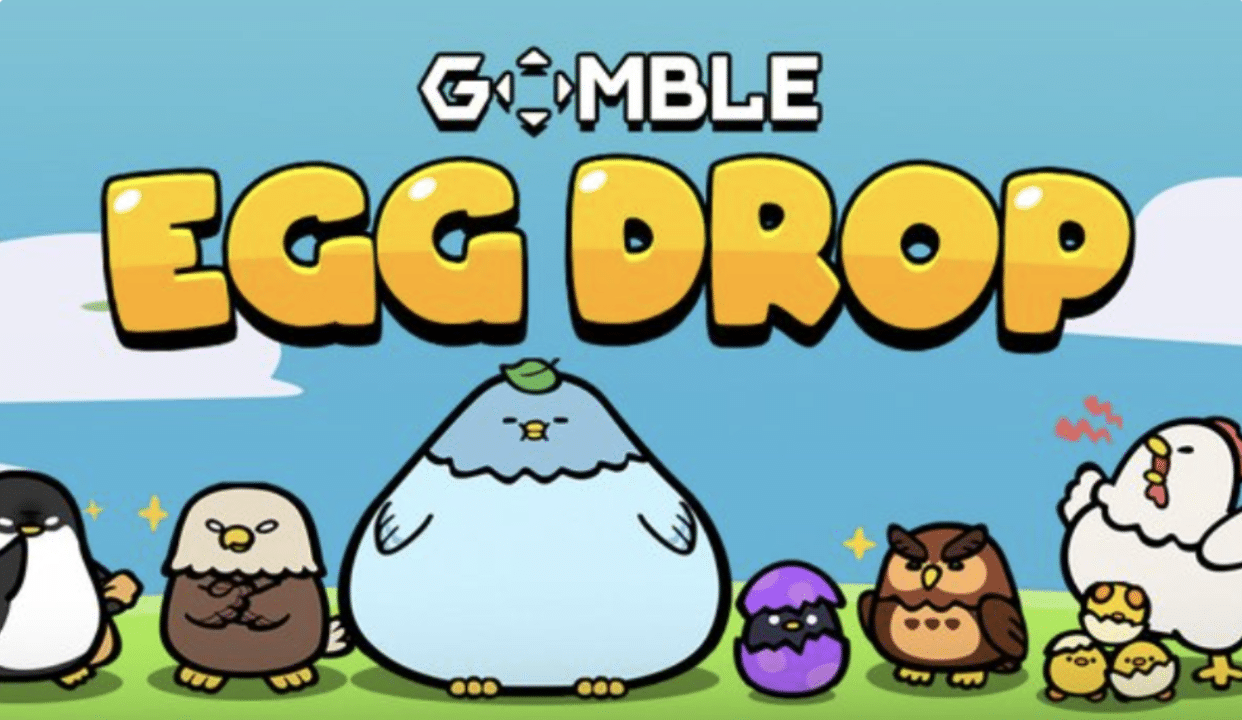
Egg Drop is a tap-based game from Gomble Games that launched on BNB Chain in July 2024. Since being launched, the game has intentionally remained simple and is built around dropping virtual eggs into target zones to earn in-game items and token-based rewards. Like many Telegram-native games, it runs directly inside the app and doesn’t require any additional setup beyond joining the bot.

The game leans on short, repeatable actions rather than complex mechanics, making it easy to pick up and play in quick sessions. Rewards are tied to how consistently players engage, with collected items and tokens forming the core progression loop within the game.

10. Cats Vs Monsters
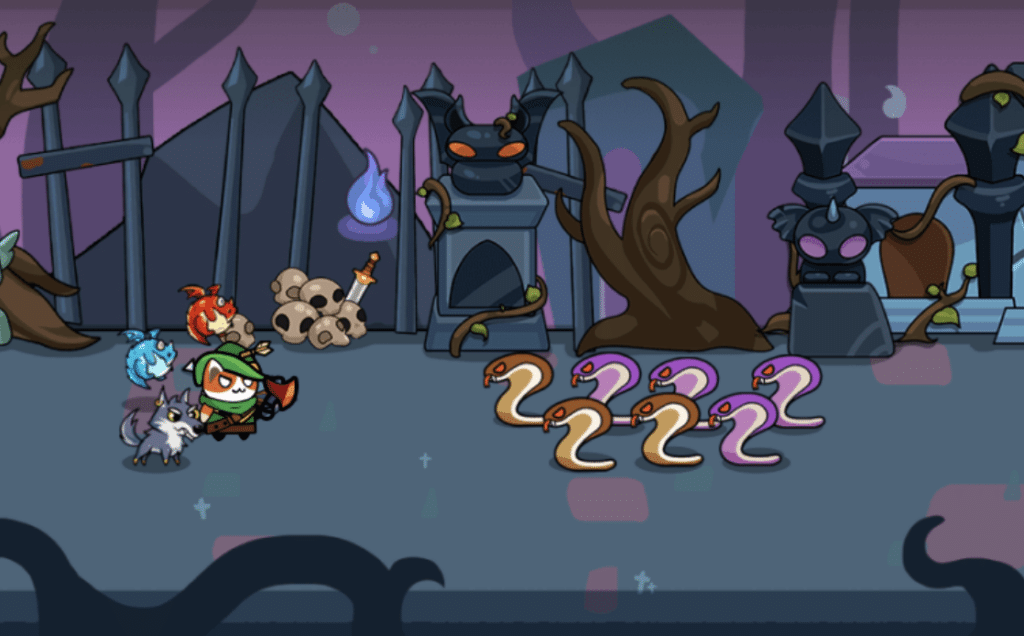
Cats vs Monsters can be described as a role-playing game where players can control feline heroes to protect their village from monsters and slimes. Every cat hero in the game has a unique set of skills that can be useful. Players can also compete in PvP arenas to earn rankings and rewards.

There are daily quests in the game and seasonal events that can be helpful in earning additional rewards. There is also an option to automatically battle monsters and earn rewards even when the game is closed.

11. MemeFi

A tap-to-earn game on Telegram that combines meme culture with gameplay, MemFi lets players participate in battles with meme-themed enemies and earn experience points and different levels.

In player-versus-enemy battles, users can defeat bosses and earn coins. There is also a tap bot option where they can earn coins automatically for up to 3 hours when they are actively not playing the game. They can also join clans to take part in raids, battle bosses, and earn additional rewards.

12. RollerTap
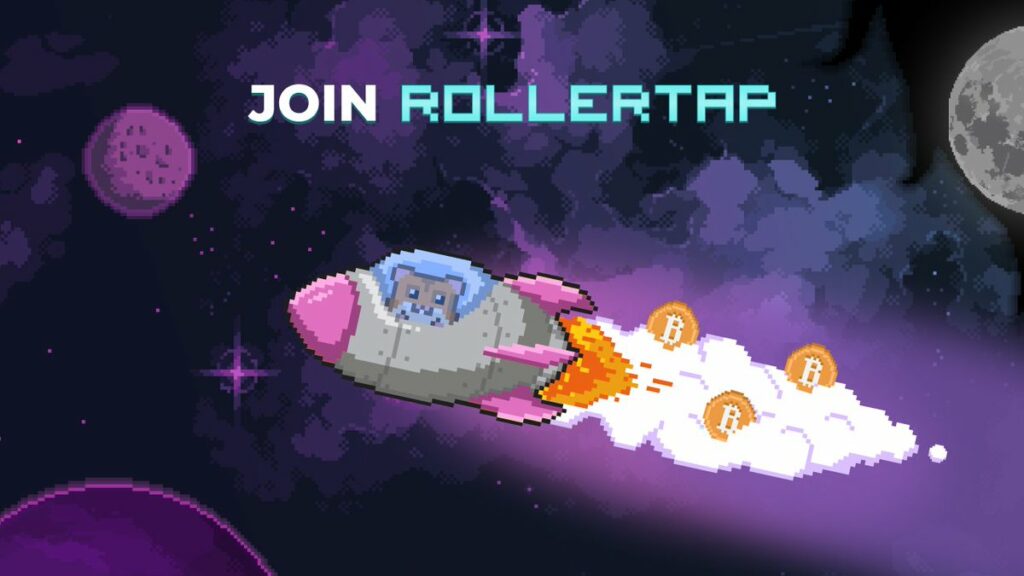
RollerTap is a tap-to-earn game that lets players earn tokens by tapping on their screens to collect Roller Community Coins or RCC. These can then be used to power up the tap level and enhance earnings per tap.

Players can also earn cards that can be used to boost their profits, and there is a leaderboard that helps users track their progress and see how they stack up against others. The game also has special events and challenges that let users earn additional rewards.

Final thoughts

Telegram games have grown into a small but active corner of the platform, built around simple mechanics and easy access. Most are quick to try and don’t ask much from players beyond time and curiosity, with rewards varying depending on how early and how consistently someone takes part.


Disclaimer. Readers are encouraged to do their own research. Ambcrypto is not liable for any outcomes related to the use of information, products, or services mentioned. This content may include affiliate or partner links.


Related Questions

QWhat is the main feature that makes Telegram games popular, as mentioned in the article?

ATelegram games are popular because they are interactive, bot-powered, and can be played directly within the app without needing extra downloads. Many also offer a play-to-earn feature where users can earn real-world rewards like cryptocurrency or tokens.

QWhich game on the list is described as a crypto exchange simulation where players act as a CEO?

AHamster Kombat is the game described as a crypto exchange simulation where players step into the role of a CEO managing a virtual trading platform.

QName two games from the list that are specifically 'tap-to-earn' games.

ATwo tap-to-earn games from the list are BlumCrypto and Pixel Tap.

QWhat in-game token do players earn in the Catizen game, and what is its current utility?

AIn Catizen, players earn CATI tokens. While the token is not yet listed on exchanges, it has utility within the game for purchasing boosters and NFT-based cat upgrades.

QAccording to the article, what is a common way for players to earn additional rewards in many of these Telegram games?

AA common way to earn additional rewards in many Telegram games is through referrals, daily tasks, and participating in special events or challenges.

Related Reads

Michael Saylor's Latest Long Read: Who Defines the Soul of Bitcoin?

Michael Saylor's essay outlines four key ideological factions within the Bitcoin community, each shaping its future. **Bitcoin Maximalists** view Bitcoin as the dominant monetary network—a breakthrough offering superior property rights and sound money. They focus on its moral imperative and resist dilution. **Bitcoin Capitalists** believe Bitcoin's full potential is unlocked through deep integration with the global economy—into capital markets, corporate treasuries, and financial instruments. Their risk is excessive financialization. **Bitcoin Technologists** advocate for ongoing protocol improvements in scalability, privacy, and security to meet evolving demands and threats. Their core risk is destabilizing changes to the foundational layer. **Bitcoin Fundamentalists** prioritize protecting Bitcoin's core principles: self-custody, running nodes, decentralization, and its use as money. They guard against corruption, capture, and compromise. The essay argues that Bitcoin's success requires a balanced synthesis of these perspectives: maintaining its sacred core (Fundamentalists), recognizing its dominance (Maximalists), enabling global integration (Capitalists), and allowing carefully considered innovation (Technologists). The goal is disciplined expansion where most innovation occurs in higher layers, preserving the integrity of the base protocol while making Bitcoin useful for all.

marsbit14m ago

Michael Saylor's Latest Long Read: Who Defines the Soul of Bitcoin?

marsbit14m ago

SpaceX's Blazingly Hot IPO Breaks Records; The Previous Record Holder Was a Chinese Company

SpaceX's upcoming IPO has ignited a feverish market response, poised to break records as the largest in US and global history with a targeted valuation of $1.77 trillion and fundraising of $75 billion. Elon Musk's assertive stance, rewriting IPO rules by allocating 30% of new shares to retail investors—far exceeding the typical 5-10%—and slashing underwriting fees below 0.75%, has fueled the frenzy. This event surpasses the previous US IPO fundraising record set by Chinese e-commerce giant Alibaba in 2014. Alibaba's landmark 2014 NYSE listing raised over $25 billion, crowning it the world's fourth-largest tech company. It symbolized China's rising consumer class and digital economy, ushering in a golden era for US-listed Chinese tech firms and even prompting Hong Kong's exchange to reform its listing rules. However, Alibaba's fortunes shifted post-2020 peak. It faced a record antitrust fine for "choosing one from two" practices, internal cultural crises, and strategic missteps. A focus on premium consumption eroded its core e-commerce market share to around 30%, while costly expansions into new retail and media incurred massive losses. In late 2023, its market value was overtaken by PDD (Pinduoduo). Now, Alibaba is pivoting to AI as a new growth engine. Its Tongyi Qianwen model boasts high user engagement, and Alibaba Cloud remains China's leading public cloud provider, with AI-related revenue growing significantly. The company is integrating AI across its ecosystem. Yet challenges persist, including strong competition from ByteDance's Doubao model, talent retention issues, and an unclear strategic focus between consumer and enterprise AI. Alibaba's journey—from its record-setting IPO peak, through periods of regulatory scrutiny and strategic overreach, to its current AI-driven recalibration—highlights the cyclical fate of tech giants and underscores the critical role of core technological innovation in navigating industry shifts.

marsbit20m ago

SpaceX's Blazingly Hot IPO Breaks Records; The Previous Record Holder Was a Chinese Company

marsbit20m ago

Why Does Ethereum Still Need Kohaku? Privacy Concerns Aren't Just in Transactions

The article "Why Ethereum Still Needs Kohaku: Privacy Issues Extend Beyond Transactions" explains the Kohaku initiative as a suite of privacy-first tools designed to improve user privacy on the Ethereum network. It addresses the problem that while Ethereum's transparency enables innovation, it also exposes users' financial activities, asset holdings, and social connections when they reuse a single address. Kohaku aims to bridge the gap between existing privacy protocols (like Railgun, Privacy Pools) and practical user experience by integrating privacy features into wallets, developer tools, and daily interactions. Key focuses include: enabling wallets to manage multiple accounts for different purposes ("many accounts, many you"), facilitating controlled visibility for transactions instead of full transparency, protecting user data during RPC queries and network activity, and providing developers with easier ways to integrate privacy. The article clarifies that Kohaku is not a single product but an ongoing effort to make privacy a default, usable component of the ecosystem, moving beyond complex protocols to practical application. It counters common misconceptions, arguing that privacy is a fundamental user right for normal activities, not just for anonymity, and that it can coexist with compliance through selective disclosure. Ultimately, Kohaku represents an essential step for Ethereum's maturation, ensuring users can participate in the open network while maintaining control over their personal information boundaries.

marsbit21m ago

Why Does Ethereum Still Need Kohaku? Privacy Concerns Aren't Just in Transactions

marsbit21m ago

AI Kills India's Most Profitable Business: 2 Trillion

The article discusses the significant impact of AI on India's IT outsourcing industry, a sector that has been the backbone of the country's economic growth for three decades. On June 3, India's IT stock index plunged 5.8%, with major firms like TCS, Infosys, and Wipro seeing sharp declines. The panic stems from the realization that AI tools capable of coding, testing, documentation, and customer service directly threaten India's core business model of selling programmer hours. The industry, which generated approximately $282 billion in revenue in the 2025 fiscal year with nearly 80% from exports, faces an existential challenge. The traditional growth logic—more projects requiring more engineers—is being dismantled. Estimates suggest AI could reduce development teams from 100 people to just 2-3 for certain tasks, slashing project costs and company profit margins. Consequently, leading firms have begun reducing headcounts, a reversal of a decades-long trend, and entry-level job openings have plummeted. The risk is profound as IT services account for over 7% of India's GDP and support millions of jobs. With high youth unemployment, the AI-driven reduction in low-to-mid-level engineering roles poses a severe socio-economic threat. However, India also shows potential to adapt and lead in the AI era. Reports indicate it has the world's highest rates of AI tool adoption among employees and managers. Major IT firms are rapidly deploying enterprise AI solutions like Microsoft Copilot. The new opportunity may lie not in competing to build foundational AI models but in becoming the world's premier center for AI implementation, deployment, and productivity enhancement—exporting AI-powered services and expertise instead of just manual coding labor.

marsbit27m ago

AI Kills India's Most Profitable Business: 2 Trillion

marsbit27m ago

Fei-Fei Li's Manifesto for World Models

"Feifei Li's World Model Manifesto" draws a crucial distinction between current AI's linguistic prowess and its lack of understanding of the physical world. Citing Wittgenstein, Li argues that true intelligence requires moving beyond text statistics to comprehend physical laws like optics, inertia, and collision. The article diagnoses the current confusion around "world models" and proposes a clear taxonomy based on the Partially Observable Markov Decision Process (POMDP) framework. Li identifies three core, interdependent pillars for building such models: 1) The **Renderer**, which masters visual plausibility and pixel generation (e.g., Sora, image models) but lacks structural integrity. 2) The **Simulator**, which prioritizes strict adherence to physical laws (mass, friction, collision) and is essential for robotics and real-world application, though it is computationally demanding and data-hungry. 3) The **Planner**, which connects perception to action, enabling decision-making in complex, unstructured environments. Li posits the **Simulator as the critical nexus** linking rendering and planning, highlighting NVIDIA's Omniverse as a leading example. Mastering physical simulation is key to industrial AI applications. Despite challenges like scarce annotated 3D data and "physics-unrealistic" generative outputs, a convergent trend is emerging. The future lies in a **unified foundational model** that seamlessly integrates rendering, simulation, and planning into a dynamic, interactive system. Ultimately, this pursuit of "world models" represents the next evolutionary step for AI: developing **spatial intelligence** to interact with the physical world. It's not merely an algorithmic challenge but a redefinition of digital-physical standards on the path to AGI. However, as noted by Yann LeCun, achieving even rudimentary physical understanding akin to a dog's intelligence may still be years away.

marsbit28m ago

Fei-Fei Li's Manifesto for World Models

marsbit28m ago

Trading

Spot
Futures

Hot Articles

How to Buy TON

Welcome to HTX.com! We've made purchasing TONCOIN (TON) simple and convenient. Follow our step-by-step guide to embark on your crypto journey.Step 1: Create Your HTX AccountUse your email or phone number to sign up for a free account on HTX. Experience a hassle-free registration journey and unlock all features.Get My AccountStep 2: Go to Buy Crypto and Choose Your Payment MethodCredit/Debit Card: Use your Visa or Mastercard to buy TONCOIN (TON) instantly.Balance: Use funds from your HTX account balance to trade seamlessly.Third Parties: We've added popular payment methods such as Google Pay and Apple Pay to enhance convenience.P2P: Trade directly with other users on HTX.Over-the-Counter (OTC): We offer tailor-made services and competitive exchange rates for traders.Step 3: Store Your TONCOIN (TON)After purchasing your TONCOIN (TON), store it in your HTX account. Alternatively, you can send it elsewhere via blockchain transfer or use it to trade other cryptocurrencies.Step 4: Trade TONCOIN (TON)Easily trade TONCOIN (TON) on HTX's spot market. Simply access your account, select your trading pair, execute your trades, and monitor in real-time. We offer a user-friendly experience for both beginners and seasoned traders.

14.5k Total ViewsPublished 2024.03.29Updated 2026.06.02

How to Buy TON

Discussions

Welcome to the HTX Community. Here, you can stay informed about the latest platform developments and gain access to professional market insights. Users' opinions on the price of TON (TON) are presented below.

活动图片