Expected move??
NVIDIA was recently reported to have invested $60 billion betting on open-source models.
On the surface, NVIDIA is clinking glasses with several closed-source large model companies, "OpenAI, Anthropic, let's have a pleasant cooperation!"
Under the table, the other hand quietly pulls out $60 billion and hands it to the startup Poolside, founded by GitHub's former CTO: "Go and make an open-source large model that rivals the world's best!"
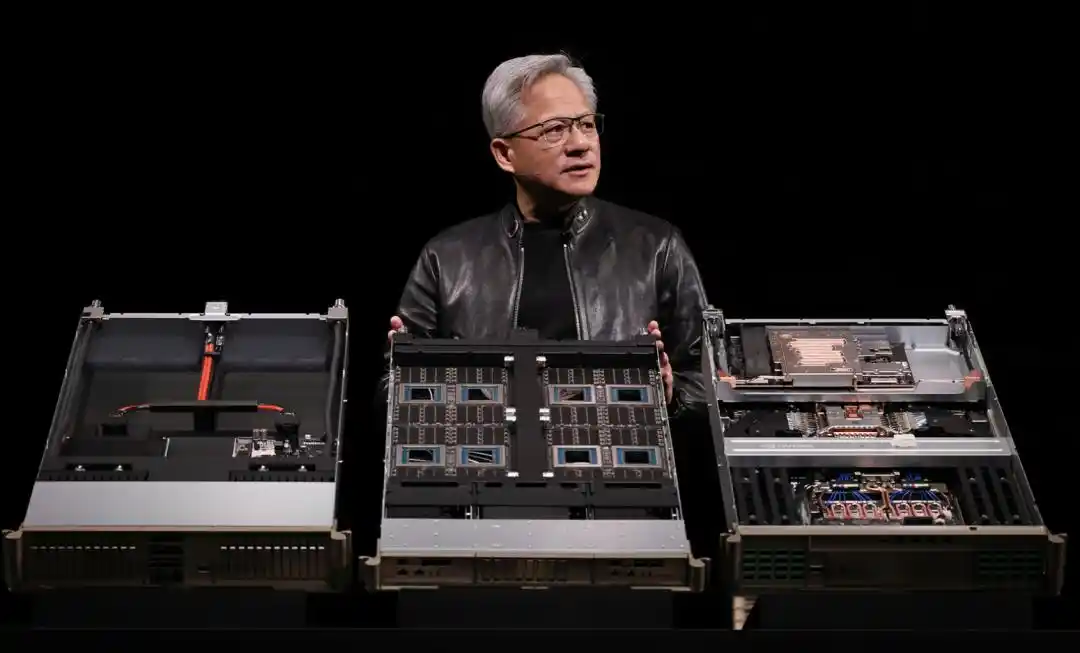
Not only that, the deal finalized this week also targets strong open-source contenders like DeepSeek and Kimi K3.
Now, open-source models already contribute a significant portion of AI-generated tokens, and Jensen Huang hopes this proportion will continue to rise, continuously stimulating demand for their own chips.
Some analysts believe, "NVIDIA doesn't care which AI model ultimately wins, as long as this world keeps churning out more and more models..."
NVIDIA's Grand Ambitions and Open-Source Blueprint
Last month, Jensen Huang, breaking from his usual low profile, posted his first ever message on X:
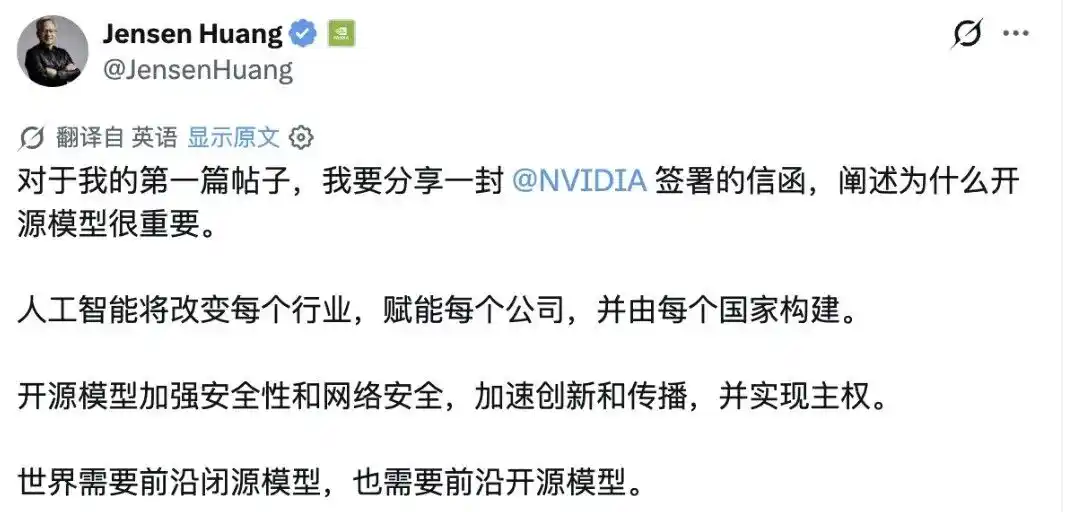
The post, jointly signed by over 20 companies, argued that for the US AI industry to thrive, it must grasp both closed and open source.
Now, NVIDIA is personally stepping in to fulfill this honorable mission.
Recently, NVIDIA invested $10 billion in the AI startup Poolside, while also forking out $60 billion to acquire the non-exclusive licensing rights to its "model factory" technology, hoping to recruit the company's over 100 engineers into its ranks.
The outside world widely sees NVIDIA's move as a gamble; it wants to rely on Poolside's technology and team to challenge the world's strongest open-source models.
This move is not abrupt.
Over the past few years, top AI labs like OpenAI, Anthropic, and DeepMind have focused their main resources on developing closed-source models, with none open-sourcing their most advanced models.
This has also provided development space for models like DeepSeek and Kimi K3.
Facing this landscape, NVIDIA seized the opportunity and went the opposite way.
Since late 2025, NVIDIA has successively released the Nemotron 3 series models. The largest Ultra version even briefly became the strongest open-source weight model in the US in June this year.
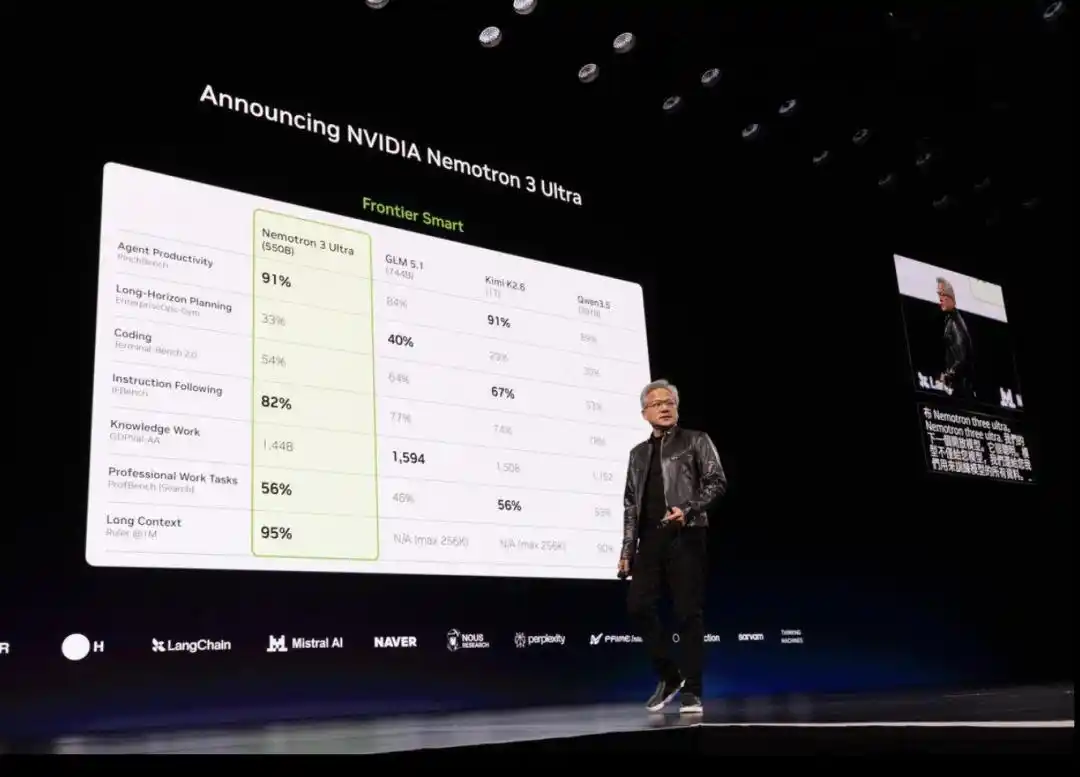
Moreover, Nemotron's open-source attitude is thorough to the point of being a declaration: besides the model weights, nothing else is hidden.
Training data, training recipes, post-training methodologies, and GPU cluster training software are all publicly released.
Besides independent R&D, NVIDIA also formed a small open-source group in March this year—the Nemotron Alliance.
Its eight members are also formidable, each with their own pedigree, including Mistral, Perplexity, Thinking Machines Lab, Cursor, LangChain, Reflection AI, Black Forest Labs, Sarvam......
NVIDIA, as the leader, provides DGX Cloud computing resources, while each member company contributes its own technology and data to jointly train an open-source model, which will serve as the foundation for the next-generation Nemotron 4 series.
Furthermore, NVIDIA's open-source layout is not limited to language models.
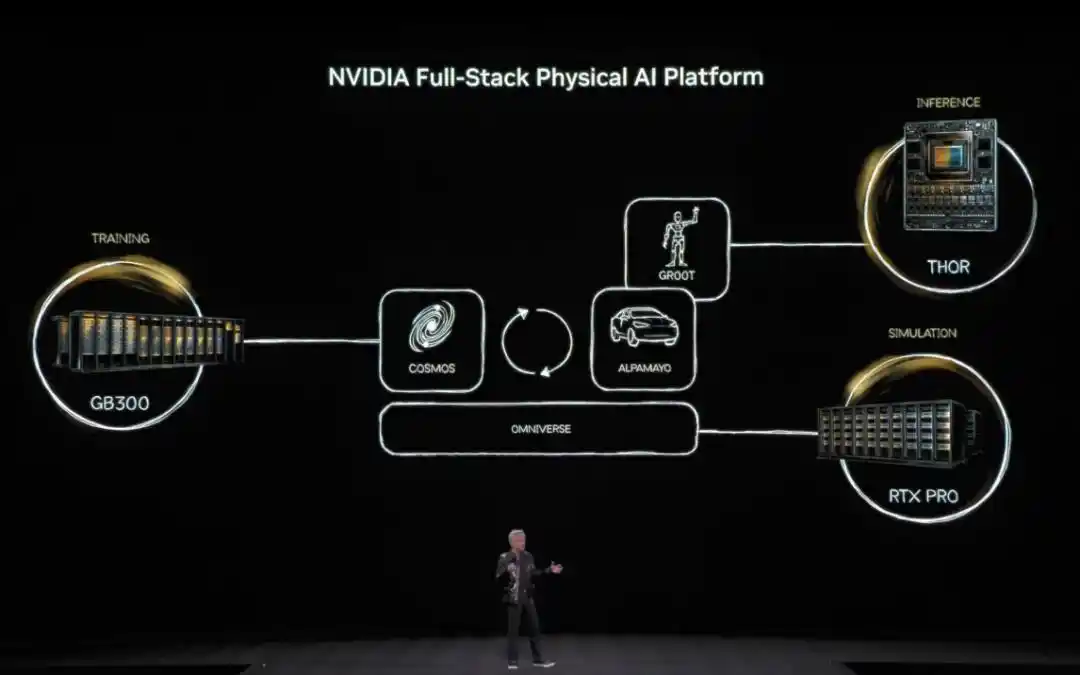
In robotics, NVIDIA released the Isaac GR00T series; in the field of physical world simulation, the Cosmos series; and also the Alpamayo series for autonomous driving and the Clara platform for biomedicine......
How a Company Founded by Idealists Became a Piece of NVIDIA's Puzzle
Poolside.
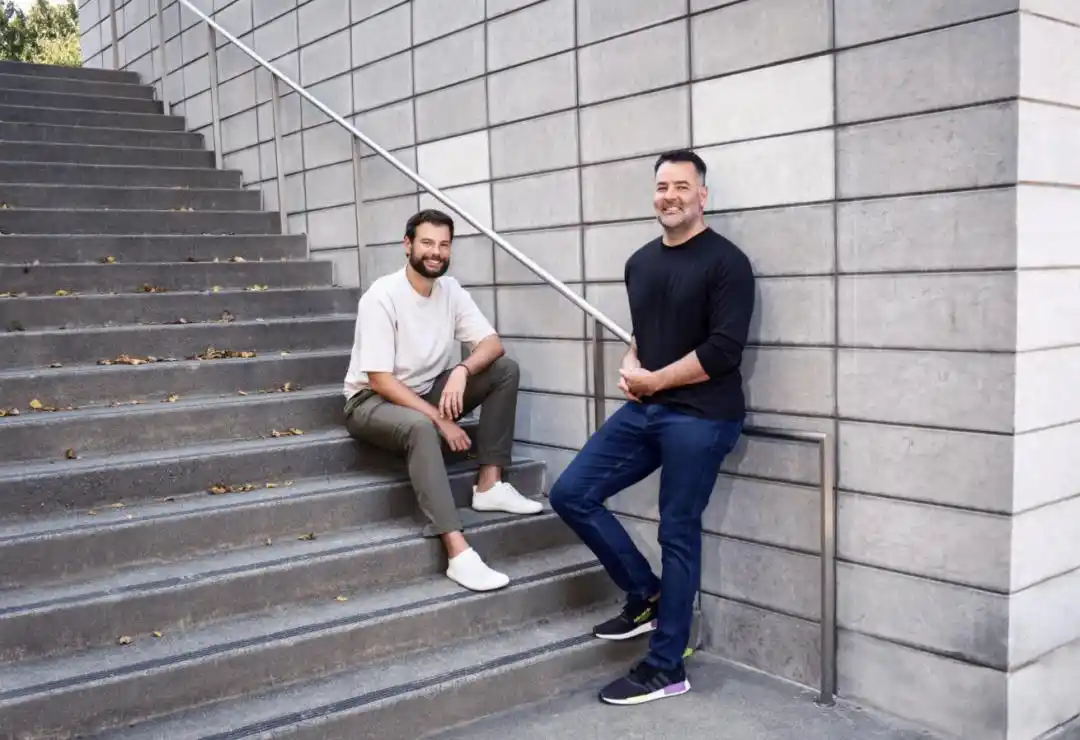
Founded in 2023 by software developer Eiso Kant and former GitHub Chief Technology Officer Jason Warner.
It is said this name came about when the two founders were negotiating funding with major corporations, and an executive suggested a relaxed "poolside informal meeting".
Whether the deal was closed is unknown, but the two founders thought the name was great—memorable and interesting.
Last October, Poolside announced plans to build a 2-gigawatt data center in Texas. Unexpectedly, in April this year, the project partner withdrew, and the ensuing $2 billion in financing fell through.
Dual pressures of funding and computing power once put Poolside in operational difficulties.
What supported their continuous model output under limited resources was their internal "model factory" system.
According to Eiso Kant, his company typically takes 5 to 8 weeks to train and release a model, with a R&D team of less than 70 people, capable of executing 10,000 to 20,000 experiments per month.

This capability is precisely what NVIDIA values.
After completing this collaboration with NVIDIA, the remaining Poolside team will primarily consist of three people: the two founders and an operations executive.
It's worth mentioning that Poolside founder Eiso Kant once stated in a podcast:
I want to see a world with 100 foundational model companies, not a world with only 5, even if we could have been one of those 5.
One More Thing
In fact, this transaction structure with Poolside is not NVIDIA's first time using it.
Non-exclusive licensing, recruitment of core talent, and the original company retaining nominal independent operation—all these do not constitute a direct acquisition, thus avoiding antitrust scrutiny.
Analyst Stacy Rasgon commented, "Doing it this way might allow the narrative of 'competition still exists' to continue."
NVIDIA hopes to firmly grasp the key nodes of the entire open-source ecosystem in its own hands.
NVIDIA's VP of Generative AI Software once said:
Models are just byproducts, not our core business.
The VP of Applied Deep Learning Research also stated that the primary purpose of developing the Nemotron series is to ensure NVIDIA's continued existence.
After all, as Moore's Law effects diminish, only with the continuous expansion of the entire AI ecosystem and the constant increase in model development and application entities can NVIDIA's computing power demand keep growing.
This article is from the WeChat public account "QbitAI," author: Cheng Qian