HTX Hot Listings Weekly Recap (Dec 1-7): PIPPIN Surges 150% and “Bankrupt” Assets Stage a Weekend Comeback

TheNewsCryptoPublished on 2025-12-11Last updated on 2025-12-11

Abstract

HTX's market saw a sharp rise in sentiment from December 1–7, driven by renewed risk appetite and macro volatility. Solana and BSC-based AI meme coins led the rally, with PIPPIN surging 150% as the top performer. Other notable gainers included FHE (+135%) and SKYAI (+65%). In a surprising weekend rebound, "bankrupt" Terra ecosystem tokens like LUNC (+104%), USTC (+56%), and LUNA (+52%) staged a strong recovery, fueled by nostalgia and community sentiment. The week highlighted a return of speculative trading, rapid sector rotation, and HTX’s role in capturing emerging opportunities.

From December 1 to December 7, market sentiment on HTX turned sharply higher, driven by a combination of macro volatility and renewed risk appetite. A wave of high-beta assets on this global leading exchange posted outsized gains, with Solana- and BSC-based AI meme coins leading a broad rebound. PIPPIN, FHE, and other high-volatility names significantly outperformed with a dead-cat bounce, while long-dormant “bankrupt” assets saw a surprise rotation amid renewed discussion around Terraform founder Do Kwon. Below is a recap of the week’s standout performers on HTX.

SOL Memecoin Sector Extends Leadership as Liquidity Returns to the Chain

Solana ecosystem remained the epicenter of the high-volatility narrative, with capital flows finding their most attractive destinations in AI and memecoin assets. The narrative continues to attract short-term speculative capital, and Solana once again proved to be one of the most efficient incubators for high-elasticity assets.

● PIPPIN (Pippin): +150%, as the strongest performer of the week. PIPPIN is an SVG unicorn generated using the latest LLM benchmarks on ChatGPT 4o. It is created by Yohei Nakajima, a recognized innovator and thought leader in the AI VC field, with Jeff Bezos and Marc Andreessen often referenced as peers in influence.

● FARTCOIN (Fartcoin): +37%. The token is a memecoin inspired by the AI chatbot Truth Terminal.

● MOODENG (Moo Deng): + 32%, benefiting from a Solana ecosystem-wide spillover.After chasing AI-themed memecoins, market participants are now expanding their focus to include the traditional memecoin sector.

BSC AI Tokens Continue Building Momentum

The BSC AI sector delivered similarly strong performance, supported by a structural trend favoring technical narratives, asset-light strategies, and high community engagement. This combination has made BSC one of the more fertile environments for short-term liquidity resonance. This week’s gains underscore that capital remains eager to hunt for high-beta opportunities within the “low-barrier, strong-narrative” sectors.

● FHE (Mind Network): +135%, earning the second-highest increase among all tracked assets. The project is driving development of the next-generation zero-trust transmission protocol, HTTPZ. Ongoing discussion around homomorphic encryption and on-chain data security amplified market interest.

● SKYAI: +65%, as BSC’s small-cap AI tokens continued their growth pattern. Currently, SKYAI already supports aggregated datasets from both BSC and Solana, totaling over 10 billion lines of data.

● B (BUILDon): +46%. BUILDon is a hybrid Layer 2 solution leveraging Bitcoin’s security model alongside EVM compatibility to streamline decentralized application development.

“Bankrupt” Tokens Make an Unexpected Weekend Rebound

The most surprising bounce-back came over the weekend as the long-inactive sector abruptly staged a strong recovery. The Terra ecosystem – LUNC, USTC and LUNA – led the rebound.

● LUNC (Terra Classic): +104%, topping the gainers of the category. Terra Classic (LUNC) is the original native cryptocurrency of the Terra blockchain. It is rebranded to Terra Classic following the collapse of the Terra stablecoin (UST) and the network fork in May 2022, distinguishing it from the new Terra blockchain (LUNA 2.0). The twin catalysts of “reorganization expectations” and “historical sentiment” from the community have once again become the asset engine.

● USTC (Terra Classic USD): +56%, moving in tandem with LUNC. USTC is a decentralized algorithmic stablecoin pegged to the US dollar.

● LUNA (Terra): +52%, as a continuation of the sector’s recovery. Despite the eye-catching gains, market participants continue to emphasize that these assets remain driven largely by nostalgia-based trading and carry exceptionally high volatility and risk.

AI Memecoin and Terra Ecosystem Drive Risk-On Rebound

Overall, the week marked a textbook return of “speculative season.” Solana and BSC’s AI memecoins delivered outsized performance, while the unexpected surge in the Terra ecosystem added a second driver for short-term risk appetite. The performance of HTX’s listings reflected rapid sector rotation and high elasticity.

As multiple narratives continue to rise simultaneously, HTX remains committed to leveraging its global platform resources and rapid listing responsiveness to capture emerging wealth-creation opportunities early. The platform will continue expanding high-quality listings at speed, supporting traders as the market enters the next phase of momentum-driven growth.

About HTX

Founded in 2013, HTX (formerly Huobi) has evolved from a virtual asset exchange into a comprehensive ecosystem of blockchain businesses that span digital asset trading, financial derivatives, research, investments, incubation, and other businesses.

As a world-leading gateway to Web3, HTX harbors global capabilities that enable it to provide users with safe and reliable services. Adhering to the growth strategy of “Global Expansion, Thriving Ecosystem, Wealth Effect, Security & Compliance,” HTX is dedicated to providing quality services and values to virtual asset enthusiasts worldwide.

To learn more about HTX, please visit https://www.htx.com/ or HTX Square , and follow HTX on X, Telegram, and Discord. For further inquiries, please contact glo-media@htx-inc.com.

Disclaimer: TheNewsCrypto does not endorse any content on this page. The content depicted in this Press Release does not represent any investment advice. TheNewsCrypto recommends our readers to make decisions based on their own research. TheNewsCrypto is not accountable for any damage or loss related to content, products, or services stated in this Press Release.
TagsHTXPress Release

Related Reads

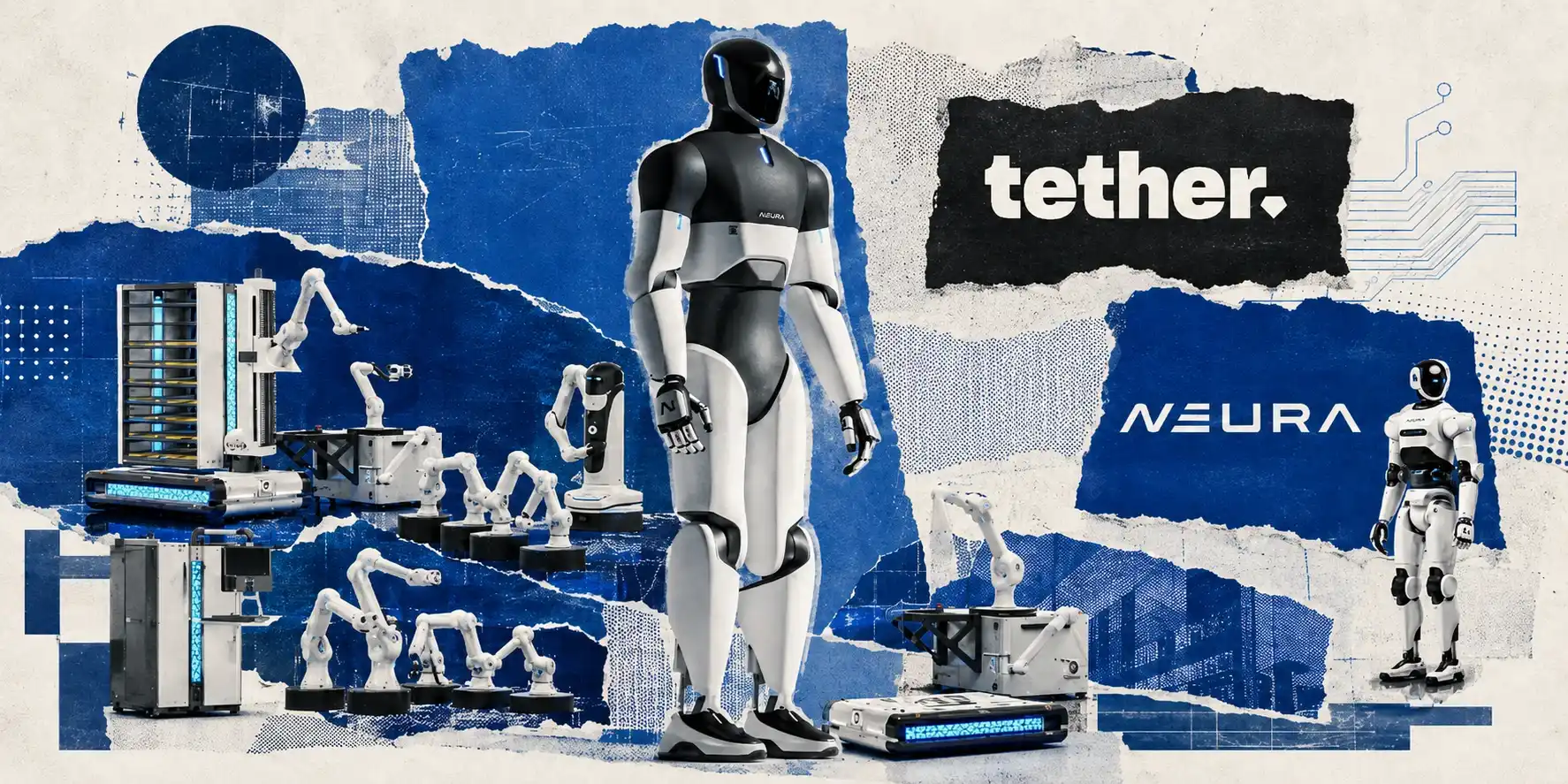
Do Robots Also Need Encrypted Wallets? Stablecoin Giant Tether Bets on German Company NEURA Robotics

Do Robots Need Crypto Wallets? Stablecoin Giant Tether Bets on German Firm NEURA Robotics German robotics company NEURA Robotics has secured up to $1.4 billion in what is claimed to be the largest-ever funding round in the full-stack robotics industry, valuing the company at $7 billion. The Series C round attracted major investors like Tether, Qualcomm, Amazon, NVIDIA, Bosch, and the European Investment Bank. NEURA, founded in 2019, initially focused on AI-powered collaborative robots (cobots) for industrial automation, later expanding to autonomous mobile robots, service robots, and humanoid robots. Its core strategy is evolving from a hardware manufacturer to the operator of "Neuraverse," a platform designed to enable different robots to share learned experiences and data, creating network effects. A key, crypto-focused aspect of this investment is Tether's involvement. Tether plans to integrate its open-source Wallet Development Kit (WDK) into NEURA's robot platforms. This would embed self-custody wallet functionality, allowing robots to autonomously handle payments and settlements for tasks under pre-set rules—envisioning use cases in logistics or Robotics-as-a-Service (RaaS) models. This move could position stablecoins and crypto wallets as potential "machine payment infrastructure." Additionally, the partnership will see Tether's QVAC (QuantumVerse Automatic Computer) edge-AI framework tested and deployed within Neuraverse. This aims to enable low-latency, offline-capable AI decision-making directly on robots, reducing reliance on cloud computing for critical, time-sensitive operations. The investment underscores Tether's broader ambition to expand beyond being just a stablecoin issuer into AI, energy, and digital infrastructure, with NEURA's robotics network serving as a testbed for merging crypto-based financial layers with edge-based intelligence for the future of automation.

marsbit15m ago

Do Robots Also Need Encrypted Wallets? Stablecoin Giant Tether Bets on German Company NEURA Robotics

marsbit15m ago

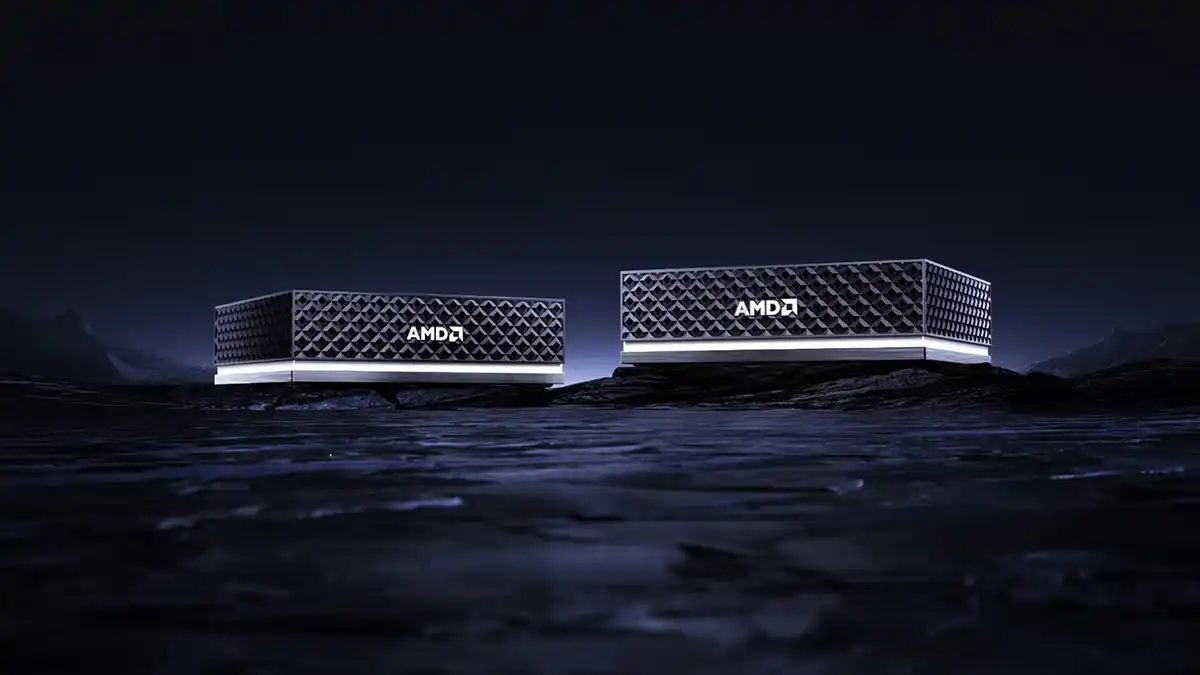
AMD Launches Compact AI Host, Directly Challenging NVIDIA DGX Spark

In June 2026, AMD announced the Ryzen AI Halo, a compact AI developer desktop to rival NVIDIA's DGX Spark. Both feature 128GB unified memory for running 200B+ parameter models locally. Priced from $2,949 to $3,999, AMD undercuts NVIDIA's $3,999+ DGX Spark. The core divergence lies in architecture and philosophy. Ryzen AI Halo uses an x86-based Ryzen AI Max+ 395 APU (CPU+GPU+NPU), runs standard Windows/Linux, and emphasizes general-purpose PC flexibility. DGX Spark uses an ARM-based Grace Blackwell Superchip, runs a custom DGX OS, and includes a high-speed ConnectX-7 NIC for cluster prototyping, anchoring it to NVIDIA's full-stack CUDA ecosystem. AMD's ROCm software has improved, with simpler installation and support for major frameworks, but still lags behind CUDA's 17-year maturity in community support and cutting-edge library availability. AMD's broader strategy focuses on becoming a viable second-source supplier. Key moves include acquiring design capabilities via ZT Systems (while outsourcing manufacturing) and securing two major 6GW GPU supply deals with OpenAI and Meta in late 2025/early 2026. These contracts validate AMD's role in diversifying the AI supply chain, rather than outright beating NVIDIA. NVIDIA counters with a tightly integrated stack from desktop (DGX Spark) to data center, emphasizing seamless scalability and enterprise software subscriptions (AI Enterprise). In summary, Ryzen AI Halo represents AMD's pragmatic path: offering a cost-effective, open-ecosystem alternative for developers wary of vendor lock-in, while its large data center contracts aim to capture share from customers seeking a second GPU supplier. The choice boils down to a familiar, flexible PC environment with potential software gaps (AMD) versus a premium, optimized, but locked-in ecosystem (NVIDIA).

marsbit15m ago

AMD Launches Compact AI Host, Directly Challenging NVIDIA DGX Spark

marsbit15m ago

Sharplink CEO: One Million Ethereum Developers, Who Can Compete?

Etherean Ecosystem: One Million Developers and a Formidable Moat The Ethereum network has surpassed a significant milestone: over one million unique lifetime developers, with approximately 232,000 active in the past year. This vast and growing talent pool is Ethereum's core advantage, far more critical than transient metrics like speed or transaction fees. The central question is not which blockchain is fastest, but where the best builders choose to build long-term. Ethereum's answer lies in a decade-long accumulation of infrastructure, standards, tools, liquidity, and collaborative culture that is exceptionally difficult to replicate. It has become the default operating system for programmable finance. This massive developer base is actively working on complex, high-risk challenges that deepen Ethereum's strategic moat: * **Glamsterdam Upgrade (2026):** Focused on core protocol scalability (ePBS, parallel execution) while preserving core values like credible neutrality. * **Synchronous Composability:** Aims to make numerous Rollups interoperate like a single chain, directly addressing fragmentation concerns. * **Quantum Resistance:** Ethereum leads mainstream ecosystems in coordinated preparation for post-quantum cryptography, with a targeted migration plan around 2029. This developer advantage is self-reinforcing, fueled by: * **Deep Composability:** Applications interact like interoperable financial Lego bricks via shared standards (e.g., EVM, Solidity). * **Credible Neutrality:** Secured by over 900,000 validators, making it trusted by major institutions. * **Modularity:** Rollups (Base, Arbitrium, etc.) expand, rather than fracture, the ecosystem into a tightly connected modular internet economy. * **Culture:** Attracts top-tier researchers and standard-setters who guide the entire industry. In essence, while other chains generate activity, Ethereum is consolidating as the trusted, long-term coordination layer for internet-native finance. Its future is being built now by the architects of the next-generation financial infrastructure.

Odaily星球日报1h ago

Sharplink CEO: One Million Ethereum Developers, Who Can Compete?

Odaily星球日报1h ago

Ethereum Reaches the Milestone of One Million Developers, Sharplink CEO Delves Deep into Ethereum's Future Possibilities

Ethereum Surpasses One Million Developers Milestone: A Look at Its Unshakeable Dominance and Future Joseph Chalom, CEO of Sharplink, reflects on his recent Asia trip where he engaged deeply with Ethereum developers and ecosystem leaders. The most striking takeaway was not just the industry's vibrancy, but the rigorous, long-term vision of local builders. This context brings to life a pivotal statistic: Ethereum has now surpassed one million cumulative developers (1,012,824), with approximately 232,000 remaining active in the past year—a talent pool unmatched by any other crypto ecosystem. The critical question isn't which blockchain is fastest, but where top developers choose to build long-term. Ethereum's answer is unequivocal. Its decade-long lead stems from a unique convergence of technology, institutional culture, economic systems, and composability, cementing its role as the foundational operating system for programmable finance. This massive developer base is tackling the industry's hardest problems, continuously strengthening Ethereum's moat. Key initiatives include: * **The Glamsterdam Upgrade (planned 2026):** Introducing ePBS and Block-level Access Lists for parallel execution and higher throughput while preserving core values like credible neutrality and fair MEV distribution. * **Synchronous Composability:** Projects are working to enable atomic transactions across dozens of Rollups, making them function as one unified chain and eliminating ecosystem fragmentation. * **Post-Quantum Security:** Ethereum is far ahead in preparing for quantum computing threats, with a dedicated foundation working group and testnets targeting a full migration by ~2029—a crucial factor for institutional adoption. Beyond developers, Ethereum's core network effects are its unparalleled composability and unified standards (like EVM and Solidity), which create a powerful flywheel: more developers → better tools → greater liquidity → more institutional participation. Its other decisive advantages include credible neutrality (over 900k validators), a secure modular architecture with interconnected Rollups, and a deeply entrenched culture shaped by top-tier researchers. Ultimately, there's a vast difference between generating short-term activity and becoming the trusted, long-term coordination layer for global native finance. Major institutions prioritize security, trust, and liquidity—areas where Ethereum holds dominant mindshare. The industry's trajectory shows resources consolidating around unified standards, deep liquidity, and developer consensus. After meeting the builders in Seoul and Hong Kong, Chalom is more convinced than ever: Ethereum's unshakeable future is being built right now.

Foresight News1h ago

Ethereum Reaches the Milestone of One Million Developers, Sharplink CEO Delves Deep into Ethereum's Future Possibilities

Foresight News1h ago

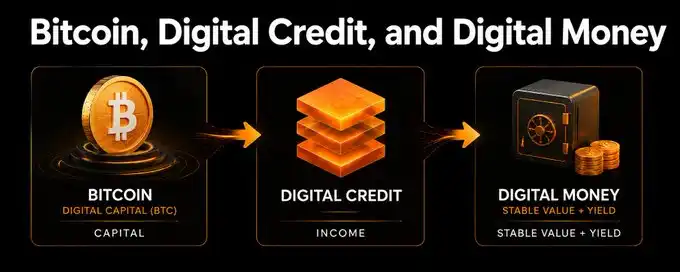
Saylor's Latest Long Read: Bitcoin is Not Money, It's Digital Capital, and Money is Built Upon It

Michael Saylor presents his "Digital Asset Stack" theory, positioning Bitcoin as the foundational layer of digital capital. He argues Bitcoin itself should remain unchanged—no staking, inflation, or protocol alterations. Instead, a five-layer financial architecture should be built atop it: Digital Capital (BTC), Digital Credit (e.g., yield instruments like STRC), Digital Currency (stable, yield-bearing instruments pegged to fiat), Digital Yield (leveraged/structured products), and Digital Equity (e.g., MSTR stock, absorbing residual volatility). Saylor asserts this stack transforms Bitcoin's high-volatility, high-energy capital into tailored products: stable currencies for payments/savings, yield instruments for income seekers, and equity for growth investors. This approach meets diverse needs—corporate treasuries, banks, retirees, emerging market users—without compromising Bitcoin's core properties (scarcity, decentralization). The "killer use case" is rebuilding global money, credit, and capital markets on Bitcoin, bridging the fiat world with a superior digital asset foundation. The system leverages traditional finance principles (risk layering, structured products) while using Bitcoin as the ultimate collateral. This expands Bitcoin's utility, drives adoption, and offers a better monetary experience: digital, yield-bearing, stable-value tools for everyday use.

marsbit1h ago

Saylor's Latest Long Read: Bitcoin is Not Money, It's Digital Capital, and Money is Built Upon It

marsbit1h ago

Trading

Spot
Futures

Hot Articles

How to Buy USOIL

Welcome to HTX.com! We've made purchasing WTI Crude USOil/ CL (USOIL) simple and convenient. Follow our step-by-step guide to embark on your crypto journey.Step 1: Create Your HTX AccountUse your email or phone number to sign up for a free account on HTX. Experience a hassle-free registration journey and unlock all features.Get My AccountStep 2: Go to Buy Crypto and Choose Your Payment MethodCredit/Debit Card: Use your Visa or Mastercard to buy WTI Crude USOil/ CL (USOIL) instantly.Balance: Use funds from your HTX account balance to trade seamlessly.Third Parties: We've added popular payment methods such as Google Pay and Apple Pay to enhance convenience.P2P: Trade directly with other users on HTX.Over-the-Counter (OTC): We offer tailor-made services and competitive exchange rates for traders.Step 3: Store Your WTI Crude USOil/ CL (USOIL)After purchasing your WTI Crude USOil/ CL (USOIL), store it in your HTX account. Alternatively, you can send it elsewhere via blockchain transfer or use it to trade other cryptocurrencies.Step 4: Trade WTI Crude USOil/ CL (USOIL)Easily trade WTI Crude USOil/ CL (USOIL) on HTX's spot market. Simply access your account, select your trading pair, execute your trades, and monitor in real-time. We offer a user-friendly experience for both beginners and seasoned traders.

632 Total ViewsPublished 2026.05.25Updated 2026.05.25

How to Buy USOIL

HTX Learn: Learn USDD to Share 1000 USDT​

To enhance your understanding of USDD, we are rolling out various rewarding events. Join them now and bring home generous rewards through learning and trading.

27.7k Total ViewsPublished 2026.05.25Updated 2026.05.25

HTX Learn: Learn USDD to Share 1000 USDT​

Discussions

Welcome to the HTX Community. Here, you can stay informed about the latest platform developments and gain access to professional market insights. Users' opinions on the price of A (A) are presented below.

活动图片