Cory Iring, a well-known poker player and creator of popular content, has launched an unusual Christmas campaign for his audience. Instead of a classic freeroll, he offered his subscribers a chance to participate in a contest with a total prize pool of $30,000, the main prize of which was a seat in expensive cash games.
The project is being implemented with the support of CoinPoker and has already attracted attention with its unconventional approach to player engagement and a transparent selection mechanism.
How the Content Creator and CoinPoker Ambassador Turned Crypto Misfortune into a Poker Challenge with Real $10,000 Buy-Ins
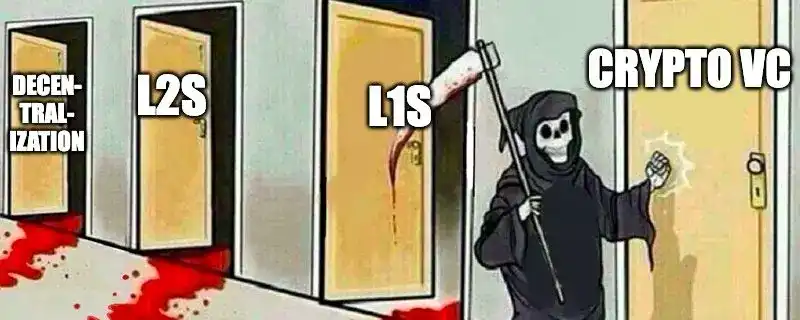
The Christmas Freeroll is based on Iring's personal story. At the beginning of the year, he set a goal to reach a bankroll of $1 million and made a large bet on cryptocurrencies, investing a significant portion of his funds in Bitcoin, Ethereum, and Solana. A sharp market downturn dashed these plans, and Iring found himself needing to find an alternative path to his goal.
Unlike most influencers, he did not limit himself to motivational statements. Iring decided to return to the environment where he feels like a professional—poker—and apply the classic staking model in an unusual format. Instead of looking for investors, he made a bet on his own subscribers, offering them a chance to play at high stakes on his dime.
The selection mechanism is built on a cash game on the CoinPoker platform. Participants register with the promo code CE and play cash games from December 6 to 25. As part of the campaign, two $10,000 buy-ins for games at The Lodge—a Texas poker room run by Doug Polk—are being played out. Another $10,000 is distributed among the finalists as cash prizes.
Winners are determined in two categories. In The Protege category, key roles are played by efficiency indicators and the final financial result, while The Grinder is oriented towards game volume: the most active participants advance to a separate mini-tournament, the winner of which receives the second high-stakes buy-in. The organizers specifically emphasize that only honest play is taken into account, without attempts to artificially increase the number of cash games.
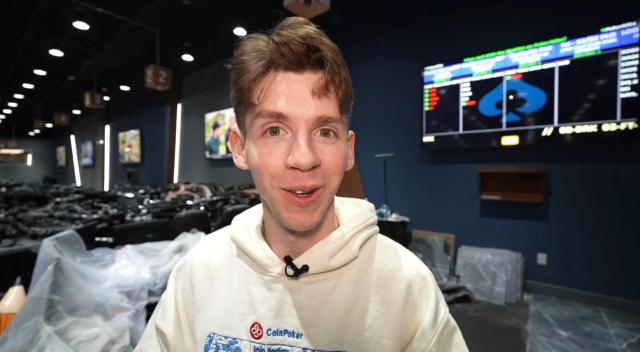
The first stage has already been completed. The winner of The Protege category was a subscriber named Kayla, who earned a seat in a real cash game against experienced regulars. Despite her lack of experience in such lineups, she managed to finish the session with a profit and, in practice, prove that the format works not only on paper but also at the table.
The second path remains open. The battle for victory in The Grinder continues, and the final tournament is planned for the end of December. For many participants, this is a rare opportunity to test themselves in conditions usually accessible only to professionals, without personal investment.
Conclusion
Cory Iring's project shows how a personal challenge can turn into a large-scale media and gaming initiative. The Christmas Freeroll combines content, live poker, and real money, offering the audience not abstract promises, but a concrete chance to play at high limits.
For CoinPoker, this is another step towards non-standard formats, and for players—an opportunity to enter high stakes through honest and transparent selection.