After TACO Ceasefire, Iran War Is Only Paused

marsbitPublished on 2026-04-12Last updated on 2026-04-12

Abstract

The article analyzes the temporary ceasefire between the U.S. and Iran, suggesting it represents a pause rather than a resolution to the conflict. U.S. President Donald Trump accepted a two-week truce amid political and economic pressures, temporarily calming markets and allies. However, core issues remain unresolved: Iran shows no willingness to abandon its nuclear or missile programs, nor to concede to U.S. demands for regime change. Instead, Iran has strengthened its control over the Strait of Hormuz, potentially leveraging it for long-term geopolitical gains, including imposing transit fees on oil tankers. The conflict has exposed divisions within the U.S. Republican Party, with Trump facing criticism from both hawks and moderates over his aggressive threats and strategic reversals. The ceasefire, while providing a short-term de-escalation, fails to address underlying structural tensions, leaving the situation volatile and open to further escalation.

Editor's Note: From threats of returning to the "Stone Age" to the rapid landing of a two-week ceasefire, the conflict surrounding Iran has undergone a sharp turn in a short period. On the surface, the situation has cooled and markets have rebounded, but the underlying structural issues have not been resolved.

On one hand, Donald Trump, under political and economic pressure, chose to "step down" by implementing a ceasefire to temporarily alleviate market and ally anxieties; on the other hand, Iran has instead strengthened its control over the Strait of Hormuz during the conflict and is attempting to convert this geopolitical advantage into long-term leverage. The so-called "ceasefire" is more like an arrangement to buy time rather than a true resolution of the problem.

Meanwhile, domestic divisions in the United States are intensifying. Within the Republican Party, clear cracks have emerged over whether to cross the war threshold and whether to accept an agreement that falls far short of core objectives. From market volatility to policy flip-flops, this crisis has not only exposed the highly personalized decision-making mechanism but also led the world to reassess U.S. credibility and execution.

In the absence of a clear victory, the conflict is entering a more complex phase: military deterrence, energy games, and political negotiations are intertwined. The real question is no longer "whether to ceasefire," but how this game will be repriced given that all parties' bottom lines remain firm.

Below is the original text:

U.S. President Donald Trump has two weeks to determine whether he has untangled the knot he tied himself regarding Iran or has instead pulled it tighter.

On Tuesday, he announced acceptance of a two-week ceasefire proposal from Iran, a move that brought relief to capitals worldwide and sparked jubilation in financial markets. For now, at least, concerns have temporarily eased that he would continue attacks on civilian infrastructure and drag the region deeper into conflict through a bombing campaign he once described as aiming to bomb Iran "back to the Stone Age."

But beneath the celebratory atmosphere of another Taco Tuesday, the president, known for pulling back at the last moment, has once again stepped back from the brink. A more realistic realization has also emerged: none of the core issues have been resolved.

One key unresolved issue is whether the Strait of Hormuz has truly reopened to oil tankers. Although Iran has released vague signals suggesting it would allow more vessels through the reality remains unclear.

Iran has shown little willingness to accept comprehensive U.S. demands, whether to weaken the current regime or install a pro-American leadership as in Venezuela. Meanwhile, Tehran has not publicly committed to meeting Trump's two core demands: permanently abandoning its nuclear program and fully decommissioning its ballistic missile system. Moreover, prior to this, the U.S. president threatened to "erase Iranian civilization," which, if carried out, could itself border on war crimes.
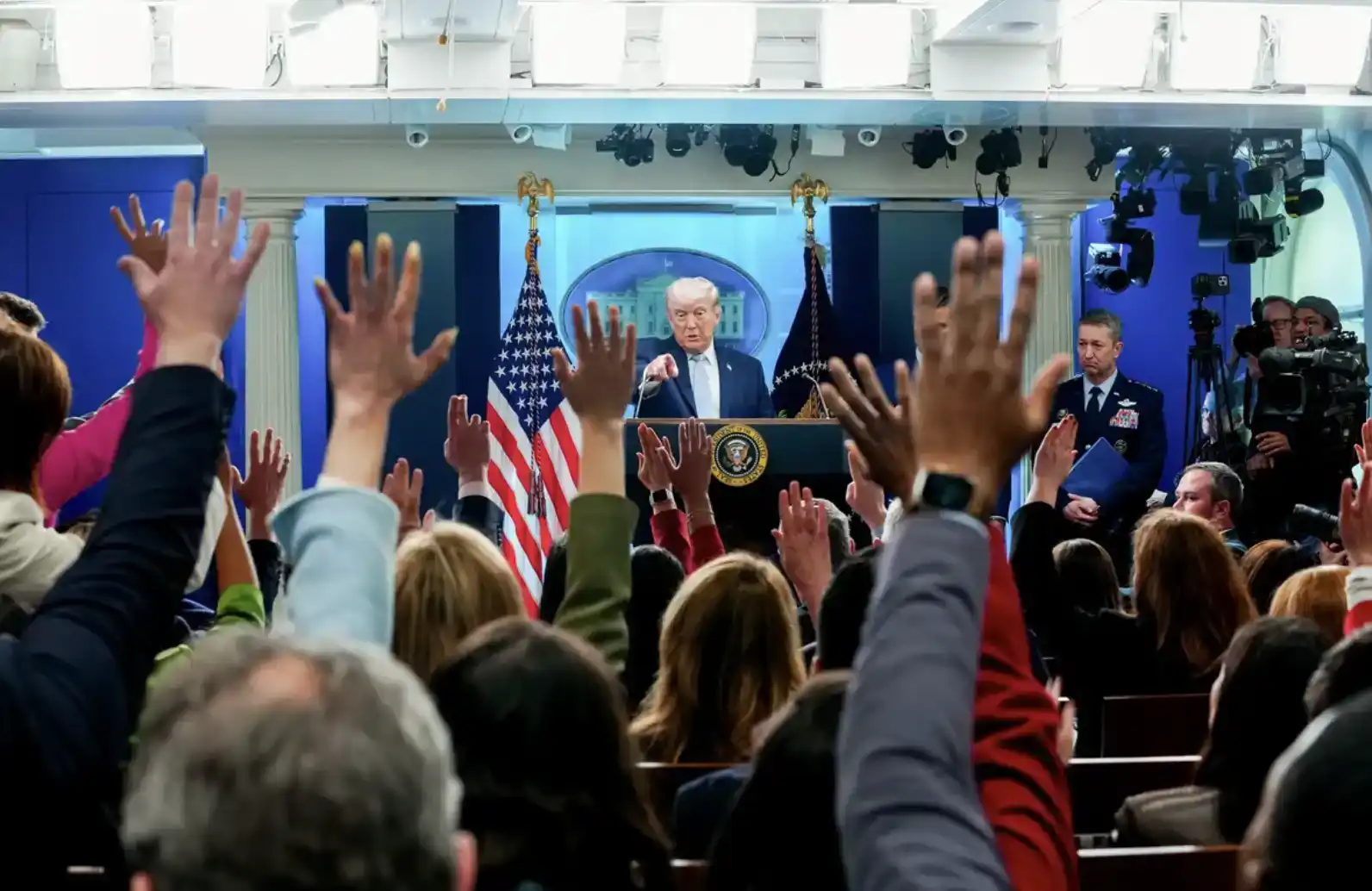
Meanwhile, Trump confirmed that a "ten-point proposal" from Iran would serve as the basis for future negotiations. Tehran had previously demanded the lifting of sanctions and compensation for war damages. This could also mean imposing new fees on vessels passing through the Strait of Hormuz, thereby keeping shipping costs and energy prices high for an extended period.

From a practical perspective, for a U.S. president under significant political and economic pressure and urgently needing an "off-ramp," even if these goals cannot be fully achieved, he may have to accept them.

"Trump clearly very much wants to kick the can down the road again, which is not surprising," said Ian Bremmer, founder of Eurasia Group.

According to a senior government official who spoke on condition of anonymity, as the 8 p.m. Tuesday deadline approached, the White House deliberately created an atmosphere of "suspense." Part of the reason was that the president himself asked his advisory team not to signal anything, leaving outsiders to speculate on his next move. Meanwhile, the U.S. intensified strikes on Iranian military targets, including its main oil export hub Kharg Island, to increase U.S. leverage in negotiations and demonstrate its military capabilities.

According to a White House official, despite being in Hungary to meet with Viktor Orbán, U.S. Vice President JD Vance played a central role in Tuesday's decision-making. At one point, Vance had Donald Trump on speakerphone during an Orbán rally; meanwhile, the official stated that the vice president also privately communicated directly with a Pakistani official acting as a mediator.

The official added that Trump continued consultations with senior U.S. national security officials and Israeli Prime Minister Benjamin Netanyahu throughout the day, eventually confirming the ceasefire terms in a call with a Pakistani army marshal.

Meanwhile, the West Wing was abuzz with the release of a report showing that, prior to the war, senior Trump administration officials were deeply skeptical of Israel's assessment that military strikes could trigger a popular uprising in Iran and lead to a new secular government. The report also revealed Vance's initial opposition to launching strikes and private concerns expressed by other senior advisors.

Against this backdrop, throughout Tuesday, allies from within Trump's political coalition warned him against fulfilling his extreme threat to "end Persian civilization." Conservative podcast hosts even publicly discussed whether the cabinet should consider invoking the 25th Amendment to remove Donald Trump; even his usual Republican supporters on Capitol Hill said his threats to attack power plants and desalination facilities had crossed a line.

Although Trump's Republican Party won a special election in Georgia that day, the margin of victory in this traditionally "safe seat" narrowed significantly, seen as a potential signal of voter dissatisfaction.

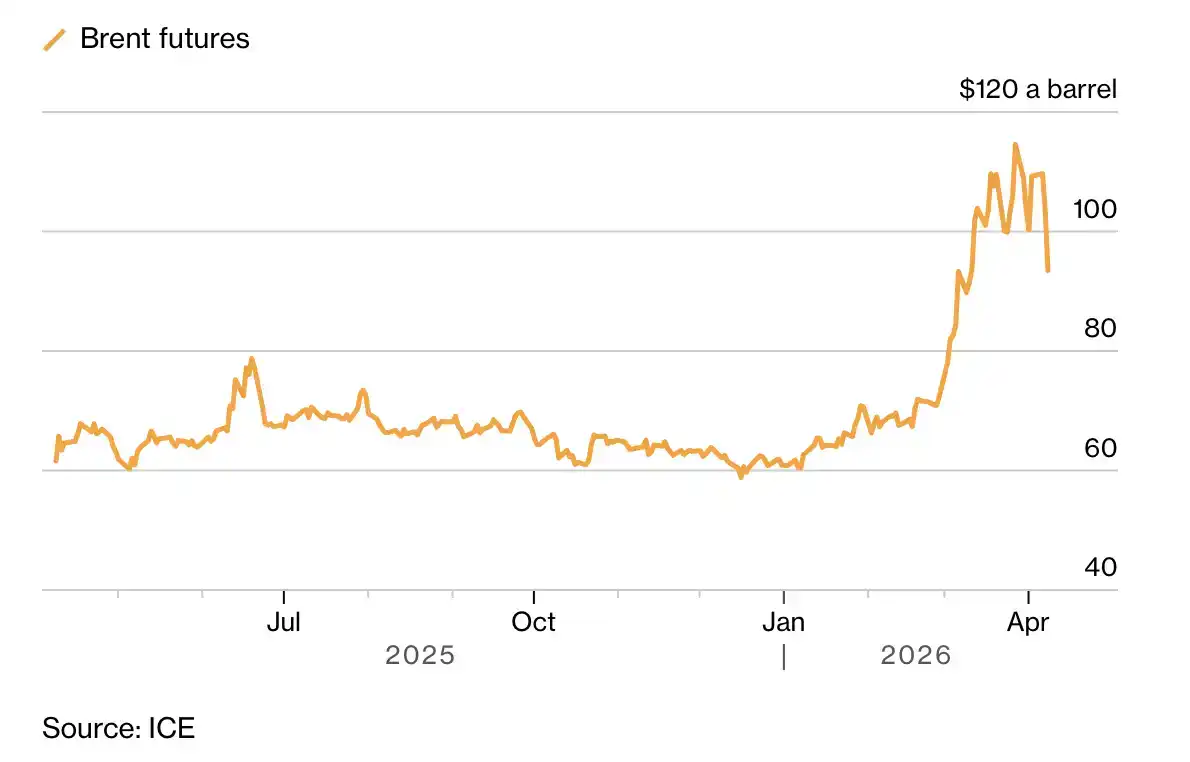
Meanwhile, economic pressures continued to mount. Since the conflict erupted in late February, West Texas Intermediate (WTI) crude prices have risen nearly 70%, pushing gas station rates above $4 per gallon for the first time in years.

Within an hour of Trump's announcement, oil prices fell 11%, highlighting the market's pent-up anxiety over his policy direction. The S&P 500 Index has fallen about 5.2% from its historical high and just recorded its worst quarterly performance since 2022.
Trump's decision was made at the last minute. According to a U.S. official, it wasn't until late Tuesday afternoon, just about two hours before he announced the ceasefire on Truth Social, that the president fully heard the proposal from Pakistan. Whether to accept it and whether it met his conditions ultimately rested entirely with Donald Trump himself.

Unknown Details

Although the president claimed in his statement that he had advanced this "long-standing issue to near resolution," there is little public indication that the military and economic impasse, which has severely impacted his political standing, is moving toward genuine relief.

Jennifer Kavanagh, military analysis director at the libertarian think tank "Defense Priorities," wrote on social media: "It is a relief that Trump chose the off-ramp tonight. But if he was going to back down, he did it in the worst possible way, by raising the stakes maximally, damaging his own credibility and perceptions of U.S. power. This is a clear strategic failure."

In the hours following Trump's ceasefire announcement, White House Press Secretary Karoline Leavitt urged caution regarding reports of face-to-face talks, stating that any substantive progress must be confirmed by the president's formal announcement.

Meanwhile, according to Al Jazeera, Iran's proposal includes demands for U.S. troops to withdraw from their bases and deployments in the region and for the unfreezing of Iranian assets. The likelihood of either the U.S. or Israel accepting these terms appears quite slim.

Although Washington has largely dismissed Iran's public statements throughout the conflict, believing Tehran to be more flexible in private negotiations, this vast gap between public and private positions highlights the deep divisions and distrust Trump must now navigate.

Jonathan Panikoff pointed out that a long-term resolution must address a series of core issues: the future of Iran's nuclear and missile programs, the disposition of highly enriched uranium stockpiles, and permanent guarantees of freedom of navigation. He stated: "With Iran willing to open the Strait of Hormuz, the president's acceptance of a two-week ceasefire does provide him an 'off-ramp' and allows him to claim a phased victory."

Shortly after the ceasefire was announced, Trump told AFP that Iran's uranium stockpiles would be "properly handled," without specifying how, while still calling the agreement a "total victory" for the U.S.

Energy and "Off-Ramp"

Throughout his public career, Trump has never been one to insist on aligning stated goals perfectly with reality; he has repeatedly paved the way for his own "retreat" even when key issues remain unresolved.

He has often backtracked on his most radical policies and threats. For example, a year ago, he quickly conceded on global tariffs just days after implementing them following a significant market downturn.

This time, the administration may be hoping that voter memories are short, the economy will gradually recover from the conflict's impact, and Iran's retaliation—which Trump himself admitted was unexpected—will be digested over time.

But if an agreement close to the president's initial vision ultimately fails to materialize, the White House will inevitably face severe questioning. Jon Hoffman, a defense and foreign policy researcher at the Cato Institute, said: "Overall, Trump's initial goals were extremely radical, including destroying Iran's nuclear program and even promoting regime change, but neither has been achieved."

Connecticut Democratic Senator Chris Murphy warned that if an agreement ultimately solidifies Iran's control over the Strait of Hormuz, it would have "disastrous consequences" for the world. He told CNN: "It doesn't even sound like a real agreement was reached because Trump's account is completely inconsistent with Iran's. If Iran permanently controls the strait as a result, what a serious miscalculation this entire operation would be, how failed it would appear."
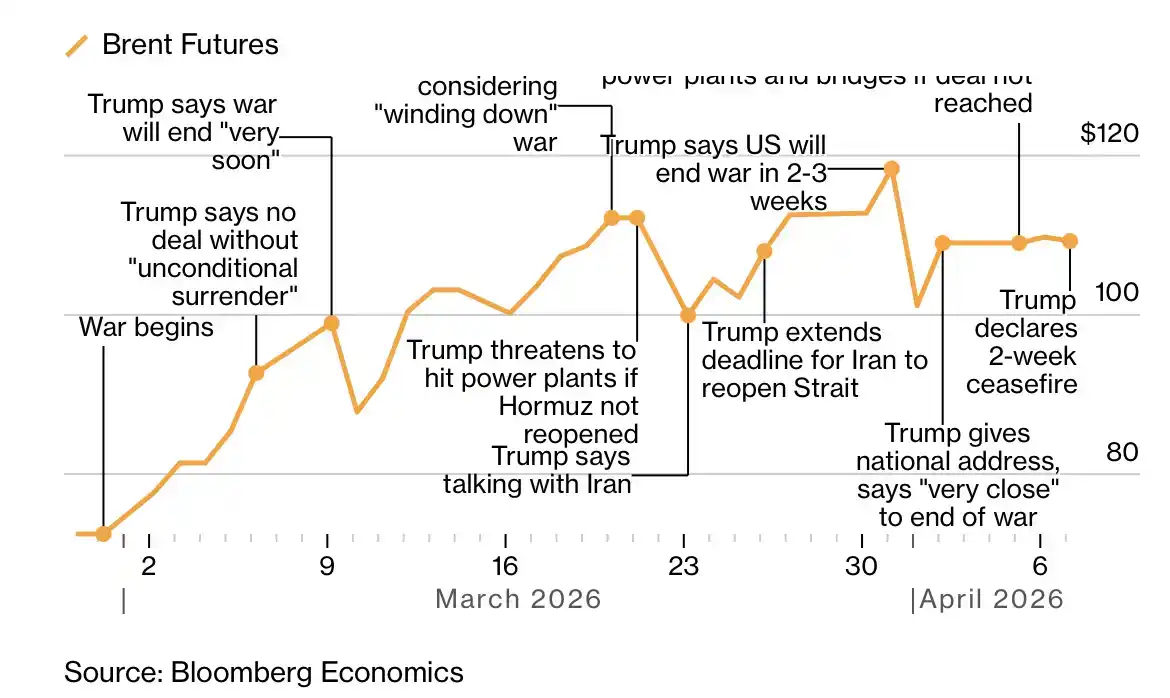
An ironic reality for the United States is that five weeks of hostilities may have actually increased Tehran's leverage in the global economy. During the conflict, Iran effectively strengthened its control over the Strait of Hormuz, nearly closing it to countries it deemed "hostile," and is now pushing a plan to impose "tolls" on oil tankers passing through the waterway.

Clayton Seigle, a senior fellow at the Center for Strategic and International Studies in Washington, said: "It is almost impossible for Iran to relinquish its newly acquired, or at least reinforced, claim to control the strait."

Kevin Book, managing director of Washington-based ClearView Energy Partners, pointed out that the market views this ceasefire as a significant signal largely because it includes a commitment to reopen the Strait of Hormuz.
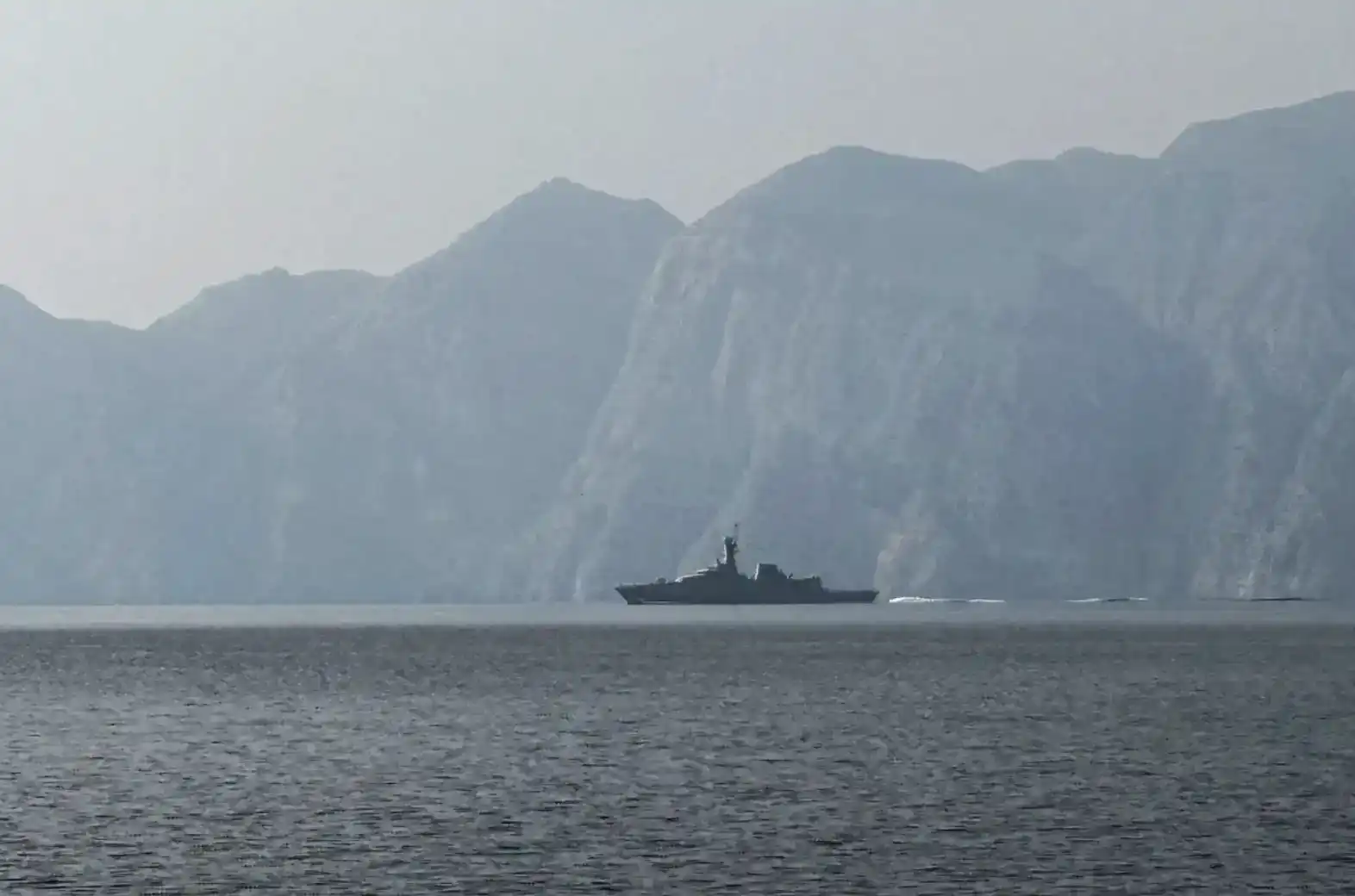
Meanwhile, the possibility of a sharp short-term decline in oil prices remains low.

ClearView Energy Partners Managing Director Kevin Book said: "The lower bound of the oil price range is still roughly around $100 per barrel." He added that if Donald Trump had actually carried out the threatened strikes and triggered Iranian retaliation, the world could have faced oil prices soaring "without a ceiling."

GOP Internal Rifts

Trump also needs to mend the divisions within his party exposed by this issue. On Tuesday, clear cracks appeared among Republicans over whether to take stronger action against Iran.

Before the ceasefire, Trump warned that "a complete civilization will be destroyed tonight." In response, Texas Representative Nathaniel Moran, who had Trump's endorsement, expressed concern on social media, stating that the U.S. was deviating from "the long-standing principles guiding U.S. national defense."

Wisconsin Republican Senator Ron Johnson said that attacking civilian infrastructure would be "a huge mistake."
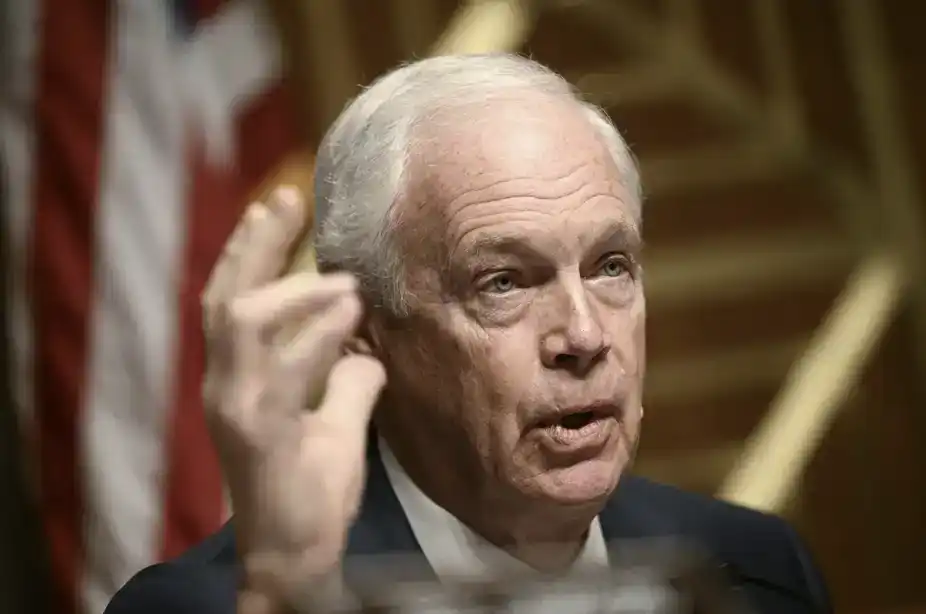
"If he attacks civilian targets, I can no longer support him. Whatever actions we take must comply with the laws of war," Johnson told The Wall Street Journal.

He also told podcast host John Solomon on Monday: "I hope and pray Trump is just bluffing. We are not at war with the Iranian people; our goal is to 'liberate' them." Some former Trump allies, including Tucker Carlson, former Representative Marjorie Taylor Greene, and former White House official Anthony Scaramucci, joined calls for his removal due to his previous threats.

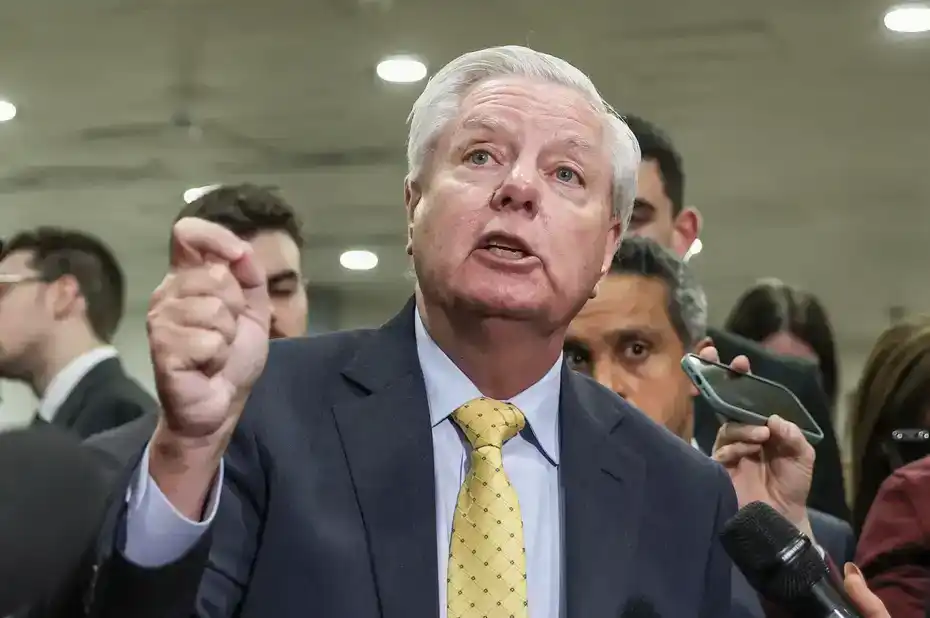
After Trump shifted to de-escalate, conservative influencers Laura Loomer and Senator Lindsey Graham, who were among his main supporters of hardline action against Iran, began expressing concerns about the ceasefire agreement.
"I don't understand why anyone is calling this a victory," conservative influencer Laura Loomer wrote on social media. "The Muslim community, the so-called 'Woke Reich,' and the anti-Trump camp are using these 'negotiations' to attack President Trump, while praising Tucker Carlson's allies and calling for the 25th Amendment to be used against Trump."

The Republican senator from South Carolina said Americans "must remember that after the war broke out, it was Iran that attacked the Strait of Hormuz, undermining freedom of navigation."

"Going forward, it is crucial that Iran does not receive any reward for this act of hostility against the globe," Graham wrote on social media. He added that the U.S. must ensure control over "every ounce" of highly enriched uranium in Iran.

"Time will tell," the senator said.

Trending Cryptos

Related Questions

QWhat was the main reason Donald Trump accepted the two-week ceasefire with Iran?

ADonald Trump accepted the ceasefire due to mounting political and economic pressures, including market volatility, rising oil prices, and internal Republican dissent, which necessitated a de-escalation to avoid further instability.

QHow did the conflict impact Iran's control over the Strait of Hormuz?

AThe conflict strengthened Iran's control over the Strait of Hormuz, as Tehran nearly closed the waterway to countries it deemed 'hostile' and is now pushing to impose tolls on oil tankers passing through, enhancing its geopolitical leverage.

QWhat were the key unresolved issues between the U.S. and Iran after the ceasefire announcement?

AKey unresolved issues included Iran's nuclear program, its ballistic missile systems, the permanent reopening of the Strait of Hormuz, and U.S. demands for regime change or significant concessions, none of which were addressed in the ceasefire.

QHow did Republican lawmakers react to Trump's threats and the ceasefire decision?

ARepublican lawmakers were divided, with some criticizing Trump's threats to target civilian infrastructure as a violation of war principles, while others, like Lindsey Graham, expressed concerns that the ceasefire might reward Iran for its aggressive actions without securing U.S. objectives.

QWhat economic consequences did the conflict have, particularly on oil markets?

AThe conflict caused WTI crude prices to surge nearly 70%, pushing U.S. gas prices above $4 per gallon. The ceasefire led to an 11% drop in oil prices, reflecting market anxiety, but long-term stability remained uncertain due to Iran's strengthened control over energy transit routes.

Related Reads

Wall Street's Most Famous 'Cassandra' Now Has His Sights Set on Nvidia

Michael Burry, the famed "Big Short" investor, has once again captured Wall Street's attention with a series of short positions against major tech and semiconductor stocks, most notably Nvidia. In late June and July, through his "Cassandra Unchained" newsletter, Burry disclosed short bets against Nvidia, Tesla, Applied Materials, Caterpillar, the SOXX semiconductor ETF, and later, Micron Technology. His core thesis revolves around potential distortions in the AI infrastructure boom, specifically questioning whether extended depreciation schedules (e.g., 6 years vs. a realistic 2-3 years for AI chips) by cloud giants like Microsoft and Google artificially inflate profits. He also raises concerns about possible "off-balance-sheet circular financing," where chip demand might be propped up by vendor-backed funding to clients. Nvidia's stock experienced volatility following these disclosures, briefly dipping but largely holding near Burry's reported entry points, leaving his positions roughly flat or slightly underwater as of late July. This move is part of a pattern for Burry, whose track record since his legendary 2008 bet is mixed. He has faced notable losses, such as on Tesla in 2021, while scoring on broader market turns like the 2020 pandemic crash. His methodology focuses intensely on free cash flow and scrutinizing original financial documents to spot overvaluation and structural risks, but it often struggles with timing the market. The article contrasts Burry's stance with other prominent investors. Steve Eisman, another "Big Short" figure, is not shorting Nvidia, citing strong fundamentals but expressing nervousness about sustainability. Jim Chanos agrees with the broad "accounting mismatch" concern—comparing it to the dot-com bubble—but targets financial leverage in private equity firms rather than the chip stocks themselves. While Nvidia's short interest remains relatively low at 1.3-1.4% of float, the massive stock size means absolute short losses have been significant, exceeding $5 billion earlier this year. The piece concludes that for ordinary investors, the key takeaway is not replicating specific short bets but learning from the critical frameworks these investors use: questioning rosy accounting, identifying structural vulnerabilities, and maintaining skepticism during market euphoria, even if pinpointing the exact catalyst for a downturn remains elusive.

marsbit8m ago

Wall Street's Most Famous 'Cassandra' Now Has His Sights Set on Nvidia

marsbit8m ago

Weekly Selection丨Epic Stock Market Volatility, Changxin Tech's IPO Reshapes Storage Landscape, Saylor Aims to Re-Anchor STRC Around September 8th

PANews Weekly Digest: Market Turmoil, Tech Breakthroughs, and Crypto Developments. The week saw significant volatility across global markets. South Korea's KOSPI index experienced extreme turbulence, including multiple trading halts, largely driven by sharp declines in AI hardware stocks like SK Hynix. In contrast, China's Changxin Xinqiao (CXC) achieved a landmark IPO with a market cap surpassing 4 trillion yuan, marking a major success for the domestic DRAM industry after a decade of losses. In the crypto and Web3 space, several key narratives emerged. AI is driving demand for new infrastructure, with projects like AI agent wallets and programmable payments gaining traction, attracting interest from firms like Coinbase. The Bitcoin mining sector is pivoting, with companies like MARA focusing on energy management as electricity becomes a core AI-era asset. Meanwhile, the RWA (Real World Assets) sector faces a "utilization puzzle," with hundreds of billions in on-chain assets remaining dormant. Notable market movements included a historic single-day surge of over 17% for the KOSPI index and a significant migration of $16.5 billion in staked ETH within the Lido ecosystem. Michael Saylor announced a target to re-peg the STRC stablecoin around September 8th. Other highlights include discussions on Ethereum's ambitious 2030 roadmap for scaling and privacy, analysis showing high protocol revenues not always translating to token price gains, and warnings from Citi about potential extreme commodity price shocks by late 2026.

marsbit13m ago

Weekly Selection丨Epic Stock Market Volatility, Changxin Tech's IPO Reshapes Storage Landscape, Saylor Aims to Re-Anchor STRC Around September 8th

marsbit13m ago

When the Market Begins to Question AI Capex: A Full Analysis of Q2 Earnings Reports from Five Tech Giants

In late July 2026, five major US tech giants—Alphabet, Intel, Microsoft, Meta, and Apple—released their Q2 earnings reports. While all companies exceeded revenue and profit expectations, driven by strong AI-related business growth, investor reactions diverged sharply due to concerns over escalating AI capital expenditures (capex) and their impact on free cash flow. Alphabet reported strong revenue growth and a surging cloud business, but its stock fell after announcing a doubled year-on-year capex and negative quarterly free cash flow for the first time. Intel posted its strongest revenue growth in over 15 years, but its stock experienced volatile trading after significantly raising its full-year capex guidance. Microsoft saw its stock surge after beating estimates and, crucially, lowering its capex forecast while projecting positive free cash flow. Meta faced the most severe sell-off as its profits declined despite revenue beats, with free cash flow plunging over 90% and its capex guidance raised. Apple reported record June-quarter results, but its stock plummeted after providing Q4 revenue guidance that fell short of expectations, citing supply chain constraints and forex headwinds. The overall takeaway is that the market's focus has shifted from validating AI demand to scrutinizing the timeline for returns on massive AI investments. Companies demonstrating a clearer path to managing capex and preserving free cash flow, like Microsoft, were rewarded, while those signaling continued aggressive spending faced investor skepticism.

Odaily星球日报22m ago

When the Market Begins to Question AI Capex: A Full Analysis of Q2 Earnings Reports from Five Tech Giants

Odaily星球日报22m ago

a16z: From Companies to DAOs, DUNA May Become the Next Generation Organizational Form

This article, "From Companies to DAOs: How DUNA Could Become the Next Organizational Form," traces the 500-year evolution of business collaboration. It begins with medieval structures like the *commenda* and Florentine *compagnia*, which exposed partners to personal risk. The modern corporation, exemplified by the Dutch East India Company (VOC), was a revolutionary leap, enabling large-scale, capital-intensive ventures by offering limited liability and reducing coordination costs. However, corporations introduced new challenges like principal-agent problems and bureaucratic overhead. The piece argues that software and internet-native protocols are now reducing these traditional overheads. Decentralized Autonomous Organizations (DAOs) emerged as a new model for coordination without centralized management. Yet, DAOs face a significant legal vacuum: they lack legal recognition, leaving members exposed to unlimited personal liability, and their tokens are vulnerable to being classified as securities under unclear regulations (e.g., the Howey Test). This has forced projects into suboptimal workarounds like offshore foundations. The article identifies the Decentralized Unincorporated Nonprofit Association (DUNA) as a potential solution. Recently legalized in states like Wyoming, the DUNA provides a legal wrapper for decentralized networks. It grants key protections—legal personality, limited liability, and perpetual existence—to a group without imposing a traditional hierarchical management structure. This allows token-holder communities to govern, hold assets, and contract as a single legal entity, aligning with their decentralized nature. While DUNA doesn't solve all governance challenges or magically resolve securities law questions, it represents a crucial step. It fills the legal recognition gap, offering a native legal form for internet-scale, decentralized collaboration and extending the separation of personal risk from organizational venture into a new domain.

marsbit1h ago

a16z: From Companies to DAOs, DUNA May Become the Next Generation Organizational Form

marsbit1h ago

2026 Mid-Year Report On-Chain RWA: Tokenized Stock Market Cap Doubles in a Year, But 90% of Rights Are Hollow Shells

The 2026 Mid-Year Report on On-Chain RWA highlights a significant growth in tokenized stock market capitalization, which nearly doubled from $951 million in March to $1.89 billion by July. However, the report reveals a fundamental contradiction in this "layer 2.5" ecosystem: products with the strongest legal foundation (like regulated U.S. infrastructure) lack liquidity and distribution, while freely tradable offshored wrapper products often lack substantive ownership rights. The increase is driven largely by a few products (SECZ, FGRS, STRCx) and platforms (Ondo, xStocks, Securitize collectively hold over 85% share). While distributed value across networks like Ethereum, Solana, and BNB Chain has grown, the market remains fragmented. Products referencing the same underlying asset (e.g., Apple stock) are distinct legal liabilities with different intermediaries and jurisdictional rules, offering varying degrees of legal claim. The report cautions that headline numbers are misleading, as they reflect changes in distributed token value—driven by issuance, conversions, and price movements—not pure investor inflows. True "canonical shares" with legal ownership, wide wallet distribution, institutional liquidity, and independent on-chain price discovery do not yet exist at scale. Tokenized treasuries show stronger product-market fit, and ETFs may be easier to scale than single stocks. The core takeaway is a trade-off: legal certainty versus liquidity and composability.

marsbit1h ago

2026 Mid-Year Report On-Chain RWA: Tokenized Stock Market Cap Doubles in a Year, But 90% of Rights Are Hollow Shells

marsbit1h ago

Trading

Spot

Hot Articles

How to Buy WAR

Welcome to HTX.com! We've made purchasing WAR (WAR) simple and convenient. Follow our step-by-step guide to embark on your crypto journey.Step 1: Create Your HTX AccountUse your email or phone number to sign up for a free account on HTX. Experience a hassle-free registration journey and unlock all features.Get My AccountStep 2: Go to Buy Crypto and Choose Your Payment MethodCredit/Debit Card: Use your Visa or Mastercard to buy WAR (WAR) instantly.Balance: Use funds from your HTX account balance to trade seamlessly.Third Parties: We've added popular payment methods such as Google Pay and Apple Pay to enhance convenience.P2P: Trade directly with other users on HTX.Over-the-Counter (OTC): We offer tailor-made services and competitive exchange rates for traders.Step 3: Store Your WAR (WAR)After purchasing your WAR (WAR), store it in your HTX account. Alternatively, you can send it elsewhere via blockchain transfer or use it to trade other cryptocurrencies.Step 4: Trade WAR (WAR)Easily trade WAR (WAR) on HTX's spot market. Simply access your account, select your trading pair, execute your trades, and monitor in real-time. We offer a user-friendly experience for both beginners and seasoned traders.

2.6k Total ViewsPublished 2024.03.29Updated 2026.06.02

How to Buy WAR

Discussions

Welcome to the HTX Community. Here, you can stay informed about the latest platform developments and gain access to professional market insights. Users' opinions on the price of WAR (WAR) are presented below.

活动图片